

The Ministry of Finance is seeking public feedback on the draft Resolution of the National Assembly on reducing value-added tax (VAT).
According to the Ministry of Finance, in order to promptly respond to the evolving socio -economic situation and to consider and calculate appropriately according to actual conditions, in addition to the solutions that have been and are being implemented for 2023 (extending the deadline for tax and land rent payments; reducing land rent; reducing environmental protection tax on gasoline and oil products), continuing to reduce VAT as applied in 2022 to support businesses and people is necessary.
Previously, with the aim of stimulating consumer demand, restoring and developing the economy, in 2022 the National Assembly issued Resolution 43 dated January 11, 2022, on fiscal and monetary policies to support the socio-economic recovery and development program. The Government issued Decree 15 dated January 28, 2022, stipulating tax exemption and reduction policies in accordance with the National Assembly's Resolution.
The results show that the total VAT reduction support package in 2022 reached approximately 44,000 billion VND, and the VAT reduction stimulated consumer demand, contributing to the promotion of production and business development.
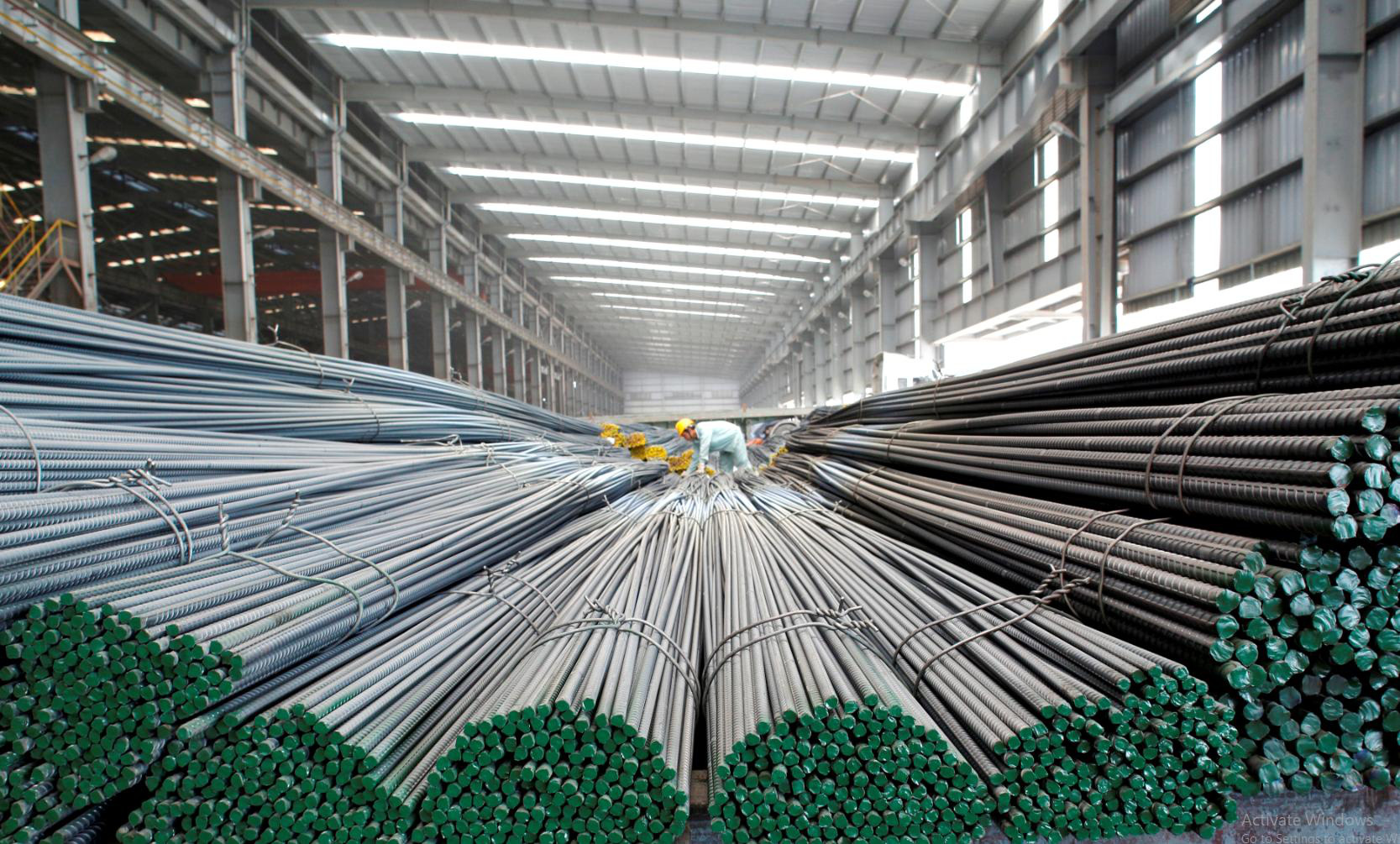
The reduction in VAT in 2022 stimulated consumer demand, contributing to the promotion of production and business development.
However, alongside the achievements, the implementation process has encountered difficulties for both taxpayers and tax authorities in determining which goods and services are not eligible for tax reduction.
The regulations excluding certain groups of goods and services, as in Resolution 43, increase compliance costs for taxpayers and collection costs for tax authorities (determining which goods and services are ineligible for tax reduction requires coordination among multiple relevant ministries and agencies).
Therefore, in 2023, the Ministry of Finance proposed reducing the VAT rate by 2% for all goods and services subject to the 10% tax rate (to 8%); and reducing the percentage rate for calculating VAT by 20% for businesses (including household businesses and individual businesses) when issuing invoices for all goods and services subject to the 10% VAT rate.
Implementing this plan aims to ensure that the goal of stimulating consumer demand is achieved, in line with the current economic context, thereby promoting the early recovery and development of production and business activities to contribute back to the state budget and the economy.
The policy will be in effect from the date of its issuance until December 31, 2023. Assessing the policy's impact, the Ministry of Finance stated that the projected reduction in state budget revenue is approximately 5,800 billion VND per month, or about 35,000 billion VND if applied for the last six months of the year.
The current VAT law stipulates two VAT rates: 5% and 10% (excluding the 0% rate applied to exported goods and services; which are exempt from VAT).
The amount of tax payable = output VAT - input VAT. Some goods and services purchased by the business are subject to a VAT rate of 10%, 5%, or are exempt from VAT.
Therefore, for goods and services subject to a 5% VAT rate, the output VAT is generally less than the input VAT, so businesses usually incur deductible input VAT (no VAT payable).
For goods and services subject to a 10% VAT rate, there will be a VAT payable (output VAT is greater than input VAT) .
Source
![[Photo] General Secretary and President To Lam presides over a meeting with the Central Organizing Committee.](https://vphoto.vietnam.vn/thumb/1200x675/vietnam/resource/IMAGE/2026/06/03/1780482764658_a1-bnd-4741-3342-jpg.webp)
![[Photo] Secretary of the National Assembly Party Committee, Chairman of the National Assembly presides over the meeting of the Standing Committee and Executive Committee of the National Assembly Party Committee.](https://vphoto.vietnam.vn/thumb/1200x675/vietnam/resource/IMAGE/2026/06/03/1780480353201_ndo_br_bnd-2585-jpg.webp)


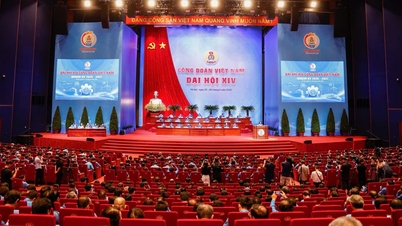
![[Photo] First session of the 14th Congress of the Vietnam Trade Union](https://vphoto.vietnam.vn/thumb/1200x675/vietnam/resource/IMAGE/2026/06/03/1780465947883_ndo_br_img-3852-jpg.webp)










































![[Video] Sunset at Lap An Lagoon – Where the sun sets over the fishing nets](https://vphoto.vietnam.vn/thumb/1200x675/vietnam/resource/IMAGE/2026/05/31/1780192137701_beach-landscape-sea-water-nature-grass-745871-pxhere-com.jpeg)





























Comment (0)