

The scale of Ho Chi Minh City after the merger opens up outstanding opportunities, while also creating an urgent need to reposition the city's brand in a clear, coherent, and convincing way in the minds of its citizens and the international community.
The administrative merger with Binh Duong and Ba Ria - Vung Tau in 2025 has ushered Ho Chi Minh City into an unprecedented phase of development. No longer a single city, Ho Chi Minh City is now a multi-polar megacity, converging the strengths of finance, industry, logistics, innovation, culture, and the maritime economy .
Administratively, after the merger, Ho Chi Minh City became the largest city in the country, with an area of over 6,700 km², a population of over 14 million people, and contributing nearly 25% of the national GDP. However, according to Associate Professor Giannina Warren (Senior Head of Professional Communication, RMIT University), mergers are not just a technical matter of redrawing boundaries, consolidating budgets, or restructuring the administrative apparatus. At a deeper level, it is a process of redefining a living space, a center of economic power, and a symbol of development.
According to Associate Professor Warren, cities are judged not only by their size or growth rate, but also by “what they represent.” Ultimately, a city is a “perceived system,” existing in people’s perceptions, emotions, and beliefs. The decisions of residents, investors, tourists, and international talent are based on data as well as the identity, values, and story that a place conveys.
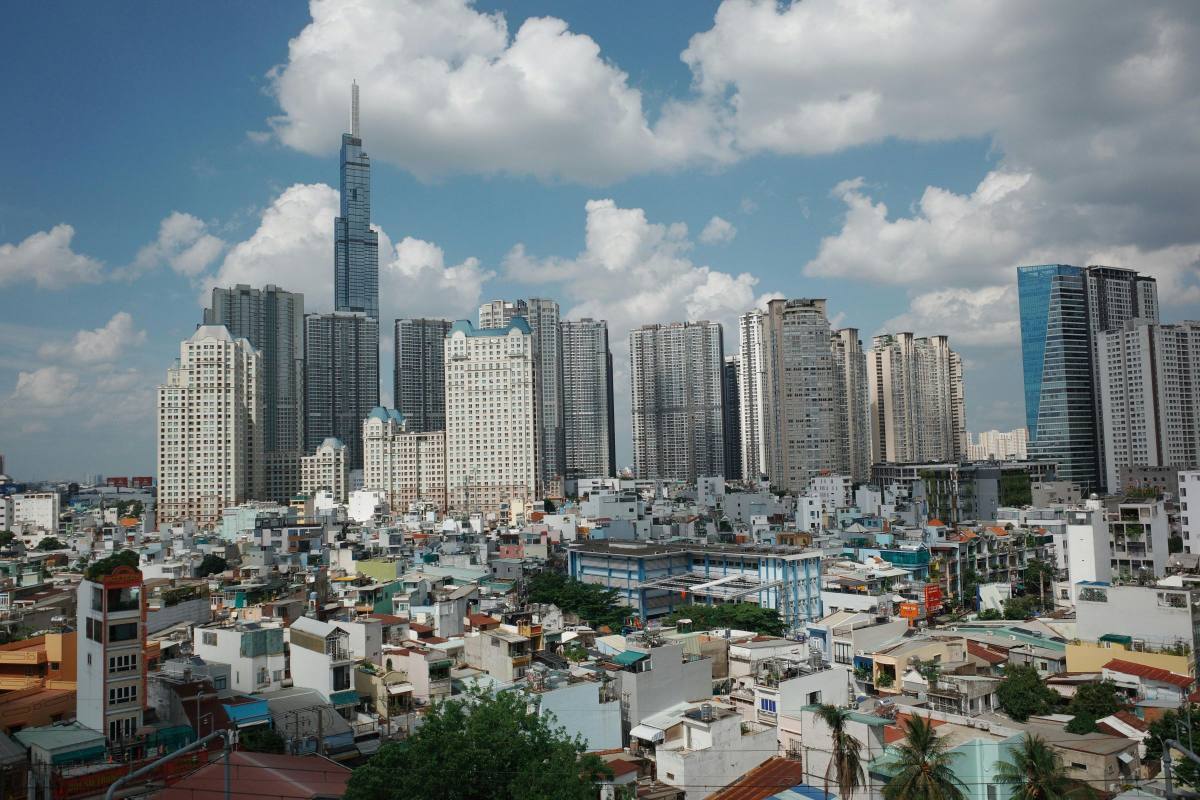 Ho Chi Minh City currently covers an area of over 6,700 km² and has a population of over 14 million people. (Image: Pexels)
 For decades, Ho Chi Minh City, Binh Duong, and Ba Ria - Vung Tau developed with relatively distinct identities. Ho Chi Minh City was known as the dynamic commercial and service "heart"; Binh Duong as the country's industrial "engine"; and Ba Ria - Vung Tau as a crucial gateway and maritime economy. The merger has consolidated these areas under a single name, creating significant synergistic potential, but also raising a difficult question: What does Ho Chi Minh City truly represent today?
“Increased scale and complexity do not automatically mean that urban identity will form. On the contrary, without a clear positioning, megacities risk becoming bland, difficult to identify, difficult to remember, and even harder to trust, especially to those who do not live there,” said Associate Professor Warren.
For a long time, Ho Chi Minh City's image was primarily associated with tourism messages of dynamism, youthfulness, and vibrancy. These descriptions suited a city in transformation, but they lost their impact as the city aimed to become an international financial, logistics, and education hub.
The 2025 merger makes this problem even more urgent. “A megacity with multiple roles, from industry, finance, logistics to culture and innovation, will struggle to convey a clear message without a unifying ideological framework. Its enormous scale is significant, but meaning only emerges when the city knows how to tell its own story,” said Associate Professor Warren.
According to Dr. Bui Quoc Liem, a lecturer in Professional Communication at RMIT University, functional diversity requires a new way of thinking about the city's identity. Instead of searching for a concise slogan for every context, Ho Chi Minh City needs to build a brand architecture based on a common "grand narrative."
This narrative must explain why different spaces are organically linked, all striving towards a shared future. If the merged areas feel merely as "administrative extensions," social cohesion and consensus will be difficult to achieve. Conversely, an inclusive identity that respects distinct roles will help the city send a consistent and credible message.
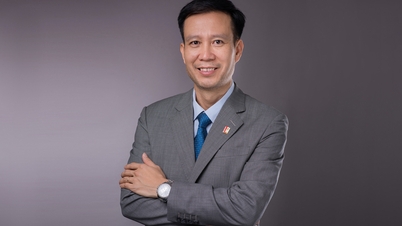
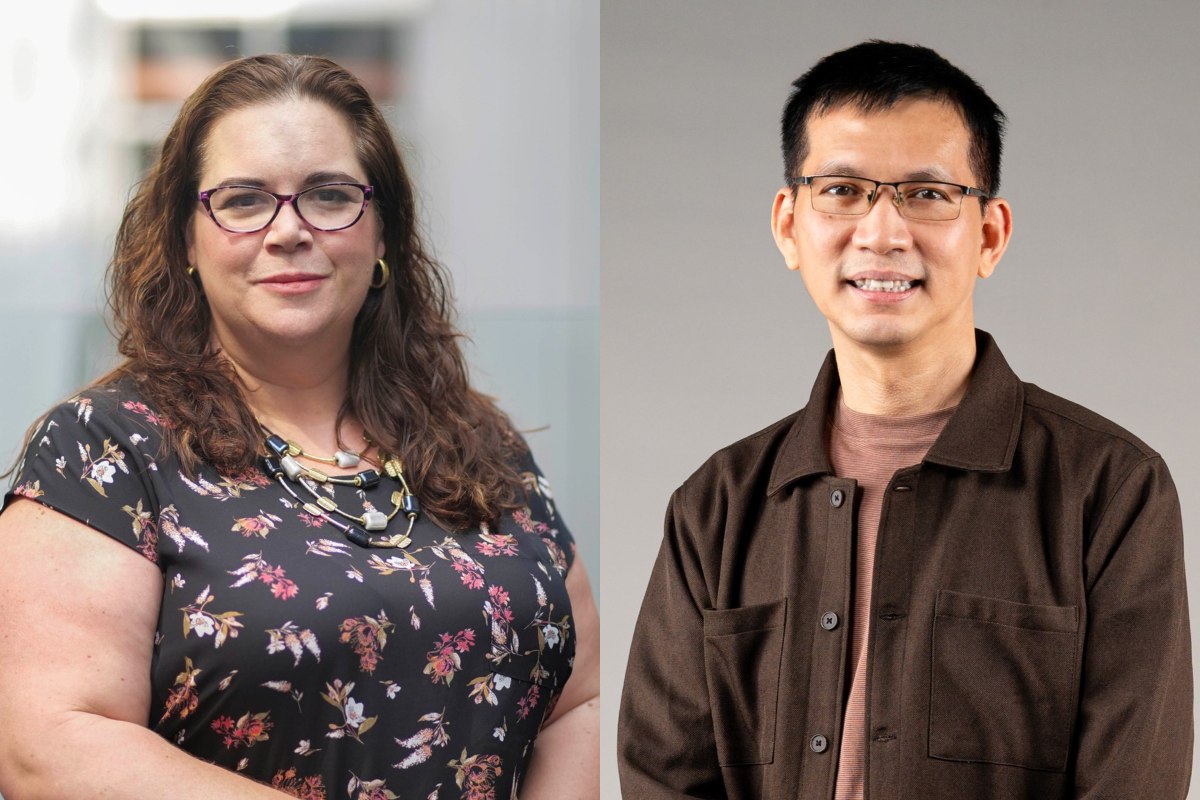 Associate Professor Giannina Warren (left) and Dr. Bui Quoc Liem (Photo: RMIT)
 According to Dr. Liem, the concept of city branding is often misunderstood. Many people still believe that branding is about designing logos, writing slogans, or implementing promotional campaigns. In reality, in the context of mergers, branding is closer to strategic coordination than to mere communication.
"A clear narrative helps government agencies, businesses, and communities all look in the same direction: from prioritizing infrastructure investment and shaping strategies to attract capital, to policies for retaining and attracting talent. Branding becomes a 'compass' for development, rather than just a decorative facade," he said.
Ho Chi Minh City leaders have begun to recognize this link in building a long-term brand strategy, aligned with the city's socio-economic development vision for 2030 and 2045. More importantly, there is growing recognition that branding is intertwined with institutional reform, governance quality, and the living experience of its citizens. An "open" city requires streamlined administrative procedures. A "livable" place needs efficient infrastructure and public services. An international financial center requires consistency, transparency, and high governance capacity.
According to RMIT experts, the cost of delaying brand repositioning is tangible. Communication will become fragmented and lack focus. People in newly merged areas may feel unfamiliar with the "city story." International partners may see the potential, but will struggle to grasp the essence and direction of development. And the opportunity to establish Ho Chi Minh City as a leading megacity in Southeast Asia may quietly slip away.
The administrative transformation is complete. The question now is whether the city can tell a new story, clear enough for the world to understand and compelling enough for its citizens to believe. The challenge ahead is not to construct a forced narrative, but to articulate coherently and convincingly what the city possesses: an urban area connecting industry with innovation, seaports with finance, culture with opportunity, and local strengths with global aspirations.
Source: https://www.rmit.edu.vn/vi/tin-tuc/tat-ca-tin-tuc/2026/apr/dinh-hinh-thuong-hieu-sieu-do-thi-tp-ho-chi-minh


![[Image] Close-up view of the interchange connecting the two expressways and Long Thanh Airport.](https://vphoto.vietnam.vn/thumb/1200x675/vietnam/resource/IMAGE/2026/05/25/1779703378210_ndo_br_z7863716673926-224453a31600126cce10622af6290afd-4549-jpg.webp)


![[Image] Hanoi's urban life under the challenge of a "scorching hot" environment](https://vphoto.vietnam.vn/thumb/1200x675/vietnam/resource/IMAGE/2026/05/25/1779706979265_nang-nong-t5-2026-minh-duy-7-4636-jpg.webp)



































































Comment (0)