

Enhance connectivity
According to studies, on average, 1 in 100 children has autism, also known as autism spectrum disorder (ASD), with diverse manifestations in communication, behavior, and emotions. Importantly, autism is not a disease that can be "cured" in the conventional sense. It is a lifelong developmental disorder; each child is unique, and there is no single formula for intervention. This difference makes caring for autistic children a long journey, requiring patience, understanding, and a supportive ecosystem.
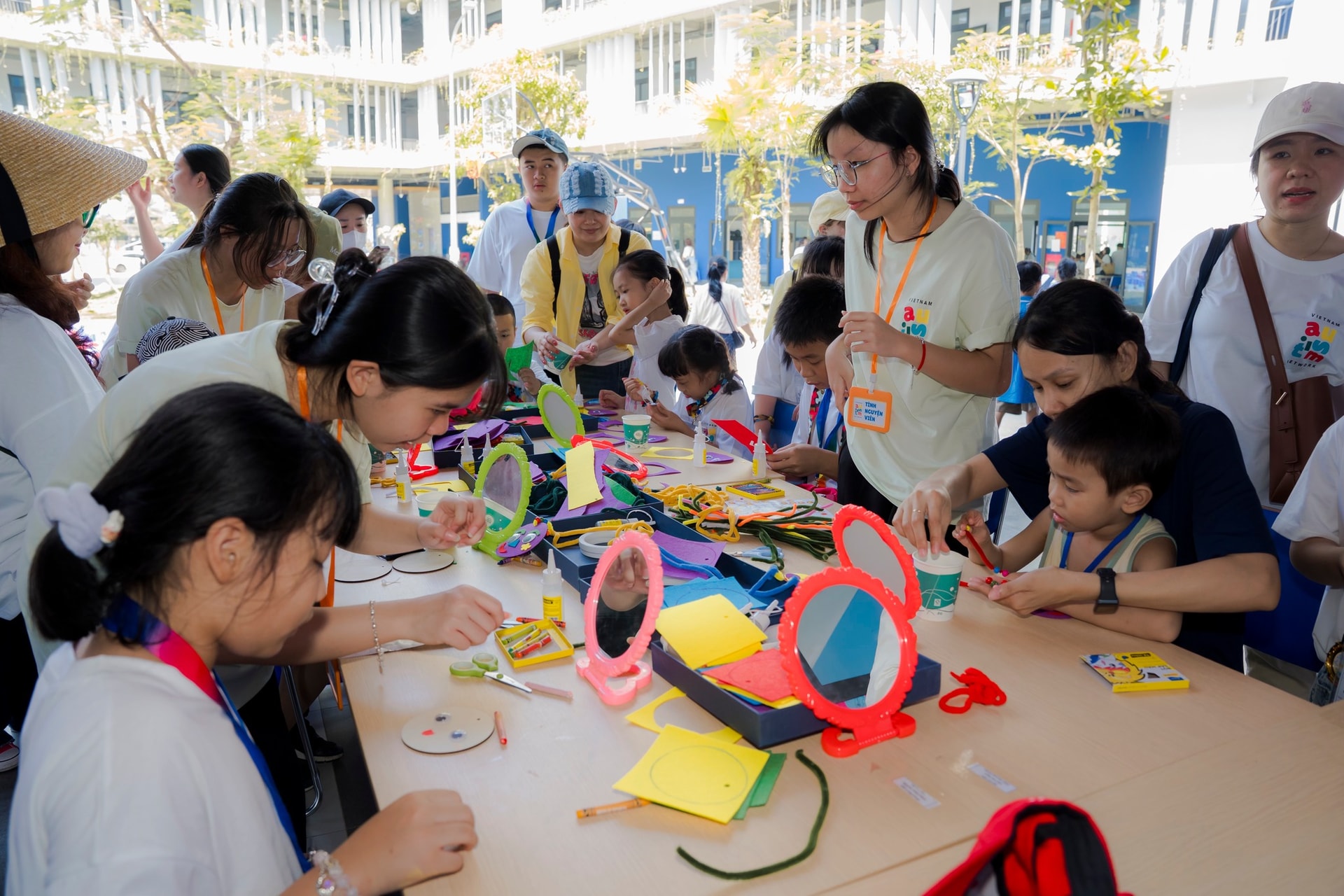
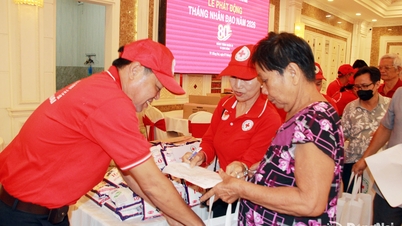
Recently, the Vietnam Autism Network (VAN), in collaboration with the Center for Health and Population Initiatives (CCIHP) within the framework of the Inclusion Project 1, organized the event "Vietnam Autism Awareness Day and the 8th Friendly Sports Games " in Da Nang city. The event was attended by over 500 people, including nearly 200 autistic individuals from 16 delegations representing centers, schools, and family groups nationwide.
Many diverse activities were organized with the aim of helping children improve their physical fitness, overcome their fears, challenge themselves, and become more confident in life.
Ms. Doan Thi Hoai Nhi, Deputy Director of the City's Department of Health, said that the program's activities aim to raise awareness and promote self-confidence, support social integration and equality for people with autism, especially children and adolescents with autism. This is also an opportunity for families with children with autism spectrum disorder to meet, interact, and share experiences, thereby strengthening connections and support in the process of caring for and educating their children.
Through a diverse range of activities, the event contributes to promoting the active participation of organizations and individuals in fulfilling their social responsibilities. At the same time, it spreads humanitarian values in caring for and supporting vulnerable groups, aiming to build an inclusive, equitable, and sustainable society.
Understand your child - be patient with your child.
Autism spectrum disorder is a lifelong developmental disability that manifests in early childhood. Autism is the result of a neurological disorder affecting brain function. It can occur in anyone, regardless of gender or race. Characteristics of autism include deficits in social interaction, difficulties with verbal and nonverbal communication, and restricted and repetitive behaviors, interests, and activities.

For children with autism spectrum disorder, parental involvement is paramount, and supporting early intervention is one of the key activities to focus on. Early intervention refers to interventions for children under 6 years old, ideally before 3 years old for all children at risk of or diagnosed with autism. These interventions are purposeful, planned, methodical, and individualized by professionals for each case.
Access to healthcare services is especially important when providing early intervention for children with autism. The level of intellectual function in children with autism varies greatly, from severe to more severe impairments; it is estimated that approximately 50% of children with autism have intellectual disabilities. In any care model, the family is always central. It's no coincidence that experts call the home the "first therapy room." In fact, many signs of autism appear very early: children don't make eye contact, don't respond to being called by name, and have delayed language development. If detected and intervened in a timely manner, children can significantly improve their communication and social behavior.
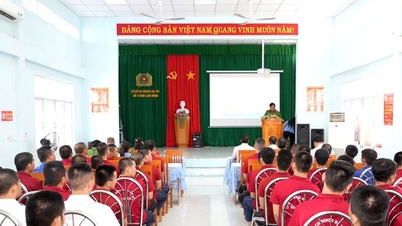
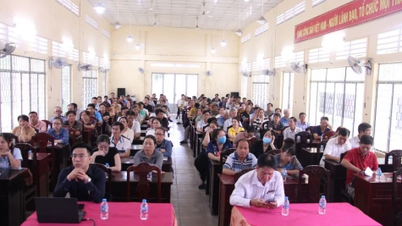
Recently, at the Thien Nhan Social Welfare Center (Ban Thach Ward), experts and parents jointly organized a workshop on the theme "Understanding Your Child - Persevering with Your Child - Growing Up with Your Child Every Day." This professional activity aims to enhance the role of the family in the comprehensive intervention and development of children with special needs. It also provides an opportunity for parents to reflect on their journey with their children in a more clear-headed and realistic way: What their child is capable of, where they are facing difficulties, and what support they need at each stage of development. From there, parents can adjust their expectations, choose appropriate approaches, and avoid unnecessary anxiety or pressure.
With the efforts of parents, supportive policies are creating safe corridors to accompany children with autism. In February this year, the Da Nang City People's Committee issued Plan No. 45/KH-UBND on the implementation of the social assistance and rehabilitation program for people with mental illness, children with autism, and people with mental disorders based on the community for the period 2026 - 2030. Accordingly, Da Nang aims for 90% of people with mental illness, children with autism, and people with mental disorders to have access to various medical services; 80% of infants to 6 years old to be screened early for autism spectrum disorders; and 90% of autistic children of preschool and primary school age to have access to education...
Source: https://baodanang.vn/dong-hanh-with-children-with-autism-3331171.html



![[Photo] General Secretary and President To Lam receives Amazon's Senior Vice President David Zapolsky](https://vphoto.vietnam.vn/thumb/1200x675/vietnam/resource/IMAGE/2026/05/22/1779466547770_a1-bnd-3513-6601-jpg.webp)












































































Comment (0)