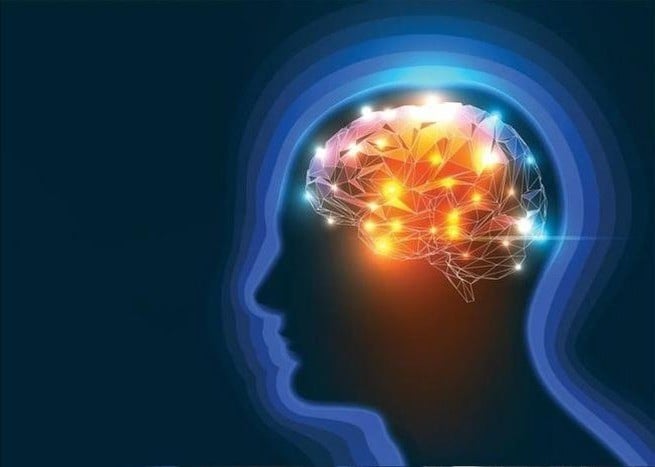
The drug currently under research has the potential to be a breakthrough in the treatment of stroke and Alzheimer's disease.
Writing in the scientific journal iScience, the authors stated that their new drug targets the multifunctional protein GAPDH (glyceraldehyde-3-phosphate dehydrogenase), which is involved in the pathogenesis of many difficult-to-treat brain and nervous system diseases.
They developed GAI-17, a GAPDH aggregation inhibitor.
When this inhibitor was administered to a mouse model of ischemic stroke, the rates of brain cell death and paralysis were significantly lower compared to untreated mice.
More specific analyses showed that reducing GAPDH aggregation helped reduce brain damage and improve neurological deficits caused by stroke, even in patients who received intervention more than 6 hours after stroke, which was outside the "golden time".
Having a longer treatment window is considered one of the key factors in "reversing" the consequences of stroke, because currently most patients who arrive at the hospital late have a very low chance of recovery - or even survival.
GAI-17 also showed no worrisome side effects, such as effects on the heart or cerebrovascular system.
Associate Professor Nakajima said his team will continue researching this miraculous drug on stroke patients as well as in the treatment of other diseases such as Alzheimer's, because there is evidence that GAPDH aggregation is also involved in the pathogenesis of Alzheimer's disease.
baomoi.com
Source: https://baolaocai.vn/dot-pha-tu-nhat-ban-thuoc-dao-nguoc-dot-quy-post649434.html




































































































Comment (0)