When summer becomes the "golden season" of festivals.
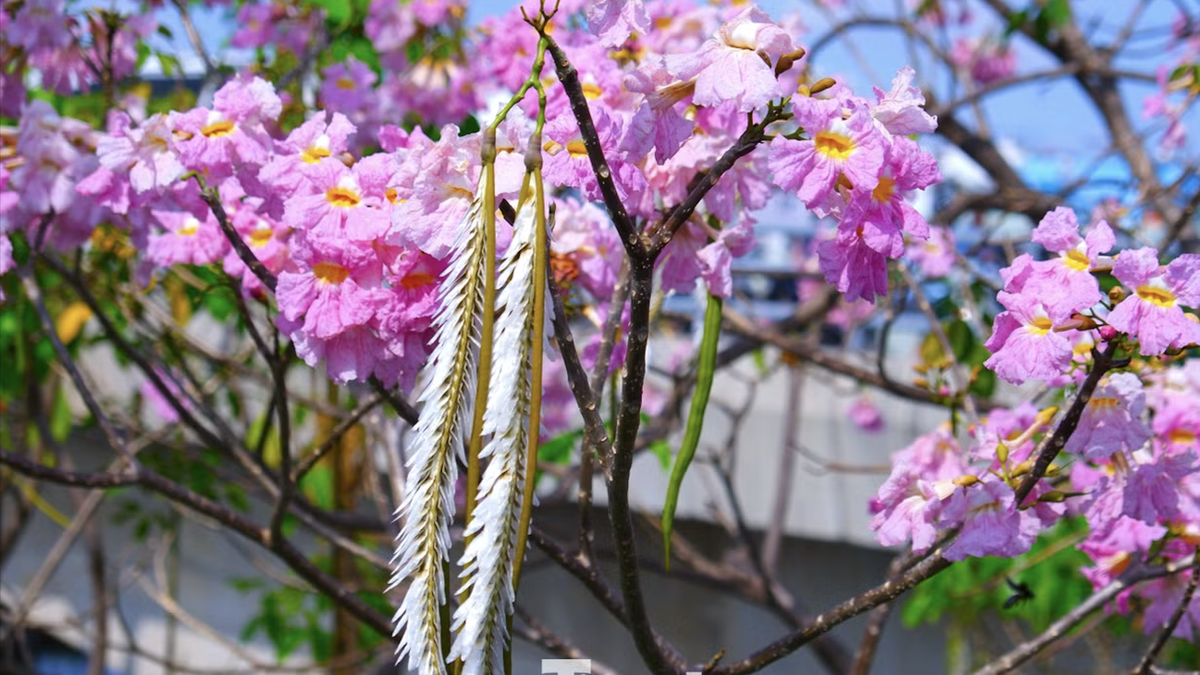
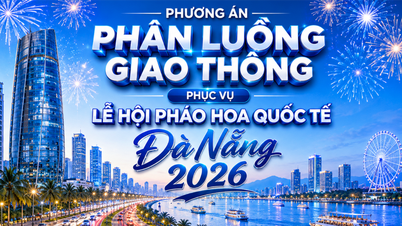
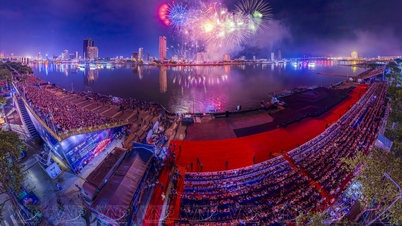
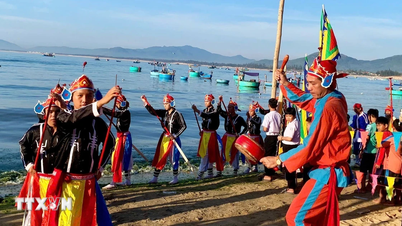
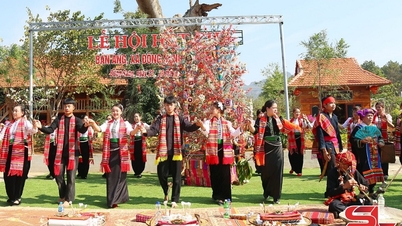
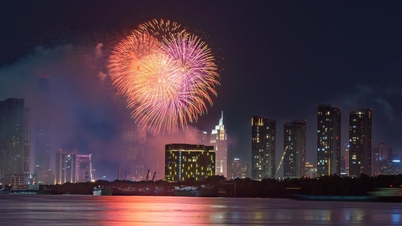
From the beginning of summer 2026, a series of festivals to stimulate tourism have been organized by provinces and localities. In early May, the Red Flamboyant Flower Festival, the most characteristic annual cultural and tourism event of Hai Phong City, will take place from the end of March to May. In late May and early June, the Da Nang International Fireworks Festival 2026 (DIFF 2026) will be held from May 30th to July 11th, 2026. The event will bring together 10 competing teams from around the world , organized into 6 spectacular nights of performances on the banks of the Han River. In July, from July 17th to 19th, the Khanh Hoa Sea Festival 2026 will take place. This is a national-scale cultural and tourism event...
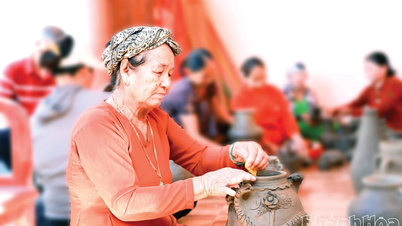
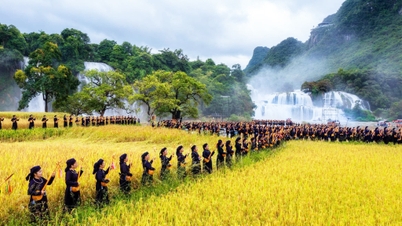
In fact, every summer, instead of just going to the beach or resorts, more and more tourists are choosing destinations with unique festivals to have fun, experience the culture, and immerse themselves in the vibrant atmosphere. The common thread among successful festivals is their ability to create a distinctive experience. Today's tourists don't just "go to see," but want to participate, integrate, and share in the experience.
In particular, social media is strongly contributing to this trend. Videos of people checking in at concerts, light festivals, or carnivals quickly go viral on TikTok, Instagram, and Facebook. This transforms festivals into an extremely effective tourism promotion tool with significantly lower communication costs compared to traditional advertising.
Furthermore, festivals help address the issue of "seasonality." Previously, many localities only saw large crowds during short holidays. However, with a series of events extending throughout the summer, the number of visitors is more evenly distributed, creating a stable source of revenue for accommodation, food, and transportation services.
Great economic opportunities, but a sustainable development strategy is needed.
The development of summer festival tourism not only has cultural significance but also generates considerable economic value. For example, in Da Nang, each international fireworks festival season brings a huge demand for accommodation and nighttime services. The Da Nang International Fireworks Festival (DIFF) 2025 set a record attracting nearly 2 million tourists, serving over 1.88 million guests at accommodation establishments. In 2026, starting in May, many beachfront hotels were fully booked early, room rates increased sharply, but bookings remained high.
In Hue, the Hue Festival has become a distinctive tourism product of the ancient capital for many years. Instead of just exploiting static heritage sites like tombs and temples, the festival brings new life through royal court art programs, ao dai (traditional Vietnamese dress) shows, international music, and community activities. As a result, the image of Hue has become more youthful and approachable to international visitors.
According to statistics from the ASEAN Secretariat, festival tourism has contributed to the overall growth in the number of visitors to ASEAN countries, with a growth rate of 6.1% (in 2019), higher than the global growth rate of 4%.
However, alongside the great opportunities, festival tourism also presents numerous challenges. For sustainable development, each locality needs to build its own unique character for its festivals instead of copying each other's models. For example, Hue is known for its heritage and royal court art; Da Nang for its fireworks and modern events; and the Central Highlands could leverage its gong culture and indigenous festivals combined with ecotourism.
Speaking to the media, director Le Quy Duong, Chairman of the International Theatre Festival and Cooperation Committee (FACT), stated that festivals should prioritize the preservation and development of heritage. Each festival should be meticulously planned, researched, and studied to thoroughly understand the culture, history, and heritage of each region, highlighting its unique identity and vividly recreating its history, culture, and heritage in a way that is distinct and unmistakable.
Furthermore, combining festivals with the night-time economy is opening up a promising direction. After performances, tourists often have a need for food, shopping, and entertainment at night. If organized properly, festivals can extend tourist spending, helping to increase revenue for the entire service ecosystem.
Another emerging trend is "green" and sustainable festivals. Many international events now limit plastic waste, encourage the use of clean energy, and control visitor numbers to match the destination's carrying capacity. This is also something Vietnamese tourism needs to focus on, given that tourists are increasingly concerned about the environment.
Source: https://baophapluat.vn/du-lich-le-hoi-tang-suc-nong-cho-mua-he.html


![[Photo] Standing Committee member of the Party Central Committee Tran Cam Tu working with the Central Inspection Committee](https://vphoto.vietnam.vn/thumb/1200x675/vietnam/resource/IMAGE/2026/05/28/1779969579668_ndo_br_bnd-2495-jpg.webp)























































Comment (0)