

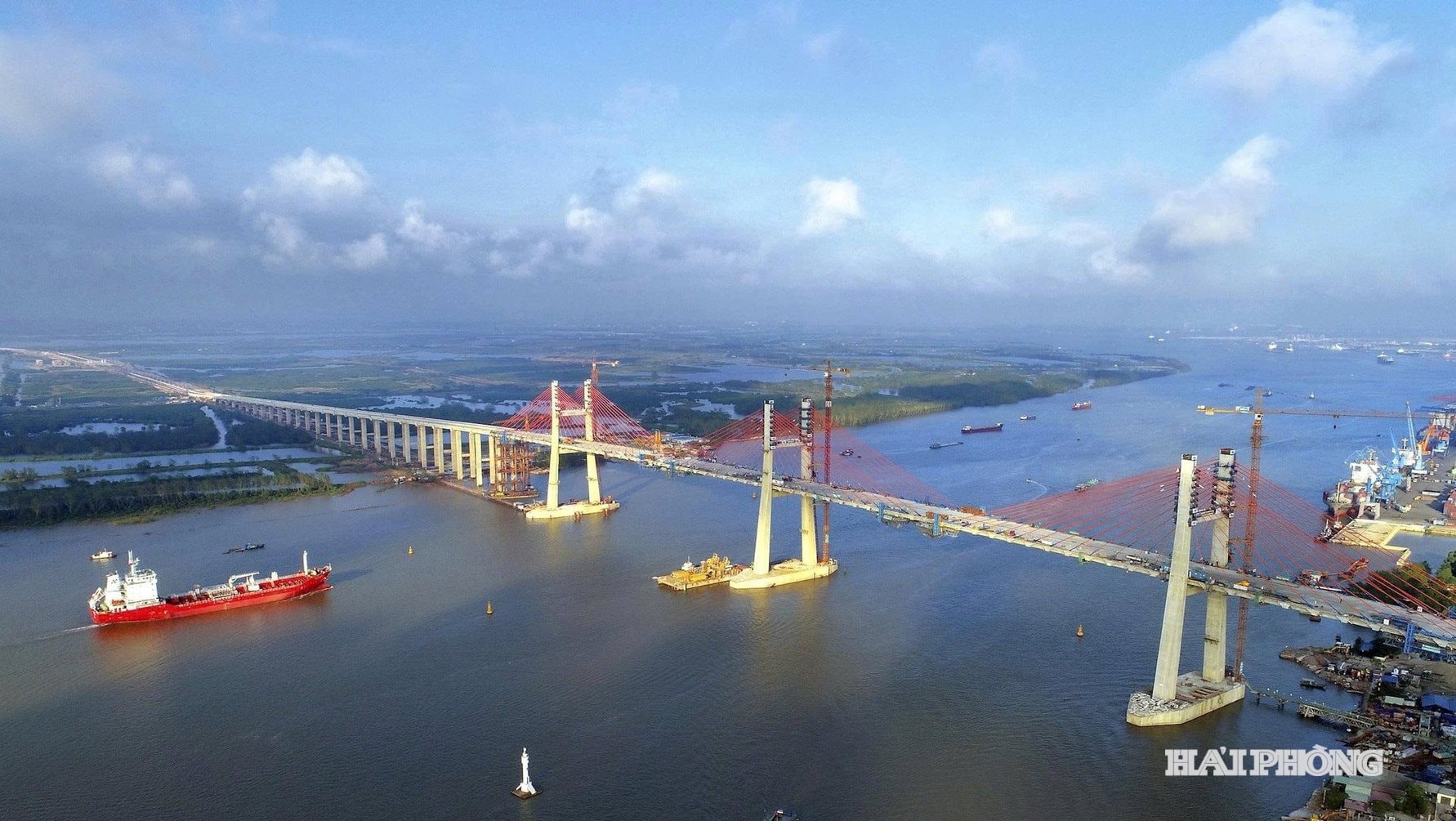
High bridge, wide channel.
In many localities, numerous bridges have become "bottlenecks," forcing barges and ships to restrict their load capacity or incur additional transshipment costs. With foresight, Hai Phong has done well right from the planning and design stages, preventing this situation from occurring.
According to a representative from the Department of Construction, the key difference lies in the city's "transportation-first" vision. From the planning stage, bridges across the river were meticulously designed in terms of height and navigable clearance. Construction standards not only met road traffic requirements but also prioritized maritime traffic, ensuring the safe passage of large vessels weighing several thousand tons.
The city boasts numerous bridge projects that clearly demonstrate this approach. The Binh Bridge, spanning the Cam River, is designed with a navigable clearance of 25 meters, allowing ships of 3,000 DWT to pass through easily. The Hoang Van Thu Bridge is constructed with a large span and appropriate height to avoid disrupting the already bustling waterway on the Cam River. Further afield, the Tan Vu - Lach Huyen Bridge, directly connecting the mainland to Cat Hai Island, is also designed in parallel with the opening and dredging of the Lach Huyen port area, facilitating the arrival of super-heavy container ships. The Bach Dang Bridge, spanning the Bach Dang River on the Hai Phong - Ha Long - Van Don - Mong Cai expressway, connecting Quang Ninh and Hai Phong provinces, also has a clearance exceeding 50 meters... New bridges currently under construction are also meticulously designed to meet navigation requirements, such as the Nguyen Trai Bridge, which has a clearance of 25 meters and a span of 165 meters. The Van Bridge and Tan An Bridge, connecting the two banks of the Kinh Thuy River, both have a clearance height exceeding the standard of 11 meters...
Mr. Nguyen Van Phuc, owner of a barge with a carrying capacity of over 2,000 tons specializing in transporting construction materials on the Cam River, said: “Having traveled to many places, I realize that the waterways in Hai Phong are much more convenient. The bridges are high, the channels are wide, so ships can pass through easily without worrying about getting their beams stuck or waiting for the tide. When passing through the Hoang Van Thu Bridge or the Binh Bridge area, visibility is clear, the signal lights are bright, and vessels can travel at night with peace of mind.”
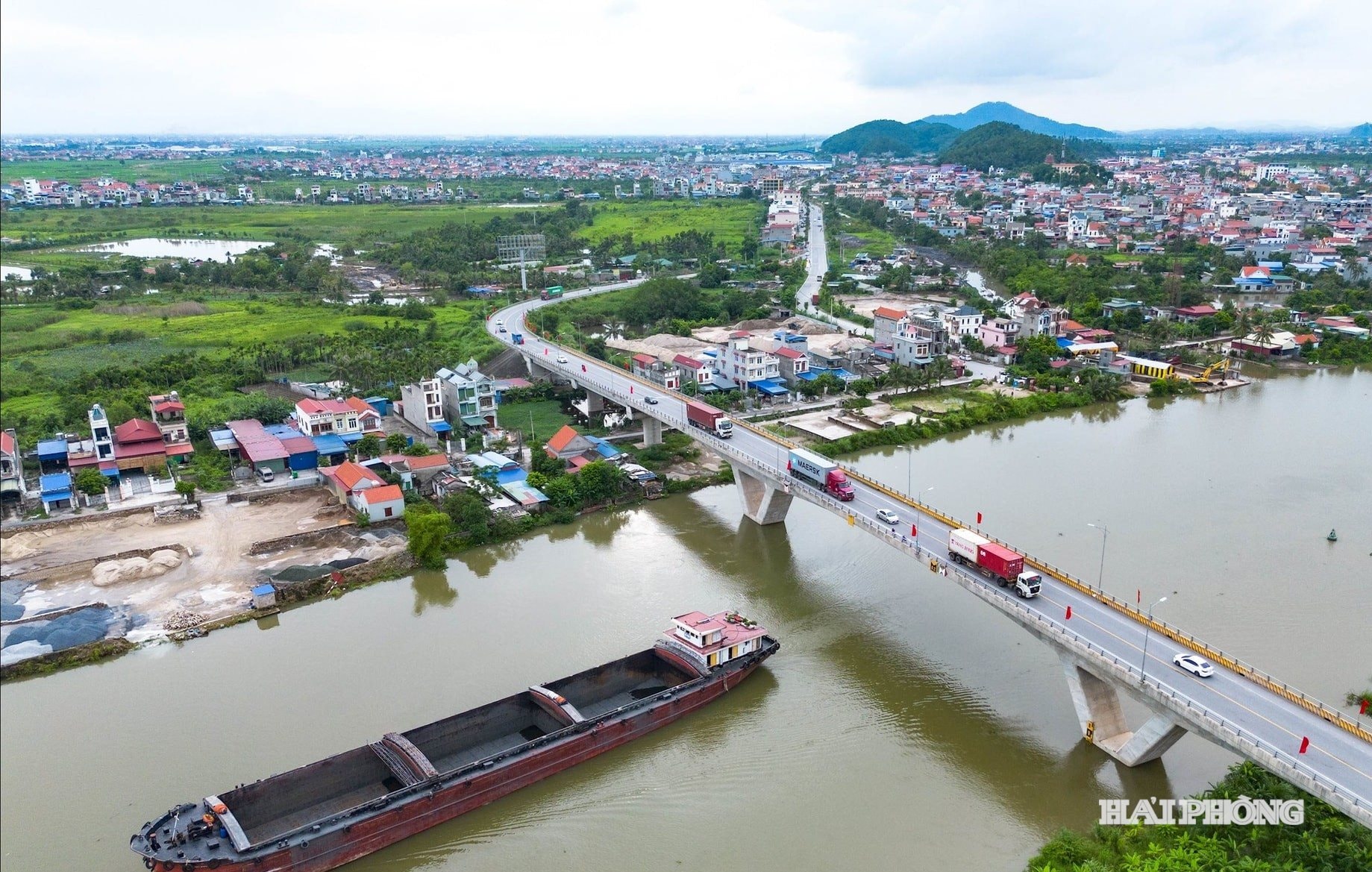
Alongside the bridge project, the city also focuses on the shipping channel. The channel leading to Hai Phong port has been dredged and upgraded several times to maintain the appropriate depth and width for large vessels.
Besides investing in infrastructure, the city also has policies to support inland waterway transport to reduce pressure on road transport. Since 2023, the city has reduced port infrastructure usage fees by 50% for goods transported by barges and river vessels. This is a strong move to encourage businesses to maximize the potential of waterways, taking advantage of natural resources without worrying about being "blocked" by low bridges.
Clear
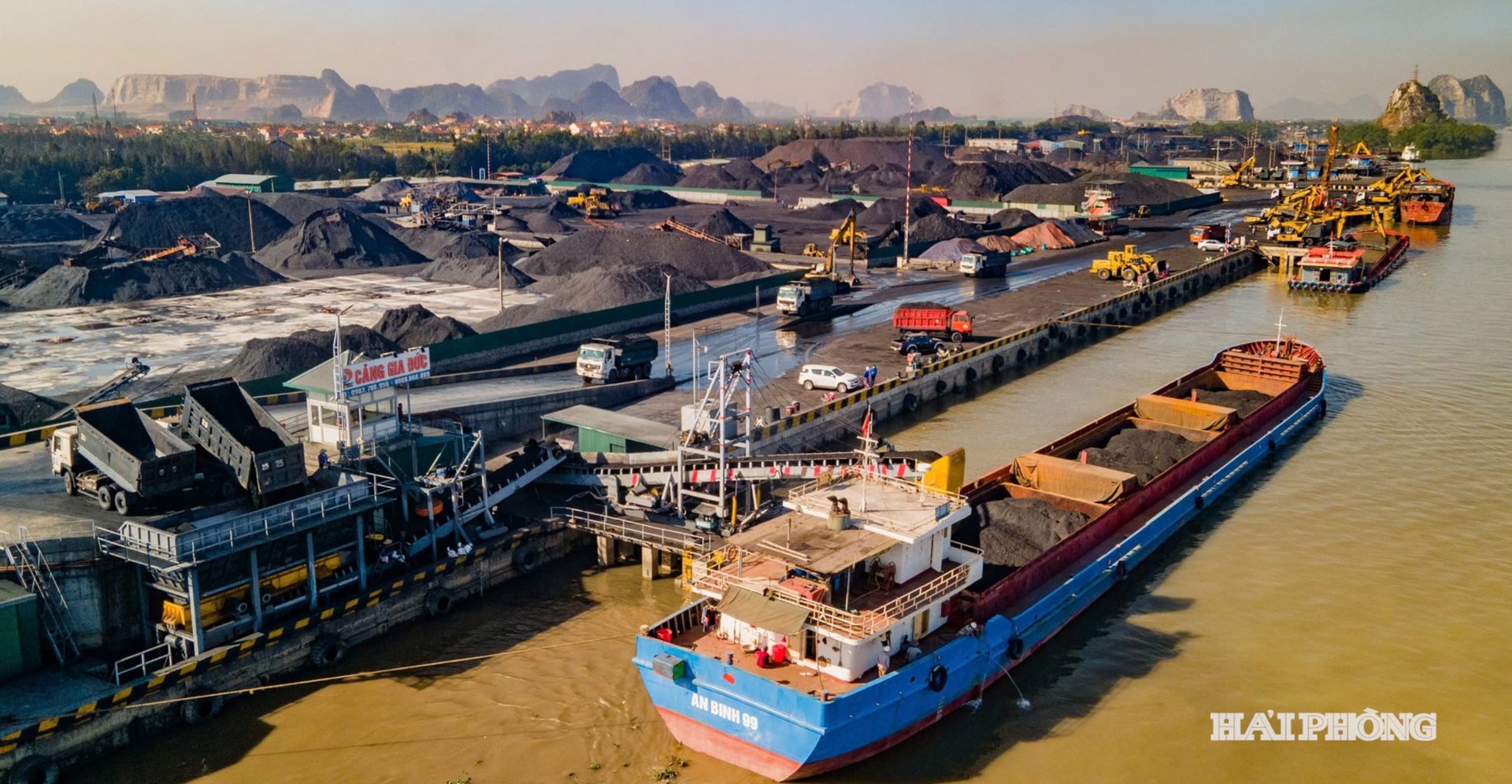
The system of high bridges and wide channels not only facilitates the smooth passage of large cargo ships but also opens up strong opportunities for the development of waterway transport and river tourism , which are strengths of Hai Phong. When the bridge clearance is calculated appropriately, the waterway becomes unobstructed, creating conditions for stable and safe operation of cargo and passenger vessels year-round.
According to the Department of Construction, the city currently has hundreds of inland wharves and ports, and dozens of national and local waterways. Bridges such as Binh, Hoang Van Thu, Nguyen Trai, and May Chai... all have standard clearances, allowing ships and barges of 1,000-3,000 tons to easily enter and exit. This is an important condition for developing inland waterway transport, a green, low-cost mode of transport that can alleviate pressure on road transport.
In reality, the Cam, Lach Tray, Van Uc, Kinh Thay, and Thai Binh rivers are the "backbone" of the northern waterway transport network. From Hai Phong, cargo ships can travel downstream to Quang Ninh, Bac Ninh, Hanoi, or upstream to the East Sea without encountering obstacles related to bridges and waterways. Thanks to the system of elevated bridges, the transshipment of goods by barges and river vessels between industrial zones, inland ports, and seaports takes place continuously, significantly reducing logistics time and costs.
Mr. Nguyen Trong Dai, Director of the Hai Phong Inland Waterway Port Authority, affirmed: “The high clearance of the bridge and the sufficiently wide navigation channel help to maximize the capacity of inland waterway transport. Ships can operate day and night without waiting for tides, reducing the risk of collisions and transshipment costs. The high bridge also facilitates the exploitation of inland waterway terminals and ports, allowing large-tonnage vessels to safely enter and exit for loading and unloading goods, directly connecting with the city's seaport system.”
Along with cargo transport, waterway tourism is also becoming a potential direction for the port city. Many travel businesses are operating cruise routes on the Cam River and Lach Tray River, connecting the city center with tourist areas such as Do Son, Cat Hai, and Cat Ba. New bridges with modern designs and high clearance create open spaces, allowing tourist boats to move flexibly and safely even during the rainy and stormy season. This is an advantage that few riverside cities in the North possess.
Ensuring adequate bridge clearance not only demonstrates vision but also a commitment to sustainable waterway development, helping Hai Phong city leverage its role as a leading logistics hub while expanding eco-tourism opportunities along the river. With this approach, Hai Phong is gradually realizing its goal of becoming the largest waterway transportation and tourism center in Northern Vietnam.
BAO ANHSource: https://baohaiphong.vn/duong-thuy-thong-suot-tao-loi-the-phat-trien-522942.html




![[Photo] Reception to welcome General Secretary and President To Lam and his wife on their State visit to the Philippines](https://vphoto.vietnam.vn/thumb/1200x675/vietnam/resource/IMAGE/2026/06/01/1780295488620_vna-potal-chieu-dai-chao-mung-tong-bi-thu-chu-tich-nuoc-to-lam-va-phu-nhan-tham-cap-nha-nuoc-toi-philippines-8798060-7855-jpg.webp)
![[Photo] General Secretary and President To Lam and the President of the Philippines hold talks.](https://vphoto.vietnam.vn/thumb/1200x675/vietnam/resource/IMAGE/2026/06/01/1780286997787_anh-man-hinh-2026-06-01-luc-11-09-43.png)
































































Comment (0)