

 |
Mount Everest, the world's highest mountain, also known as Qomolangma, is seen in the sunset over the Tibet Autonomous Region on May 4, 2008. |
For most tourists and followers of Himalayan expeditions, Everest remains the most iconic mountain. Not only because of its challenging terrain and the allure of its climbing routes, but also because it holds the title of the world's highest mountain according to the most familiar measure: altitude above sea level.
The Britannica , a prestigious Anglo-American encyclopedia, lists Everest at approximately 8,848.86 meters, while Reuters has also repeatedly referred to it as the highest mountain on Earth using this calculation.
However, in geography, the concept of "highest" doesn't always have only one interpretation. If sea level is used as a benchmark, Everest ranks first and there's almost no debate about it.
However, if we switch to a different measurement method, the order might change. According to Britannica , Everest best fits the concept of "highest mountain" in the sense that its peak is the highest above sea level, not that it is always the highest in every comparison.
That's also why Mauna Kea in Hawaii often comes up in debates about the "tallest mountain." While its summit doesn't surpass Everest when viewed from sea level, its base lies deep beneath the ocean. When measured from base to summit, Mauna Kea exceeds 10,000 meters, making it taller than Everest. This comparison isn't common in mainstream tourism , but it offers a different perspective on the concept of mountain height.
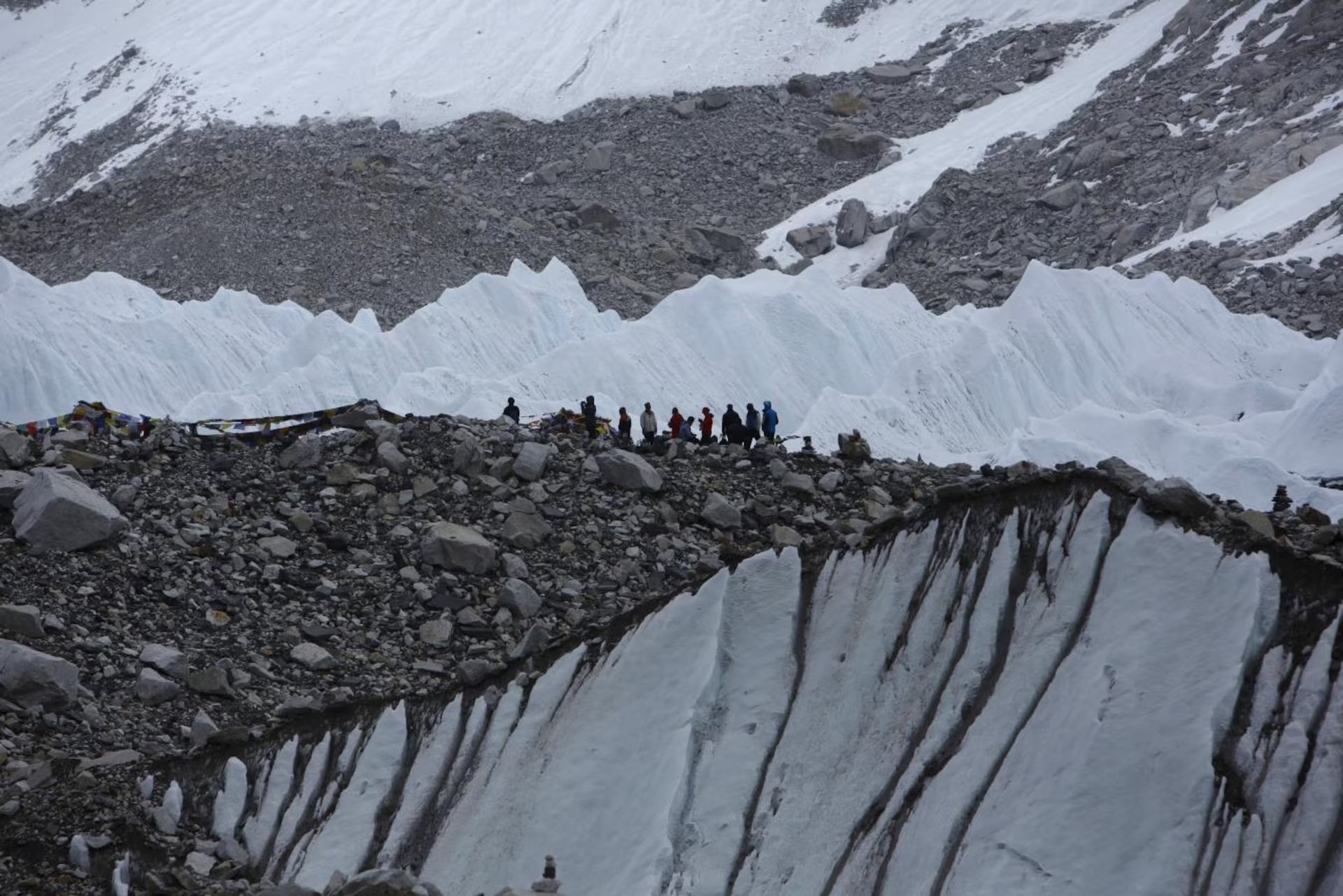    |
Since Sir Edmund Hillary and Tenzing Norgay Sherpa first conquered Everest in 1953, more than 4,000 mountaineers have reached the summit of the world's highest mountain. |
Another case that is even more interesting for geography and adventure travel enthusiasts is Mount Chimborazo in Ecuador. If you measure the distance from the center of the Earth to the summit, Chimborazo is actually the highest peak at the Earth's center.
The reason stems from the Earth's bulge at the equator, causing mountains near this area to be "lifted" further away compared to peaks at higher latitudes like Everest. This is one of the clearest examples showing that the same question can have a different answer simply by changing the frame of reference.
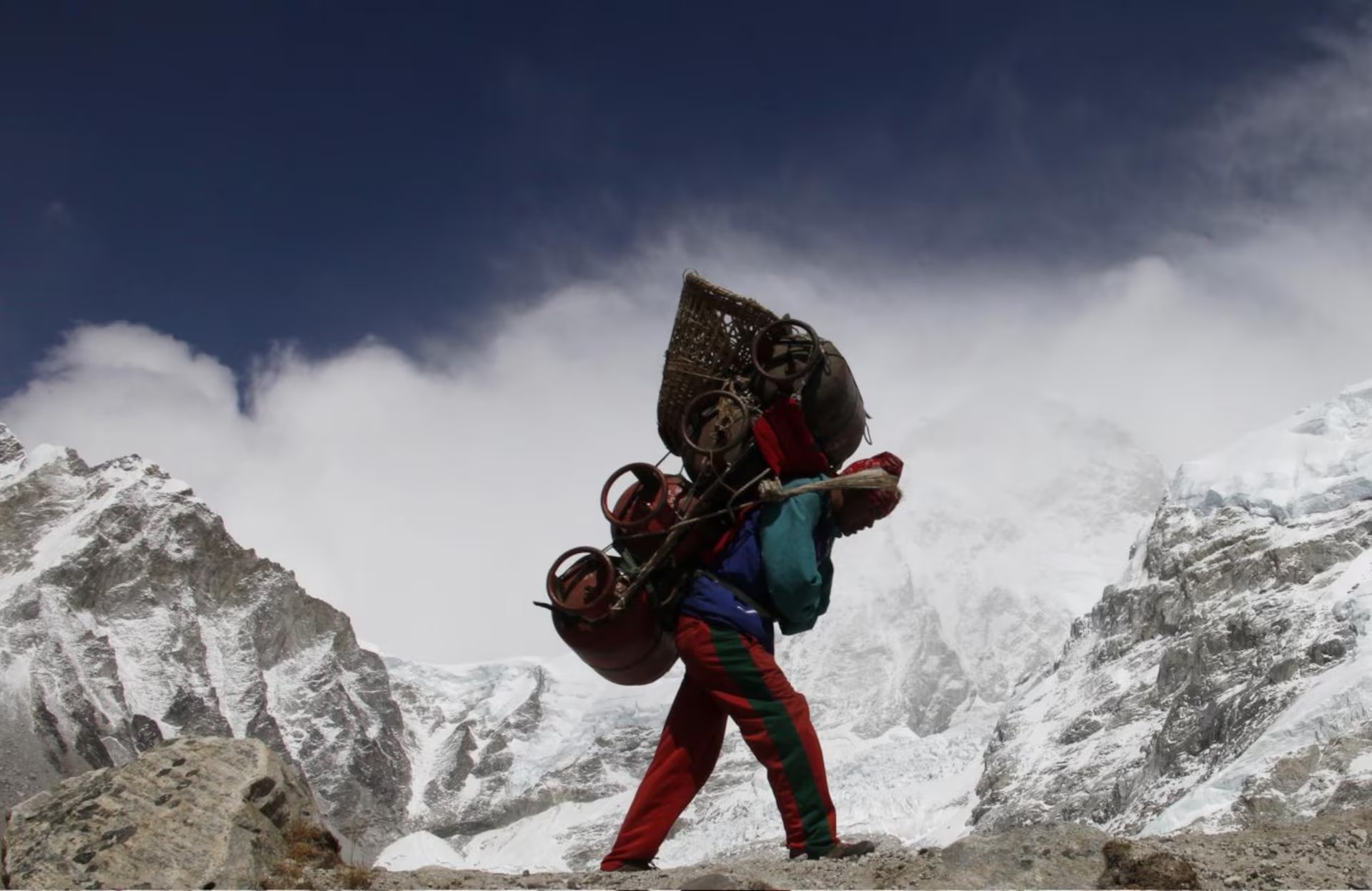
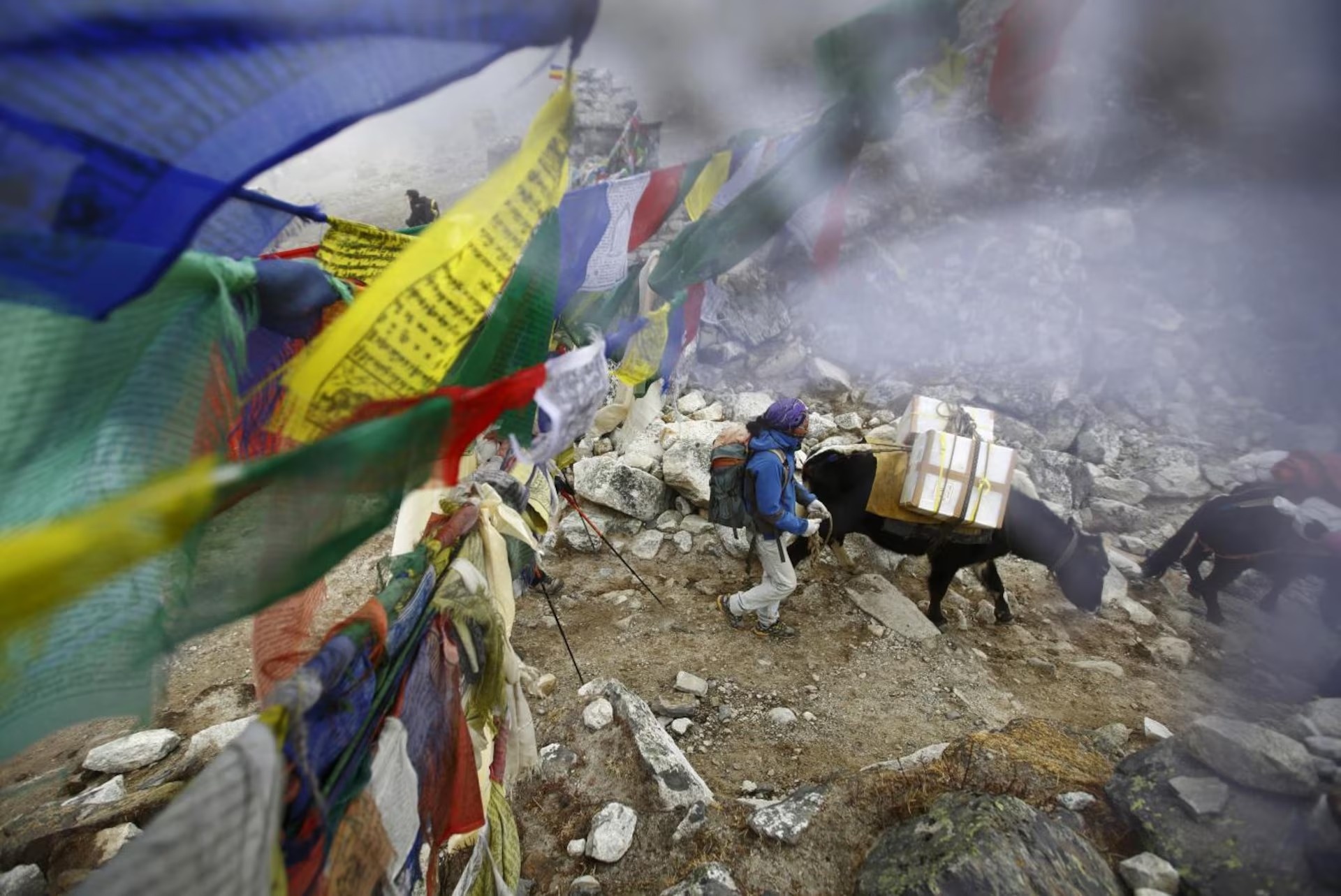
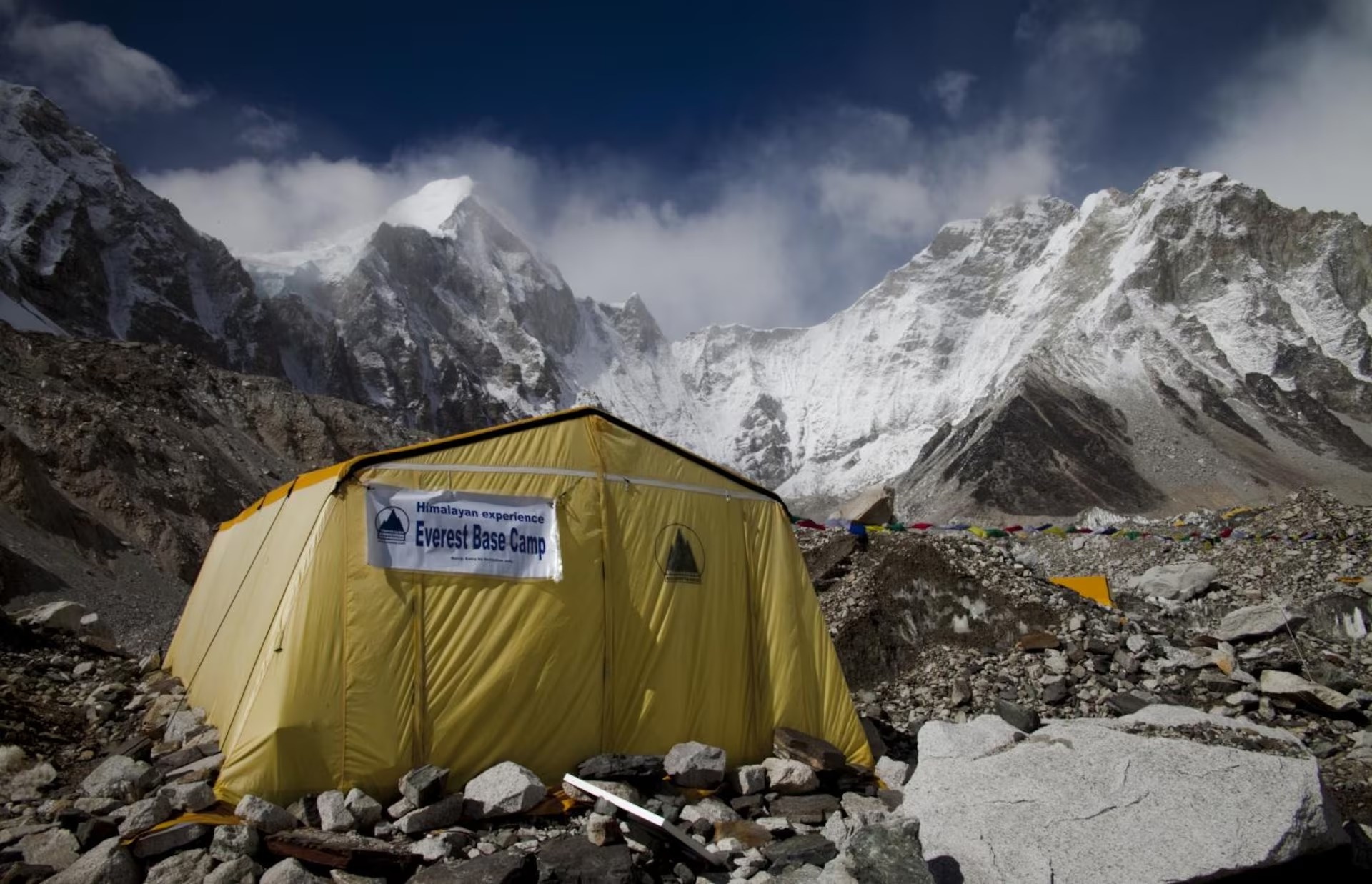
From a tourism perspective, Everest is not only famous for its height, but also for its symbolic significance. On the global adventure tourism map, the mountain is associated with Nepal, with trekking routes to Base Camp, and climbing seasons that attract hundreds of climbers and porters each year.
According to Reuters , the story of conquering Everest alone has generated its own international news narrative, from climbing records to permit costs and the impact of natural changes on the summit. Therefore, in tourism, the symbol of the "roof of the world" remains irreplaceable to this day.
Source: https://znews.vn/everest-co-that-su-cao-nhat-the-gioi-post1639551.html


























































































Comment (0)