The sound of roosters crowing is an image of home that has become deeply ingrained in the hearts of every person. And now, in Truong Sa, I hear that familiar sound of roosters crowing in my ears. I am happy to affirm that coming to Truong Sa is like returning to my own home.
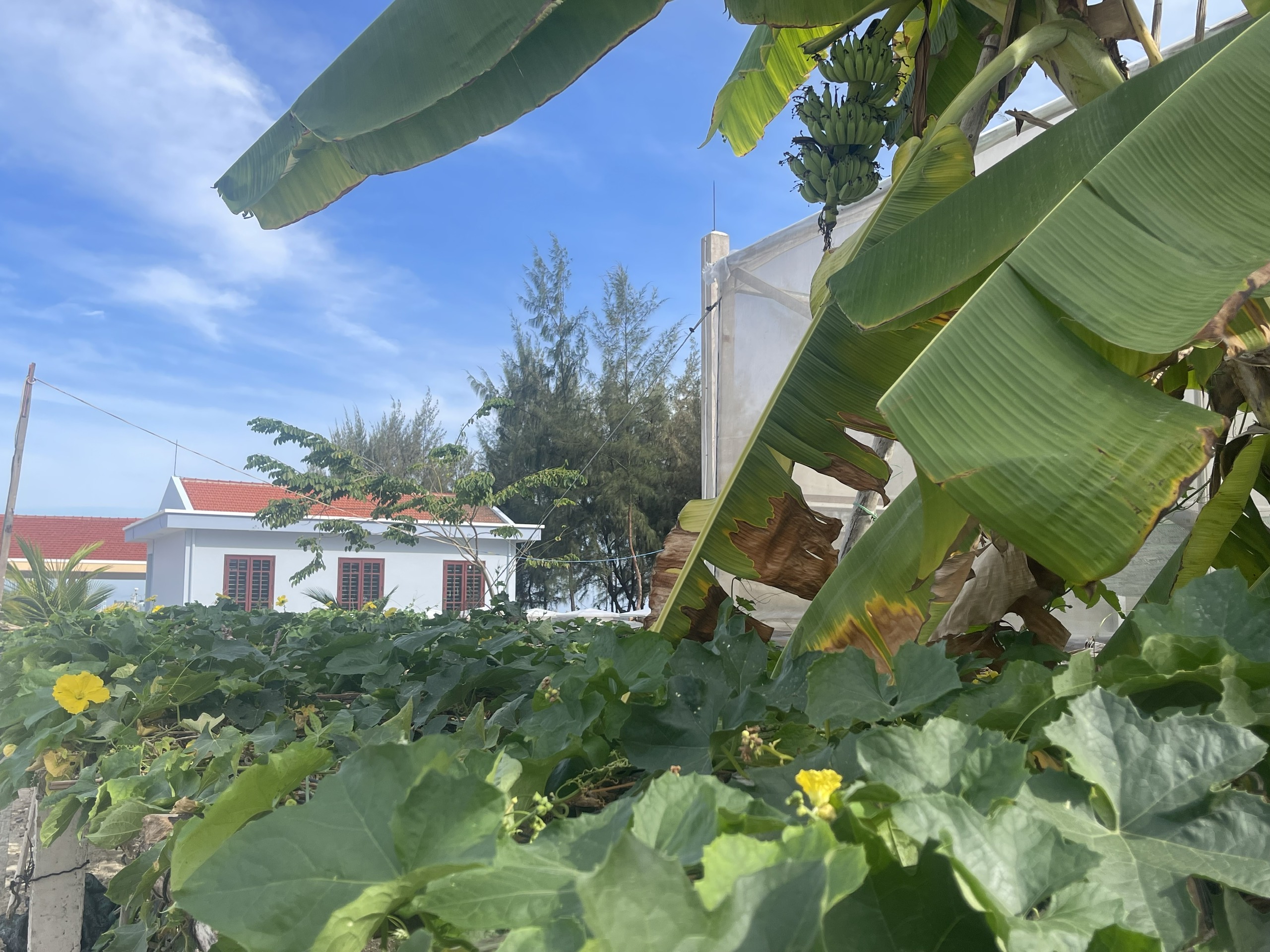
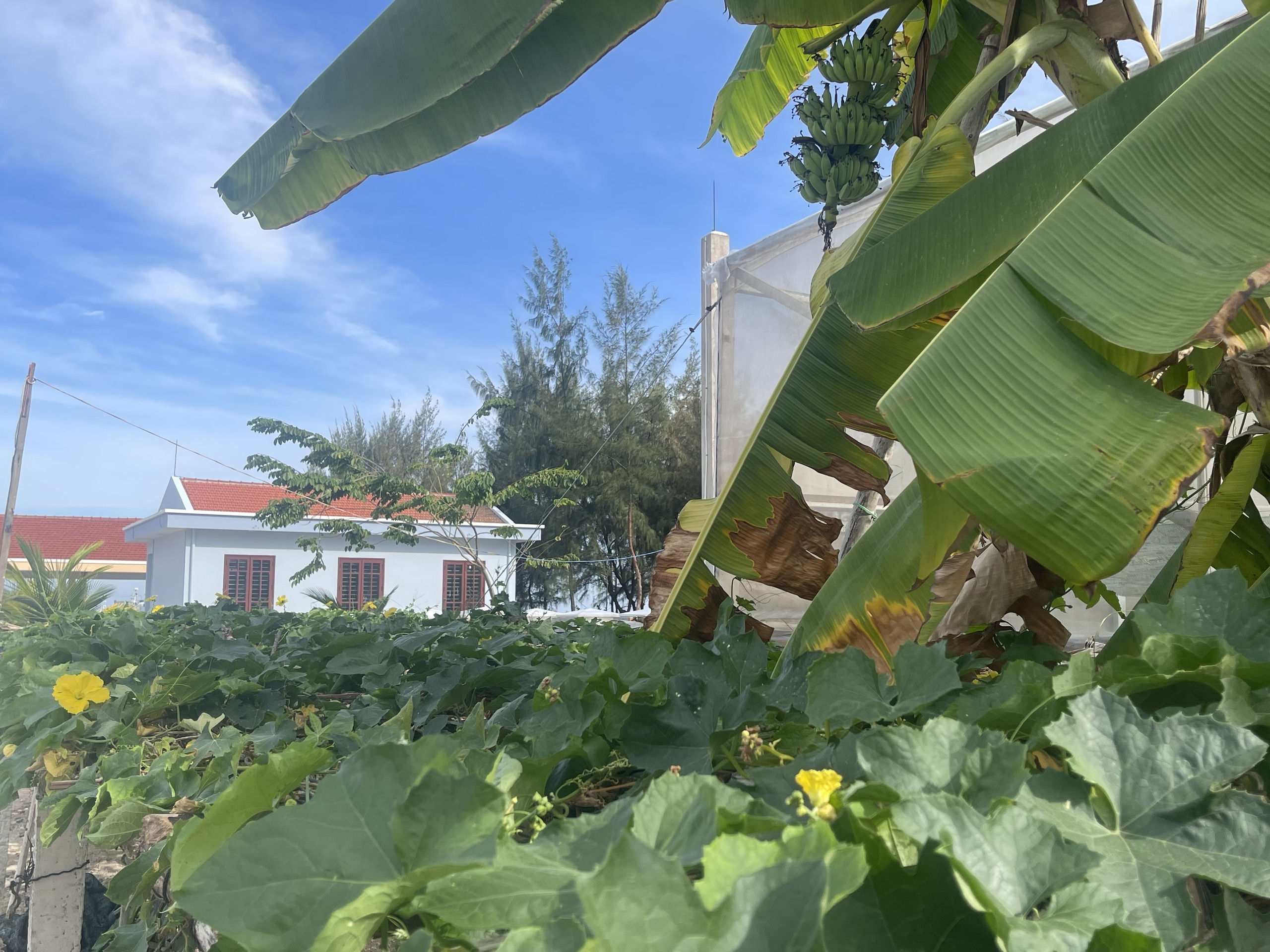
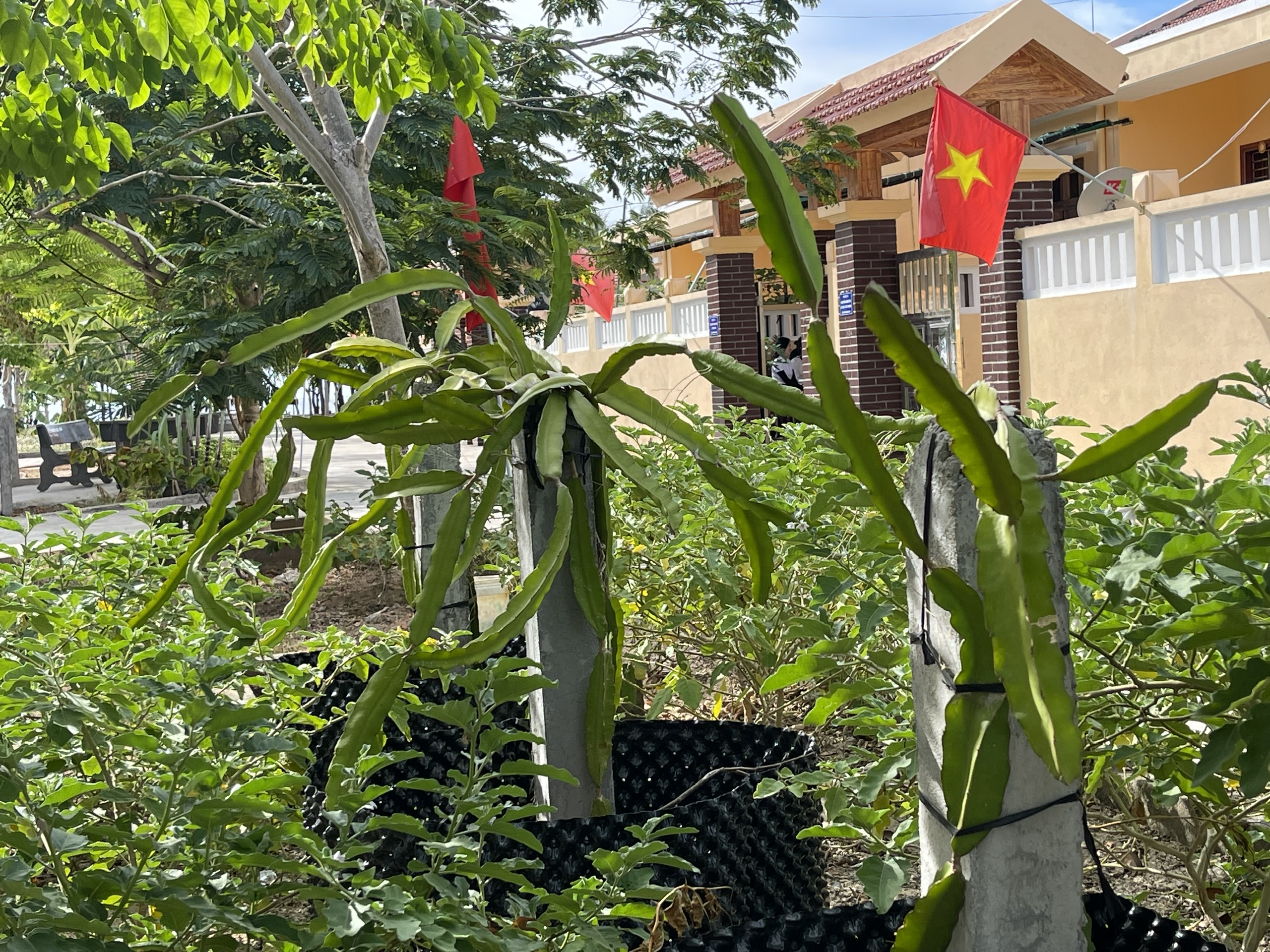
A year before setting foot on the Truong Sa Islands, on these islands which were once nothing but sand and coral rocks, I was amazed by the trellises laden with hanging gourds, the pumpkins and squash replacing sea spinach, and in the distance, the banana trees bearing bunches growing rapidly… Now, arriving at the Truong Sa islands, the resounding crowing of roosters fills us with excitement, making us feel as if our homeland is right before our eyes.
Truong Sa is getting greener every day.
The "Youth for the Homeland's Seas and Islands" journey in 2024 took us to Truong Sa and the DK1 platform. Upon arriving at the island, shady trees guided the journey, children played on their way to school, the sounds of children reciting lessons echoed in the classroom, and in the distance, the peaceful sound of temple bells rang out. Beside the lush green vegetable patches, the sounds of roosters crowing, ducks quacking, and pigs grunting could be heard… a Vietnamese homeland always present amidst the Truong Sa seas and islands.
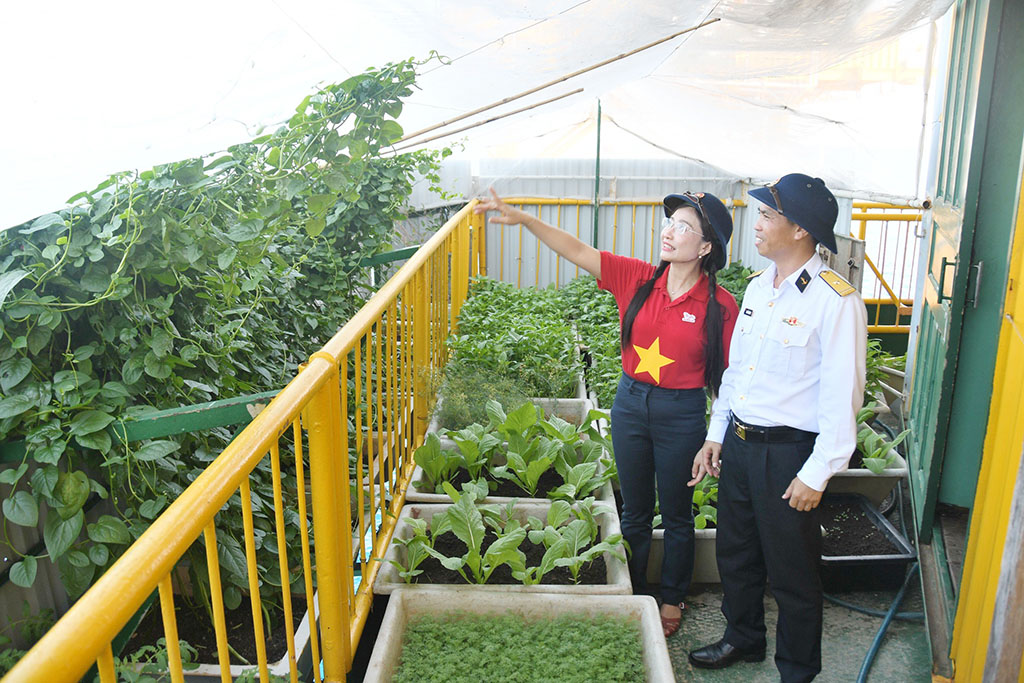
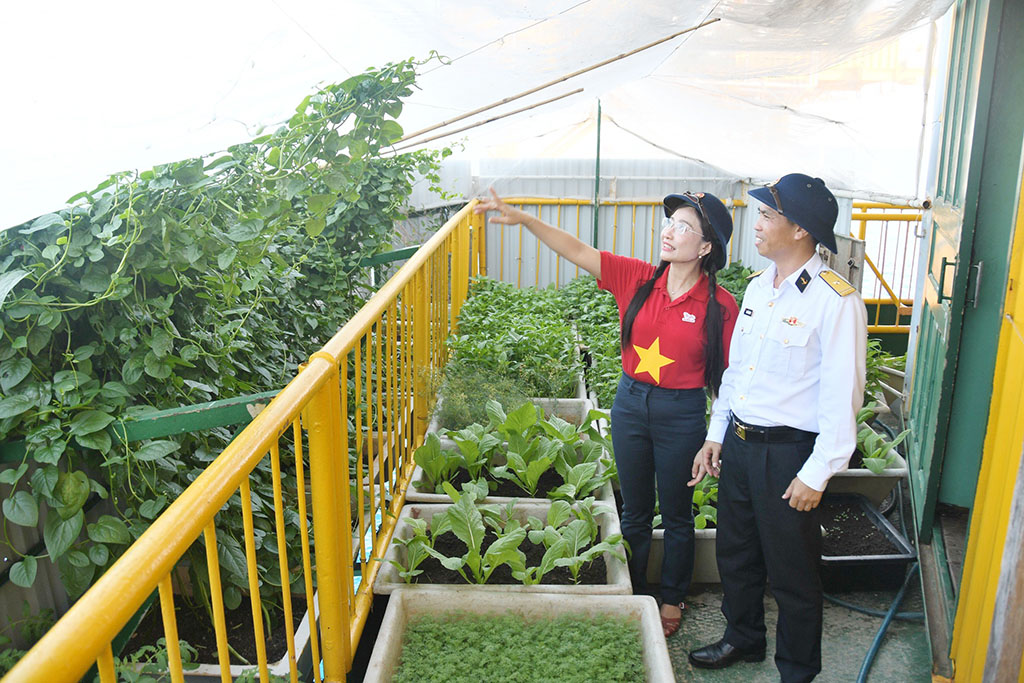
Ms. Nguyen Pham Duy Trang, Secretary of the Central Committee of the Youth Union, President of the Central Council of the Young Pioneers, Deputy Head of the working group, and Head of the "Youth for the Sea and Islands of the Homeland" journey in 2024, visited the vegetable garden at the DK1/8 offshore platform.
QUEEN
Just a year ago, and now, seeing them again, I find Truong Sa greener every day. Last year, the officers and soldiers jokingly boasted that their skin didn't get tanned because of the cool shade of trees everywhere. This year, they wittily said that even though the weather is extremely hot, they can still eat the vegetables they grow comfortably, and even use them in hot pot. That's them; despite facing many difficulties and harsh natural conditions, they are always cheerful, humorous, and full of determination. Similarly, no matter how dry, barren, or harsh the conditions, the vibrant green always remains in the sun-drenched and windy Truong Sa.
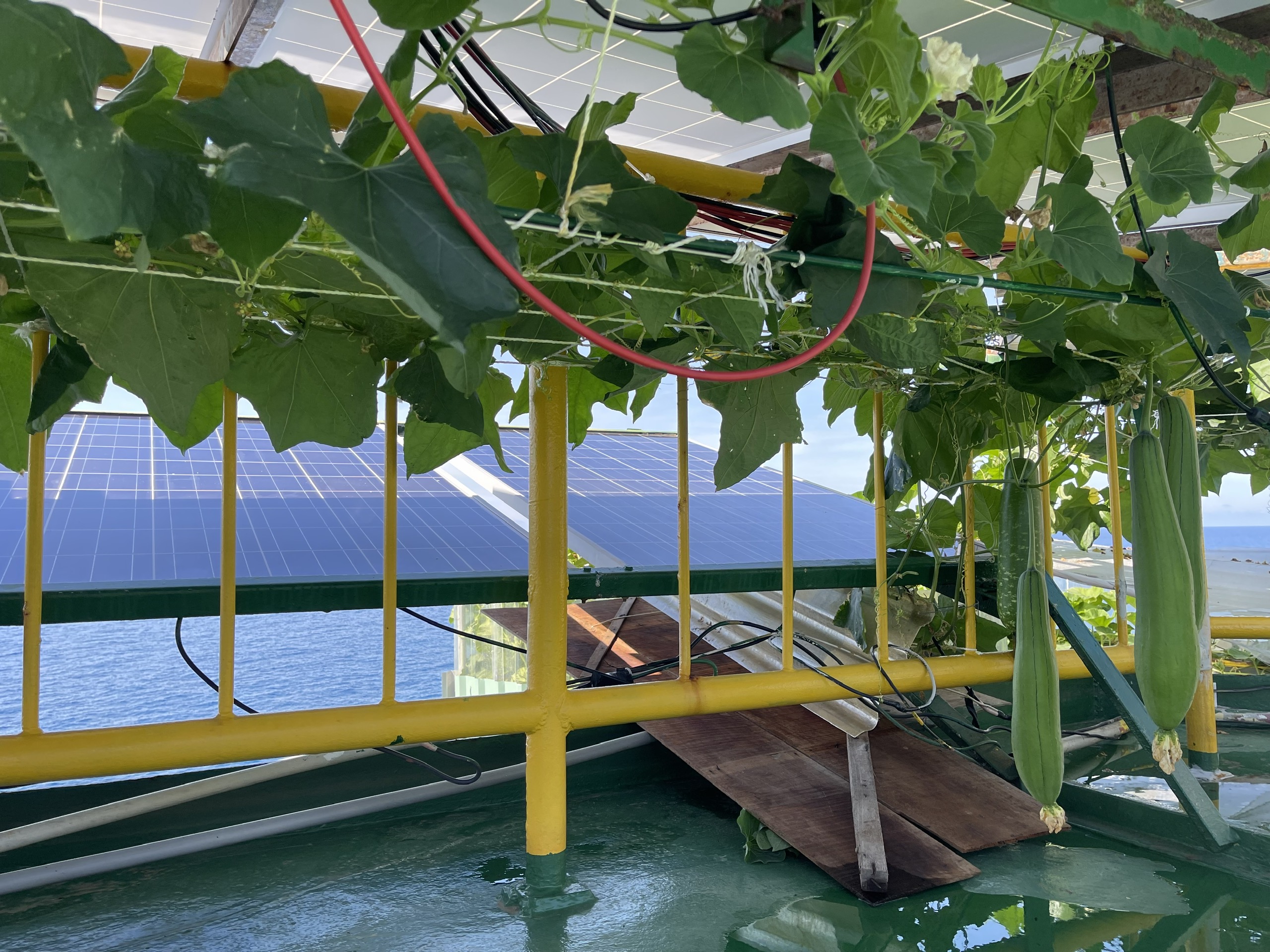
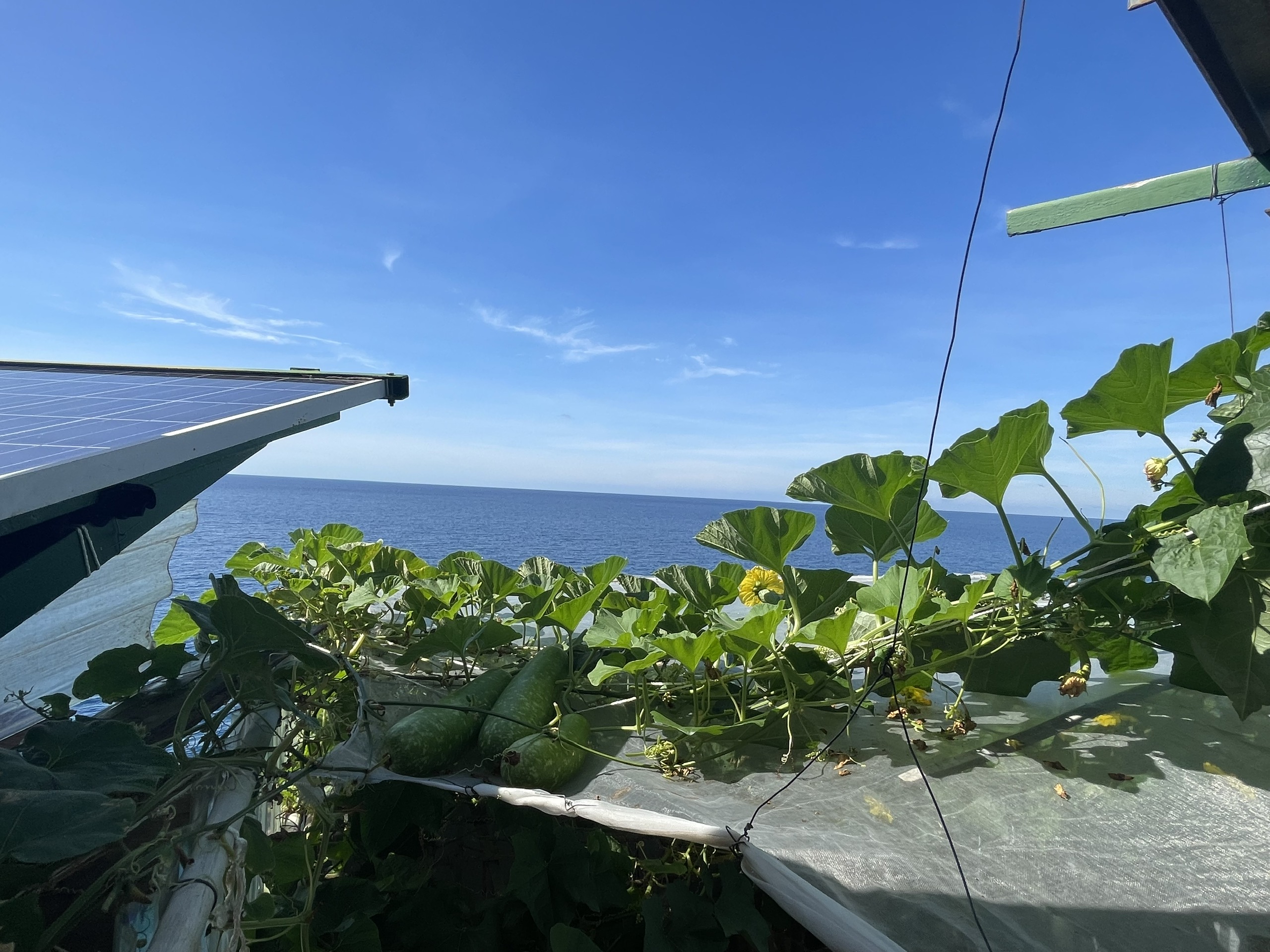
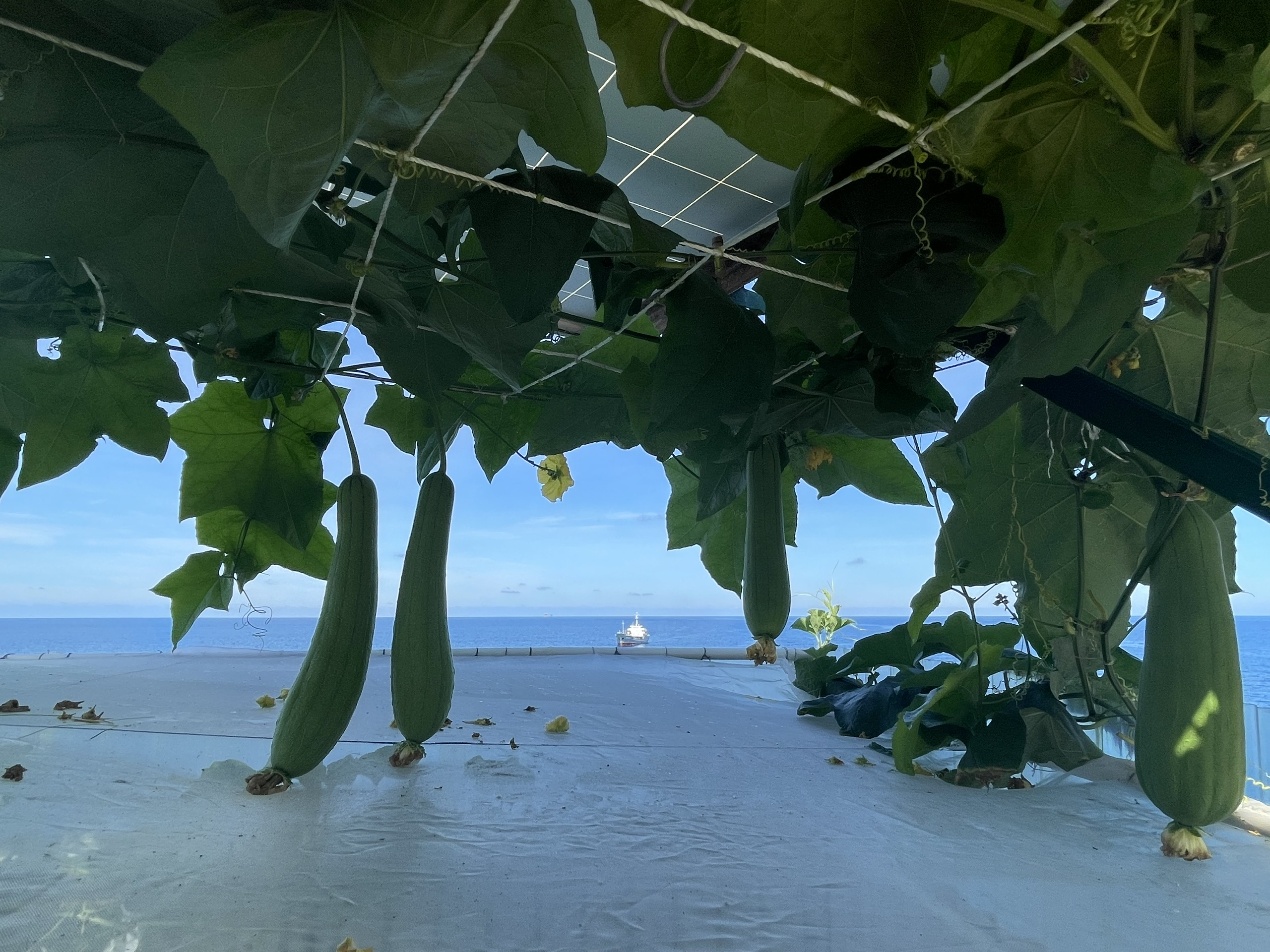
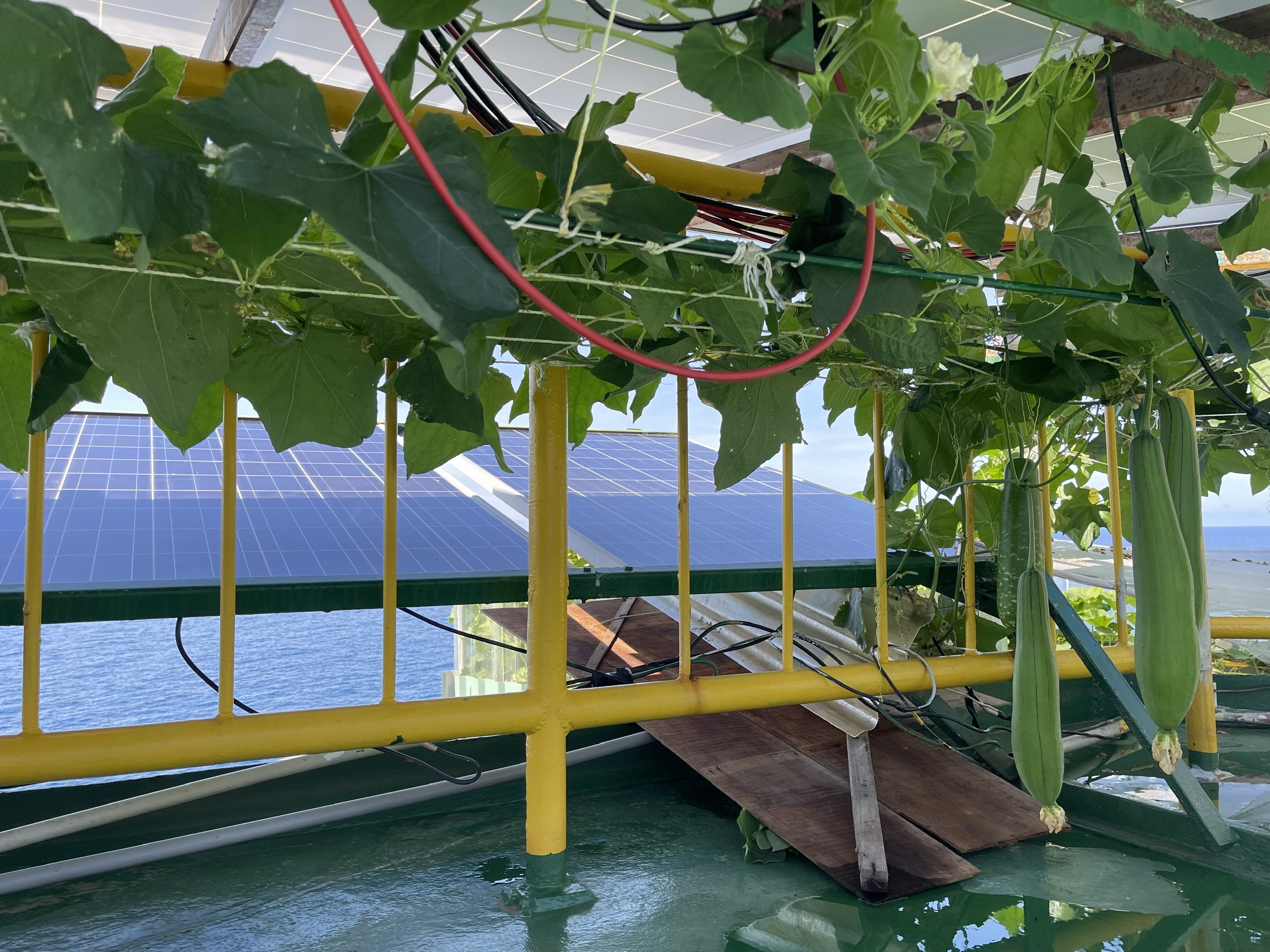
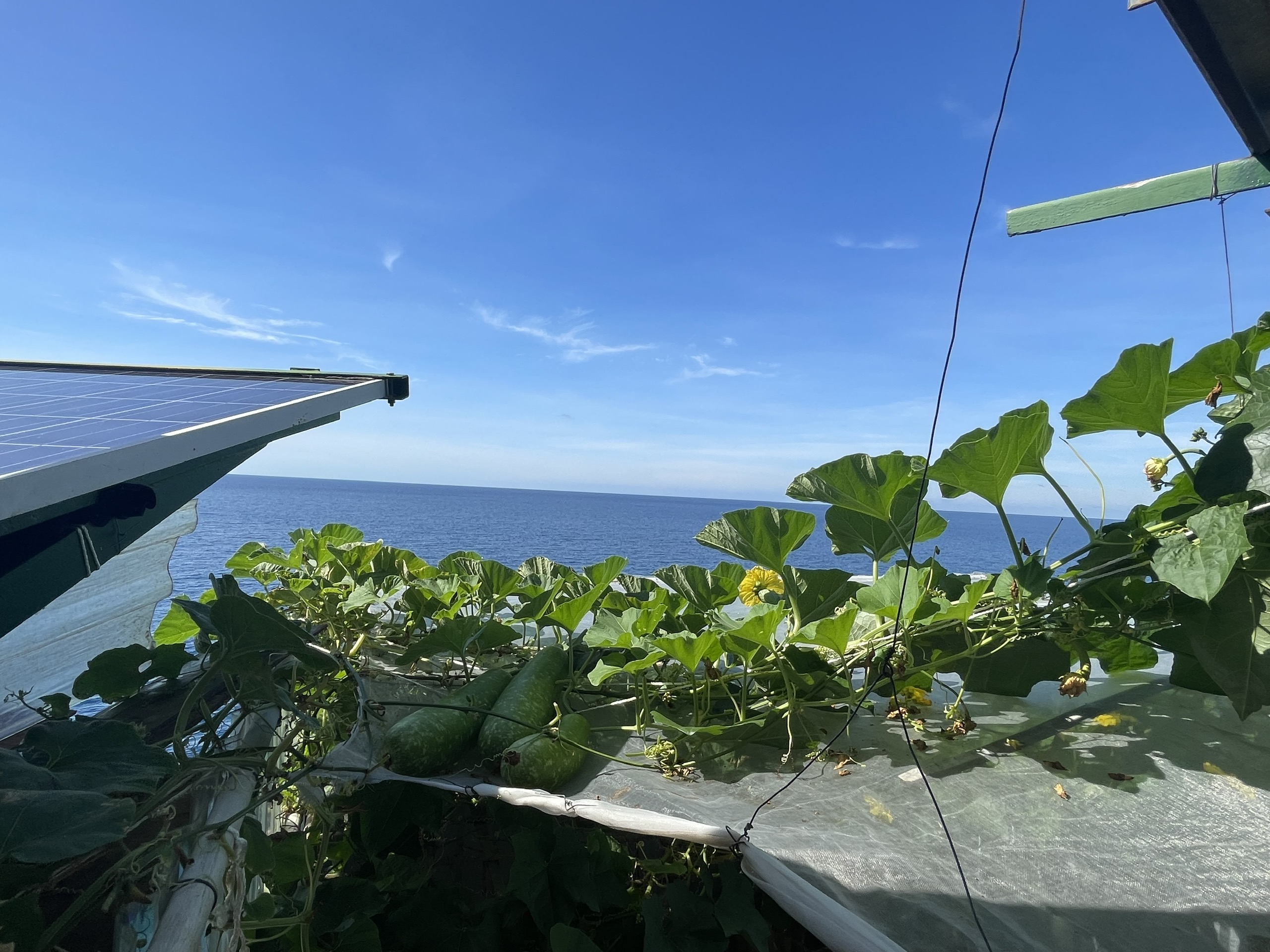
Gourds and loofahs hang precariously in places where they never touch the ground - DK1/8 offshore platform.
QUEEN
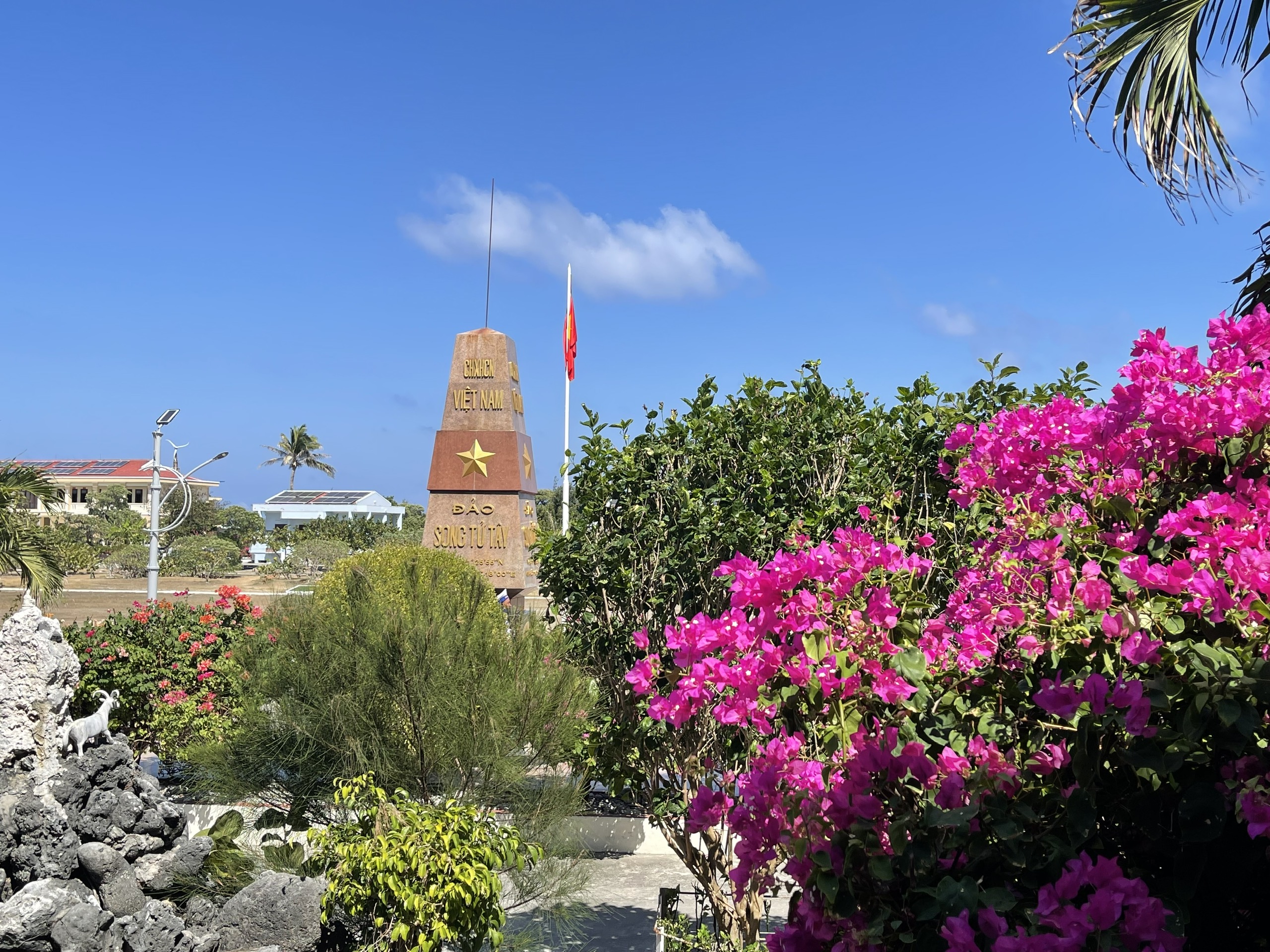
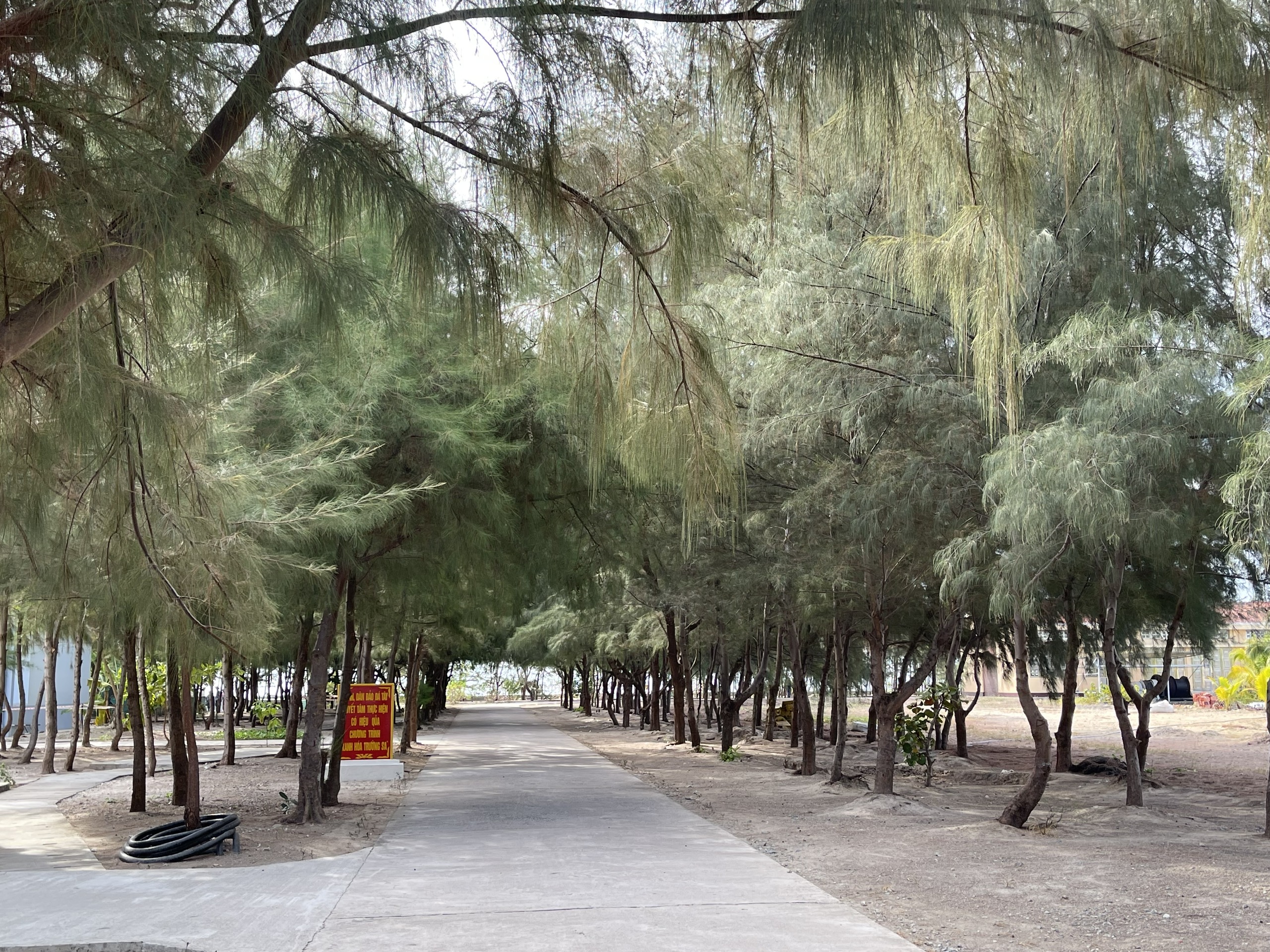
The lush greenery on Song Tu Tay Island today amazed all members of the expedition. But it's hard to imagine that just two years ago, a major storm knocked down over 95% of the trees on the island. Lieutenant Colonel Nguyen Van Khuong, Political Officer of Song Tu Tay Island, recounted how, to overcome the storm's aftermath, officers and soldiers resolutely and diligently re-erected each fallen tree, adding support poles to ensure the trees were strong and sturdy again. In addition, they planted new trees, diligently cared for them, and improved the soil and nutrients to promote healthy growth. "With such strong determination, within about a year and a half, the trees have basically recovered, providing shade and ensuring a cool, fresh living environment for the people, officers, and soldiers on the island," Lieutenant Colonel Nguyen Van Khuong shared.
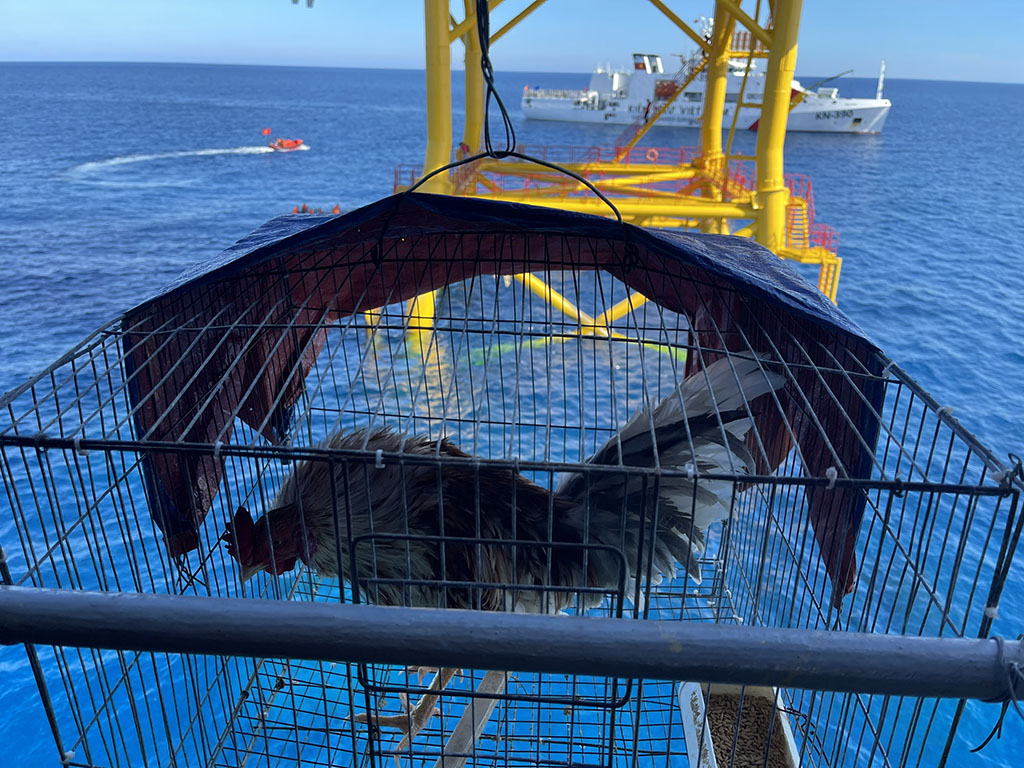
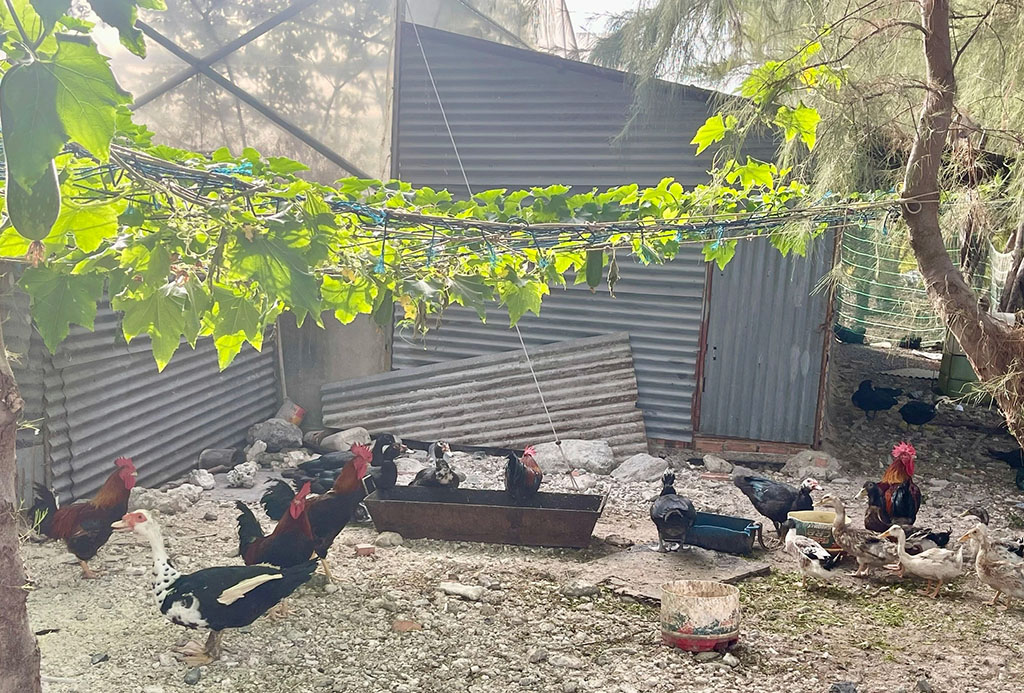
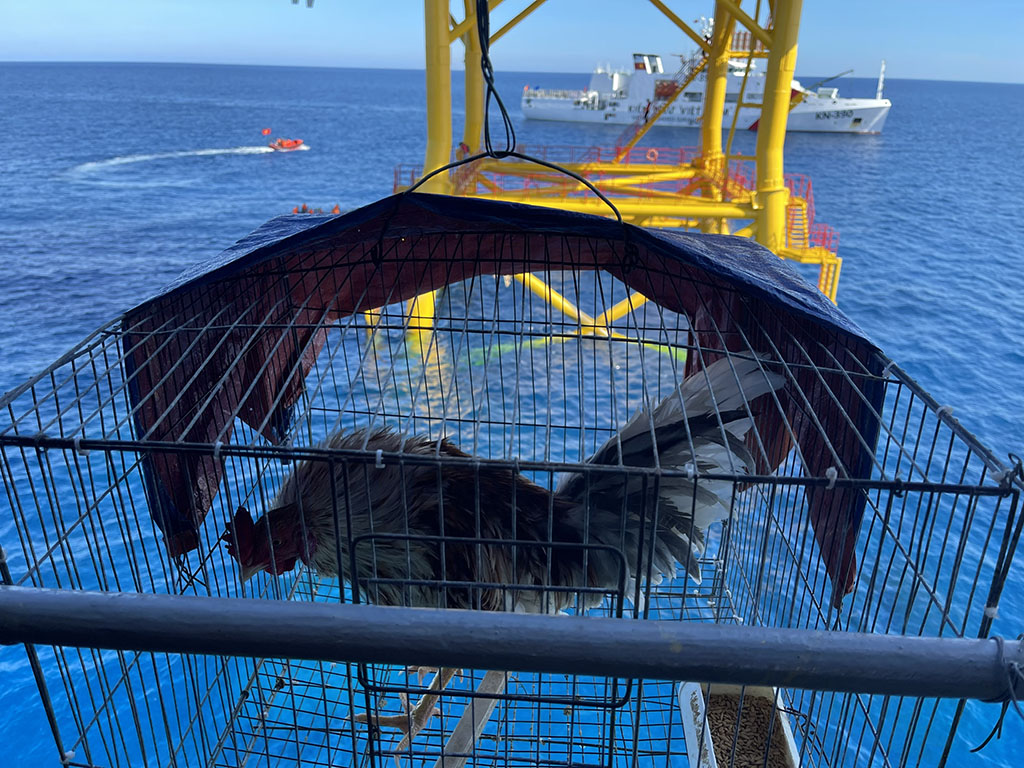
The sound of roosters crowing echoed across the DK1/8 offshore platform.
QUEEN
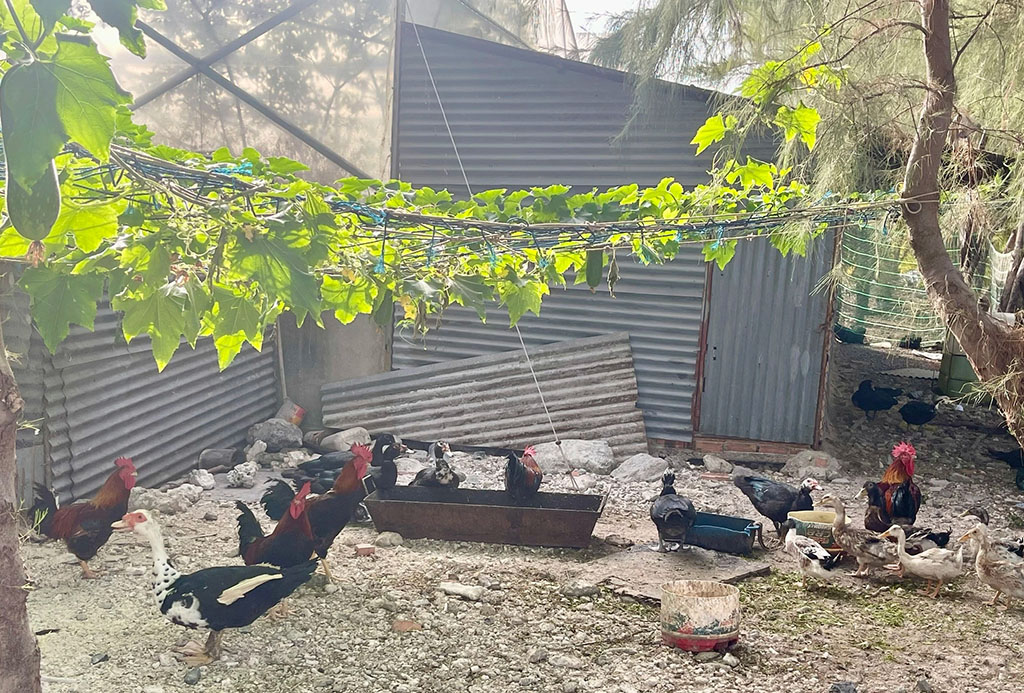
Chickens and ducks on Da Tay A Island
QUEEN
Familiar images of home from the Truong Sa islands.
QUEEN
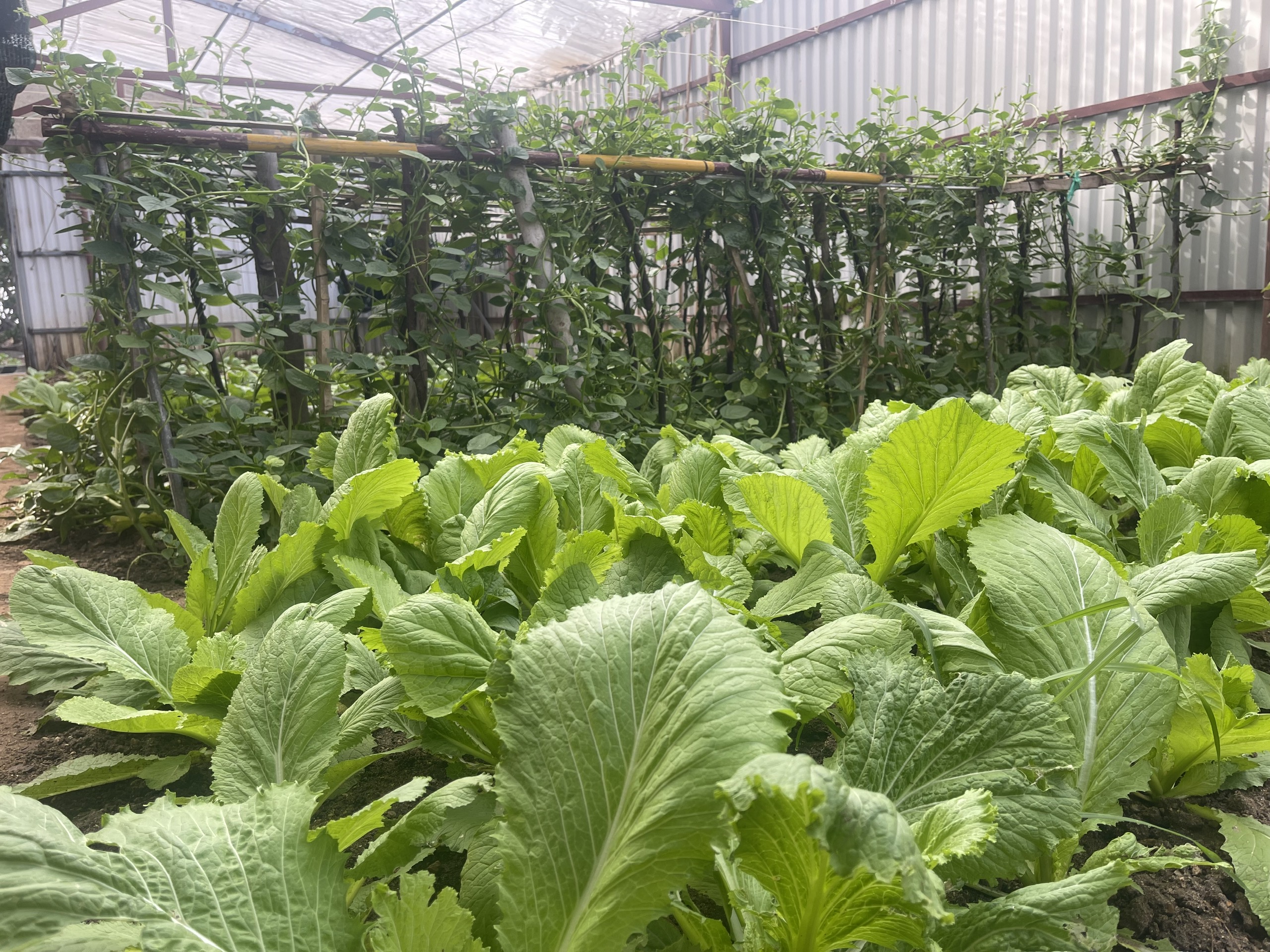
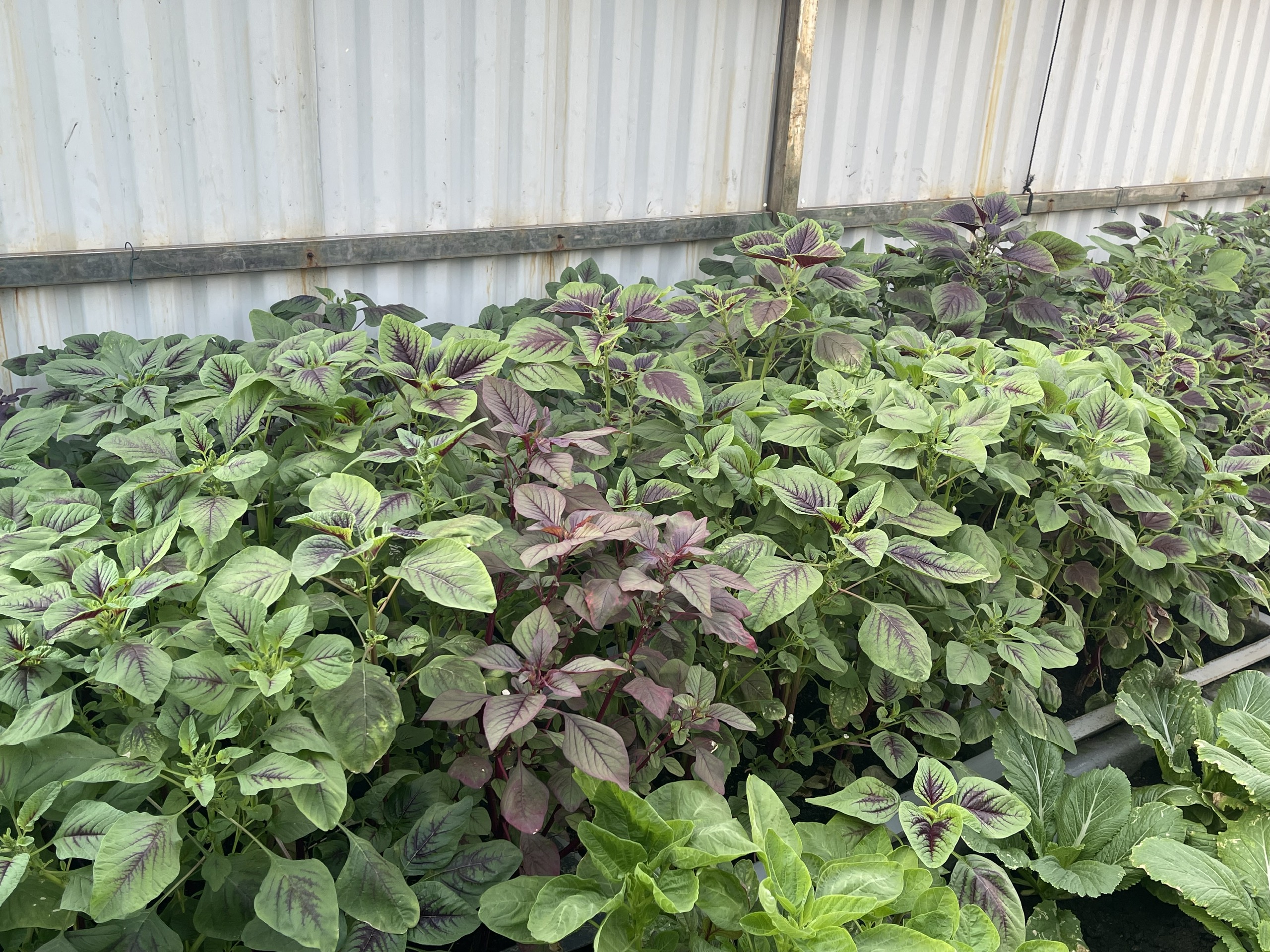
We arrived on the island at the end of April, but the officers and soldiers there said that it hadn't rained since Tet (Lunar New Year). With the harsh weather, the determination and will of the soldiers and civilians here were even stronger. One soldier said: "It's really difficult to plant this season because it hasn't rained for a long time. But it's difficult, not impossible." I asked: "So, is it easier to plant in the rainy season?" The soldier replied: "It's also difficult in the rainy season because the vegetables are easily damaged and ruined, plus the waves and wind bring in saltwater." "So, which season is best?" I wondered. The soldier laughed and jokingly said: "The season… when we return to the mainland." Although every season on the island presents many difficulties, those of us who come from the mainland are amazed and admire the lush green vegetables and the fruit trees that bear larger, more abundant fruit than when grown on the mainland.
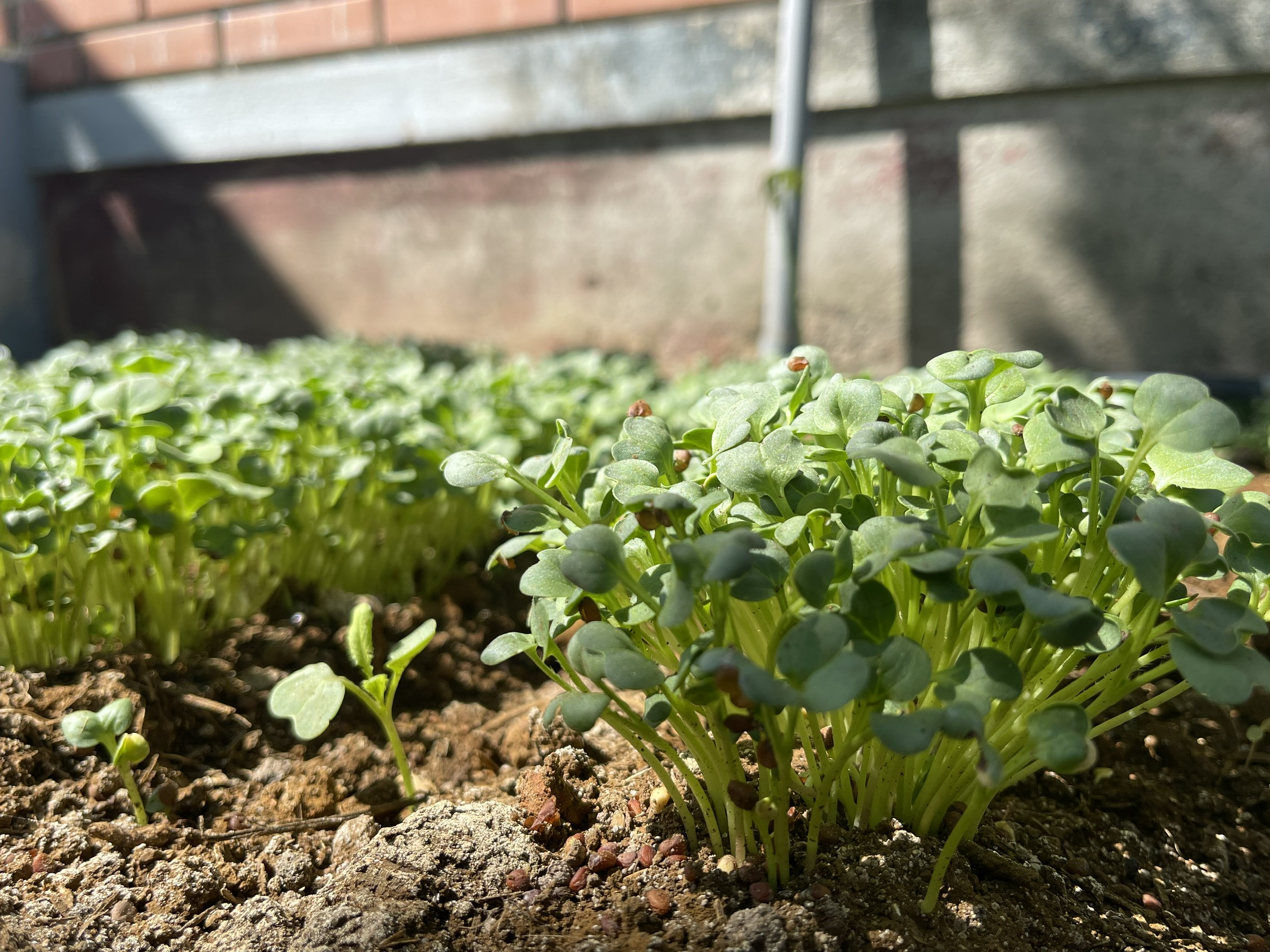
Every day, new green shoots sprout on the island.
QUEEN
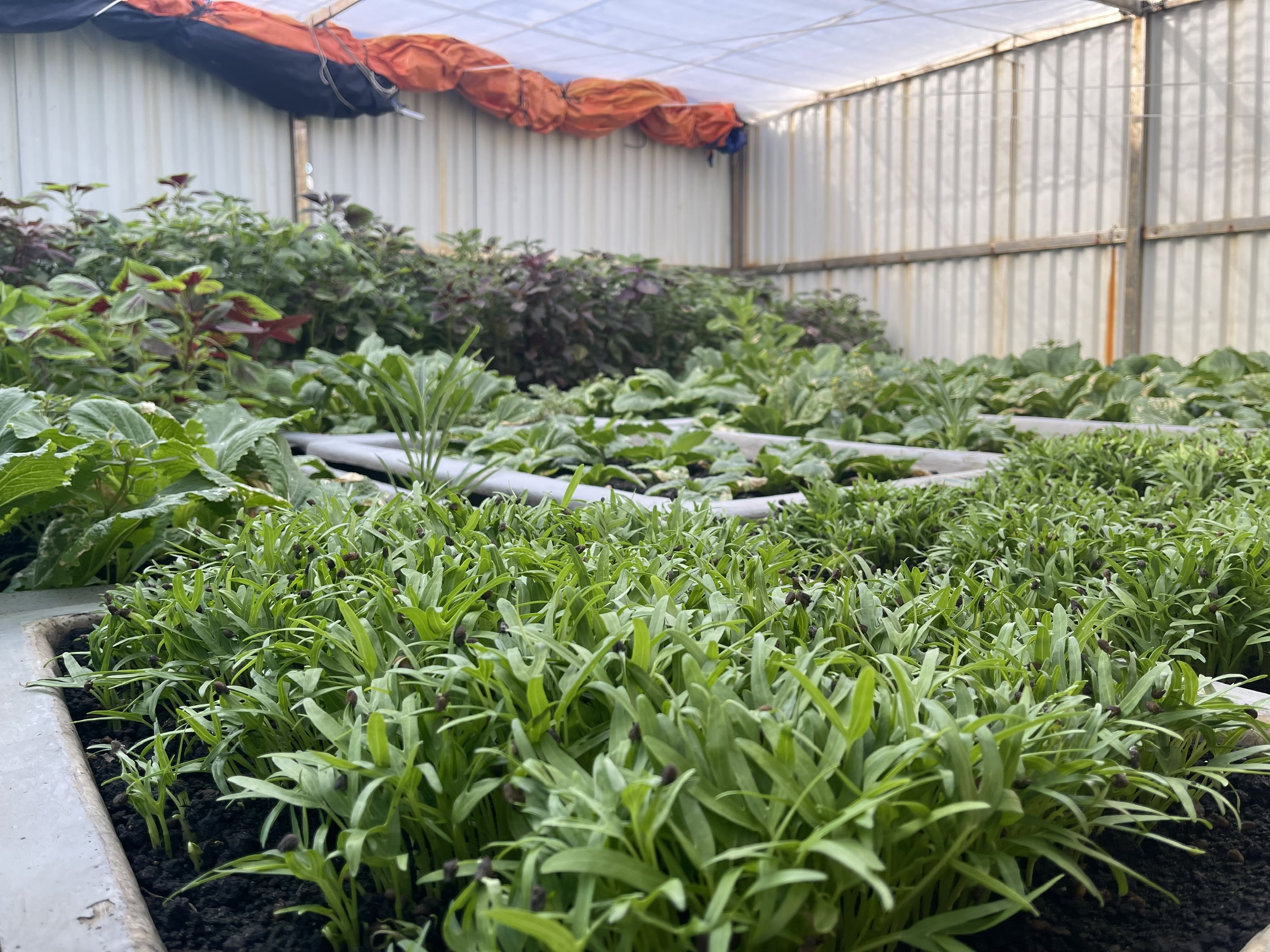
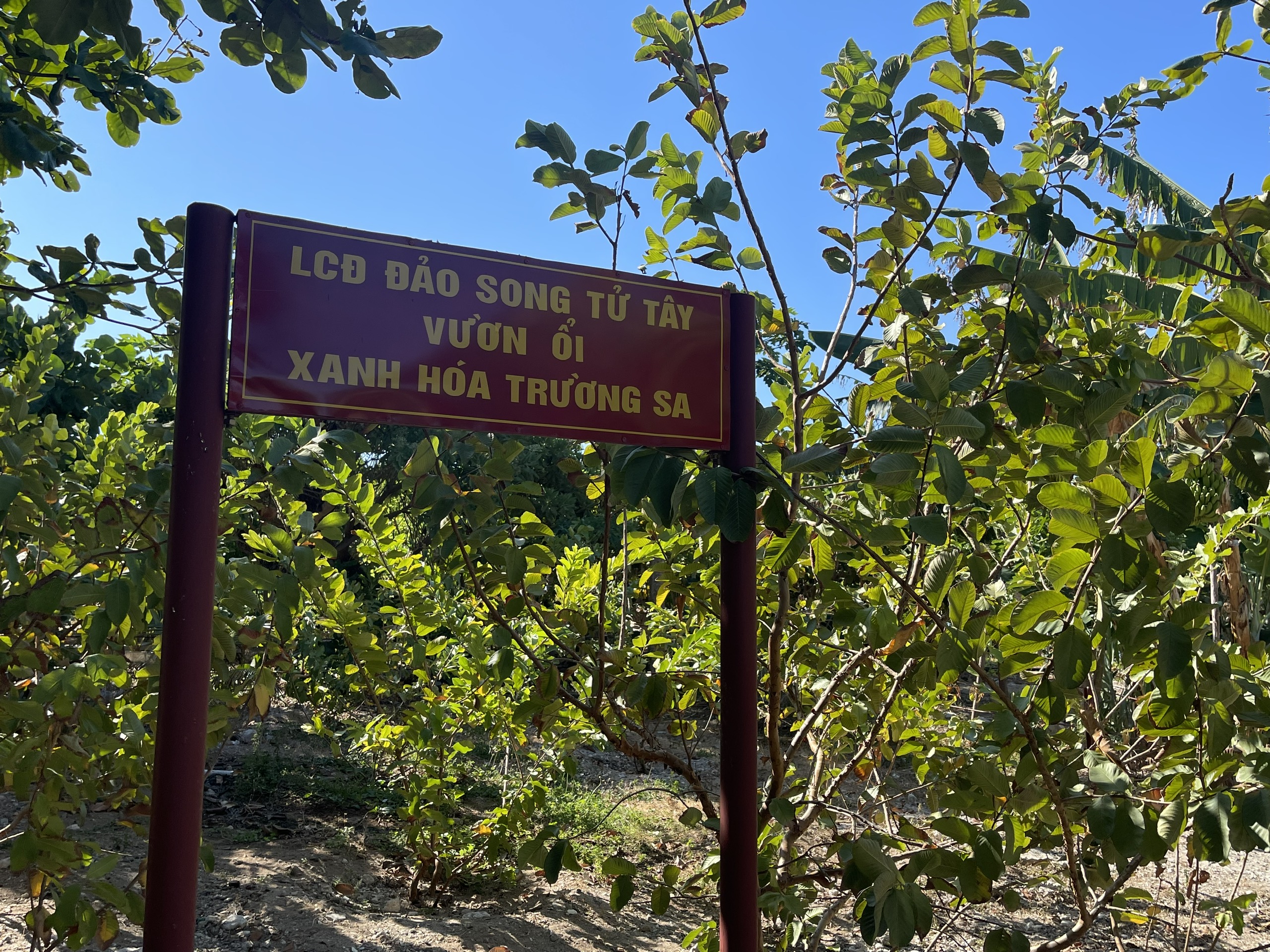
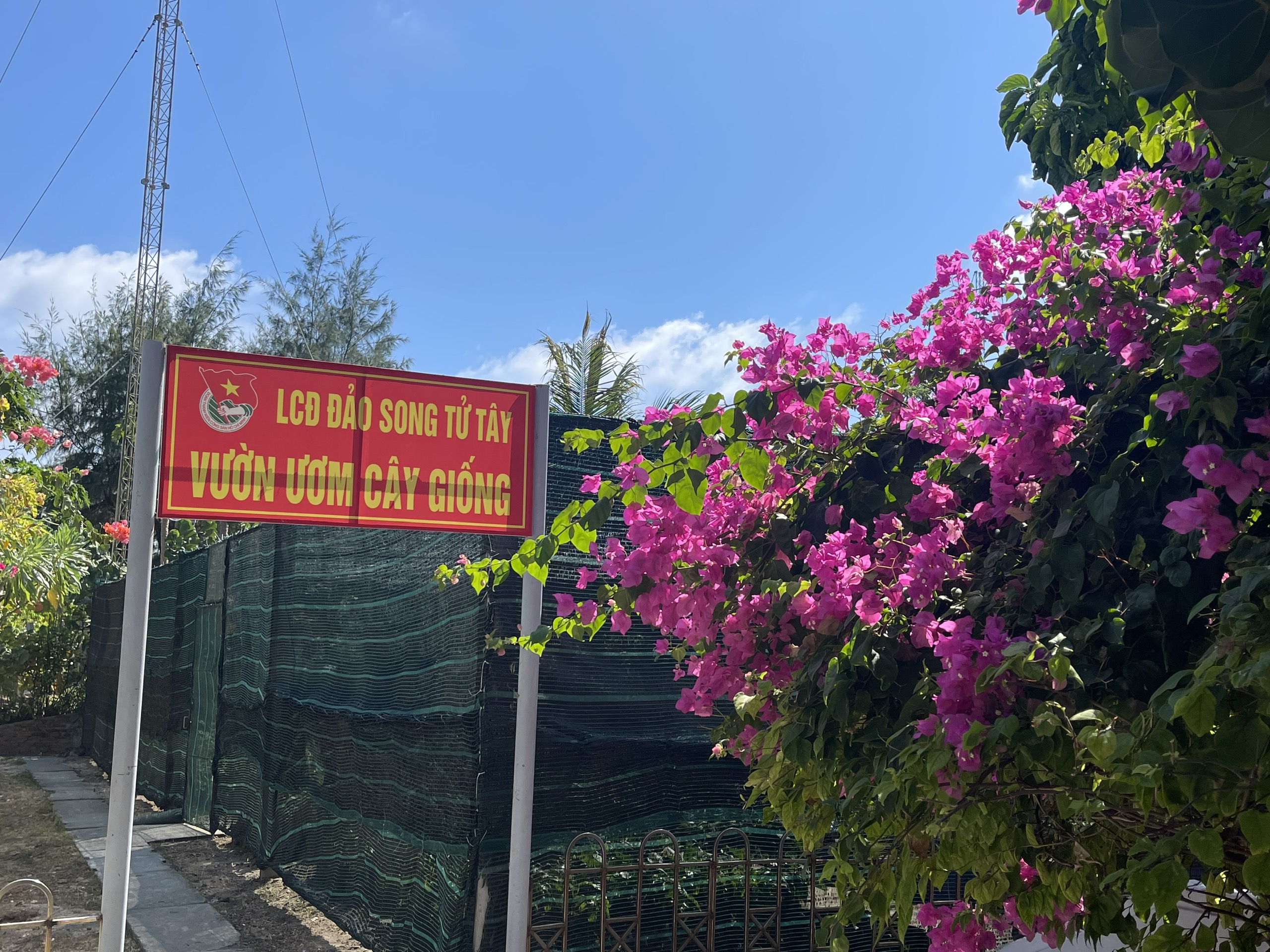
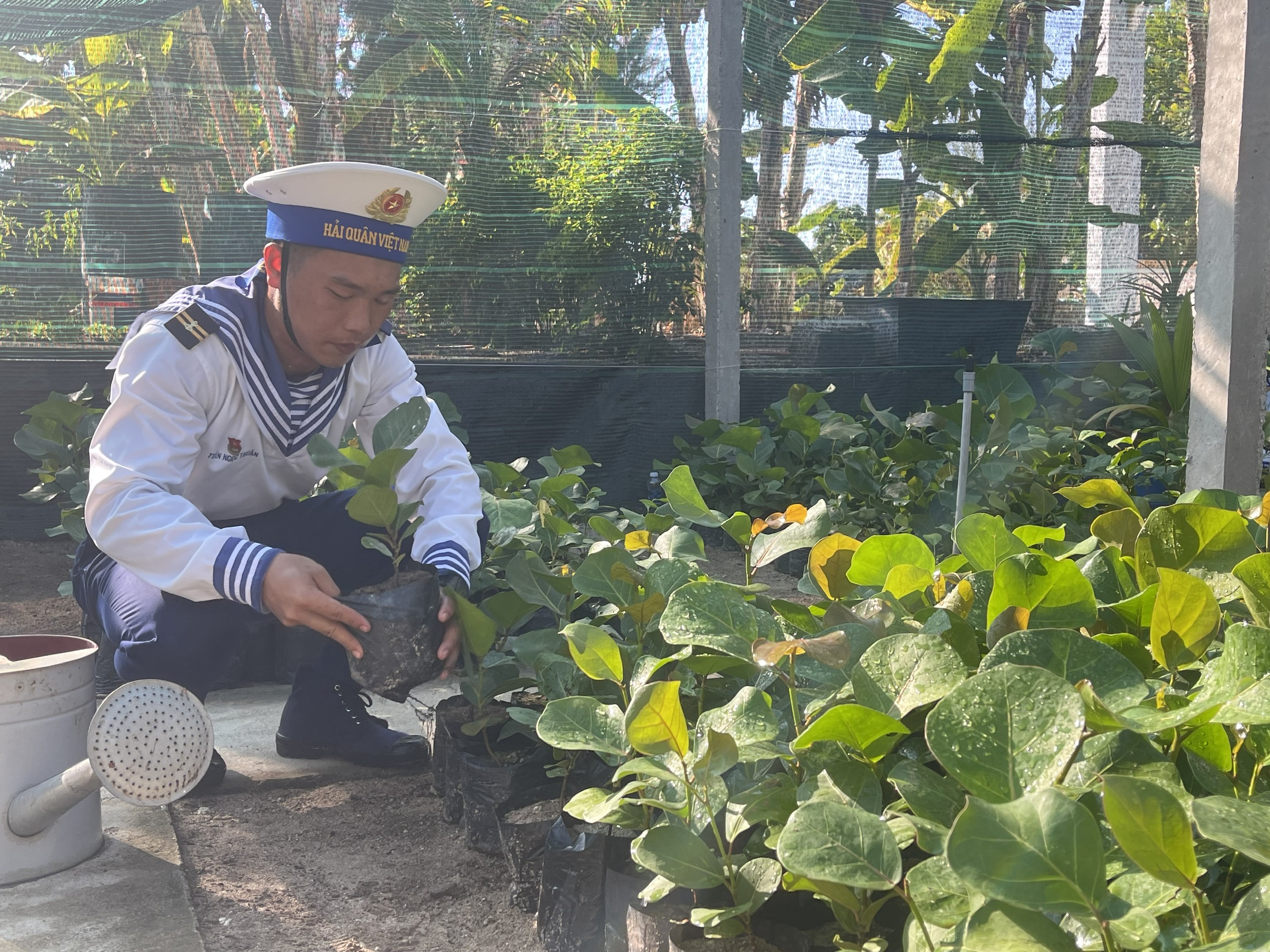
Ms. Dinh Thi My Thao, a resident of Song Tu Tay Island, recounted: "This month is too sunny, making it a bit harder to grow vegetables, but we still have enough to eat. If we grow too much, we share it with the soldiers, and if they have extra, they share it with the people. Here, they grow many kinds of vegetables like water spinach, mustard greens, white radishes, gourds, pumpkins, and even fruit trees…" Then Ms. Thao boasted: "Life here is harmonious, and with so many trees, it's very cool." Not only do they overcome the harsh weather conditions, but the officers and soldiers here have also become… agricultural scientists, conducting their own research to cultivate new plant varieties. On Song Tu Tay Island, every afternoon, a team goes to collect casuarina fruit, sifts it out, separates it, and then takes the seeds to the nursery. But everyone pays attention to the characteristics of each type of plant to overcome any obstacles. For example, with casuarina trees, they have to collect the fruit before 5 PM so that it doesn't turn dark. According to the soldiers, if the fruit turns dark, it means the seeds have split open and fallen to the ground, making them ineffective for planting.
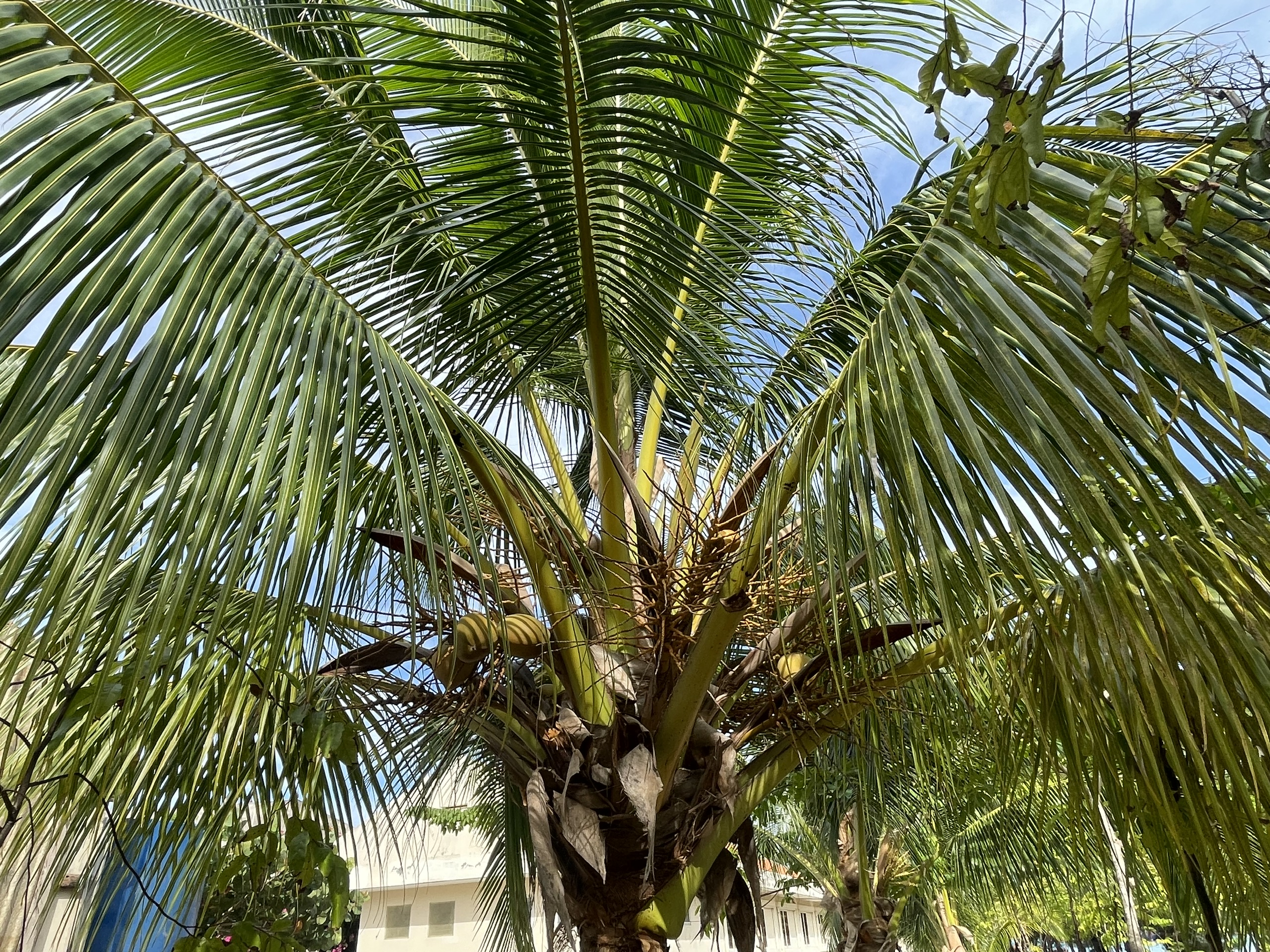
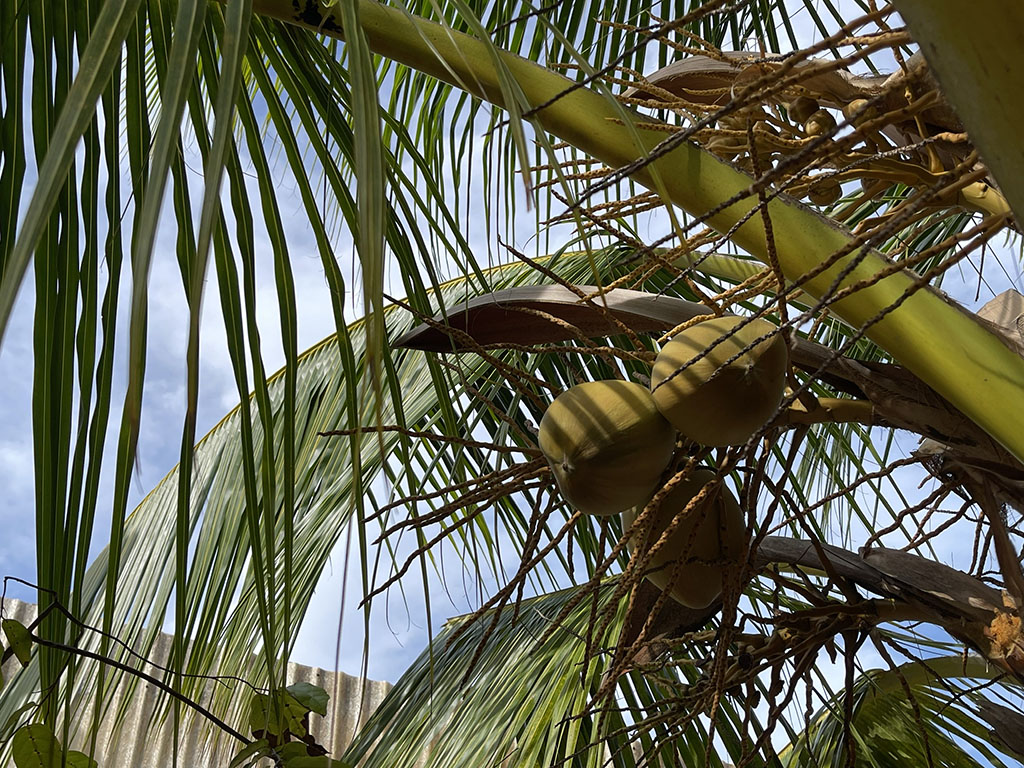
These coconut trees, a symbol of affection sent from the mainland to the islands of Truong Sa, have been nurtured by the officers and soldiers, and now their sweet fruits are bearing fruit.
QUEEN
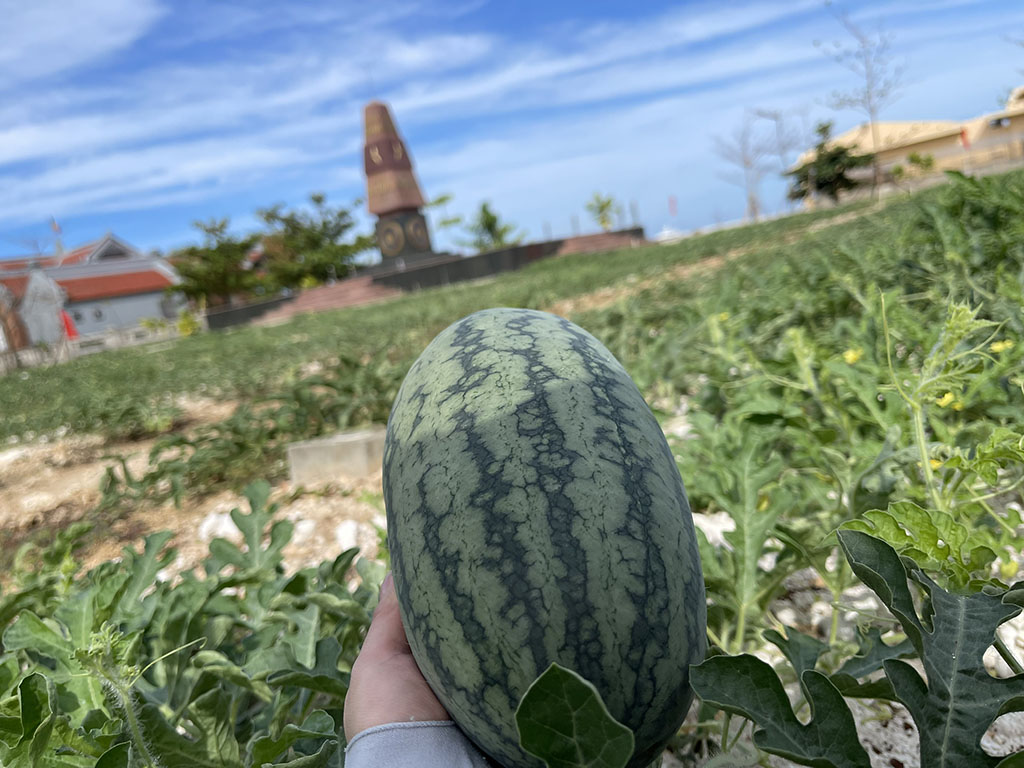
Watermelons on the island
QUEEN G
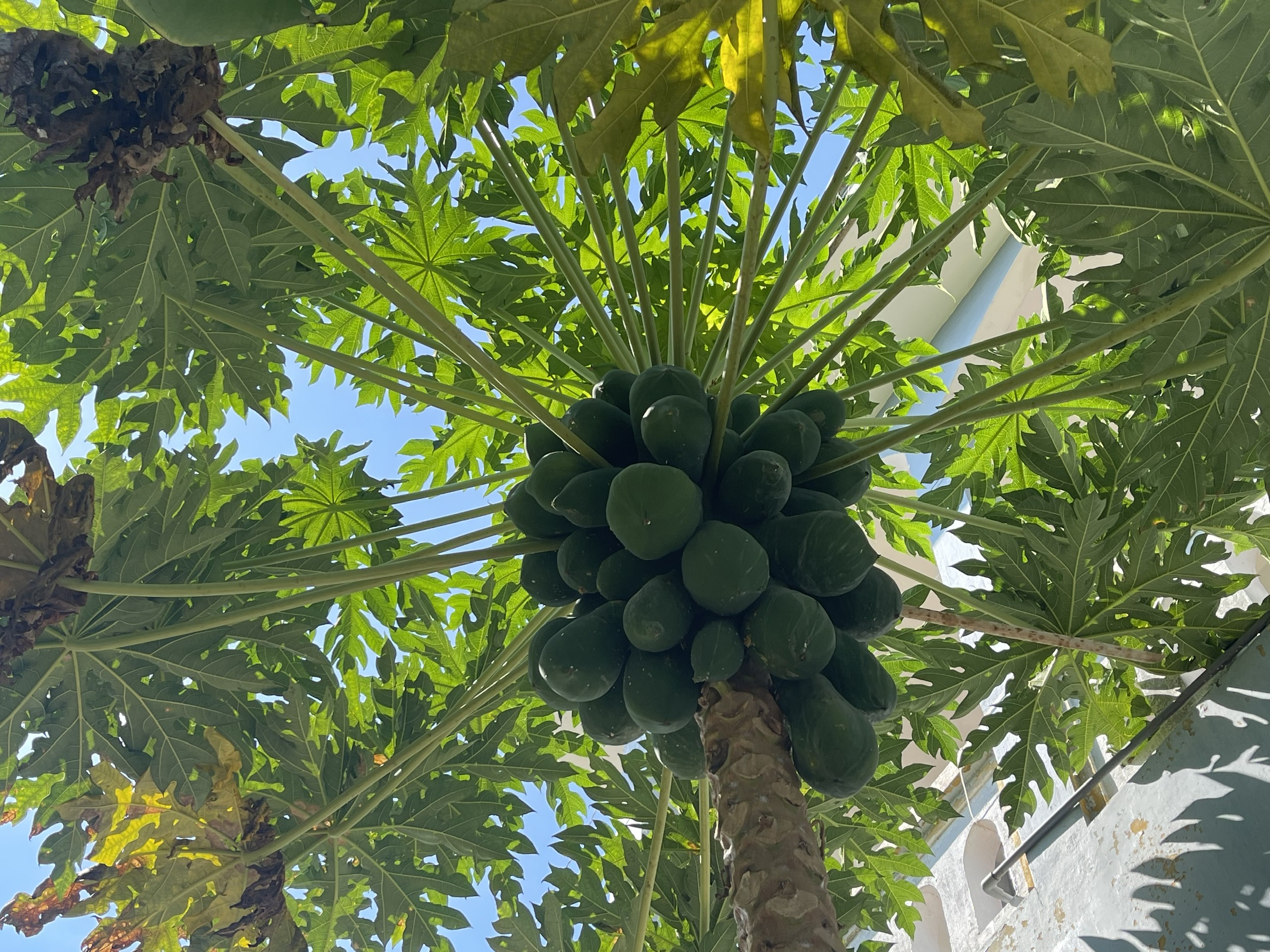
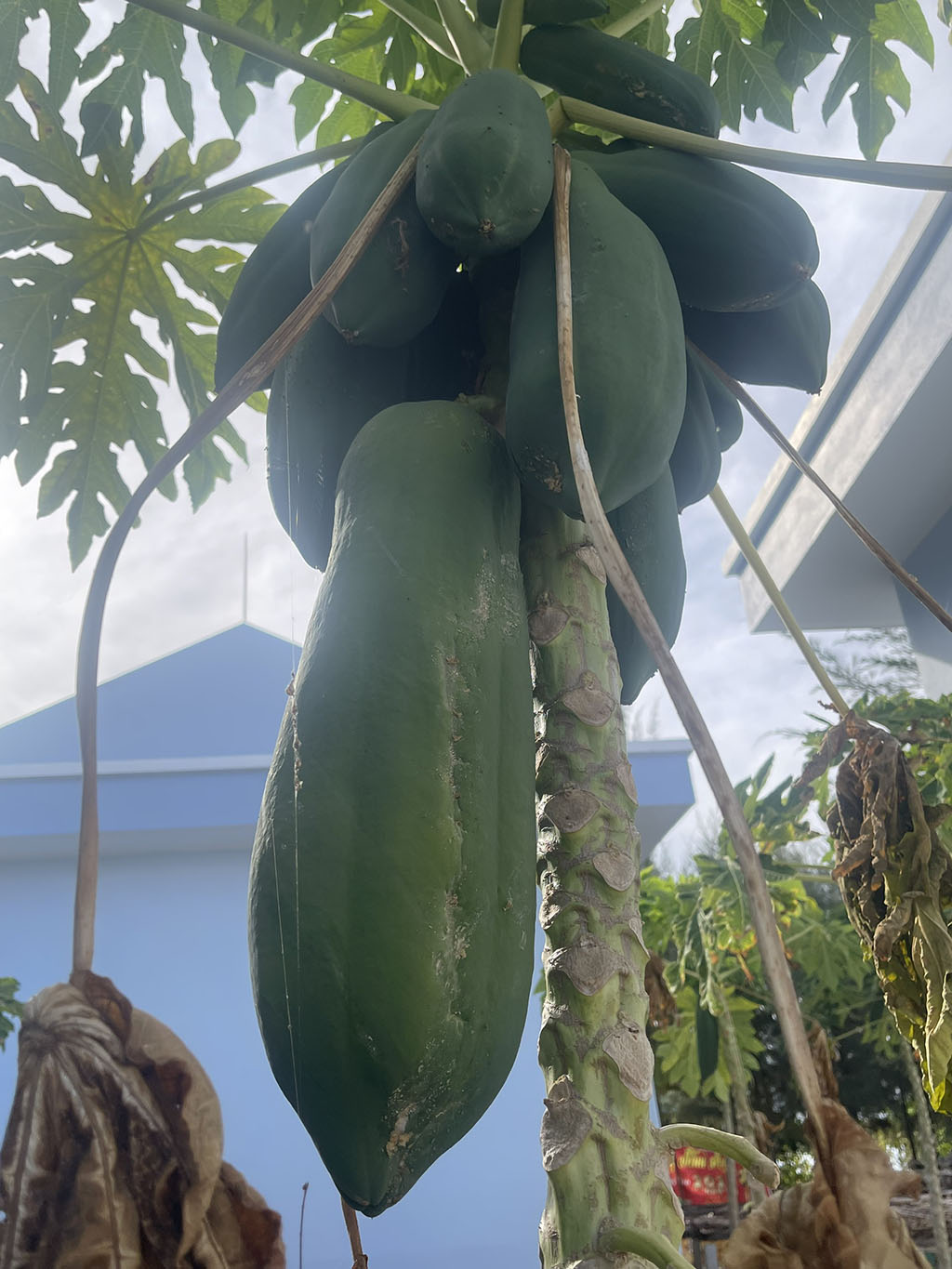
Fruit trees stand tall against the sun and wind of Truong Sa.
QUEEN
Remain steadfast in your commitment to the sea and islands.
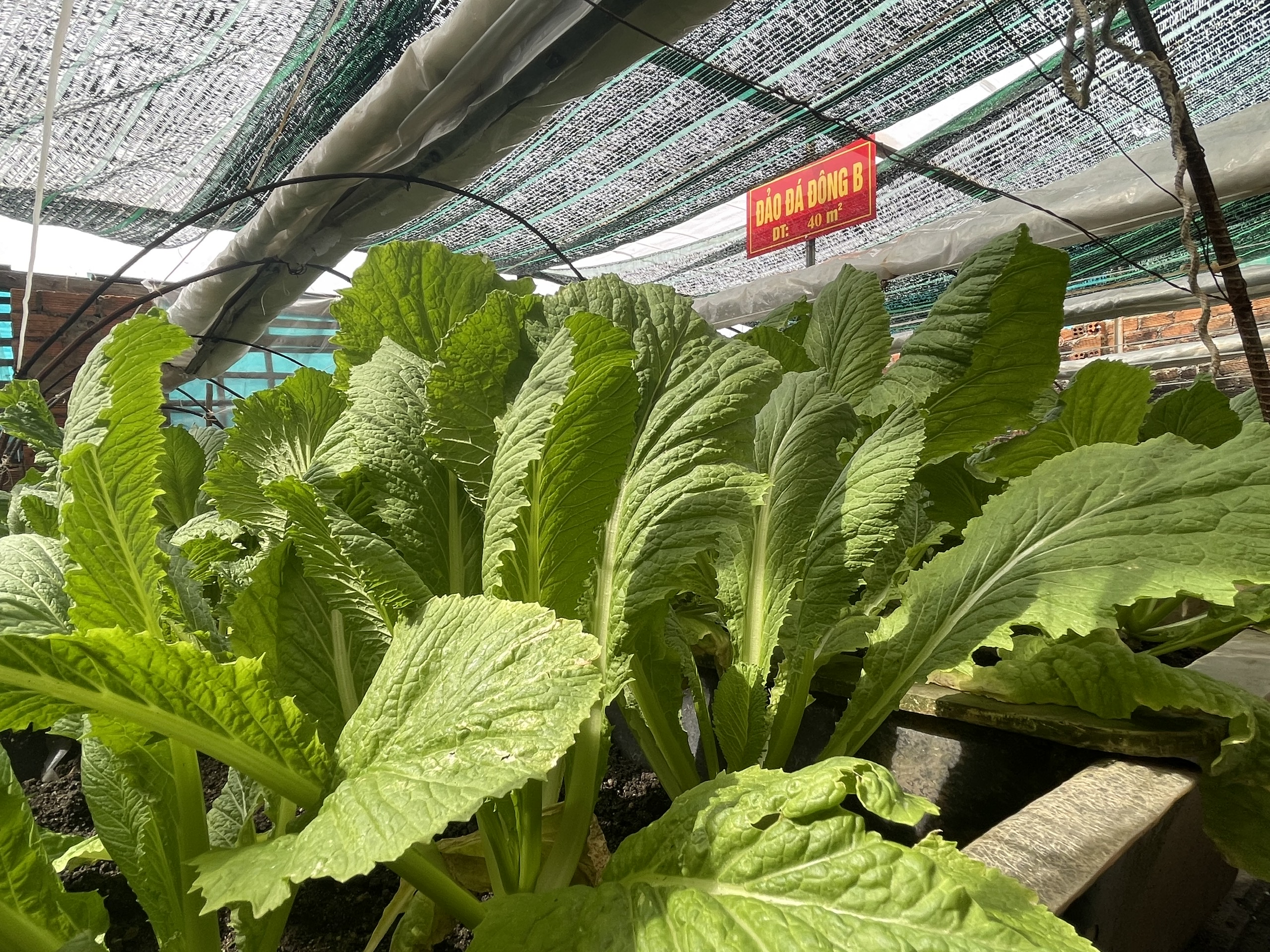
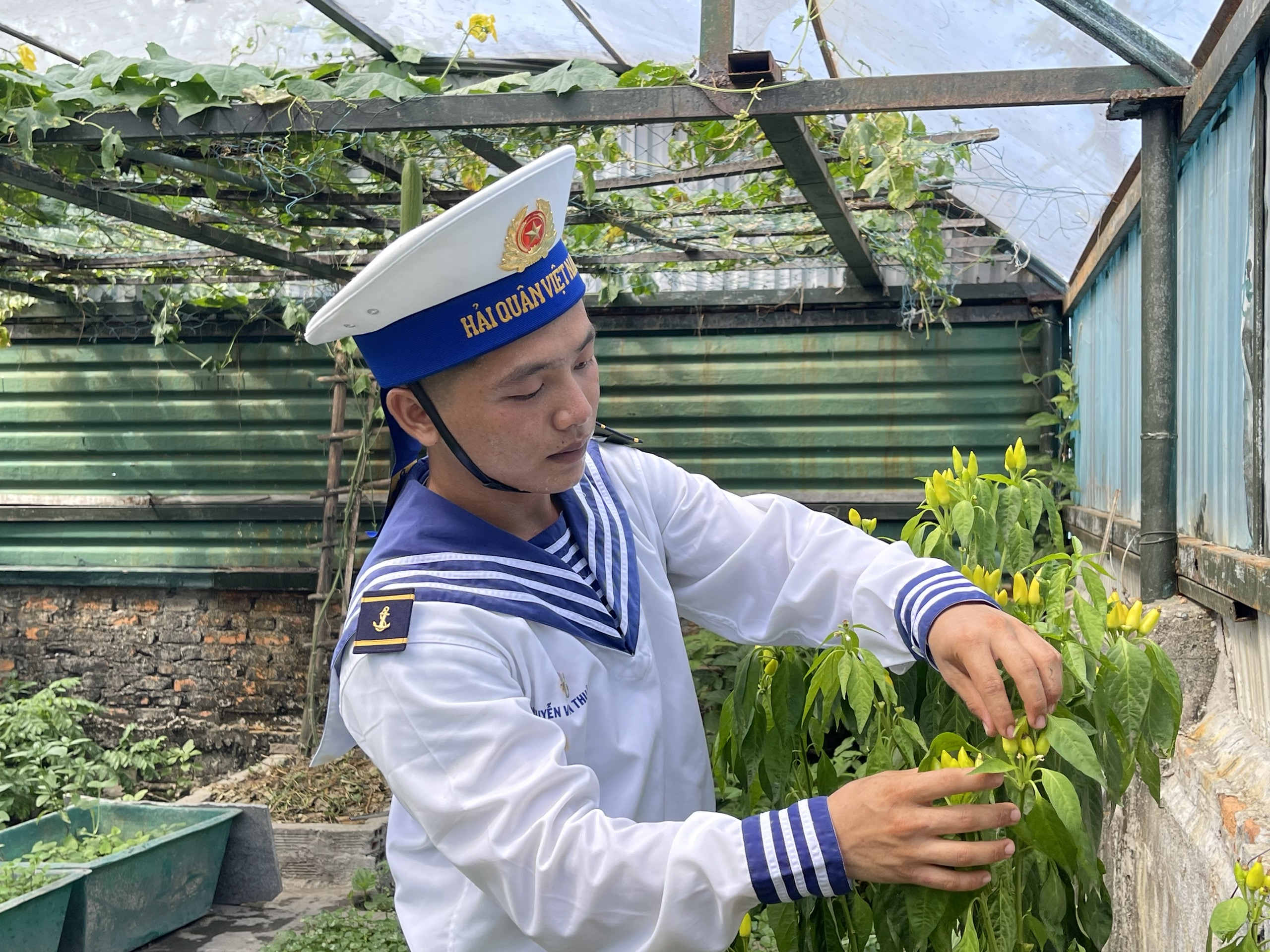
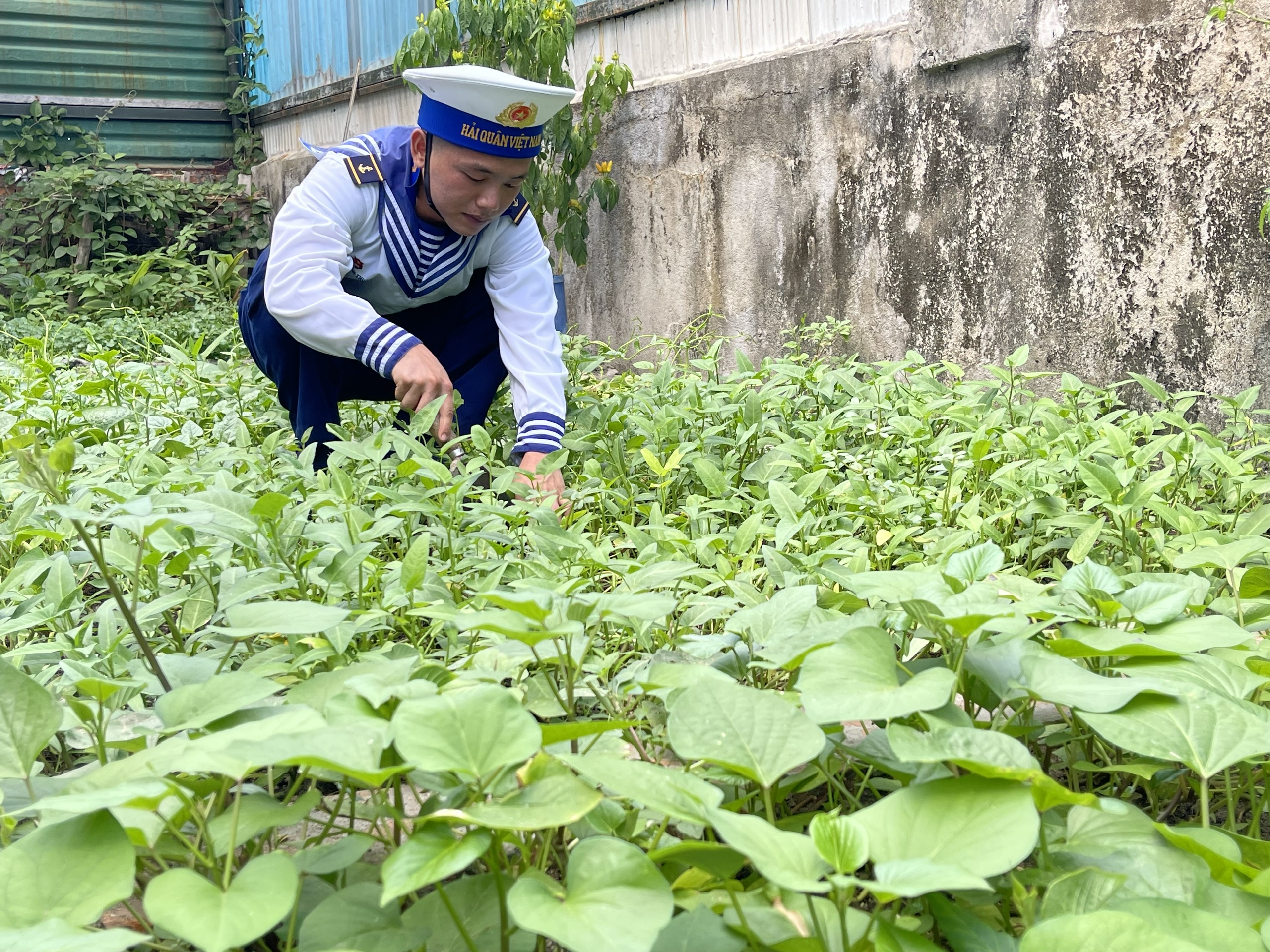
Creating green spaces is difficult on above-water islands, but it's even more challenging on submerged islands. Leading us on a tour of his thriving vegetable garden, where both land and freshwater are scarce, Tran Thien Thoai (20 years old), a soldier on Da Thi Island, explained that the water used for irrigation comes from daily household water (reserved rainwater). "Every time I wash dishes, I rinse them with saltwater first, then rinse them again with freshwater. The final rinse water is used to water the plants. Or all the water used for washing rice, vegetables, etc., is used to water the plants," Thoai recounted, adding that although the freshwater supply is limited on sunny days, the calm sea helps. On rough days, the seawater washes up, condenses into salt spray, and kills the plants. Therefore, during strong winds, they have to provide extra protection.
A beautiful corner of Sinh Ton Dong Island.
QUEEN
Flowers in bloom
QUEEN
The green, tree-lined paths
QUEEN
There is no shortage of fruits and vegetables on the island.
QUEEN
On the submerged island, conditions are harsher, but gourds, pumpkins, and loofahs hang abundantly; vegetables remain lush and green; and flowers proudly display their beauty in the face of the waves and wind… Captain Bui Xuan Quoc, Political Officer of Da Thi Island, affirmed: "To stabilize the morale of the officers and soldiers here, we always strive to create a living environment as close to the mainland as possible. To do this well, we create a beautiful landscape by planting many more trees, vegetables, fruits, and flowers. We create opportunities for the soldiers to cultivate them themselves, inspiring them that no matter where they are or how harsh the conditions, the green of the mainland still extends to the sea and islands, affirming Vietnam's firm sovereignty ."
The soldiers increase production every day.
QUEEN
On An Bang Island, the lush greenery made it hard for anyone to believe that this place was once called the Lime Kiln Island because of its extreme heat. As we left the island, everyone longed for the cool, beautiful greenery and secretly admired the hard work of the farmers. On the island, the people have their own unique techniques for growing vegetables, techniques that would make even those of us on the mainland exclaim in surprise. As Captain Bui Xuan Quoc explained, during stormy weather, the officers and soldiers on the island wash each leaf of the plants with fresh water twice a day to ensure the vegetables aren't contaminated by salt and the soil isn't saline. Furthermore, Major Nguyen Van Nam, Deputy Political Officer of An Bang Island, said that the vegetable beds here must be rotated daily to provide shade and protect them from wind and sea salt…
Nurseries on the island
QUEEN
What's truly remarkable is that at all the island outposts today, including the DK1 platform – which is never in contact with the mainland – besides the lush greenery, the sound of roosters crowing echoes every day. All the island outposts now raise pigs, chickens, ducks, etc., to sustain life just like on the mainland. Each patch of greenery, each chicken and pig raised in extremely harsh conditions, represents the indomitable spirit and will of the soldiers and civilians at the forefront of the waves and winds.




![[Photo] Standing Committee member of the Party Central Committee Tran Cam Tu working with the Central Inspection Committee](https://vphoto.vietnam.vn/thumb/1200x675/vietnam/resource/IMAGE/2026/05/28/1779969579668_ndo_br_bnd-2495-jpg.webp)




































































Comment (0)