

According to the Ministry of Health , Vietnam is one of the countries with a high rate of hepatitis B and hepatitis C virus infection in the general population and suffers severe consequences from hepatitis virus infection.
According to the Ministry of Health , Vietnam is one of the countries with a high rate of hepatitis B and hepatitis C virus infection in the general population and suffers severe consequences from hepatitis virus infection.
According to health experts, it is quite common for patients with hepatitis B or hepatitis C to go undetected and only be hospitalized when dangerous complications have already developed. This is because hepatitis often progresses slowly and atypically, leading those infected to underestimate the disease.
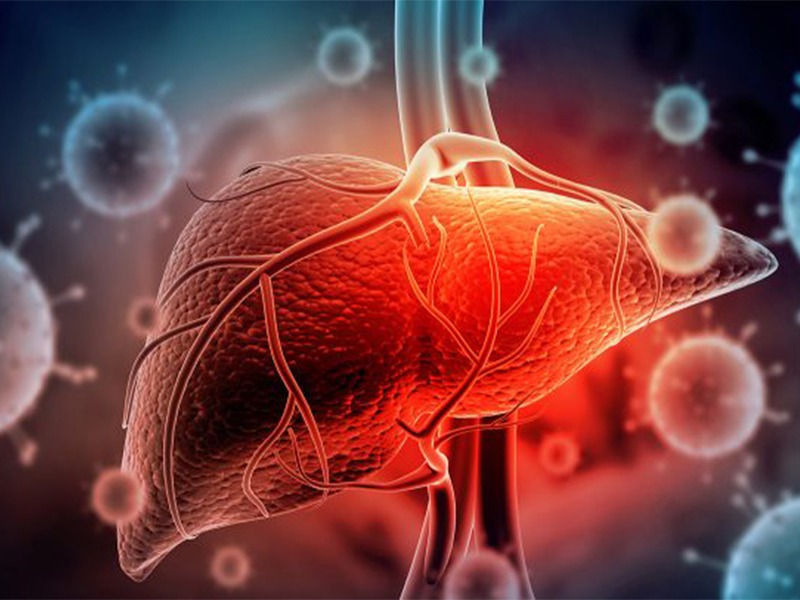 |
| Vietnam is one of the countries with a high rate of hepatitis B and hepatitis C virus infection in the general population and suffers severe consequences from hepatitis virus infection. |
According to the Ministry of Health, research results in Vietnam show that the rate of hepatitis virus infection in some population groups ranges from 8-25% for hepatitis B virus and about 2.5-4.1% for hepatitis C virus. Cases of hepatitis A, D, and E virus infections have also been recorded among hospitalized hepatitis patients.
Over the past several years, the number of deaths due to hepatitis B in our country has exceeded 23,000, and the number of deaths due to hepatitis C virus is approximately 7,000.
Besides viral agents (A, B, C...), the rate of hepatitis caused by alcohol, traditional and Western medicine, contaminated food, environmental pollution, etc., is increasing sharply.
Data from the Ministry of Health shows that Vietnam is one of the countries with a high burden of viral hepatitis in the Western Pacific region. It is estimated that Vietnam currently has about 6.6 million people with hepatitis B and nearly one million with chronic hepatitis C. In contrast, developed countries like the US and Europe have very low rates thanks to decades of vaccination campaigns.
According to experts, hepatitis B and C are the leading causes of liver cancer in Vietnam. Currently, the incidence and mortality rates from liver cancer in Vietnam are among the highest, with over 25,000 new cases and deaths each year.
There are four types of viral hepatitis: A, B, C, and E. Hepatitis A and E cause acute gastrointestinal infections, while viral hepatitis B and C cause chronic hepatitis, leading to cirrhosis and liver cancer. Of these, A, C, and E are curable, while there is no cure for viral hepatitis B, only suppressants.
The danger is that in the early stages, hepatitis often has no obvious symptoms, so very few cases are detected early.
Prolonged inflammation damages liver cells, forming scar tissue that causes cirrhosis, and combined with other factors, can lead to liver cancer.
Complications of hepatitis often develop early and rapidly if the patient has two or more risk factors, such as viral infection and alcohol abuse.
Health experts are concerned that hepatitis B and hepatitis C are highly contagious in the community, both transmitted through blood, sexual contact, and from mother to child.
Compared to the hepatitis B virus, the hepatitis C virus spreads more slowly and has fewer symptoms, but it causes very serious consequences. The three most common complications of hepatitis C are liver failure, cirrhosis, and liver cancer. Patients can die from one of these three complications.
Worryingly, the majority of people with chronic hepatitis C have no underlying symptoms; symptoms only appear when cirrhosis or liver cancer develops.
Treatment for hepatitis B is long-term and expensive; however, it is preventable from complications such as cirrhosis and liver cancer by vaccination, with a success rate of up to 95%.
Although a vaccine for Hepatitis B has been available and included in the national immunization program for many years, the incidence rate among the Vietnamese population remains very high, with a large number of new cases reported annually.
According to epidemiologists, besides newborns, many children, adults, and older adults have not been vaccinated against hepatitis B, especially during the recent Covid-19 pandemic.
Associate Professor Dr. Do Duy Cuong, Director of the Center for Tropical Diseases at Bach Mai Hospital, said that every day the Center records many patients coming for examination and hospitalization who are unaware that they are infected with hepatitis B, because most have subtle and inconspicuous symptoms. By the time they arrive at the hospital, they already have jaundice, cirrhosis, acute liver failure, or even liver cancer.
Notably, some young people are complacent about this disease; upon discovering they have it, they either do not seek treatment or do not adhere to their doctor's treatment plan, stopping medication after a while when they feel better.
If hepatitis B patients are well-monitored and adhere to their prescribed medication, their condition will stabilize, the risk of cirrhosis and liver cancer will be very low, and the chances of survival will be much higher.
Early detection of liver cancer in high-risk groups (including those with hepatitis B) is a solution to help reduce the burden of hepatocellular carcinoma.
When detected early, effective treatments such as liver resection surgery, liver transplantation, selective internal radiation therapy (SIRT), immunotherapy, targeted therapy, etc., have significantly improved the overall survival time of patients.
However, patients diagnosed at an advanced and late stage of the disease have a poor prognosis and a very limited overall survival time.
To prevent and effectively manage and treat hepatitis B, it is recommended that people proactively get tested and screened for hepatitis B to determine if they have the disease, so that they can plan for management, monitoring, and treatment.
If a patient already has liver disease, they should absolutely not take any medication without a doctor's prescription, especially traditional Vietnamese medicine or herbal remedies of unknown origin.
Upon diagnosis of hepatitis B, regular monitoring as prescribed by a doctor is necessary to detect and treat complications such as cirrhosis and liver cancer promptly.
According to Dr. Nguyen Tuan Hai of the Safpo/Potec vaccination system, the best way to prevent hepatitis B is vaccination. In addition, it is necessary to limit ways that can transmit the hepatitis B virus.
Besides vaccination, hepatitis B can also be prevented by not sharing needles or other instruments that may have come into contact with blood or bodily fluids.
Wear gloves if you have to touch blood or open wounds; ensure the tattoo/piercing establishment uses properly sterilized equipment.
Avoid sharing personal items such as toothbrushes, razors, or nail clippers, and practice safe sex.
Regarding the question of whether an antibody test is needed after receiving the hepatitis B vaccine to check its protective effectiveness, Dr. Hai stated that it is unnecessary.
The reason for this is that, according to experts, this test does not prove whether the vaccine is effective or not, because once a vaccine is administered, it provides protection.
"The idea that if a test shows antibodies, it proves the vaccine is effective, and conversely, if the vaccine is ineffective, it's incorrect," Dr. Tuan Hai stated.
Source: https://baodautu.vn/ganh-nang-benh-viem-gan-tai-viet-nam-d228508.html






































































































Comment (0)