

The world is facing a shortage of AI talent, creating opportunities for Vietnam.
Artificial intelligence (AI) is not just an emerging technology; it has rapidly become one of the most exciting fields.
According to Dr. Vo Xuan Hoai, Deputy Director of the National Innovation Center (NIC, Ministry of Planning and Investment ), major technology corporations such as NVIDIA, Microsoft, Google, and Meta all consider AI a strategic spearhead for the future. This has created a surge in AI talent, especially in fields such as chip design, healthcare, and education.
“NVIDIA, Microsoft, Google, Meta, Qualcomm, and others are all focusing on applying AI to develop existing technologies, as well as developing AI-powered devices. The current trend is to apply AI to other tasks, such as chip design. The application of AI in healthcare and education has also become very common recently, ” shared Dr. Vo Xuan Hoai.
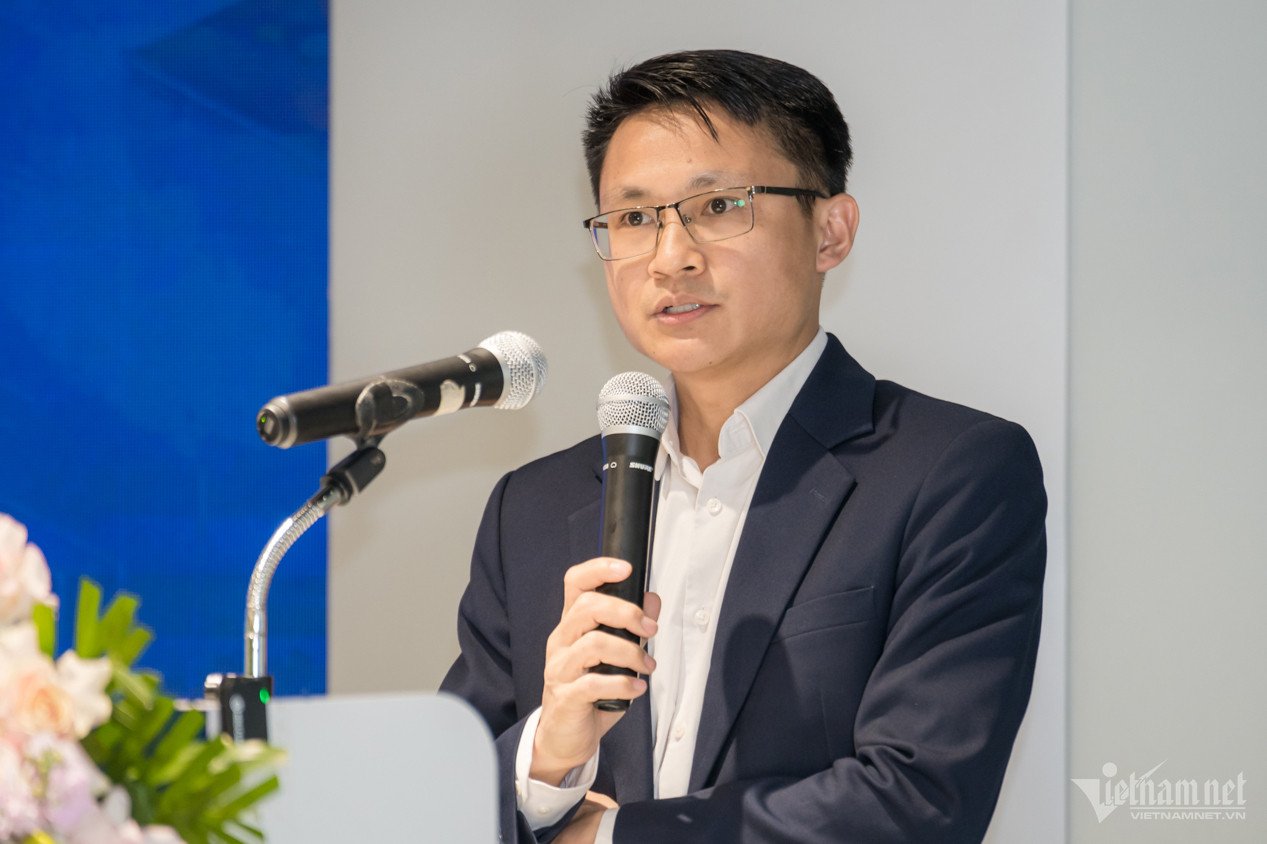
Commenting on the demand for AI human resources, the Deputy Director of the National Innovation Center said that for about two years now, major technology corporations around the world have been interested in Vietnam because the country possesses a workforce, intellectuals, and engineers with good AI application skills.
“ In the near future, there will be many positive and optimistic signs with the extensive and close participation of major technology corporations in the Vietnamese market ,” said Dr. Vo Xuan Hoai.
Businesses are showing a clear increase in interest in AI talent. However, Dr. Dang Minh Tuan, Director of the CMC Institute of Applied Technology, believes that the AI market in Vietnam has much potential but is currently lacking high-quality personnel.
Dr. Dang Minh Tuan stated: “ AI is a 'hot' field, so many businesses need it. AI itself is broad, encompassing areas like image processing, audio processing, natural language processing, and knowledge data, each requiring different skills. The global demand for AI professionals is currently very high, and the trend of AI applications is widespread, yet the market is experiencing a shortage .”
Vietnam should have specialized AI departments at its universities.
In Vietnam, since 2021, the Prime Minister has issued the National Strategy for Artificial Intelligence Development until 2030, which clearly outlines the issue of human resources, the formation of national innovation centers, and centers for training, research, and incubation in AI. This shows that Vietnam has grasped and is seeking to lead the AI trend.
Sharing his thoughts with VietNamNet reporters on the topic of AI human resource training, Dr. Vo Xuan Hoai stated that artificial intelligence itself is a technological field, with a foundation in mathematics and engineering. However, training AI personnel is much easier than in many other fields.
Training personnel in semiconductor chips requires practical equipment, just as mechanical engineering requires machinery. However, with artificial intelligence, preparing AI human resources can be done entirely through online training. Therefore, the scaling up and spread of AI will be very rapid.
“ The foundation of young Vietnamese people is currently quite good. To further apply AI, short-term training of 3 to 6 months is entirely sufficient to meet the current market demands ,” commented Dr. Vo Xuan Hoai.
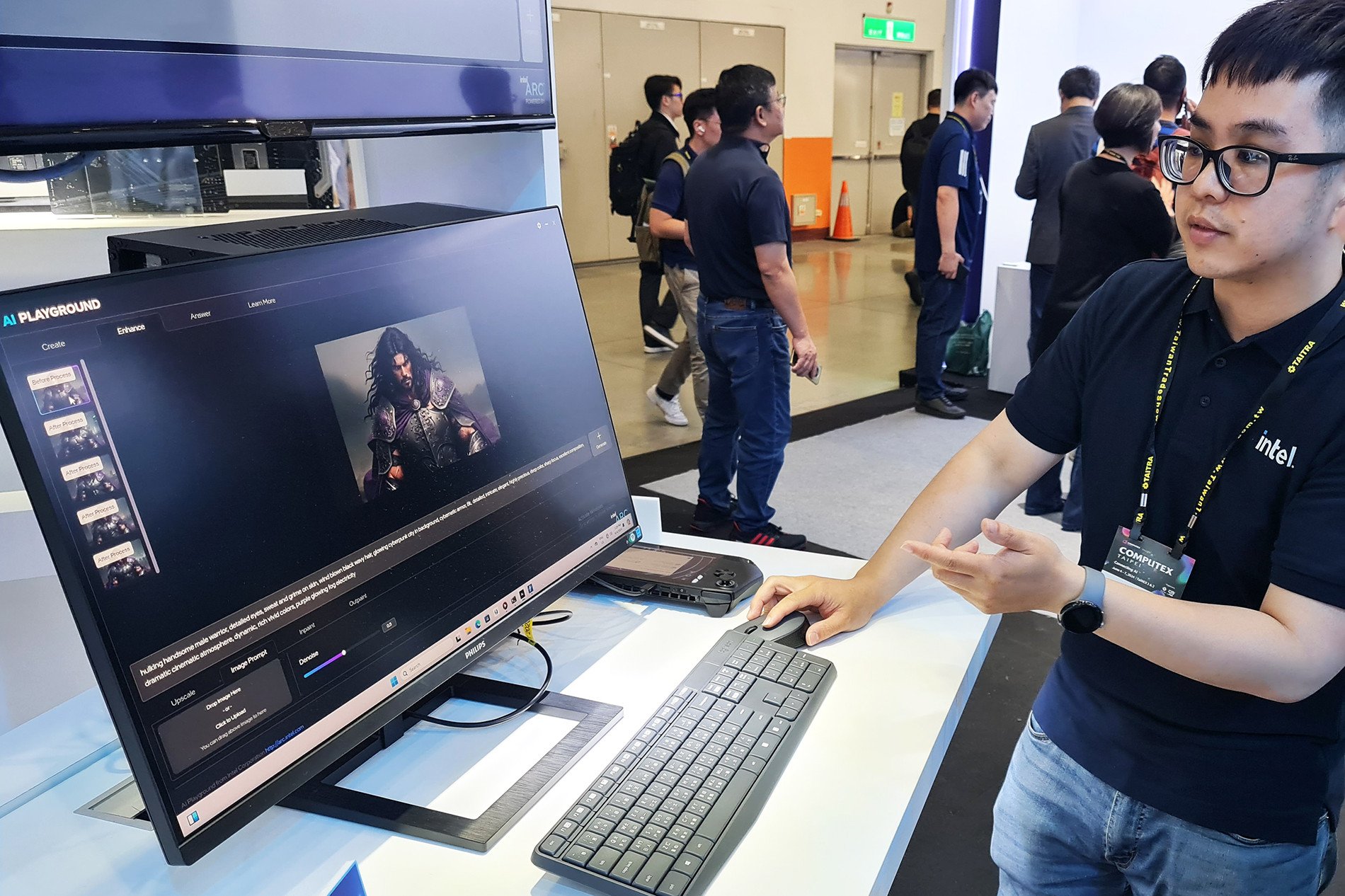
The National Innovation Center (NIC) is currently collaborating with Google to provide 40,000 online training scholarships annually, including AI training programs with certifications issued by Google. In the near future, NIC will partner with Qualcomm to offer more such online training courses.
Through this collaboration, thousands of Vietnamese students will have the opportunity to access internationally standardized training programs. This is a promising step towards helping Vietnam improve the quality of its AI workforce.
Another important step forward is the establishment of specialized AI departments at universities.
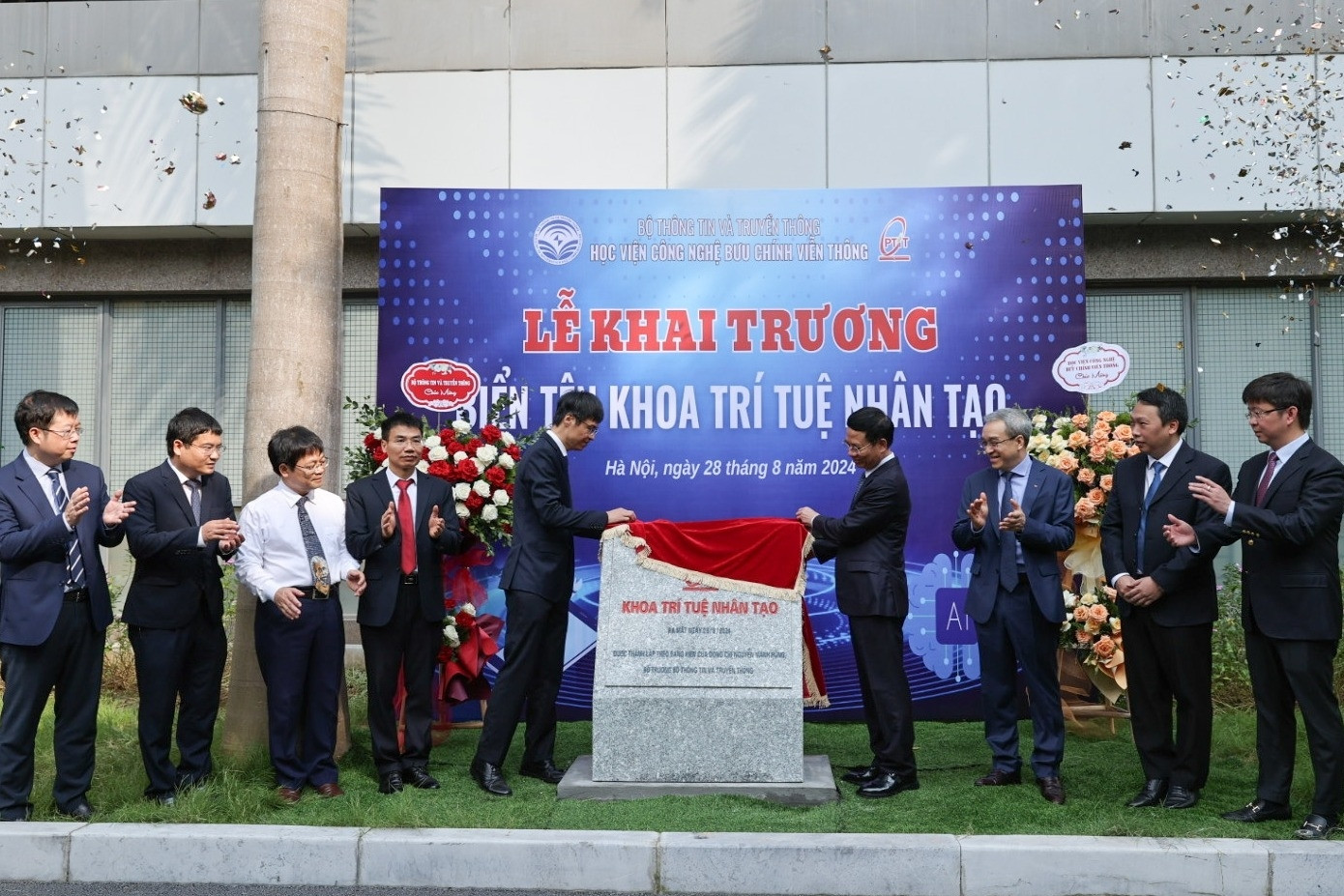
Personnel working in AI are typically taught in Information Technology or Computer Science departments, but the establishment of the first Artificial Intelligence department at the Posts and Telecommunications Institute of Technology (PTIT) is a positive sign.
According to Dr. Vo Xuan Hoai, PTIT's pioneering role could be a catalyst for other universities to quickly catch up and expand their AI training.
Commenting on this issue, Dr. Dang Minh Tuan stated that the workforce in AI in Vietnam mainly comes from two sources: university education and short-term training through conversion courses from related fields.
The emergence of artificial intelligence departments in universities would be a positive sign, as it would help make AI training more specialized and focused.
"CMC even wants to establish an AI university. This AI university would not only teach about AI but also apply AI in education and training ," said Dr. Dang Minh Tuan.
In the context of the rapid development of AI globally, Vietnam cannot afford to be left behind. With the right strategies, Vietnam can absolutely become one of the leading countries in AI human resource training, not only meeting domestic needs but also reaching out to the world. Now is the time to act, so as not to miss this golden opportunity.
Source: https://vietnamnet.vn/gat-do-la-thu-hut-ngoai-te-tu-mo-vang-nhan-luc-ai-2323027.html





















![[Video] Sunset at Lap An Lagoon – Where the sun sets over the fishing nets](https://vphoto.vietnam.vn/thumb/340x192/vietnam/resource/IMAGE/2026/05/31/1780192137701_beach-landscape-sea-water-nature-grass-745871-pxhere-com.jpeg)




![[Photo] The General Secretary, President and his wife lay flowers at the Ho Chi Minh Monument in Manila.](https://vphoto.vietnam.vn/thumb/1200x675/vietnam/resource/IMAGE/2026/05/31/1780219759477_anh-man-hinh-2026-05-31-luc-16-29-07.png)

























































Comment (0)