


Previously, the slogan for a green lifestyle was often associated with reducing plastic waste, saving electricity, cycling, or planting more trees... However, as life increasingly shifts to a digital environment, the carbon footprint of humanity is no longer confined to the streets or factories. It is present in every screen touch, every data stream, and every electronic device we use every day.

Photo: Pexels
The virtual world consumes real resources.
Many people carry their own water bottles every day, carefully sort their trash, and limit the use of plastic bags. But in the evenings, they spend hours scrolling through endless videos on their phones, saving thousands of photos they never look at again, and replacing their phones every two years. A seemingly "virtual" digital world turns out to consume a great deal of real resources.
Many people still imagine digital data existing somewhere "in the cloud"—lightweight and invisible. But behind every email, every online video, or every AI command are massive data centers operating around the clock.
Data centers consume enormous amounts of electricity to maintain servers and cooling systems. According to the International Energy Agency (IEA), the demand for electricity in global data centers is increasing rapidly, especially since the AI boom. Processing artificial intelligence models alone requires significantly more energy than typical search operations.
Even small actions in the digital world leave a carbon footprint. Streaming high-resolution video, storing unlimited photos and data, sending mass emails, or constantly upgrading electronic devices all consume real-world resources and energy.
Few people realize that old photos that have never been opened, dozens of unread promotional emails sitting dormant in the inbox, or endless files stored in the cloud also require continuously running servers to maintain them. Some studies show that the vast majority of data stored online is almost never used again after the first few months.
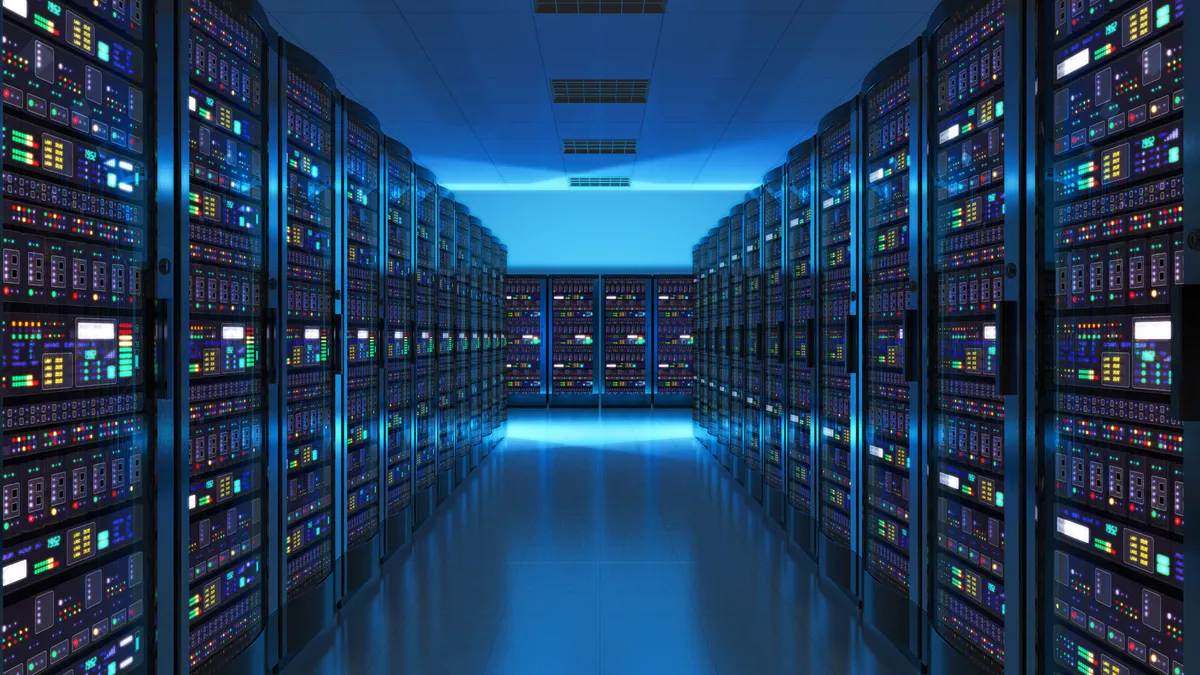
Data centers consume enormous amounts of electricity to power their servers and cooling systems. Photo: Pexels
If fast fashion makes people buy clothes at breakneck speed, then the digital environment is also creating another type of "fast consumption": continuous and unlimited consumption of content.
Short videos autoplay, algorithms constantly suggest new content, and platforms compete to keep users engaged for as long as possible. In this cycle, people become accustomed to quickly scrolling, watching quickly, and forgetting just as quickly.
Many experts argue that this endless consumption not only impacts mental health but also entails significant environmental costs. The more data is generated, stored, and transmitted, the greater the energy demand for digital infrastructure.
This has led some people to begin questioning whether "living green" should include how people consume technology.
Movements to reduce carbon footprint
In recent years, the concept of "digital minimalism"—living simply in a digital environment—has begun to attract attention in many parts of the world.
Some people proactively turn off app notifications, reduce screen time, or dedicate "device-free weekends." Others switch to more basic phones, read physical books, listen to music offline, or limit the storage of unnecessary data.
This trend doesn't stem from a rejection of technology. On the contrary, it reflects a desire to use technology more consciously – rather than letting algorithms dictate the entire rhythm of daily life.
Notably, this movement is also linked to environmental issues.
Many green technology experts believe that reducing your digital carbon footprint sometimes starts with very small changes: deleting old emails, regularly cleaning up cloud data, turning off autoplay videos, reducing streaming quality when not needed, or sending document links instead of attaching large files to many people at once.
Some people are also starting to pay attention to "phantom power"—the amount of electricity that devices silently consume even when not actually in use. Constantly plugged-in chargers, laptops in sleep mode, and screens left on all night all contribute to this invisible energy consumption in modern life.

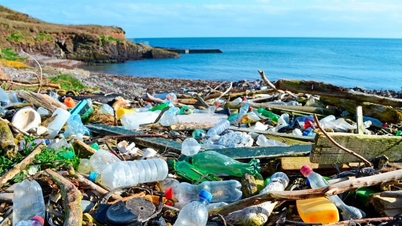
Electronic waste is currently one of the fastest-growing waste streams in the world. Photo: Pexels
As consumer demand for technology skyrockets, global e-waste is also ballooning to unprecedented levels. Phones, laptops, and other electronic devices are often replaced very quickly, even when still usable. According to the United Nations, e-waste is currently one of the fastest-growing waste streams in the world.
It's worth noting that the majority of a smartphone's carbon emissions don't come from usage, but from the manufacturing process: mining, component fabrication, transportation, and assembly. Therefore, extending the device's lifespan sometimes has far greater environmental implications than many people realize.
Since then, movements such as "right to repair," using refurbished electronics, and extending the lifespan of technology have begun to spread in Europe and North America. Replacing the battery instead of buying a new device, repairing an old laptop instead of replacing the entire unit – these small actions are now not only considered economical but also a more sustainable choice for the environment.
However, many experts argue that changing personal habits is only part of the problem. Behind the digital lifestyle lies a vast technological ecosystem: AI companies, streaming platforms, data centers, and global electronics manufacturing chains. If that infrastructure continues to operate primarily on fossil fuels, then users' efforts to embrace a greener digital lifestyle will struggle to bring about significant change.
Therefore, many technology companies are under pressure to invest more heavily in renewable energy and sustainable technology design. Google, Microsoft, and Amazon have all announced plans to reduce carbon emissions and increase the use of clean electricity in their data centers. Meanwhile, the European Union is pushing for regulations requiring electronic devices to be easier to repair, helping to extend product lifespan instead of requiring constant replacement.
For many years, the image of a green lifestyle has been associated with trees, bicycles, or reusable bags. But in a world where much of life unfolds through screens, the digital environment has also become part of the sustainability narrative.
Living green in the digital age doesn't mean abandoning technology, but rather learning to use it more slowly, for longer periods, and more consciously. Sometimes, that starts with very small actions: cleaning up digital clutter, extending the lifespan of devices, or simply thinking a little longer before saving, downloading, or playing the next video.
Source: https://vtv.vn/giam-dau-chan-carbon-trong-thoi-dai-so-10026052715260291.htm



![[Photo] The courage of new recruits of Brigade 144 on the training ground.](https://vphoto.vietnam.vn/thumb/1200x675/vietnam/resource/IMAGE/2026/05/27/1779881651341_anh-man-hinh-2026-05-27-luc-18-32-52.png)

![[Photo] The heat at the fireworks display site on the opening night of the Da Nang International Fireworks Festival 2026](https://vphoto.vietnam.vn/thumb/1200x675/vietnam/resource/IMAGE/2026/05/27/1779889741485_ndo_br_z7872039145157-fecaba5112f39e8352544099d7ef4738-5140-jpg.webp)
































































![[Photo] The courage of new recruits of Brigade 144 on the training ground.](https://vphoto.vietnam.vn/thumb/402x226/vietnam/resource/IMAGE/2026/05/27/1779881651341_anh-man-hinh-2026-05-27-luc-18-32-52.png)


































Comment (0)