

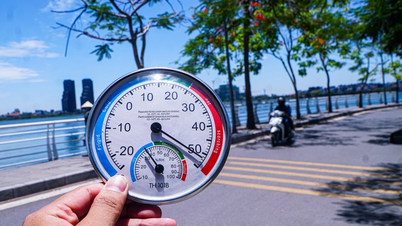
When cicadas begin to chirp in the early summer foliage, the people of Ha Tinh understand that the hot, dry Lao wind has returned. This characteristic wind not only alters daily life and affects production, but over time has also contributed to shaping the unique aspects of the culture and character of the people of Nghe An. For many regions, weather is merely a natural condition. But in Ha Tinh, the Lao wind has long become a part of their memories and way of life.
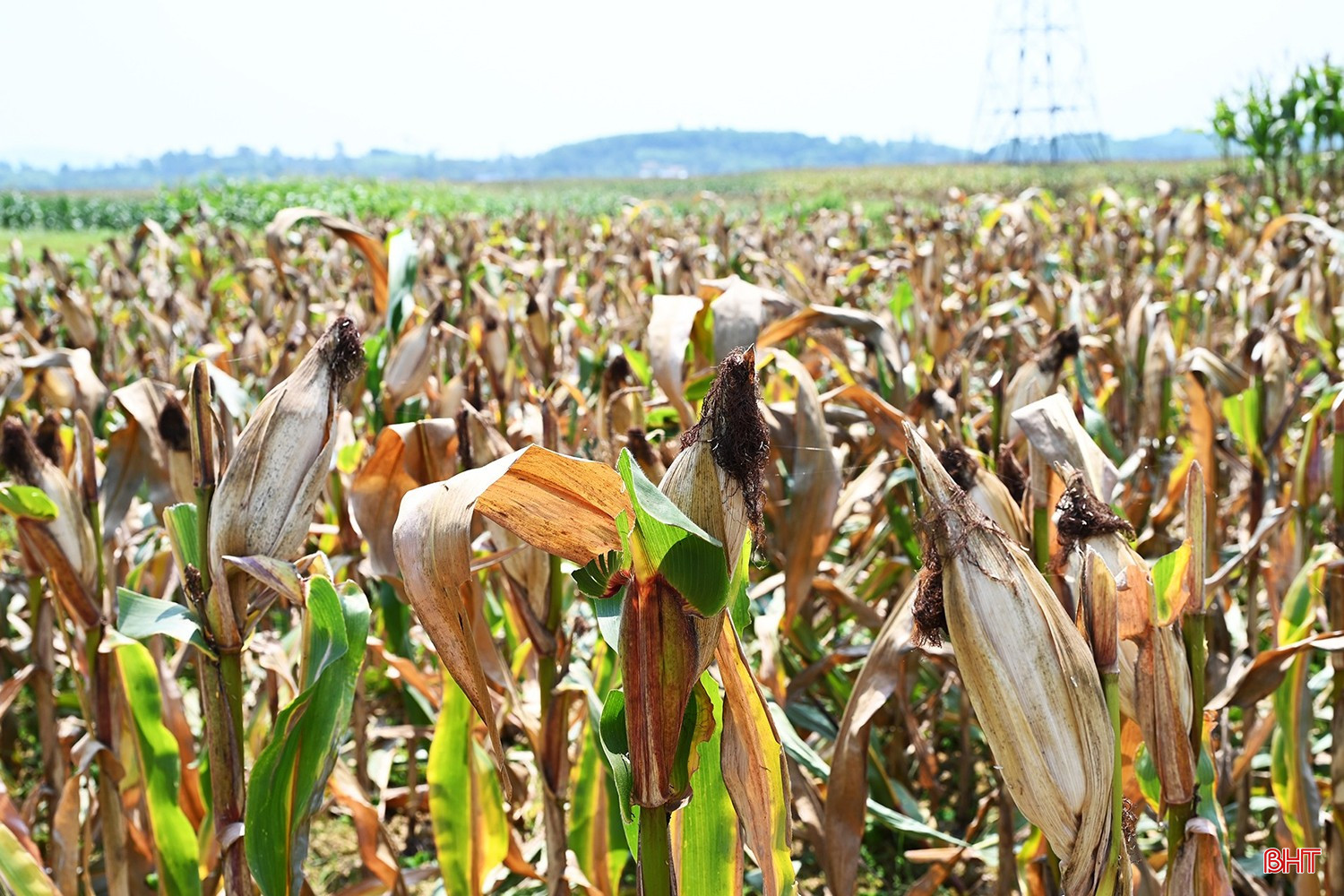
In the early days of summer, when the sun begins to blanket the fields at the foot of the Truong Son mountain range, gusts of hot wind sweep in. On its journey across the mountains, the southwest wind leaves most of its moisture on the western slopes, leaving only dry, scorching heat on the eastern side. Wherever the wind passes, the heat seems to sweep through. And from this harshness, the people here have gradually developed a unique way of life: knowing how to adjust, adapt, and find their way through adversity.
Therefore, in the middle of summer, while many places are still asleep, in the rural areas of Ha Tinh, a day of work begins very early. At 3 a.m., they light the stoves and prepare meals; at 4 a.m., they head to the fields to work before the sun rises high. When the sun is at its zenith, everyone returns home to rest, waiting until late afternoon to continue working.
Mr. Phan Van Lanh, from La Xa residential area, Ha Huy Tap ward, shared: “During this season, we have to wake up very early to get to the fields on time. When the sun reaches the top of the bamboo trees, we have to go home to rest, because we can't stand working any longer. Around 4-5 pm, when the weather cools down, we go out to work again until evening.”
That simple account reveals that life here is dictated by the weather. It's not that the people choose to work harder, but rather that they choose the most suitable way to conserve energy and sustain their lives.
Living amidst harsh natural conditions, the people of Nghe An province have also quickly found many ways to protect themselves. Among them, the straw raincoat is a familiar sight. Simple and unpretentious, yet useful, the straw raincoat helps block out the heat, provides shade, and reduces the burning sensation when standing in the fields at midday.
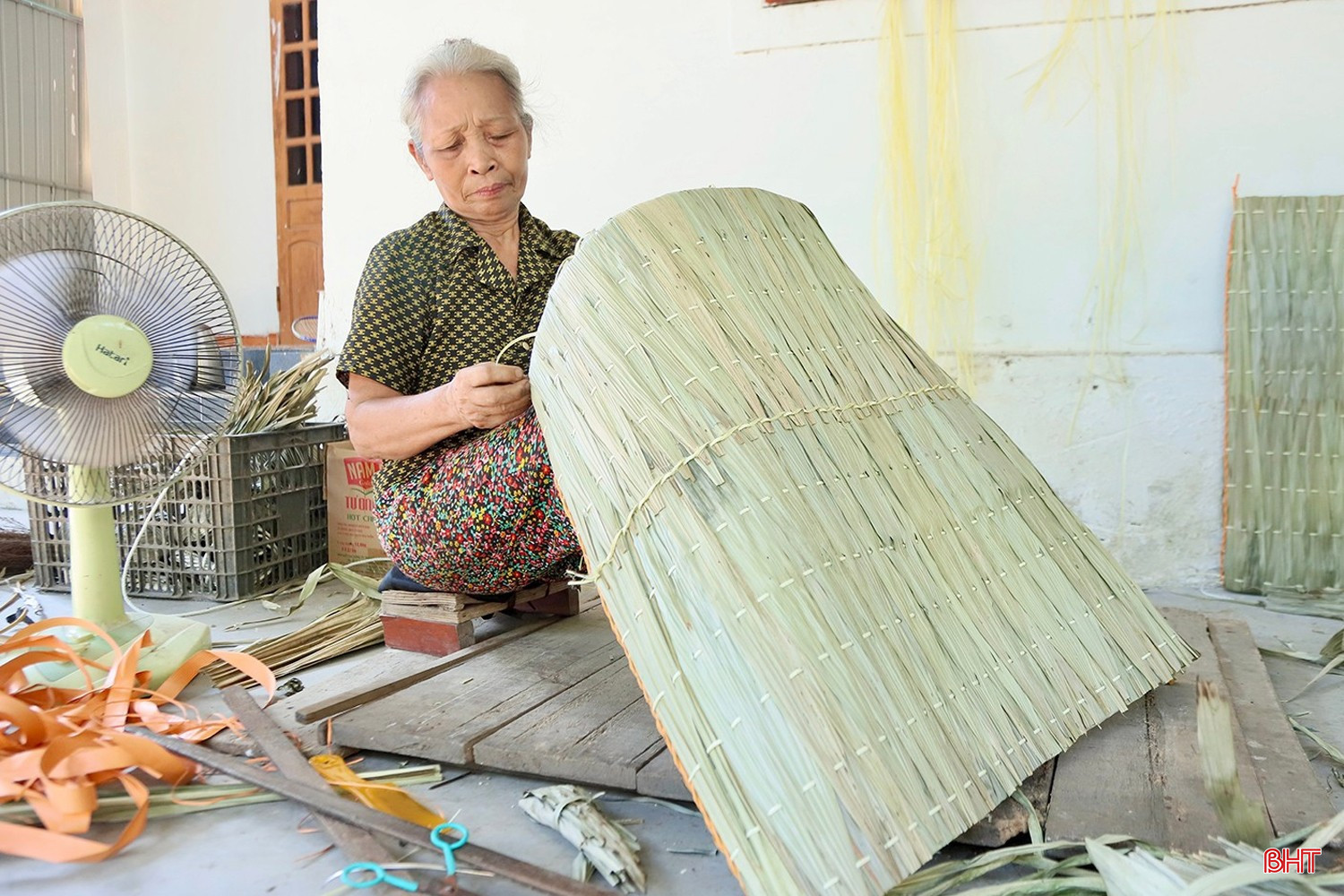
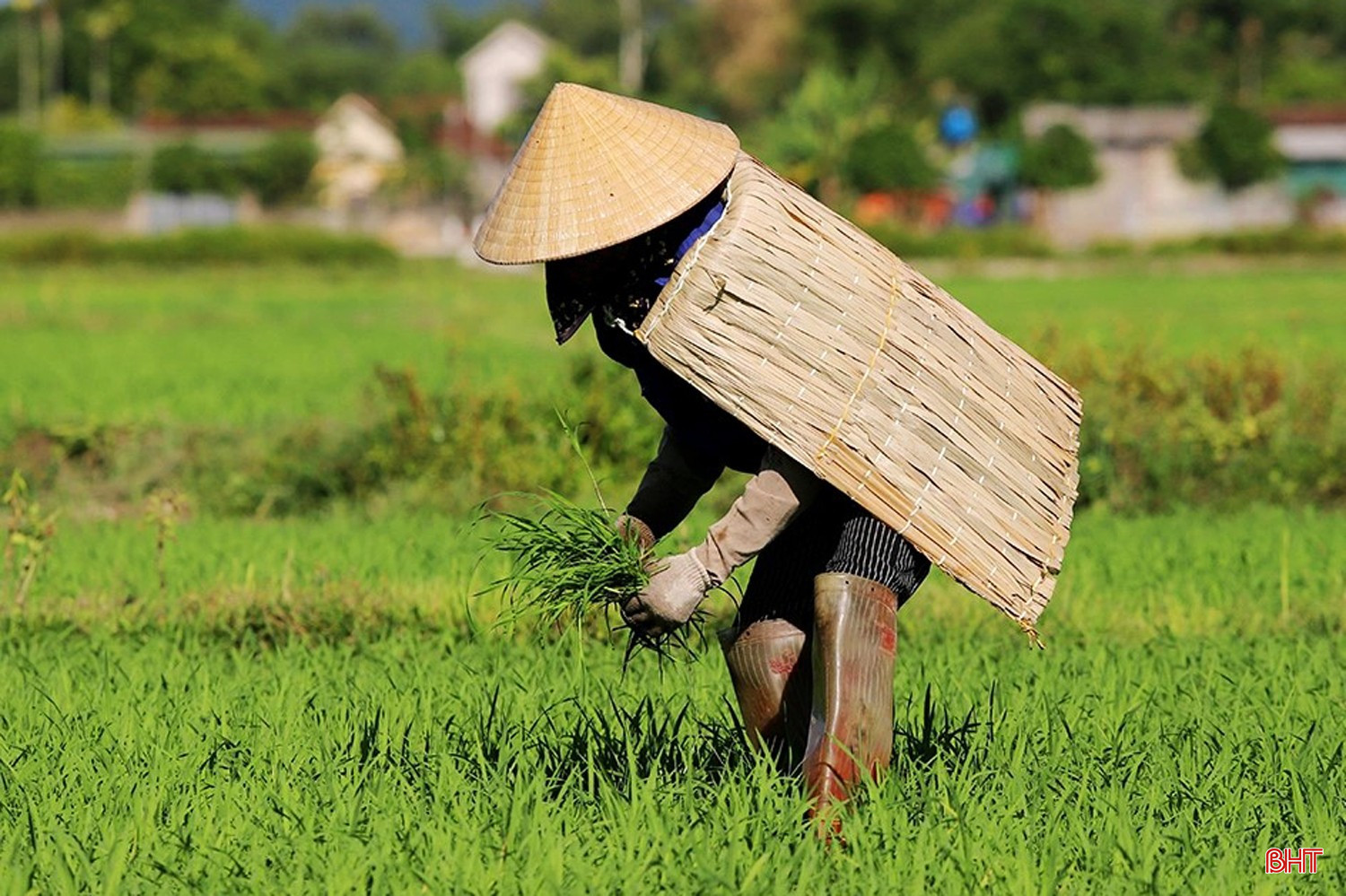
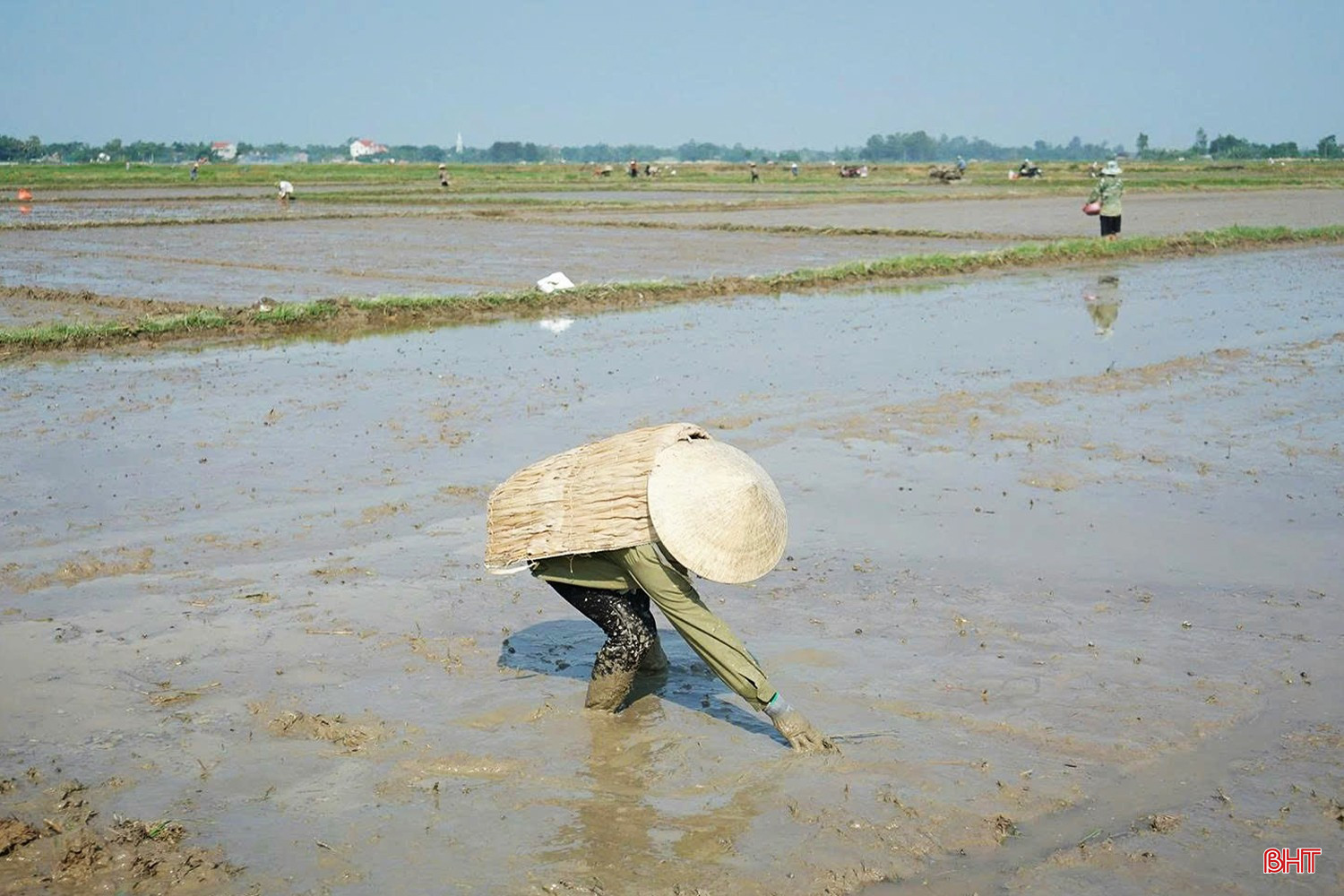
Ms. Nguyen Thi Bang from Yen Lac village, Xuan Loc commune, said: "This season, the hot Lao wind blows very strongly. When working in the fields, we usually wear straw raincoats because they help us stay cool and block the scorching wind from blowing on us."
A simple, everyday item, yet it embodies the life experiences of generations. To this day, in many villages of Ha Tinh province, the craft of making raincoats is still preserved as a way of maintaining folk knowledge and regional identity.
The experience of living with the hot, dry winds of Laos is not only evident in the fields, but also in the way people build houses and create gardens. In the past, people chose south-facing houses to catch the cool breeze, planted bamboo or large trees in front to block the sun, and dug small ponds in the gardens to maintain humidity and cool the air.
These seemingly simple experiences are actually a wealth of life experience accumulated over generations. The people here do not surrender to their circumstances, but quietly adjust their lives to overcome them.
Mr. Hoang Duc Dai, from residential group 4, Nam Hong Linh ward, said: "In Nghe An province, the Lao wind has become a characteristic feature. Since we can't fight it, we have to find ways to adapt and live with it."
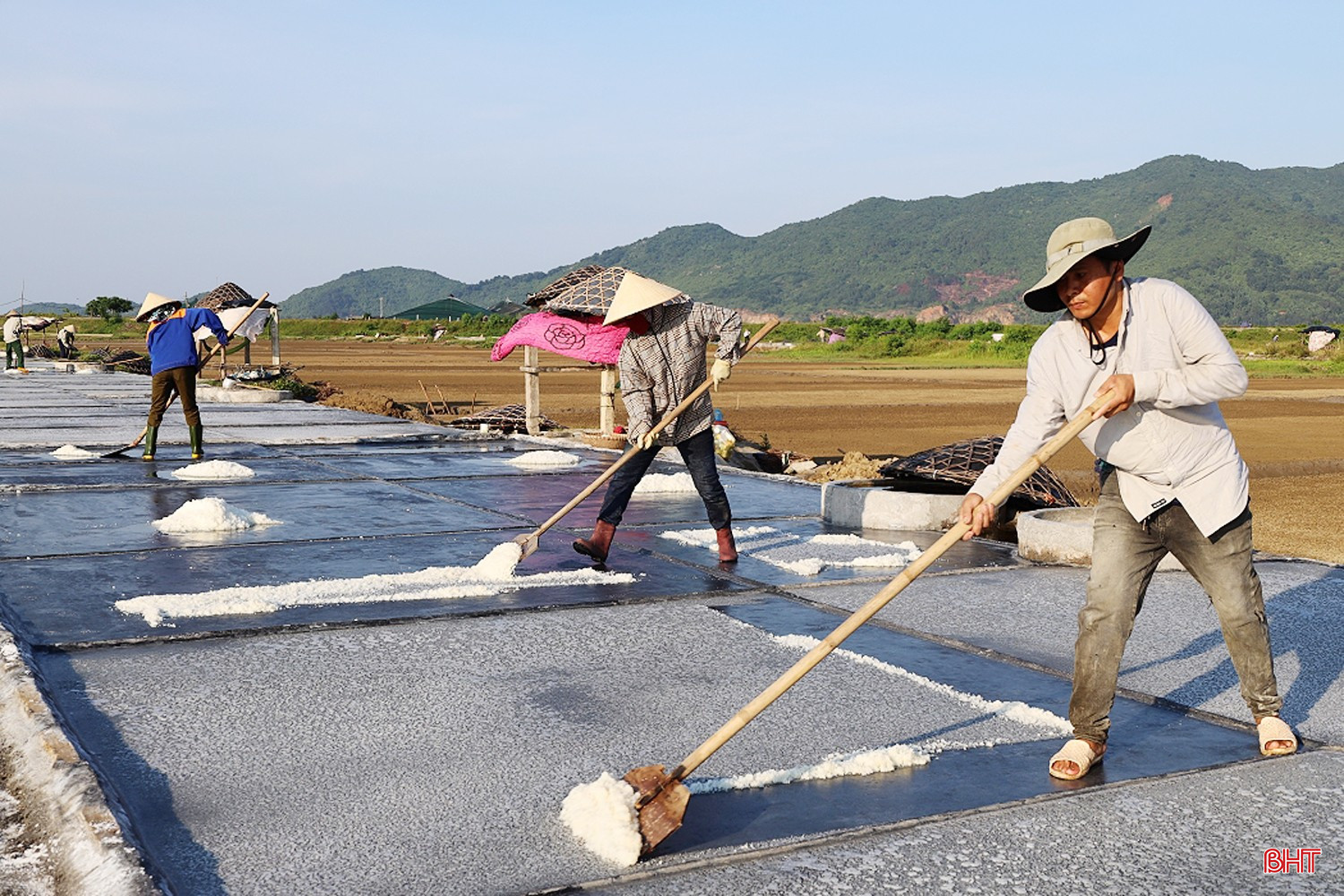
Living in harsh natural conditions for an extended period, people not only changed their working methods but also gradually developed unique psychological and personality traits. Therefore, the Lao wind has not only entered daily life but also poetry as a symbol of this land…
The poet Chế Lan Viên once wrote:
"Oh, Lao wind! Stop blowing!"
Fields starving for crops, meadows devoid of grass.
The hills covered with myrtle bushes don't bear enough fruit to feed the people..."
Through poetry, the Lao wind appears both harsh and leaves a lasting impression. The mark of the Lao wind is also deeply imprinted in the accent, behavior, and emotions of the simple, sincere, yet profound people of Nghe An province. As the poet Nguyen Bui Voi once wrote:
"...The Lao wind blew away the bamboo groves."
Just hearing their voices, you could tell they were struggling.
Extracted from barren rocks and soil.
That's why love is so deep and profound, my dear..."
The hot, dry winds from Laos, along with the scorching sun and harsh droughts, have silently forged a unique character, a quality difficult to name, yet easily recognizable in each person here.
According to Dr. Dinh Thi Thuy Hang, Principal of Nguyen Du College in Ha Tinh: “The Lao wind doesn't directly shape people's character, but it creates a harsh living environment that forces people to adapt. It is this adaptation process that has fostered resilience, perseverance, patience, and a spirit of overcoming difficulties in the people here. Over time, these qualities have not only become a means of survival but have also become distinctive characteristics, creating the unique character of the people of Nghe An in general, and Ha Tinh in particular.”
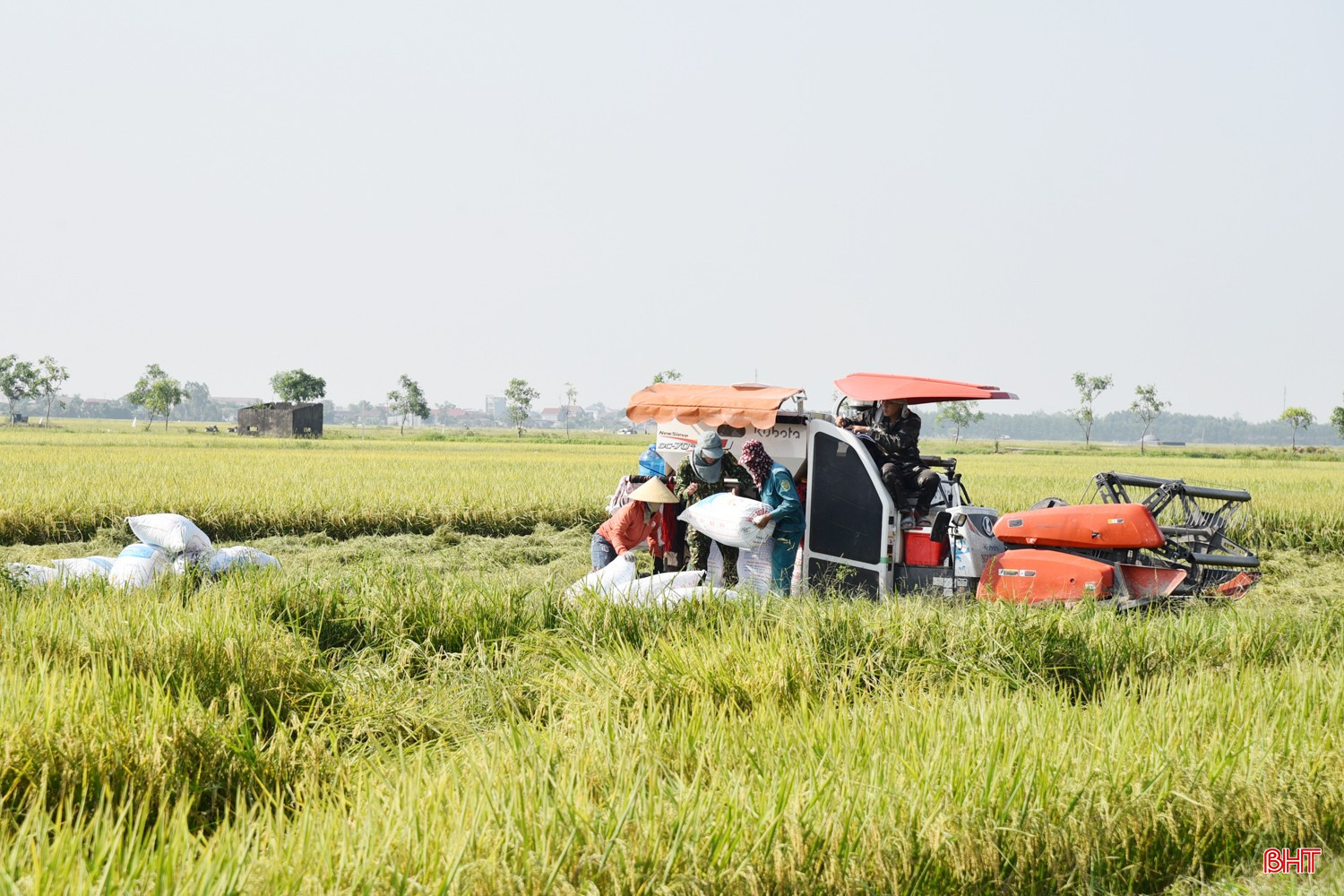
As summer arrives, the hot, dry winds from Laos fill the air. But these winds are also subtly infusing the lifestyle and character of the people of Ha Tinh with unique traits of this sun-drenched, windy land. Over time, these habits become ingrained, and hardships deepen their bonds. Each generation grows up to love and cherish this barren land even more, igniting within themselves aspirations for development and construction.
Source: https://baohatinh.vn/gio-lao-tu-trong-khac-nghiet-ma-thanh-nep-rieng-post309648.html


![[Image] Hanoi's urban life under the challenge of a "scorching hot" environment](https://vphoto.vietnam.vn/thumb/1200x675/vietnam/resource/IMAGE/2026/05/25/1779706979265_nang-nong-t5-2026-minh-duy-7-4636-jpg.webp)
























































































Comment (0)