

 |
| Harvest season in Bang Phuc Shan Tuyet Tea Village. |
Developing livelihoods linked to value chains.
In late April, as the sun begins to dry the northern mountain slopes, life in rural villages becomes busier. In the highlands of Dong Phuc, amidst the early morning mist, the hands of the villagers nimbly harvest the buds of Shan Tuyet tea – a product that has sustained generations. With over 300 hectares of tea plantations currently in production and nearly 1,000 workers involved, accounting for over 60% of the workforce, tea cultivation remains the mainstay of the people's livelihoods.
From centuries-old tea trees, the local people have gradually developed a specialty tea growing area, following a value chain with the participation of cooperatives and businesses. The tea products are not only consumed within the province but are also available in many major cities, gradually accessing the international market. The village's revenue in the last two years is estimated at approximately 31 billion VND.
 |
| Bang Phuc Shan Tuyet tea product has been recognized as a 4-star OCOP product. |
Notably, the craft village not only creates economic value but also preserves distinctive cultural values. Over 1,000 ancient tea trees, hundreds of years old, are still preserved, and indigenous knowledge in tea cultivation and processing continues to be passed down through generations. However, to maintain the craft in the current context, relying solely on tradition is not enough.
Mr. Trieu Duc Thong, Vice Chairman of the People's Committee of Dong Phuc commune, said: The locality has been implementing tea production models according to VietGAP and organic standards; supporting people in investing in seedlings, cultivation and harvesting techniques, and machinery and equipment for drying, gradually replacing manual methods.
"To preserve the traditional craft village, we must improve product quality and link production along the value chain, while also developing eco-tourism models associated with the ancient tea trees in the locality. To achieve this, science and technology are indispensable, from seeds and cultivation techniques to processing, preservation, and brand promotion," Mr. Thong emphasized.
From another perspective, the traditional craft village specializing in breeding and processing products from white horses in Pham 2 hamlet (Kha Son commune) shows a new direction. With about 30 participating households, products such as white horse bone extract, horse sausage, horse meat sausage, etc., have built a brand, including products that have achieved OCOP 4-star rating, gradually establishing their position in the market.
Innovate to reach further
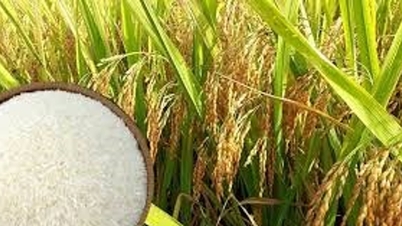
In Con Minh vermicelli-making village, Con Minh commune, people have gradually changed their production methods. From manual vermicelli-making stoves that started at 3-4 am, many households have formed cooperatives, invested in technology, and controlled product quality. With nearly 50 households regularly producing vermicelli and dozens of starch and vermicelli processing facilities, the locality supplies nearly 1,000 tons of vermicelli to the market each year, generating revenue of approximately 50 billion VND.
Ms. Nguyen Thi Hoan, Director of Tai Hoan Cooperative in Con Minh commune, shared: "Our unit has vermicelli made from cassava starch that meets the national 5-star OCOP standard and has been exporting to the European market since 2020. During the production process, we have made changes from raw materials, production processes to packaging and traceability to meet the requirements of the international market."
According to Ms. Hoan, participating in the OCOP program not only helps to elevate the quality of products but also changes the mindset of people in their profession, from small-scale production to production along the value chain.
 |
| Many products from the Con Minh vermicelli-making village have been exported. |
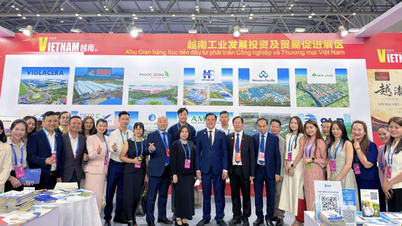
The story in Kunming shows that when craft villages know how to take advantage of raw materials, combine them with science and technology, and organize production systematically, they can not only preserve their craft but also reach the most demanding markets.
According to data from the Thai Nguyen Department of Agriculture and Environment, by the end of 2025, the province will have 287 recognized craft villages, with more than 45,000 production facilities, creating jobs for over 63,000 workers. This is an important force contributing to the transformation of the rural economic structure, job creation, and preservation of local cultural identity.
However, behind those figures lie numerous challenges. The majority of craft villages still operate on a household scale, using outdated equipment, resulting in inconsistent product quality. Their capacity for digital transformation and trade promotion remains limited, hindering their access to larger markets.
Mr. Nguyen My Hai, Deputy Director of the Department of Agriculture and Environment of Thai Nguyen Province: The biggest difficulty currently is that production is still small-scale, lacks linkages, and has low added value. In addition, the application of science and technology and digital transformation is still limited; these are bottlenecks that need to be addressed.
According to Mr. Hai, in the coming period, it is necessary to focus on building value chains, strengthening linkages between people, cooperatives and businesses; increasing the application of science and technology, developing products according to high-quality standards to meet market demands, while also strengthening the innovation of product packaging designs, promoting trade and gradually building brands.
In today's developing world, preserving traditional crafts is not just about maintaining a livelihood. It's also about preserving the memories, identity, and soul of each rural area. But for the flame of traditional crafts to continue burning, new "fuel sources" are certainly needed – from science and technology, production organization, to consumer markets. Only when all these elements converge will traditional crafts not only survive but also thrive in a new way of life.
Source: https://baothainguyen.vn/kinh-te/202605/giu-nghe-cu-mo-loi-di-moi-cdb1fb9/













































































Comment (0)