

In a business environment characterized by "volatility, uncertainty, complexity, and ambiguity"—as described by businesses—Vietnam's shrimp exports still managed to reach US$1.7 billion, a 32% increase in the first five months of the year, a truly encouraging result. According to the Vietnam Association of Seafood Processing and Export (VASEP), in the first five months of the year, both raw shrimp prices and export prices tended to increase. Strong demand in key markets such as China, Japan, South Korea, and the EU, as well as businesses boosting exports to the US ahead of President Trump's July 9th retaliatory tariff deadline, and the effects of FTAs such as CPTPP and RCEP, significantly contributed to this growth.
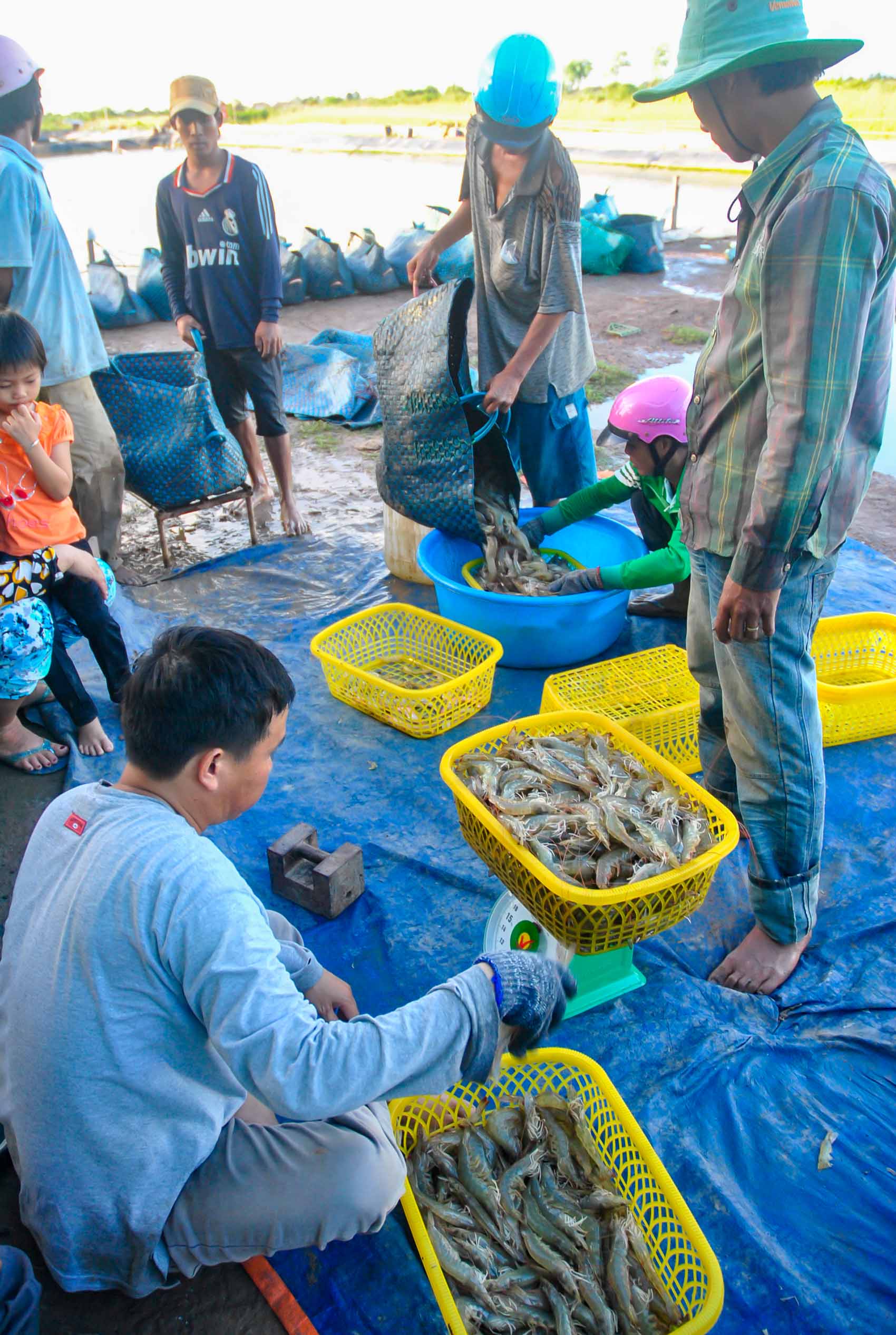 |
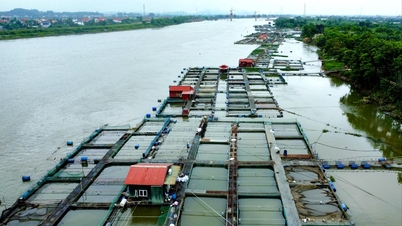
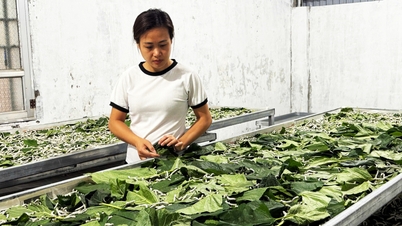
| The remaining months of 2025 will be a difficult and challenging time for both businesses and shrimp farmers. Photo: TICH CHU |
Among the main markets, China and Hong Kong (China) are leading in value, estimated at US$494 million, a 90% increase in the first five months of the year. Next is the US market, which, despite facing tariff risks, reached US$294 million, a 28.6% increase. Bright spots from Japan, Canada, and the UK contributed to shrimp exports to CPTPP markets reaching US$472 million, a 37% increase. The EU market also performed well with a 22% increase, including prominent markets such as Germany (28% increase), Belgium (41% increase), and finally, South Korea with a 13% increase, reaching US$140 million.
However, the journey of Vietnamese shrimp in the global market is also facing numerous difficulties and challenges, which, according to businesses, are at an unprecedented level. These include high raw material costs, competitive pressure from cheap shrimp, and risks from the preliminary anti-dumping duty of 35.29% and the expected counter-duty of up to 46%, seriously threatening competitiveness and supply chain stability. This is not to mention persistent internal difficulties, such as the increasingly complex shrimp disease situation, leading to higher prevention and control costs, but with less than expected effectiveness.
Currently, it's the peak season for shrimp farming, but prices have only decreased slightly. This is partly due to disease outbreaks, and partly because farmers lack capital and are hesitant to stock their entire ponds due to fear of risk. This has resulted in a smaller supply of shrimp on the market compared to previous years, and naturally, shrimp prices are unlikely to fall sharply. Although current prices have decreased, they are still 10,000-15,000 VND/kg higher than the same period last year (depending on size), and shrimp fry are being heavily promoted. However, farmers remain quite cautious about stocking. The high price of commercial shrimp benefits farmers but poses a challenge for export businesses as they have to compete with cheaper shrimp from Ecuador and India.
Returning to the story of tariffs from the US market. While the 46% counter-tariff remains uncertain due to the unannounced results of bilateral negotiations, on June 8th, during the 19th review (POR19), the US Department of Commerce (DOC) announced a preliminary anti-dumping tariff of over 35% on Vietnamese shrimp against the mandatory respondent, Soc Trang Aquatic Products Joint Stock Company (Stapimex). This is another surprise and a new shock for shrimp businesses, as Stapimex, a large enterprise with extensive experience and a strong track record in handling this case, is being subjected to an unprecedentedly high tariff.
According to my research, Vietnamese businesses currently sell shrimp to the United States using the DDP method, meaning they bear all tax risks themselves. Therefore, if the anti-dumping duty remains unchanged in the final ruling (expected in December 2025), it will be a significant financial burden for these businesses. While awaiting the final ruling, businesses still hope that Stapimex has the ability to persuade and explain its situation to the DOC members who will conduct an on-site inspection in Vietnam in the near future, in order to obtain the lowest possible duty rate. This hope is well-founded, because previously, Sao Ta was also subjected to a very high preliminary anti-dumping duty by the DOC, but after an on-site inspection in Vietnam, the DOC recognized Sao Ta's explanations and restored fairness to the company with a significantly lower duty rate compared to the preliminary rate.
The shrimp industry is facing unprecedented difficulties and challenges. Therefore, in addition to awaiting the results of bilateral negotiations on reciprocal tariffs and addressing the errors in the DOC's handling of anti-dumping tax data, VASEP recommends that businesses proactively expand their markets, invest in deep processing, and prepare complete legal documentation. Furthermore, VASEP has proposed that the Government and relevant ministries and agencies strengthen negotiations with the United States to protect the legitimate rights of businesses. This is a time when the shrimp industry needs the attention and support of the State, and the concerted efforts of businesses, farmers, and all stakeholders throughout the chain to overcome fluctuations and consolidate its position in the global market.
To conclude, I would like to borrow the words of Mr. Ho Quoc Luc - Chairman of the Board of Directors of Sao Ta Food Joint Stock Company: “Our shrimp industry is facing too many difficulties and hardships; it needs the joint efforts of the entire community in the entire value chain, with the role of processing enterprises at the center. Demonstrating awareness, responsibility, and resilience is not new or too difficult for our seafood entrepreneurs; we are experienced in the marketplace, diligent, hardworking, and flexible in handling pivotal situations. We are standing at a major turning point!”
PROTEIN
Source: https://baosoctrang.org.vn/tin-moi/202506/goc-nhin-kinh-te-tang-truong-and-lo-au-cf01ed2/


![[Photo] Reception to welcome General Secretary and President To Lam and his wife on their State visit to the Philippines](https://vphoto.vietnam.vn/thumb/1200x675/vietnam/resource/IMAGE/2026/06/01/1780295488620_vna-potal-chieu-dai-chao-mung-tong-bi-thu-chu-tich-nuoc-to-lam-va-phu-nhan-tham-cap-nha-nuoc-toi-philippines-8798060-7855-jpg.webp)
![[Photo] General Secretary and President To Lam and the President of the Philippines hold talks.](https://vphoto.vietnam.vn/thumb/1200x675/vietnam/resource/IMAGE/2026/06/01/1780286997787_anh-man-hinh-2026-06-01-luc-11-09-43.png)




































































Comment (0)