

The process of creating a magnificent princess dress from flower petals.
To bring the idea to life, the first step was to sketch the princess's portrait on paper. Mr. Pencil guided the children in drawing the basic features, from the face and the pretty little crown to the body shape. The bodice and dress were sketched simply with delicate lines, creating ideal space for attaching the materials.
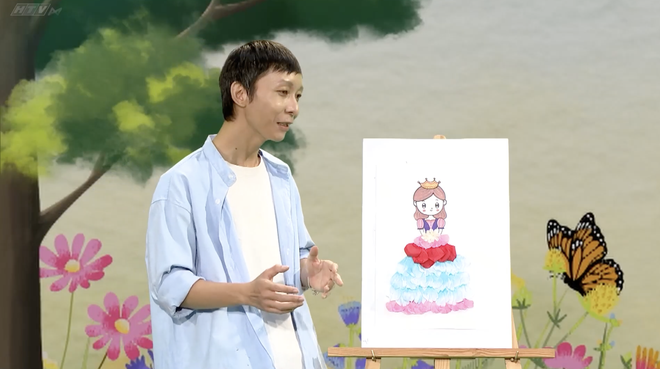
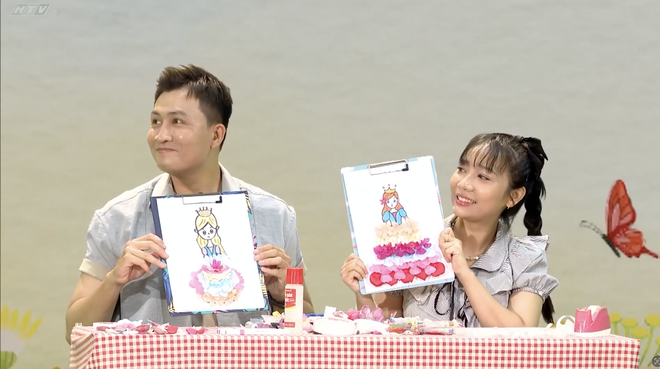
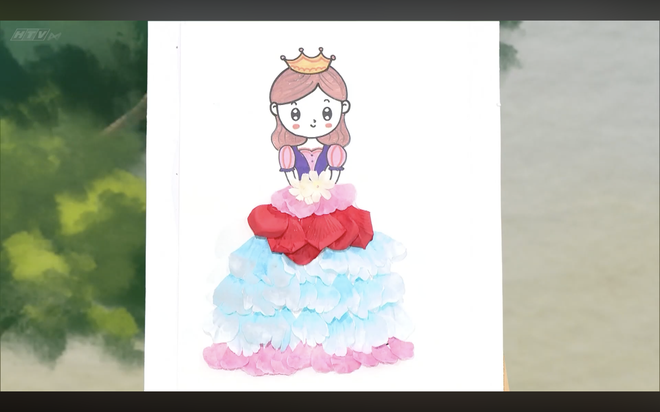
After completing the rough sketch, the most interesting and skillful step begins: attaching the petals. Using double-sided tape to cover the sketched dress, the children proceed to attach the petals layer by layer from top to bottom. This technique requires meticulousness as each layer of petals overlaps the previous one, creating a voluminous, interwoven effect of vibrant colors for the outfit. Finally, the tiny flowers are used to adorn the hair and skirt, combined with splashes of color to embellish the hair and accessories, completing a captivating work of art.
A colorful world : The amazing uses of flowers
Beyond simply being used for viewing and beautifying living spaces, flowers in nature possess many useful functions that we may never have noticed.
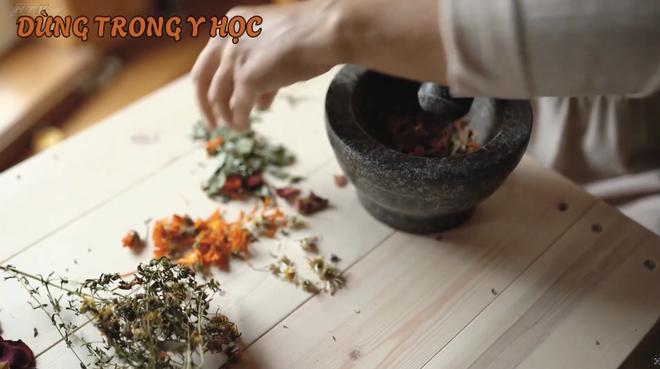
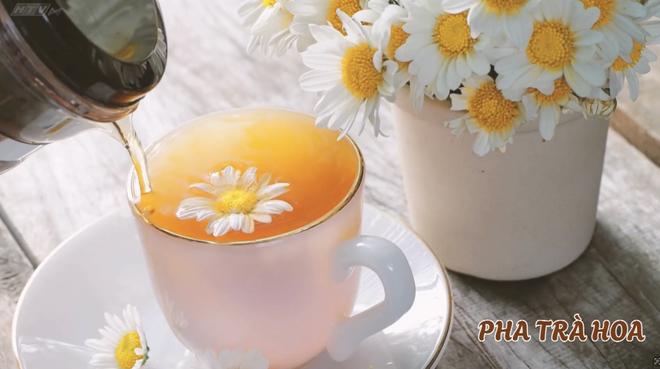
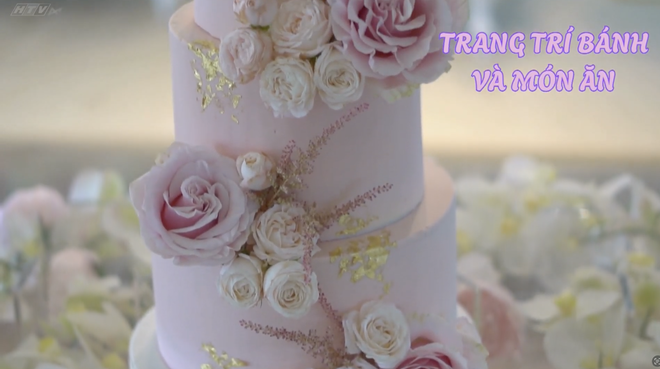
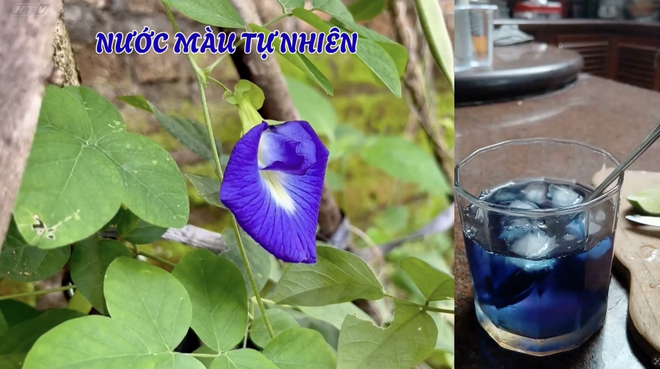
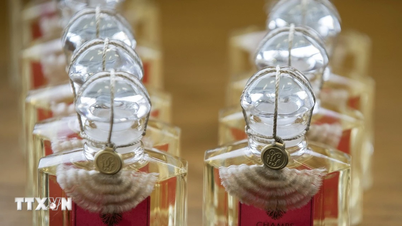
In addition, floral extracts are a core ingredient in the production of perfumes and cosmetics due to their pleasant, natural fragrance.
Create unique cake designs from clay.
Besides using artificial flower petals to make princess dresses, the activity of sculpting cakes from clay is also a lesson that stimulates children's aesthetic thinking and dexterity. With colorful blocks of clay, children can mold multi-tiered cakes according to their own preferences.
This activity not only hones fine motor skills but also provides a space for children to express their individuality through each unique handmade "cake."
Fun experiment: The color-changing magic of butterfly pea flower water.
An unmissable part of the exploration journey is the fun science experiment called "The Color Change of Butterfly Pea Flowers," guided by Wise Hedgehog.
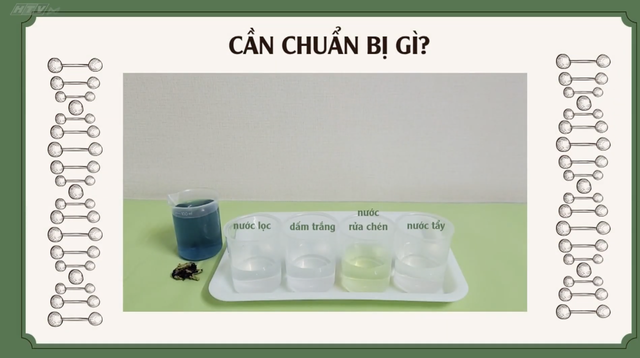
A glass of vinegar (a strongly acidic environment): As soon as it's mixed with vinegar, the butterfly pea flower water immediately turns a vibrant pink.
Diluted dishwashing liquid (mildly alkaline environment): The solution quickly turns a bright turquoise color.
Bleach solution (a very strong alkaline environment): The bluish-purple color is completely broken down, leaving the solution clear and colorless.
A glass of plain water: Butterfly pea flower water retains its characteristic bluish-purple color due to the neutral environment.
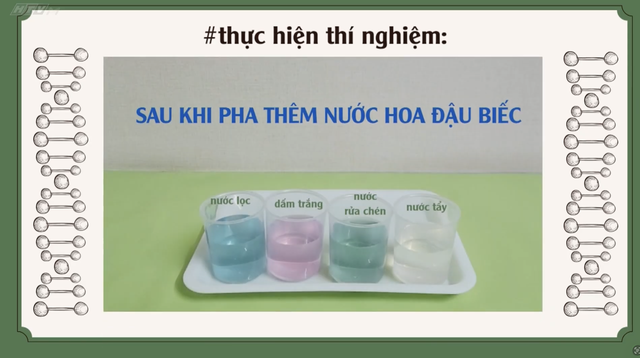
The scientific secret: This fascinating phenomenon occurs because butterfly pea flowers contain anthocyanin – a natural color indicator that is extremely sensitive to the pH (acidic or alkaline) of the environment.
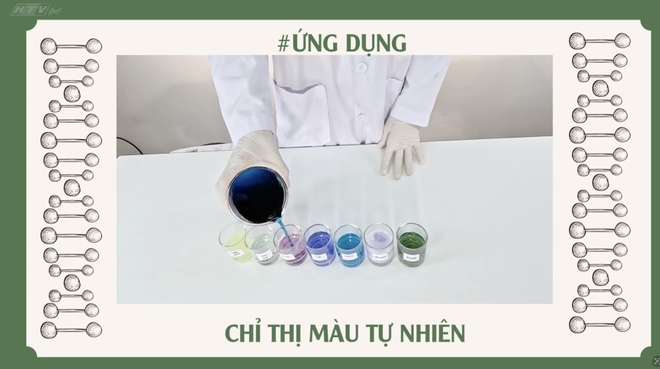
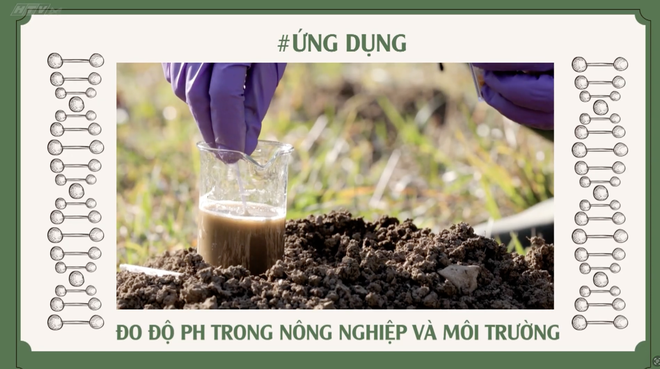
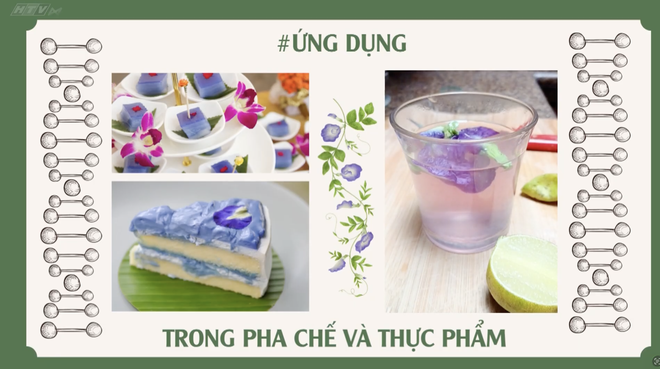
Applying this principle, butterfly pea flower water acts similarly to a natural litmus paper, helping to quickly identify the properties of compounds.
Source: https://htv.vn/goc-nho-ky-dieu-sang-tao-with-canh-hoa-222260528074646462.htm












![[Photo] Reception to welcome General Secretary and President To Lam and his wife on their State visit to the Philippines](https://vphoto.vietnam.vn/thumb/1200x675/vietnam/resource/IMAGE/2026/06/01/1780295488620_vna-potal-chieu-dai-chao-mung-tong-bi-thu-chu-tich-nuoc-to-lam-va-phu-nhan-tham-cap-nha-nuoc-toi-philippines-8798060-7855-jpg.webp)












































Comment (0)