

Filed in California (USA), the lawsuit, filed in 2020, alleged that Google continued to track, collect, and identify users' browsing data in real time even when they had Incognito mode open.
This class-action lawsuit alleges Google violated eavesdropping laws, claiming that websites using Google Analytics or Ad Manager collected information from browsers in Incognito mode, including content, device data, and IP addresses. The plaintiffs also allege Google took users' private browsing activity in Chrome and linked it to their existing user profiles.
For its part, Google initially dismissed the lawsuit by directing the notification to appear when users enable Chrome's incognito mode. The warning informs users that activity may still be visible to the websites they are visiting.
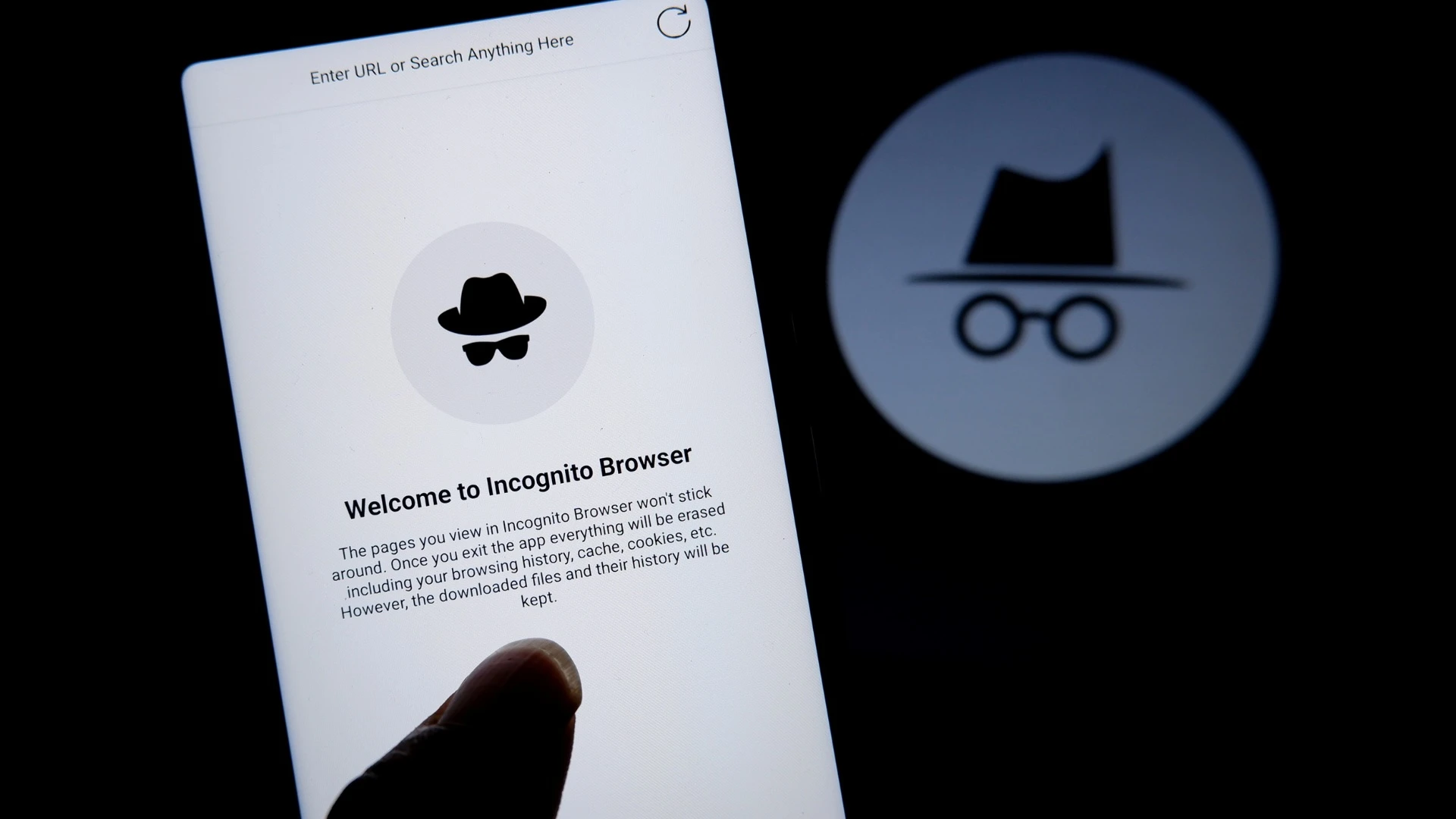
Google agreed to a settlement to avoid paying billions of dollars in a class-action lawsuit in 2020.
However, Judge Yvonne Gonzalez Rogers rejected Google's appeal last August, pointing out that the Chrome browser owner never informed users that data collection would continue even when browsing in incognito mode. She stated that Google's action was based on the idea that the plaintiffs had consented to the company collecting data while they were browsing privately. Because Google never explicitly told users that it was doing so, the court could not consider the users to have consented to the data collection.
According to a recent announcement, Google and the plaintiffs have agreed to terms that led to the dismissal of the lawsuit. The agreement will be submitted to the court at the end of January and will undergo final approval at the end of February.
Source link

![[Photo] Prime Minister Pham Minh Chinh attends the Conference on the Implementation of Tasks for 2026 of the Industry and Trade Sector](/_next/image?url=https%3A%2F%2Fvphoto.vietnam.vn%2Fthumb%2F1200x675%2Fvietnam%2Fresource%2FIMAGE%2F2025%2F12%2F19%2F1766159500458_ndo_br_shared31-jpg.webp&w=3840&q=75)




































































































Comment (0)