The journey towards ethnic equality and gender equality
Báo Tin Tức•01/09/2023
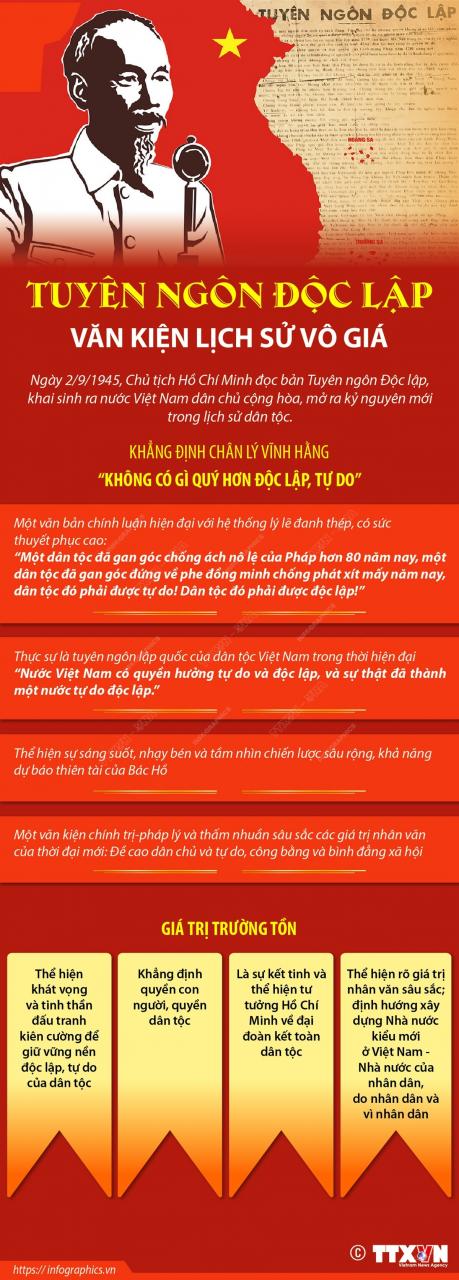
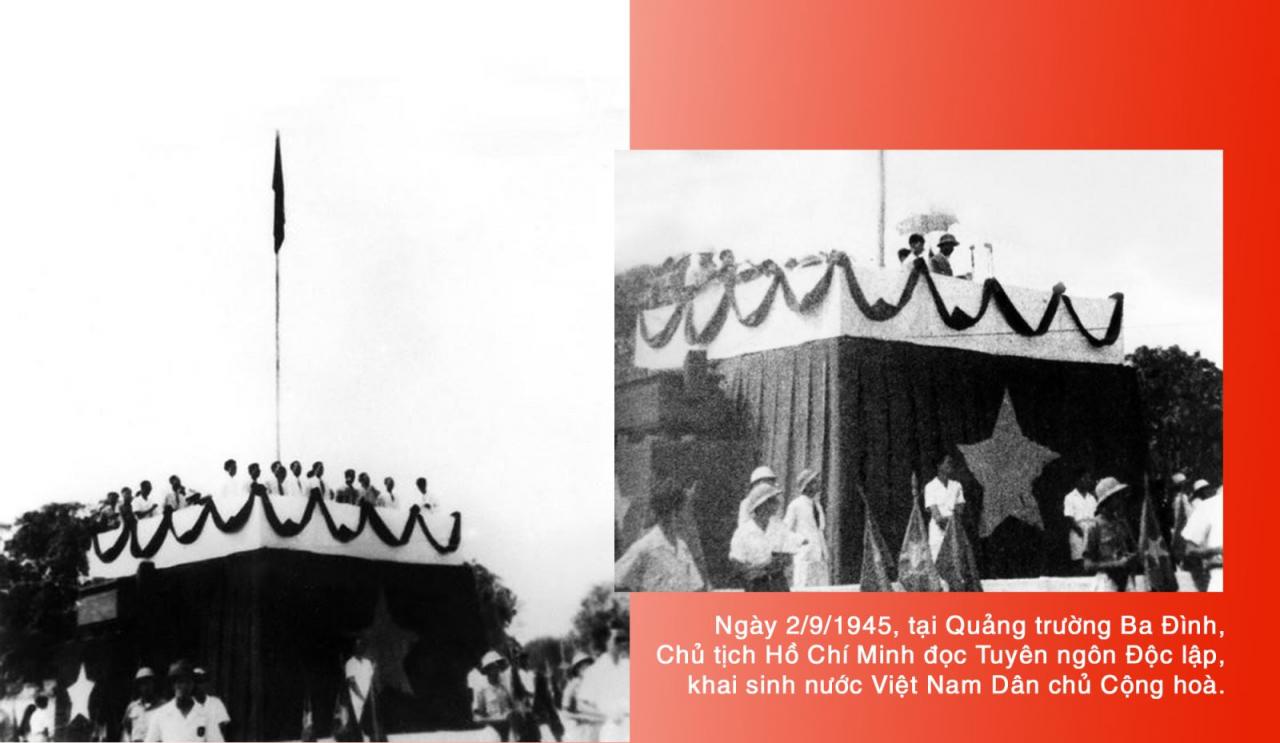
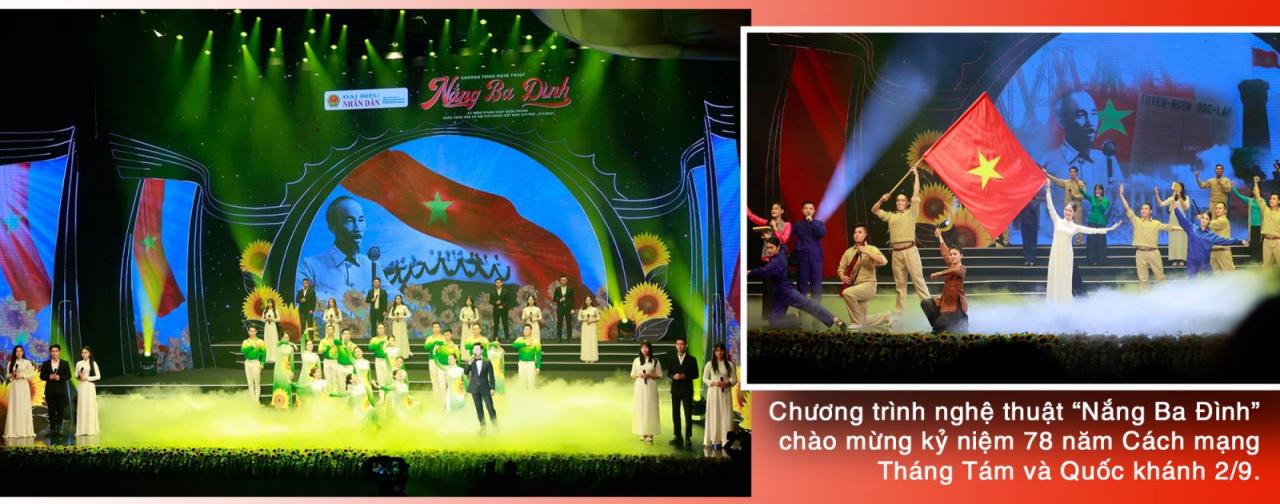
On September 2, 1945, President Ho Chi Minh read the Declaration of Independence, declaring to the entire nation and the world : “Vietnam has the right to enjoy freedom and independence, and in fact has become a free and independent nation. The entire Vietnamese people are determined to dedicate all their spirit and strength, lives and property to safeguard that right to freedom and independence.” The Declaration of Independence was the first document affirming the human rights, freedom, and equality of the Vietnamese people in accordance with international morality and law. Over the past 78 years, these rights, including the right to equality among nations and gender equality, have achieved significant progress in our country.
Vietnam is currently a unified nation with 54 ethnic groups and approximately 100 million people, of which ethnic minorities account for 14.3%, or over 12.3 million people.
On April 19, 1946, not long after the establishment of the Democratic Republic of Vietnam, President Ho Chi Minh sent a letter to the Congress of Ethnic Minorities in Southern Vietnam in Pleiku (Gia Lai province), affirming: “Whether Kinh or Tho, Muong or Man, Gia Rai or Ede, Sedang or Bana, and other ethnic minorities, all are descendants of Vietnam, all are brothers and sisters. We live and die together, share joy and sorrow together, help each other in times of plenty and scarcity.” This can be considered a concise declaration of the Party and State's policy of national unity.
The five constitutions of Vietnam throughout history, from the founding of the Democratic Republic of Vietnam to the present day – the 1946 Constitution, the 1959 Constitution, the 1980 Constitution, the 1992 Constitution (amended and supplemented in 2001), and the 2013 Constitution – all recognize and affirm the equal rights of all ethnic groups in our country. Any act of contempt, oppression, or division among ethnic groups is strictly prohibited.
Article 5 of the 1992 Constitution affirms: The Socialist Republic of Vietnam is a unified state of all ethnic groups living together in Vietnam. The State implements a policy of equality, solidarity, and mutual assistance among ethnic groups. Ethnic groups have the right to use their own languages and scripts, preserve their ethnic identities, and promote their customs, traditions, and fine cultural values. The State implements a policy of comprehensive development, gradually improving the material and spiritual lives of ethnic minority communities.
The 2013 Constitution declares: The Socialist Republic of Vietnam is a unified nation of ethnic groups living together in Vietnam. All ethnic groups are equal, united, respect and support each other's development. The national language is Vietnamese. All ethnic groups have the right to use their own spoken and written languages, preserve their ethnic identity, and promote their customs, traditions, and positive cultural values. The State implements a policy of comprehensive development and creates conditions for all ethnic minorities to develop their internal strengths and contribute to the country's development.
The constitutional principle of equality among ethnic groups has been consistently reflected throughout the entire Vietnamese legal system, institutionalized and concretized in various legal documents: the Law on National Assembly Elections, the Law on Nationality, the Penal Code; the Criminal Procedure Code; the Civil Code; the Civil Procedure Code; the Labor Law; the Education Law; the Law on Protection of Public Health; the Law on State Liability for Compensation; and many other legal documents.
Furthermore, regulations on equality among ethnic groups are institutionalized through the establishment of the National Council, whose nhiệm vụ is to research and make recommendations to the National Assembly on ethnic affairs; to exercise the right to supervise the implementation of ethnic policies, programs, and socio-economic development plans in mountainous areas and regions inhabited by ethnic minorities. Within the Government, there is a ministerial-level agency – the Committee for Ethnic Affairs – which is the specialized agency for ethnic affairs.
Every citizen in Vietnam is guaranteed the right to participate in the political system, to participate in the management of the State and society, and to run for election to the National Assembly and People's Councils at all levels. In recent years, the proportion of ethnic minorities participating in the political apparatus has been increasing. The number of National Assembly deputies from ethnic minorities has consistently accounted for a high percentage of the population. In four consecutive National Assembly terms, the number of National Assembly deputies from ethnic minorities ranged from 15.6% to 17.27%, higher than the proportion of ethnic minorities in the total population, which is 14.3%.
Among the 499 elected representatives to the 15th National Assembly (2021-2026), 89 are ethnic minority representatives from the following ethnic groups: Tay, Thai, Mong, Muong, Khmer, Cham, Ede, Kho Mu, Nung, Giay, San Diu, Tho, Xo Dang, Brau, San Chay (Cao Lan), Lu, La Chi, Van Kieu, Lao, Hoa, Co Ho… Localities with a high percentage of elected ethnic minority representatives include: Son La, Tuyen Quang, Lang Son, Ha Giang, Lai Chau, Bac Kan, Soc Trang, and Dak Lak.
According to the Committee for Ethnic Minorities, there are currently 68,781 civil servants from ethnic minority groups nationwide, accounting for 11.68% of the total civil servant workforce. Ethnic minority civil servants and public employees are given priority in planning, recruitment, employment, and appointment to the state agency system.
With their scattered and interspersed settlement patterns, primarily concentrated in mountainous regions, especially the Northwest, Central Highlands, and Southwest Vietnam, the level of development of ethnic minority communities remains low compared to the national average. To support ethnic minority communities in realizing their equal rights, improving their material and spiritual lives, and gradually narrowing the development gap between ethnic groups, the Party and State have, in recent years, given high priority to implementing socio-economic development policies for ethnic minority areas.
Many programs have yielded practical results, such as: the Government's Action Program 122 on Ethnic Affairs; Government Resolution 30a/2008/NQ-CP on Sustainable Poverty Reduction; Program 135 (Phase 2) on Socio-Economic Development of Particularly Difficult Communes in Ethnic Minority, Mountainous, and Remote Areas; policies and programs prioritizing investment in infrastructure, resolving issues related to production land and housing (Decision 132); support for production land, housing, and essential needs for production and life for poor ethnic minority people (Decision 134)...
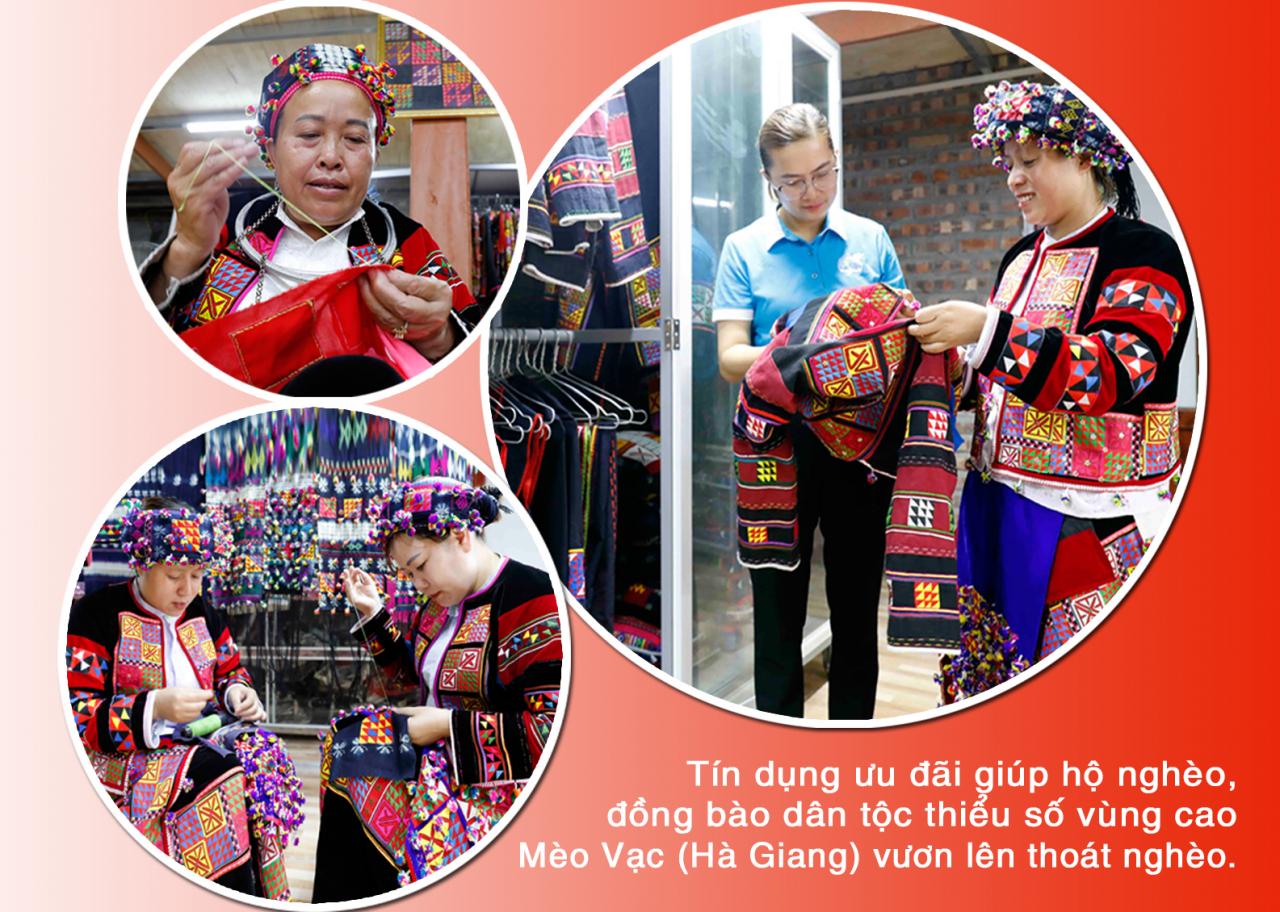
Thanks to the sound policies and guidelines of the Party and the State, the socio-economic situation in ethnic minority and mountainous areas has improved significantly. From 2007 to the present, 118,530 households of ethnic minorities in extremely difficult circumstances have received loans, 33,969 households have received support for production development, 80,218 households have received support for expanding livestock farming, and 4,343 households have received support for expanding into service industries.
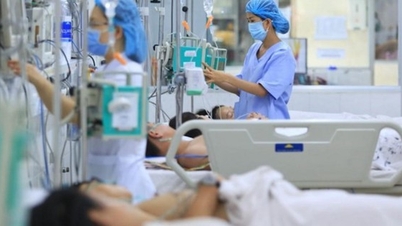
The quality of life for ethnic minorities has also gradually improved. Infrastructure ensuring the protection and care of their health has been invested in and built. To date, 100% of communes have health stations and health workers, 100% of districts have health centers and doctors; the number of malnourished children under 5 years old has decreased to below 25%. Some diseases that were previously common in ethnic minority and mountainous areas such as malaria, goiter, leprosy, and tuberculosis have been contained and eradicated.
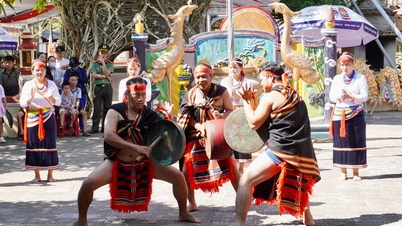
The cultural and spiritual lives of ethnic minority communities have improved significantly in recent years, and their cultural enjoyment has been enhanced. Many aspects of ethnic minority cultures have been preserved and developed, and recognized as world cultural heritage sites, such as the "Gong Culture Space of the Central Highlands," the "My Son Sanctuary," and the "Dong Van Stone Plateau." Radio and television programs in both Vietnamese and 26 ethnic minority languages are broadcast to remote villages.
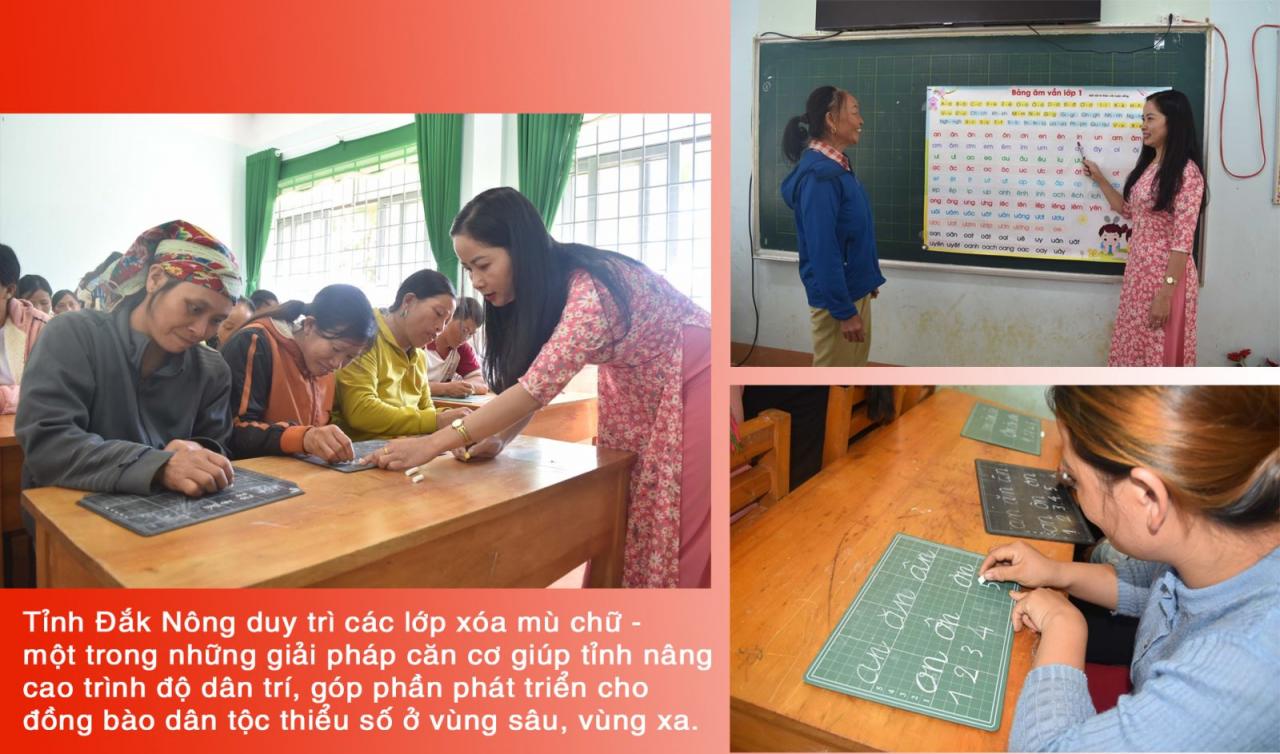
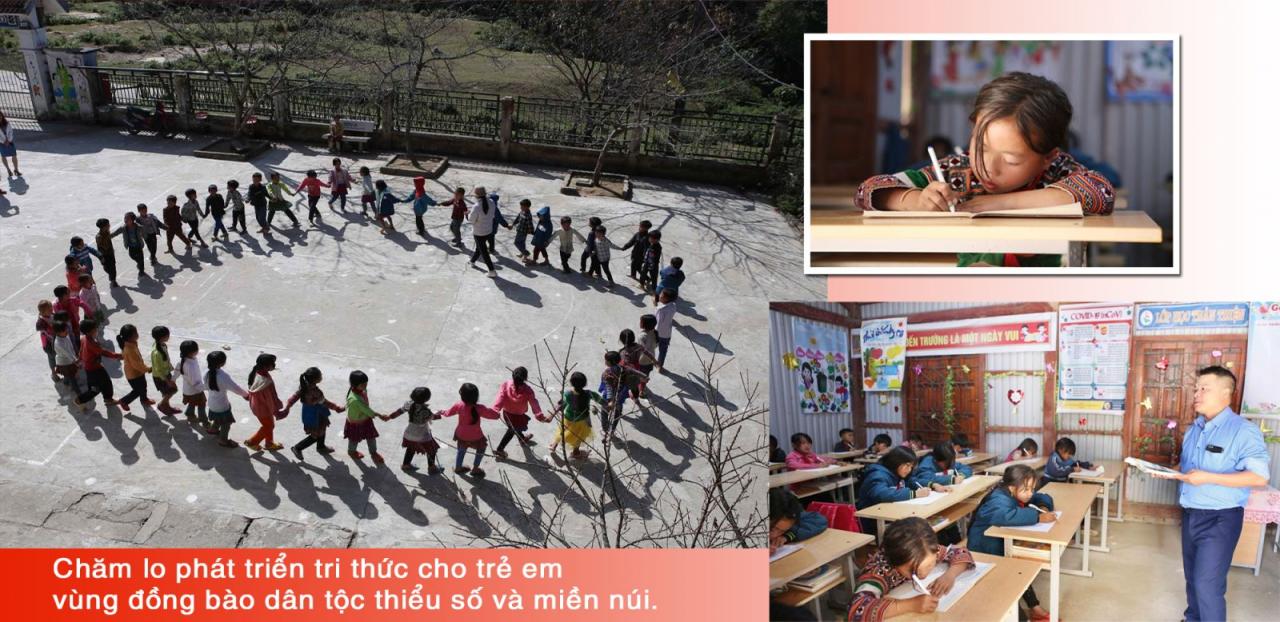
In addition, education and training, and raising the intellectual level of the people in areas with large ethnic minority populations, have been given strong attention and achieved many important results. The system of vocational high schools, colleges, and vocational training schools; as well as boarding schools, semi-boarding schools, and pre-university programs for ethnic minorities in these areas have all been invested in and developed. Since 2012, 100% of communes have achieved universal primary education, many have achieved universal lower secondary education, and 95% of ethnic minority children attend school.
In the Declaration of Independence, President Ho Chi Minh wrote: "All people are born equal." Thus, gender equality is also a guarantee of fundamental human rights.
The Democratic Republic of Vietnam was established on September 2, 1945, and its 1946 Constitution already stipulated gender equality. Article 9 of the 1946 Constitution clearly states: "Women have equal rights with men in all respects."
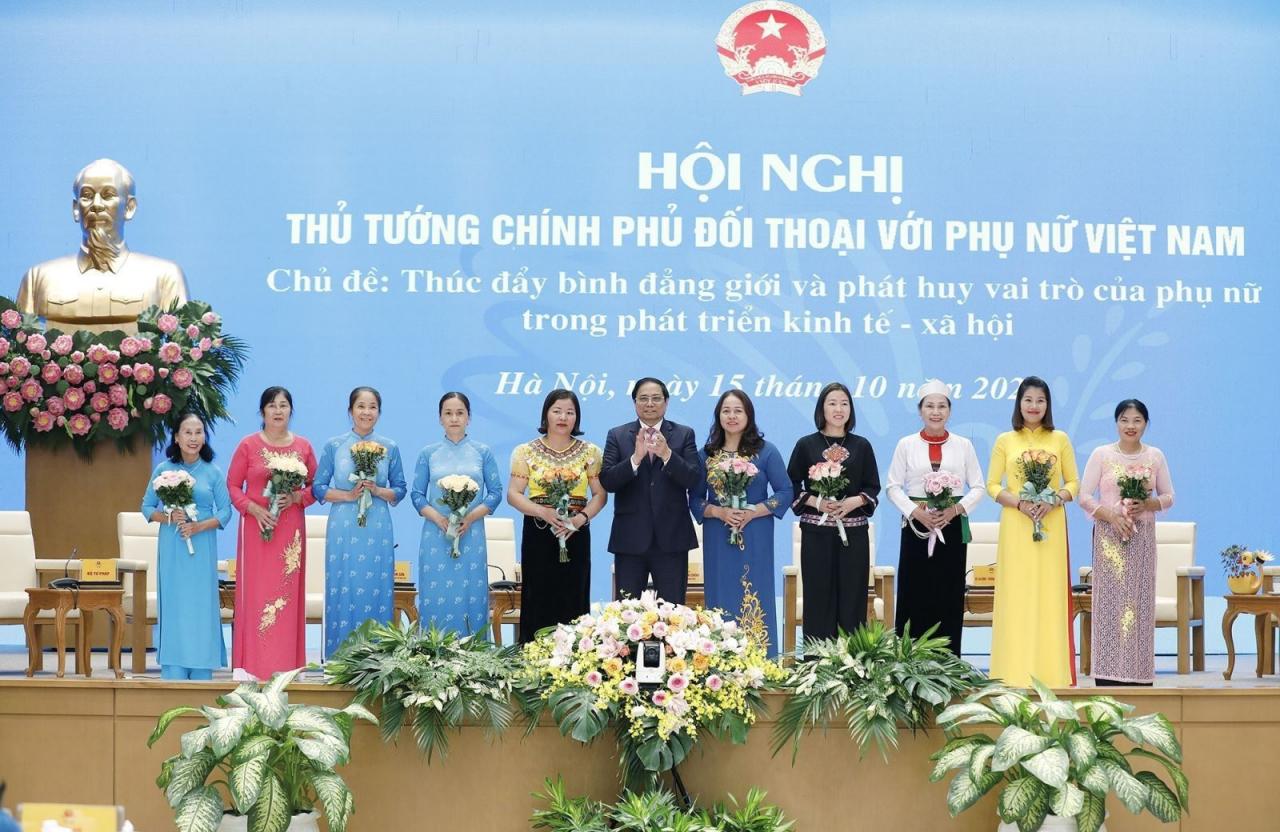
Prime Minister Pham Minh Chinh presents flowers to outstanding female entrepreneurs participating in the Project to Support Women's Entrepreneurship giai đoạn 2017 - 2025.
In the 1959 Constitution, the rights and obligations of women were more clearly defined. The 2013 Constitution provided very detailed regulations on women's rights, building upon and developing the provisions of previous Constitutions. To further concretize these constitutional provisions, the Law on Gender Equality was enacted in 2006 and has become increasingly effective.
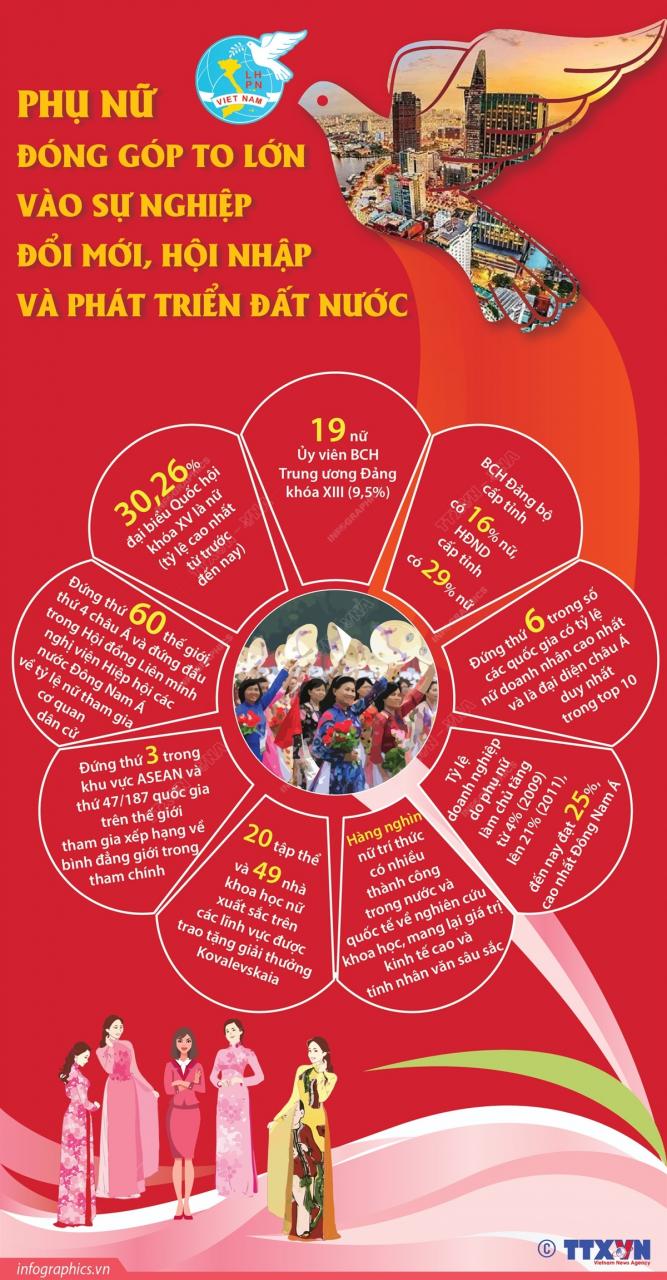
The 15th National Assembly of Vietnam, elected on May 23, 2021, has 499 delegates, including 151 female delegates, accounting for 30.26%. This is the second time that the number of female delegates in the National Assembly of Vietnam has exceeded 30% (the first time was in the 5th National Assembly, at 32.31%), and the first time since the 6th National Assembly that the number of female delegates has exceeded 30%.
The number of female delegates in provincial-level People's Councils reached 26.5% (an increase of 1.37% compared to the previous term); at the district level, it reached 27.9% (an increase of 3.2% compared to the previous term).
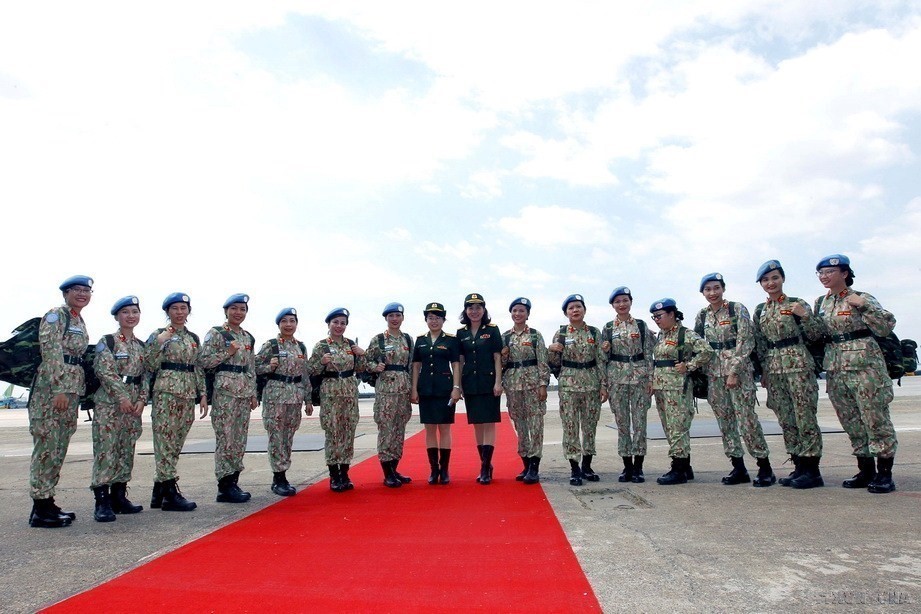
Female officers and soldiers participating in the Level 2 Field Hospital No. 3 team serving in the UN peacekeeping mission in Bentiu, South Sudan.
At the 13th National Congress of the Communist Party of Vietnam, among the officially elected members of the Central Committee, there were 18 female delegates (not including 1 alternate member, an increase of 1 delegate compared to the 12th term).
According to statistics from the Vietnam Women's Union, during this term, at the grassroots level, the number of women participating in Party committees reached 21%, an increase of 2%; at the higher-level Party committees, it reached 17%, an increase of 2%. For Party committees directly under the Central Committee, the percentage of women reached 16%, an increase of 3% compared to the previous term.
Thanks to the correct policies and guidelines of the Party and the State, the field of gender equality in general, and gender equality in leadership and management in particular, has achieved many successes and has been recognized by the international community. Vietnam ranks 51st in the world, 4th in Asia, and first in the ASEAN Inter-Parliamentary Assembly Council in terms of the percentage of female National Assembly deputies. The gender equality index is constantly improving. In 2020, Vietnam ranked 87th out of 153 countries surveyed worldwide in narrowing the gender gap.
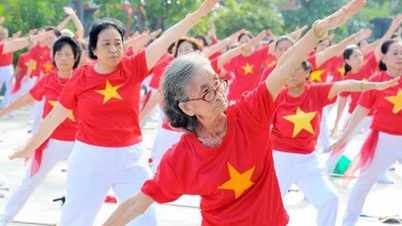
Furthermore, achievements in gender equality are also reflected in reducing the gender gap in the economic, labor, and employment sectors; enhancing women's economic empowerment; increasing access for poor rural women and ethnic minority women to economic resources and the labor market; and focusing on developing high-quality female human resources. The percentage of businesses owned by women reached 26.5%, ranking 9th out of 58 countries and economies studied; many female entrepreneurs have prestige and high rankings in the region and the world. In the fields of culture and sports, many women have won regional and international awards. Female ambassadors, female diplomats, female police officers, and female soldiers participating in United Nations peacekeeping operations have become "ambassadors" of peace, friendship, cooperation, and development for our country in foreign affairs... The number of female human resources in scientific research has increased significantly. Many women are professors, associate professors, and doctors. Thousands of female intellectuals have achieved great success domestically and internationally in scientific research, bringing high economic value and profound, noble humanistic values.
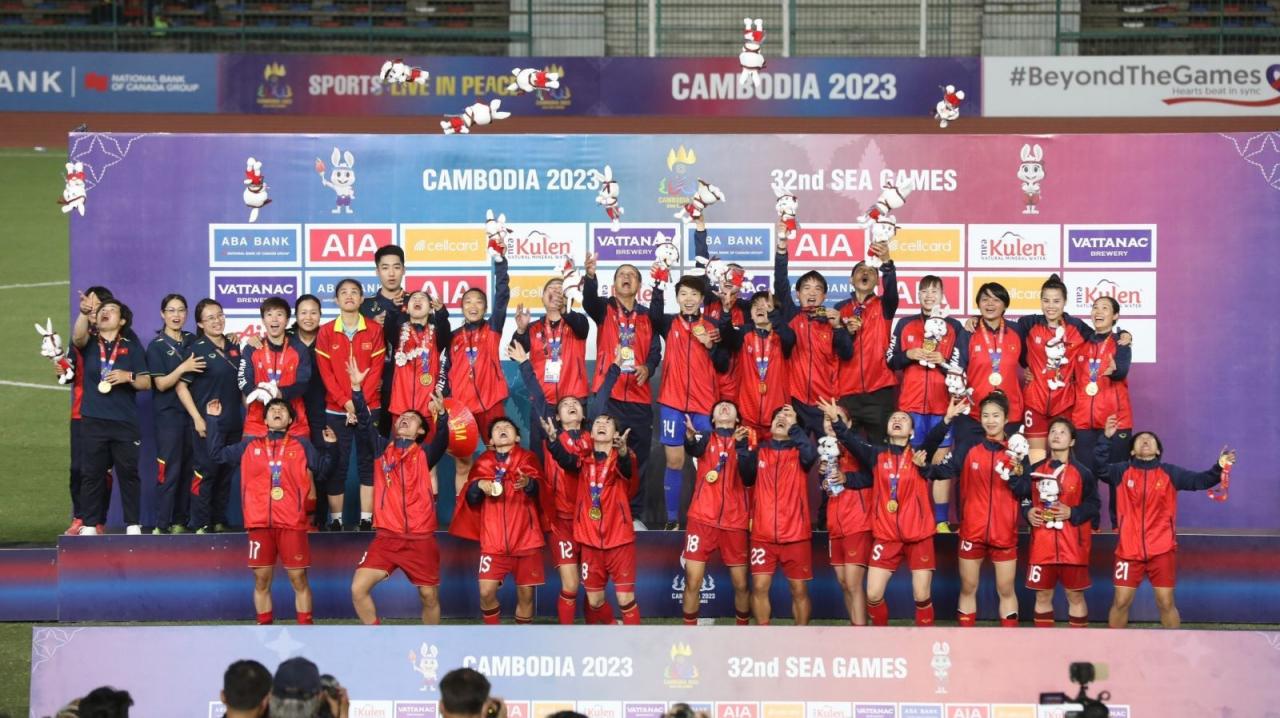
The players and coaching staff of the Vietnamese women's football team celebrated their victory and gold medal win at the 32nd SEA Games.
At the online conference of the Prime Minister's dialogue with Vietnamese women, themed "Promoting gender equality and enhancing the role of women in socio-economic development" in October 2022, Prime Minister Pham Minh Chinh affirmed: It is necessary to continue to correctly understand the role and position of women, women's affairs, and gender equality. We still have much work to do to bring a better life to women, to give women opportunities and conditions to contribute to society and the country, ensuring that no one is left behind; and to jointly address and share responsibility in achieving gender equality goals and the advancement of women.
Article: Tran Quang Vinh - Phuong Anh Photos and graphics: VNA Edited by: Ky Thu Layout: Quoc Binh























![[Photo] Reception to welcome General Secretary and President To Lam and his wife on their State visit to the Philippines](https://vphoto.vietnam.vn/thumb/1200x675/vietnam/resource/IMAGE/2026/06/01/1780295488620_vna-potal-chieu-dai-chao-mung-tong-bi-thu-chu-tich-nuoc-to-lam-va-phu-nhan-tham-cap-nha-nuoc-toi-philippines-8798060-7855-jpg.webp)












































Comment (0)