

From changes in life
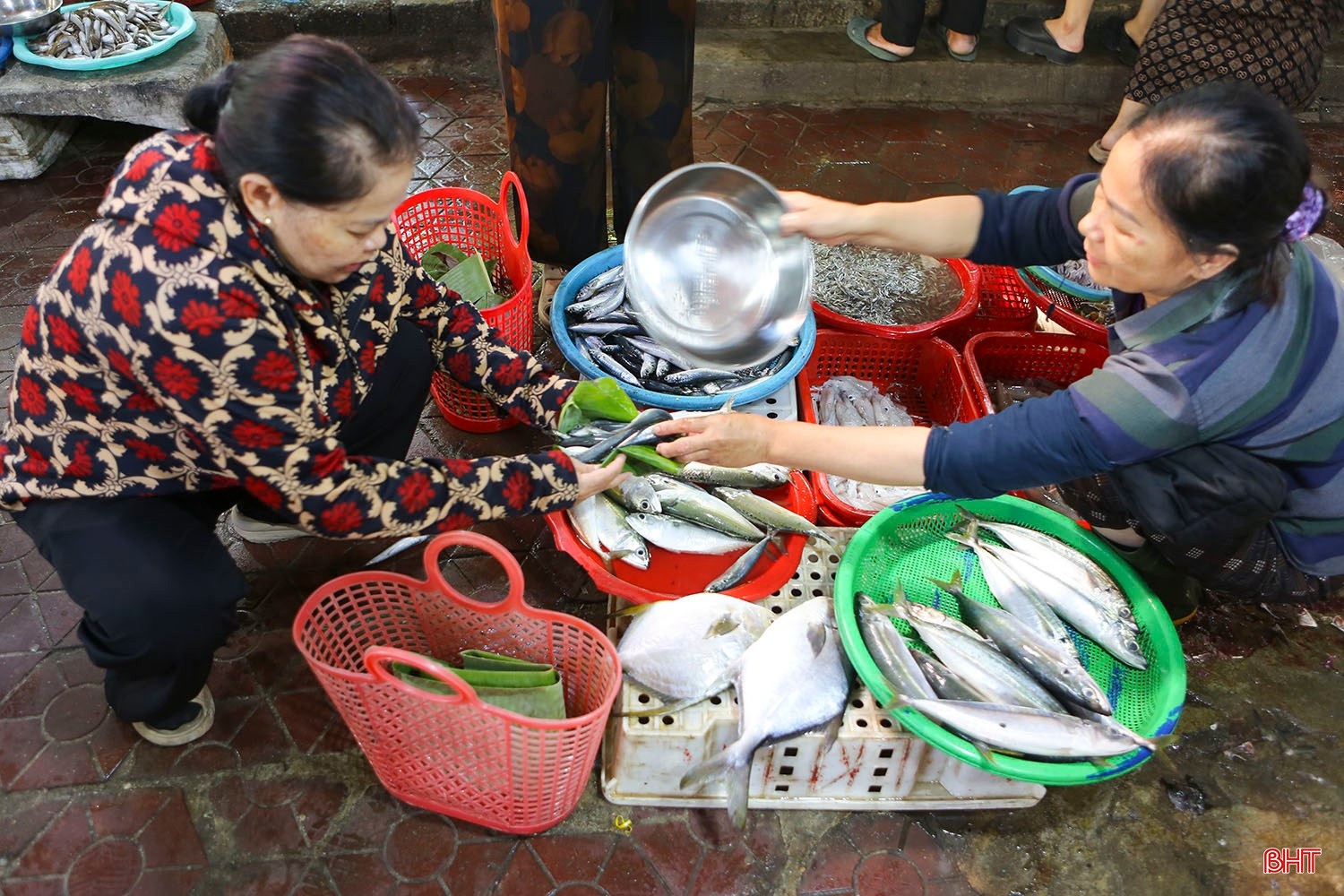
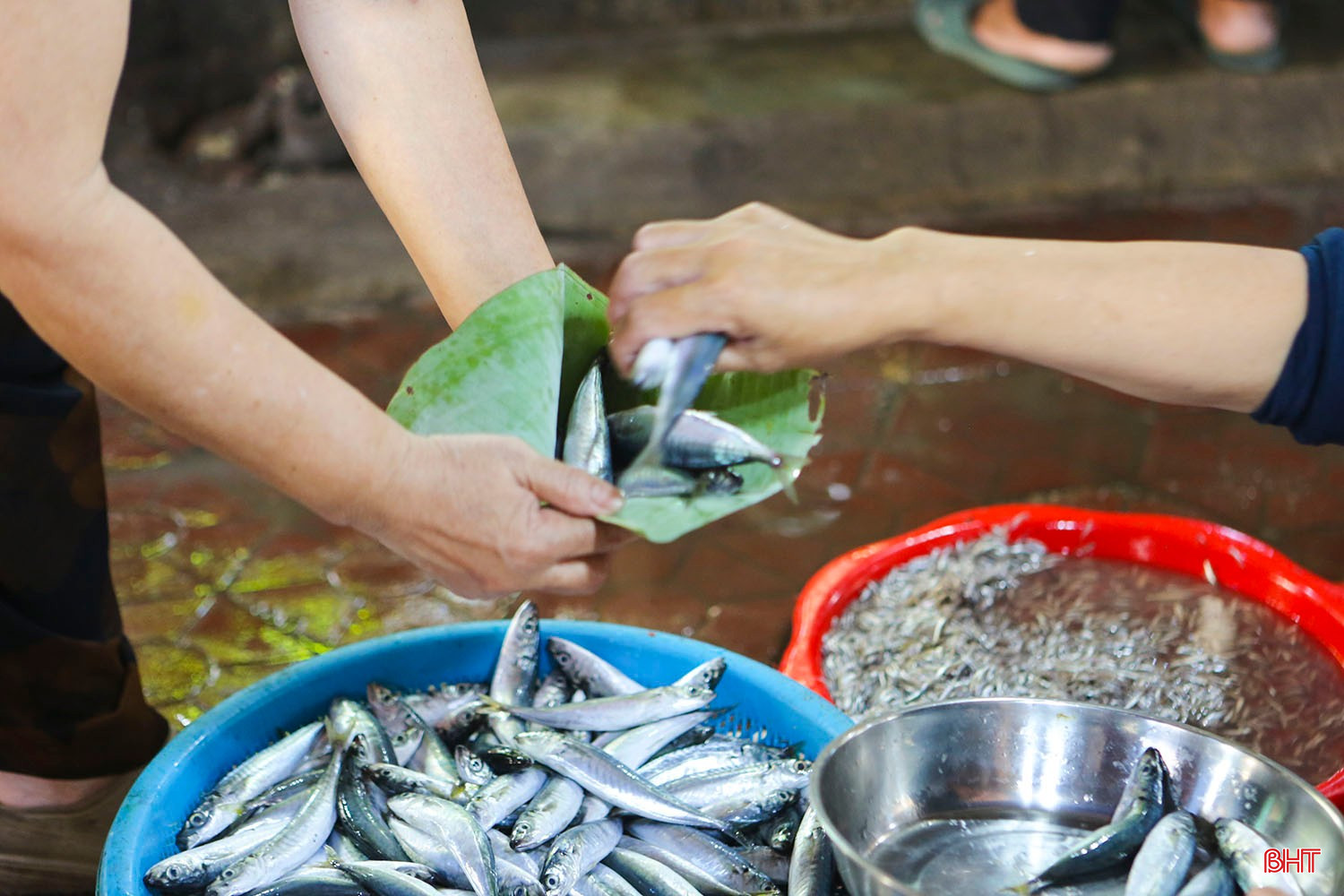
Arriving at Thach Ha Market (Tran Phu Ward) on a bustling morning, I was quite surprised to see, amidst rows of stalls overflowing with food and vegetables, women carrying plastic baskets filled with green vegetables, meat, and fish wrapped in banana leaves. However, this has become a familiar sight in the daily life of this traditional market.
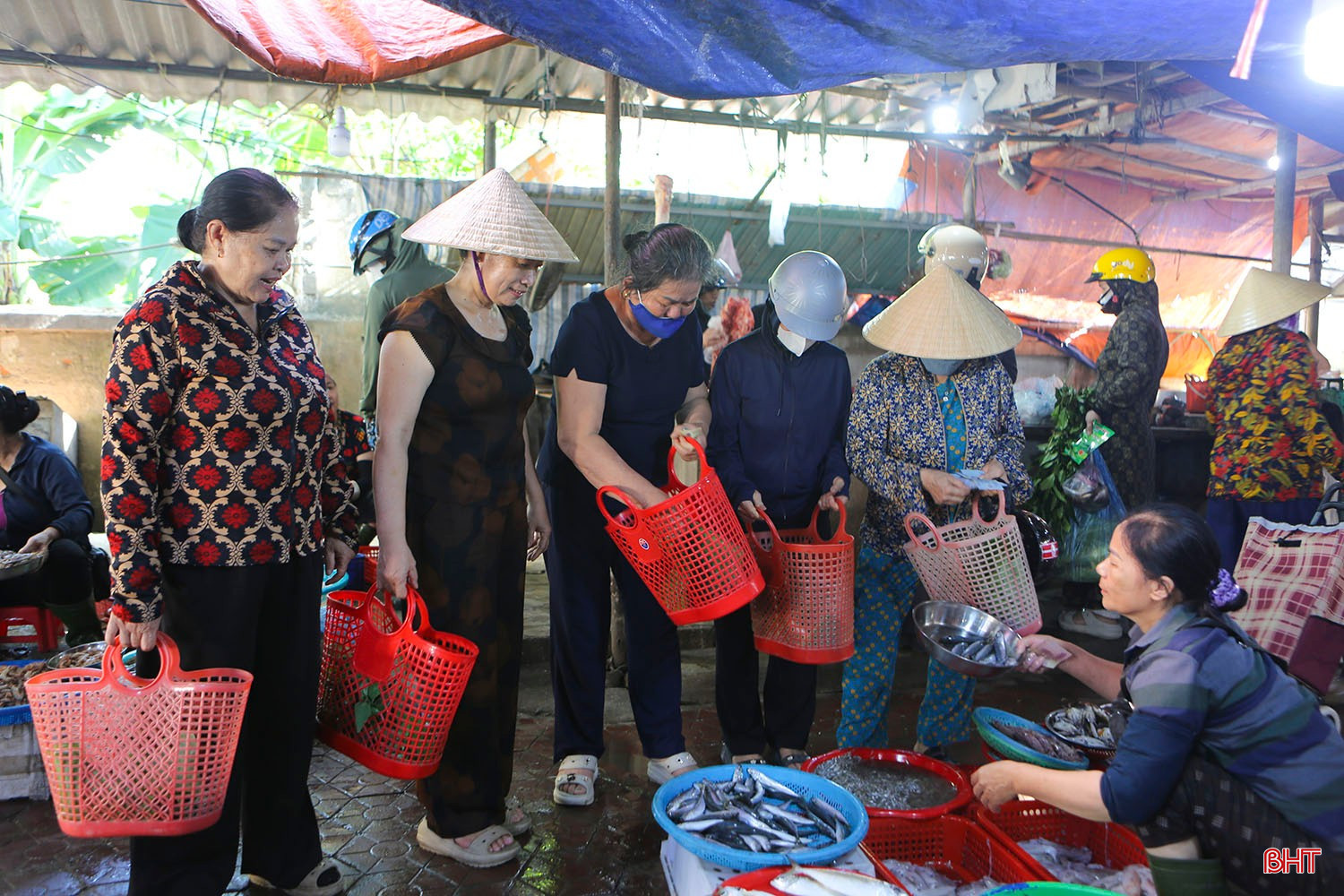
Ms. Nguyen Thi Minh, Head of the Women's Association of Tan Hoc residential area, shared: “Starting from the '5 No's, 3 Cleanliness' movement, now the '5 Yes's, Civilized Urban Area' movement launched by women's associations at all levels, for about 5 years now, the association has maintained many green practices in daily life such as using reusable shopping bags, limiting the use of plastic bags, sorting waste at source, and keeping houses, kitchens, gardens, and streets green, clean, and beautiful. Most importantly, the women see the change in their living environment, so everyone is voluntarily participating.”
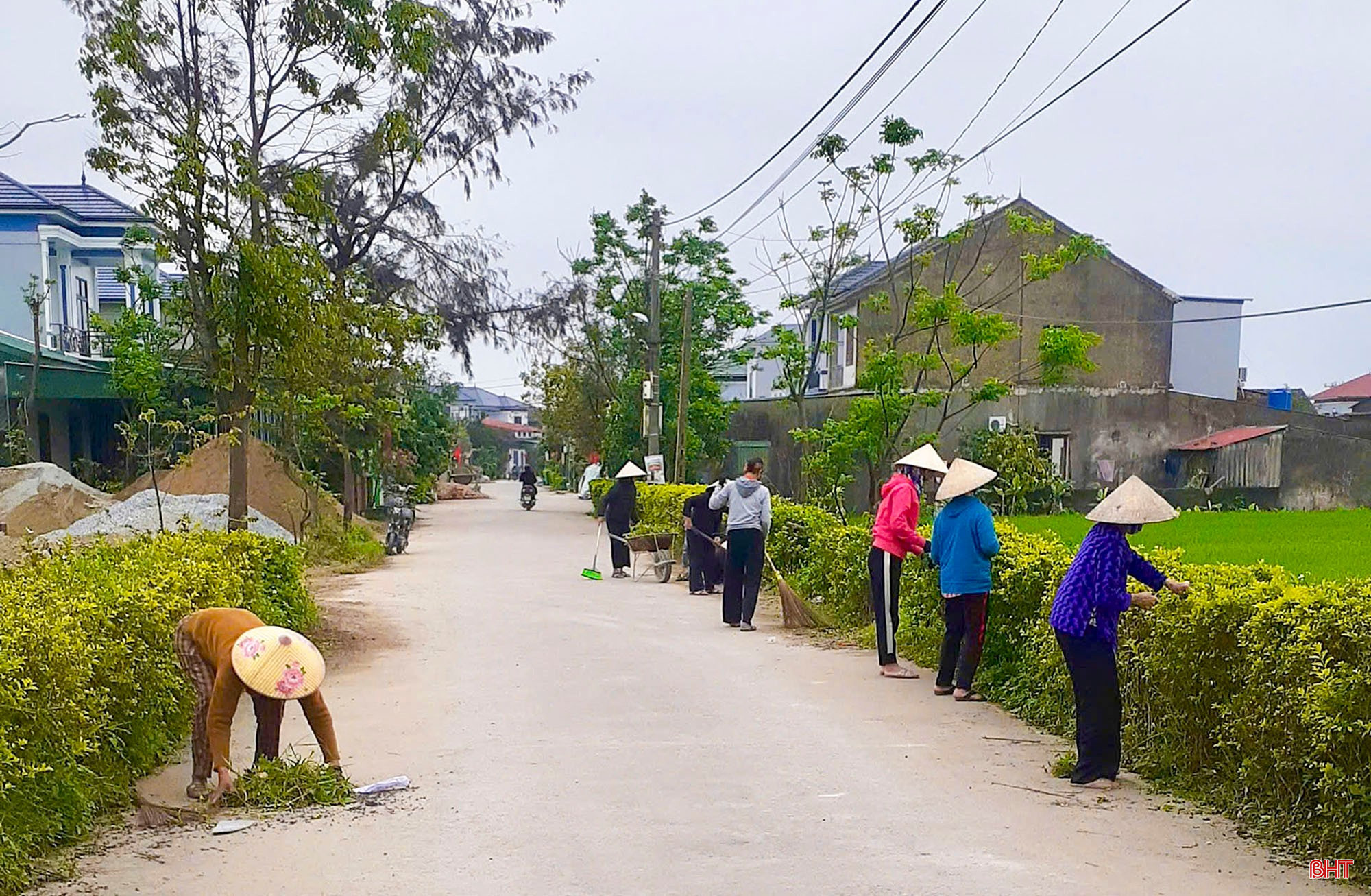
Not only in Tan Hoc, but in many residential areas in Tran Phu ward, a green lifestyle is spreading through simple actions. Streets are becoming cleaner, and the movement to build clean houses and beautiful gardens is gradually becoming a habit. Every weekend, women's associations and other organizations simultaneously launch environmental cleanup campaigns and check household waste sorting as part of their daily activities.
While in urban areas, a green lifestyle begins with reducing plastic waste, in the rural area of Ky Xuan, the change is linked to circular agricultural production. In Dong Son village, many families maintain a system of sorting waste into three groups: organic waste, recyclable waste, and non-recyclable waste. The trash cans placed in the corners of the gardens are no longer just a "model example" but have become a familiar part of daily life. For many farming households, organic waste is utilized as fertilizer for crops.
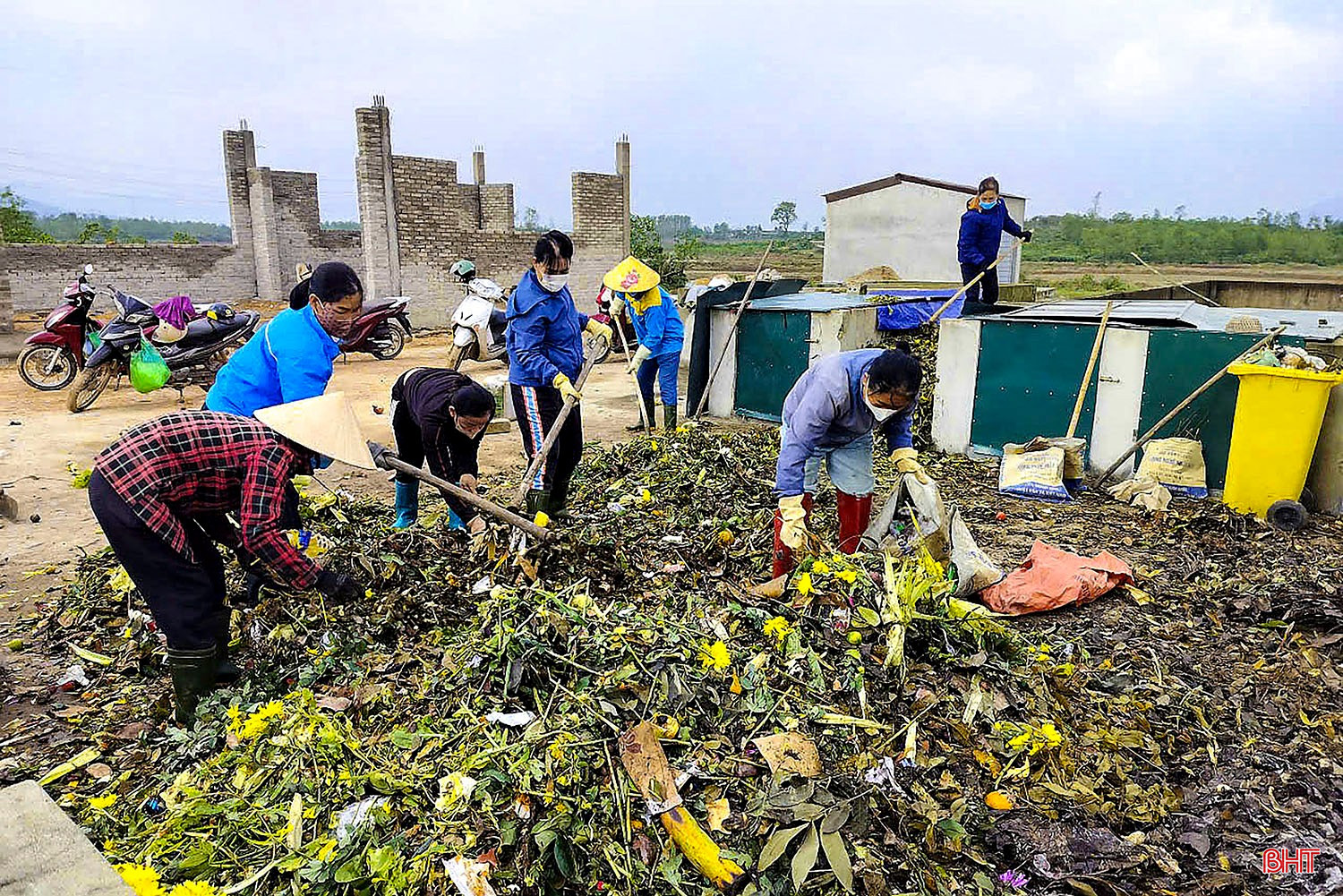
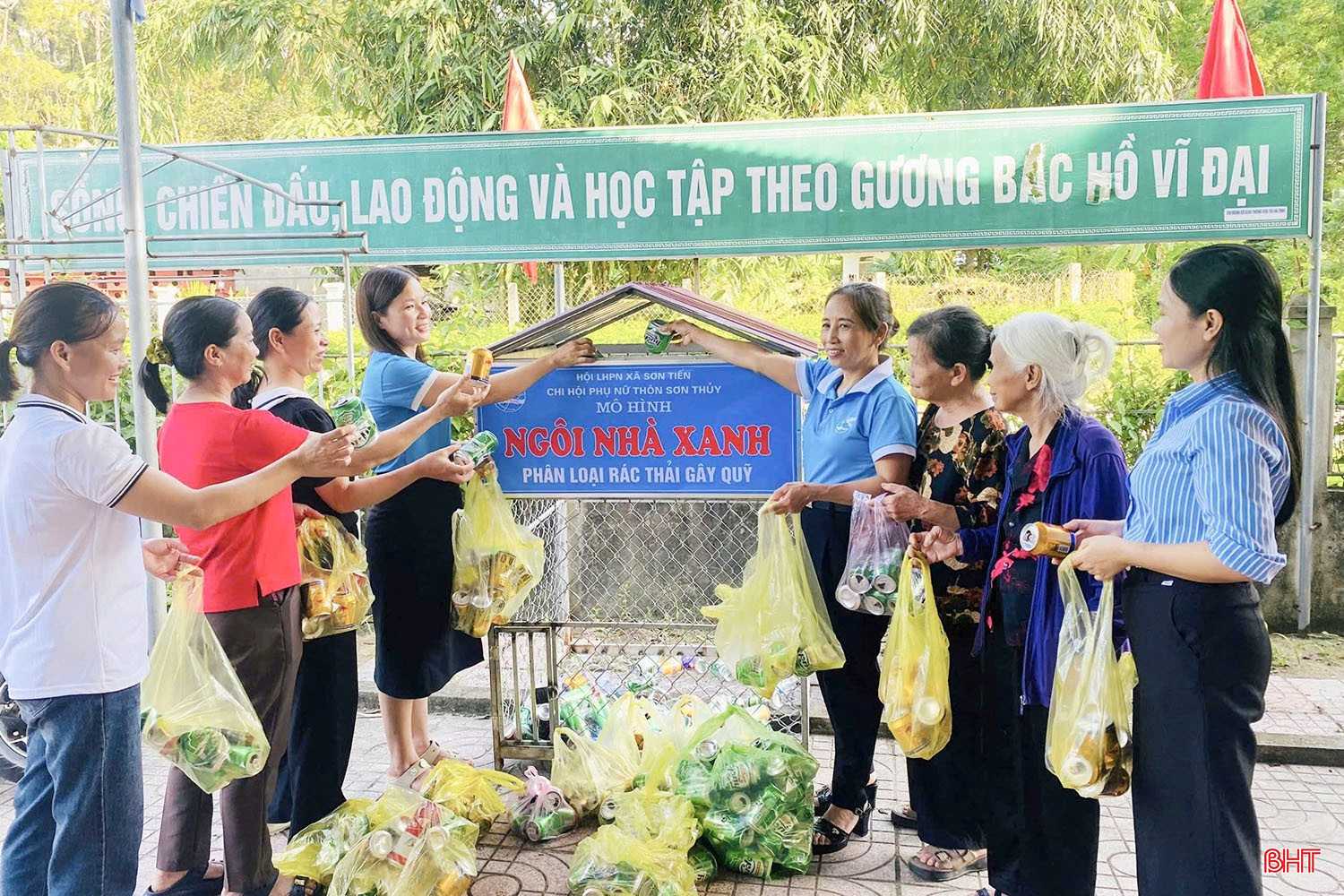
Ms. Nguyen Thi Tuyen (Dong Son village) said: "My family cultivates 3 sao (approximately 0.3 hectares) of rice and 2 sao (approximately 0.2 hectares) of other crops. For many years, our main source of fertilizer has been composted organic waste with microorganisms, limiting the use of chemical fertilizers, yet our rice and other crops have yielded high productivity and suffered few pests and diseases every season."
Starting from a household model, the Women's Union of Ky Xuan commune has advised on the establishment of a cooperative for centralized organic waste processing with more than 20 members participating regularly; processing 8-9 tons of organic waste per week to produce bio-fertilizer for sale on the market at a price of 3,000-4,000 VND/kg. From a level of 160-170 tons of household waste per month at the end of 2025, the amount of waste generated in the area has now decreased to about 110-120 tons/month.
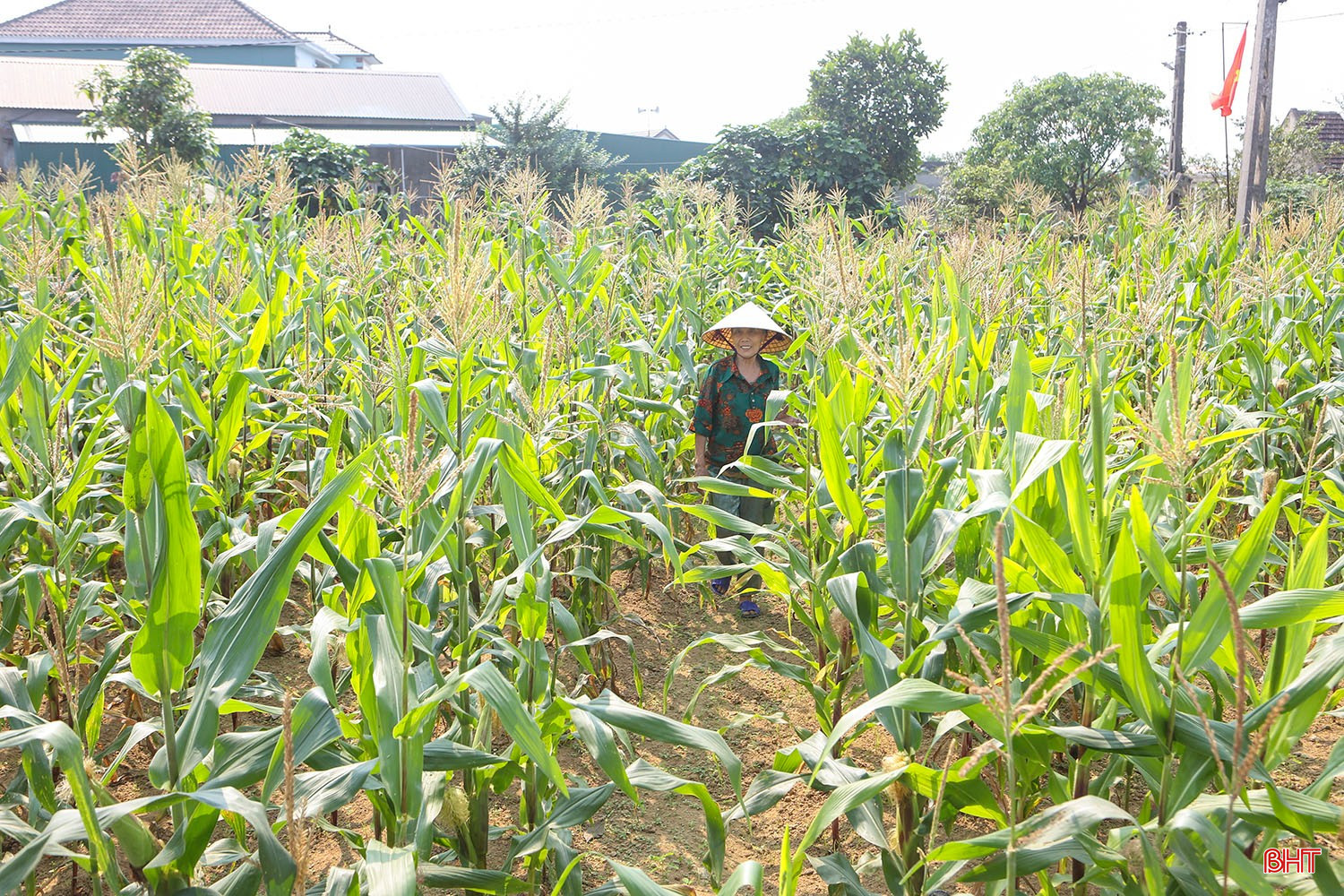
In addition, thousands of "green house" models for collecting recyclable waste, implemented by women's associations at all levels throughout the province, not only contribute to environmental protection but also create resources to support poor children and disadvantaged women.
It's not just women; many other organizations and associations are also contributing to green initiatives in the community. The Youth Union maintains activities like "Exchange trash for trees" and "Green Sunday"; the Farmers' Association encourages the processing of agricultural by-products into organic fertilizer, reduces the burning of straw, and builds bright, green, clean, and beautiful roads.
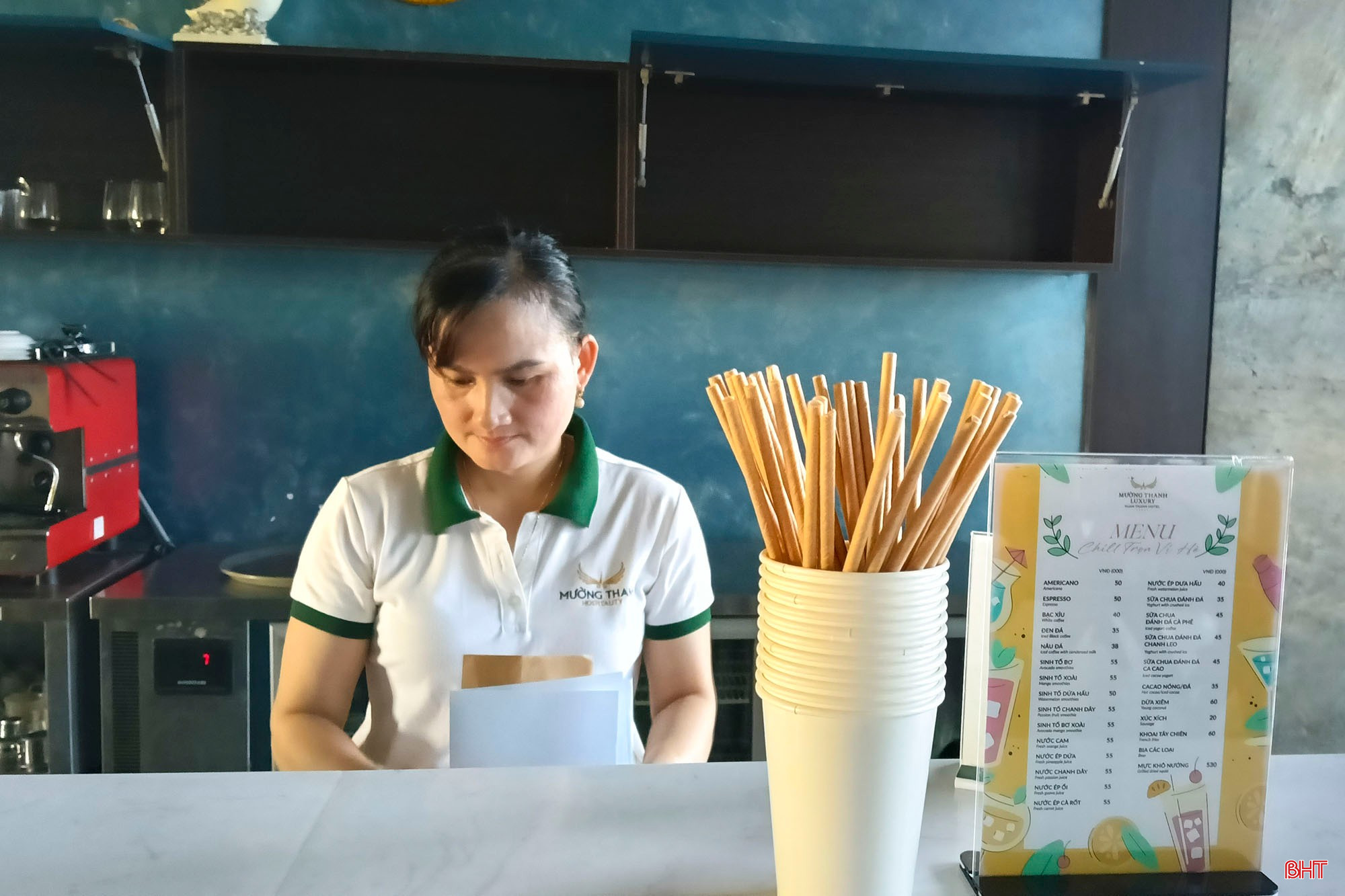
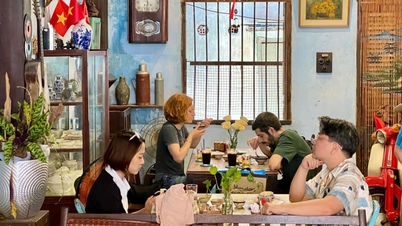
Even many businesses in Ha Tinh are starting to shift towards more environmentally friendly approaches. Some cafes in Thanh Sen ward have switched to using paper, bamboo, or sedge straws; TokyoLife - a fashion chain - has implemented a policy of saying no to plastic bags in its sales operations.
Through small changes within each family, the green lifestyle in Ha Tinh is gradually moving beyond short-term trends to form a new consumption and production trend. However, this journey still faces many challenges.
To ensure that the green transition doesn't remain just a movement.
A noticeable trend in many localities today is that green models are developing quite strongly in the initial stages, but they are not uniform and lack sustainability. In many places, waste sorting at source still depends mainly on the self-awareness of the people and the close supervision of local officials and organizations.
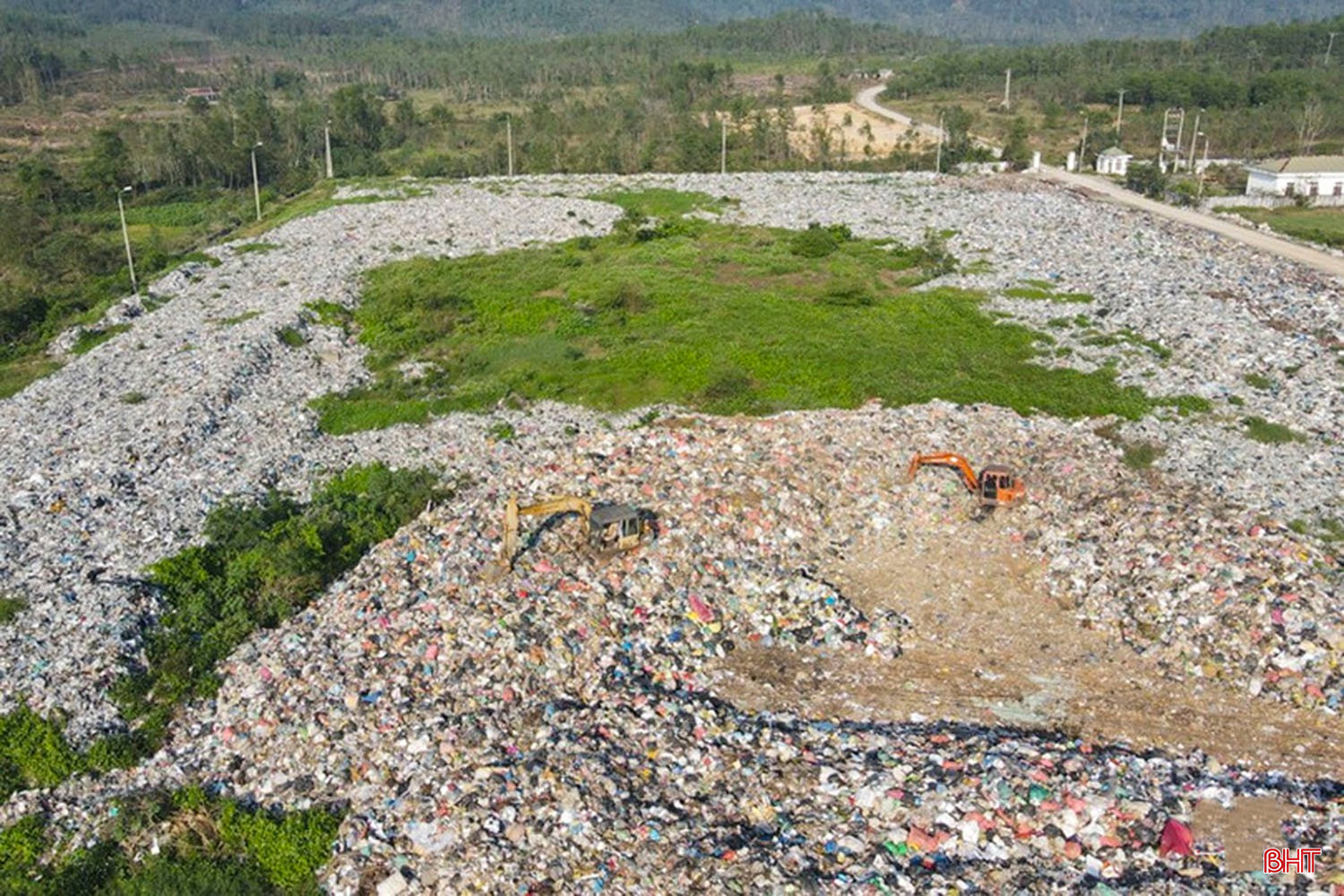
Meanwhile, the infrastructure for processing waste after sorting is not yet fully synchronized. In some areas, people have proactively sorted their waste, but it is still mixed together in one transport vehicle during collection. Maintaining cooperatives for processing organic waste or recycling models also faces difficulties in terms of resources, product outlets, and long-term support mechanisms.
Environmental pressure in rural areas is increasing due to the rapid increase in household waste driven by urbanization, while many waste treatment facilities in the province are overloaded or nearing closure. The recent accumulation of waste in some localities shows that green transformation cannot remain merely short-term movements.
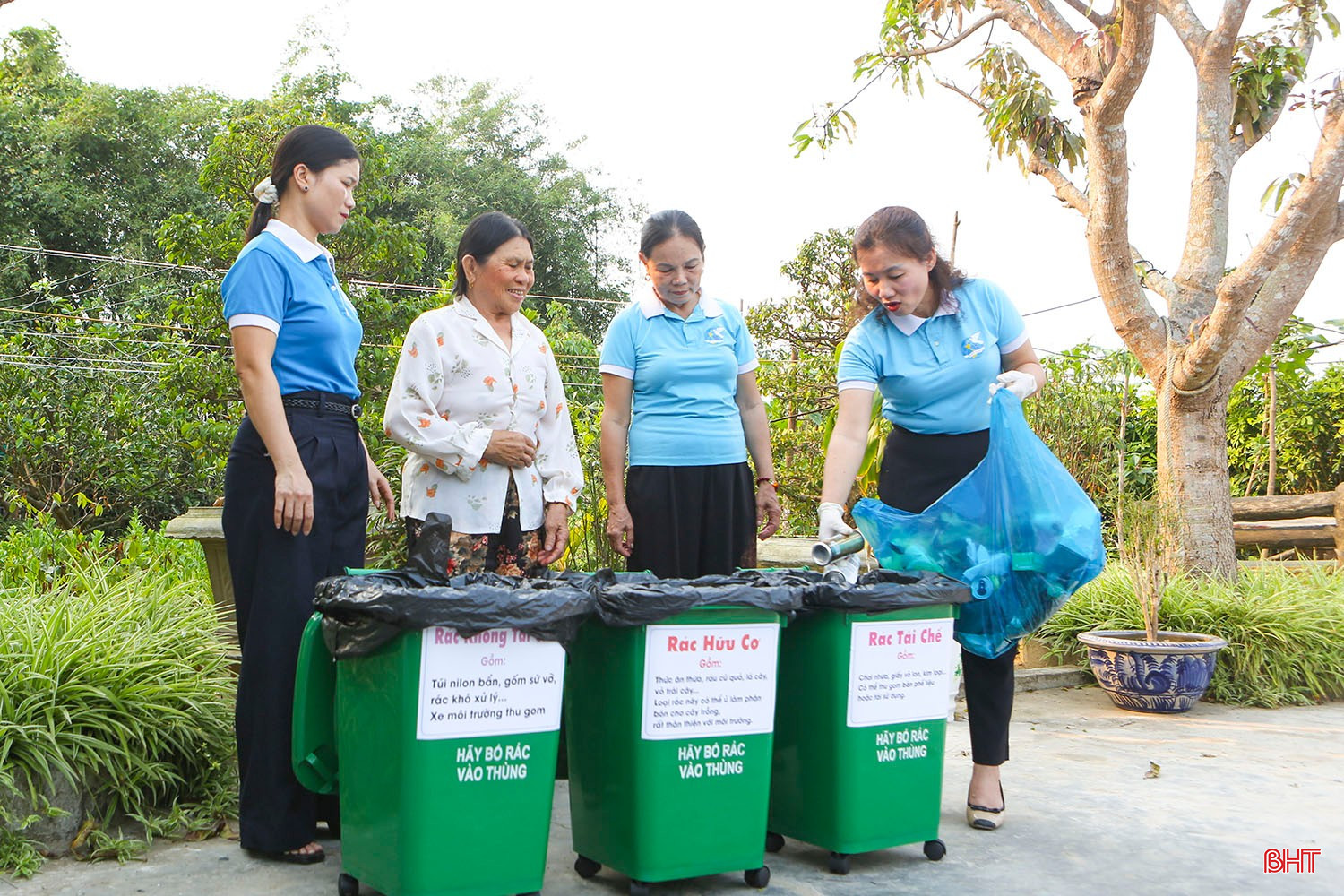
Nevertheless, in the agricultural sector, green transformation in Ha Tinh is gradually becoming more profound. In many fields, the smoke from burning rice straw after each harvest has begun to decrease. In rice-producing areas in Cam Xuyen, Can Loc, Gia Hanh, Thach Khe, and Ky Anh, many farmers have switched to fermenting rice straw and agricultural by-products with microorganisms to treat the soil instead of burning it as before. This not only reduces smoke and greenhouse gas emissions but also helps improve soil structure, increase porosity, and limit pests and diseases.
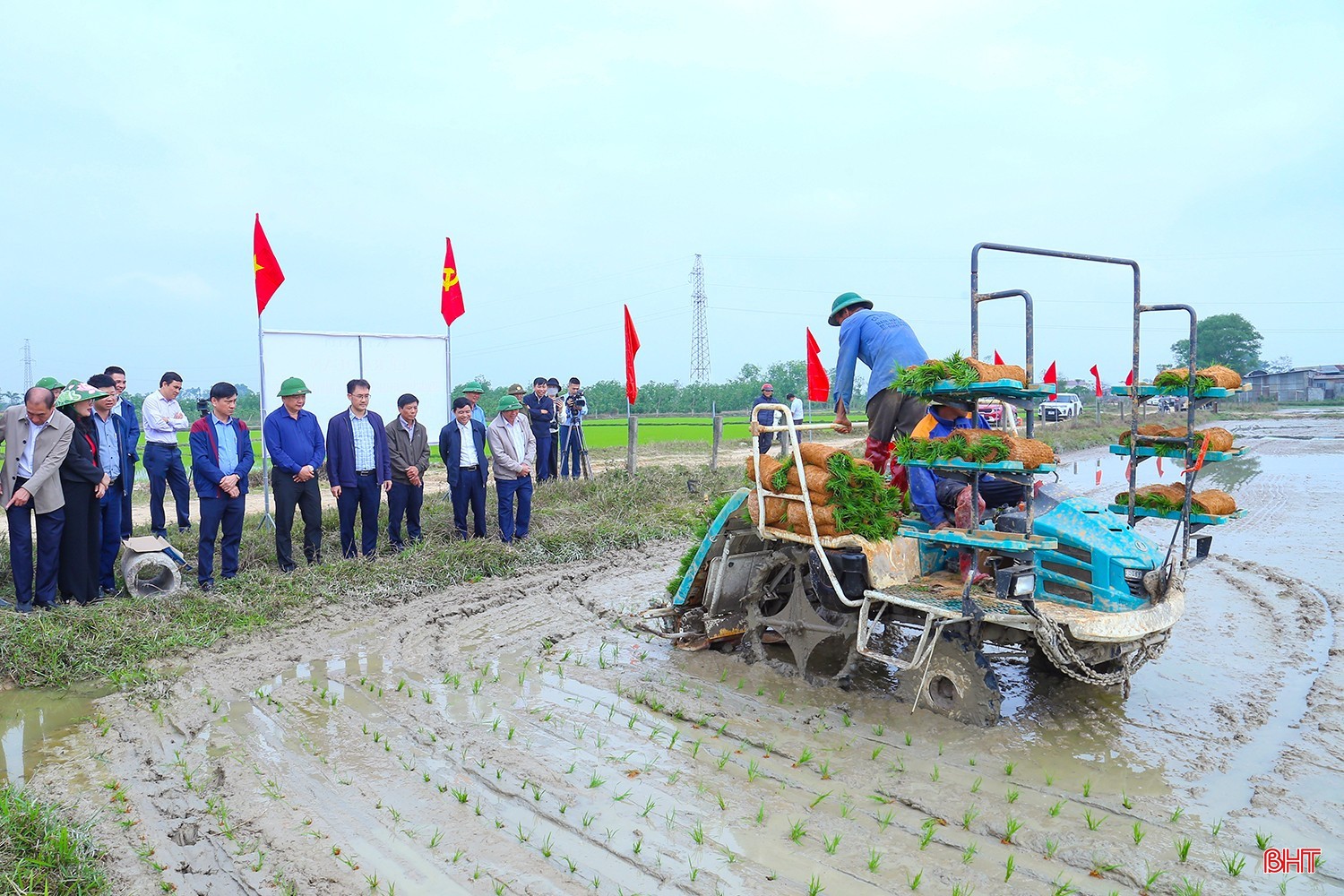
Alongside this, many organic production models linked with Que Lam Group Joint Stock Company are gradually taking shape. From biosecure livestock farming to organic rice and fruit production, farmers have begun to shift from a mindset focused on quantity to one of safe, environmentally friendly production and long-term sustainable value.
This shift shows that green transformation in rural Ha Tinh is going beyond simply environmental sanitation to reach the core of sustainable development. This involves changing production methods and how people interact with land, water, and agricultural ecosystems.
In this context, organizations and associations are considered important forces in bringing green transformation into the depth of community life. Mr. Tran Dinh Uoc, Vice Chairman of the Ha Tinh Provincial Farmers' Association, said: "To make people change sustainably, they must see the economic benefits from green models right away. When organic waste becomes fertilizer and by-products become resources, people will proactively participate instead of just following the trend. In the coming time, the Provincial Farmers' Association will continue to expand models of organic waste treatment, organic and circular agricultural production; support the establishment of green agricultural cooperatives and associations, connect the consumption of clean agricultural products, and prioritize models that reduce emissions, save water, and adapt to climate change."
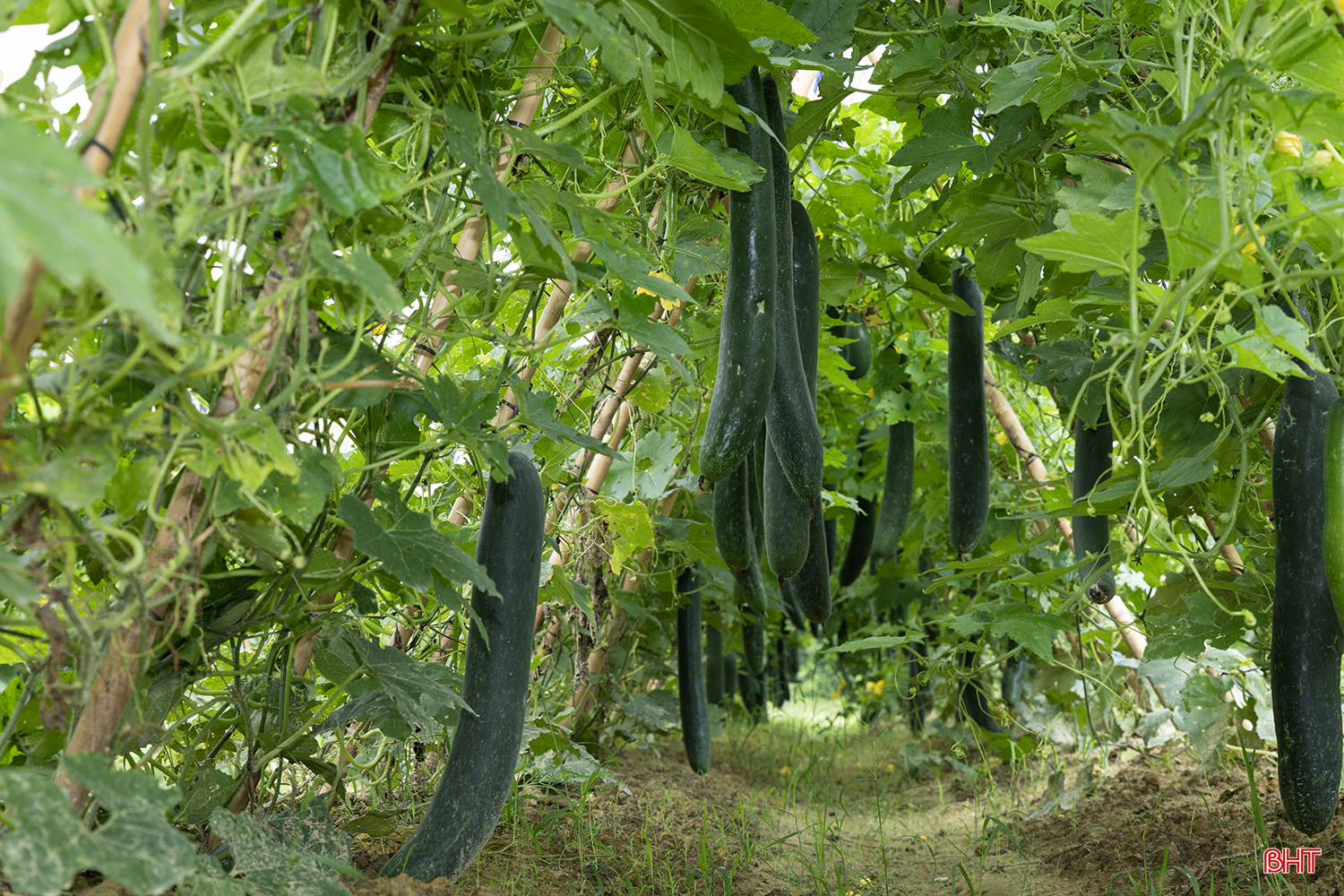
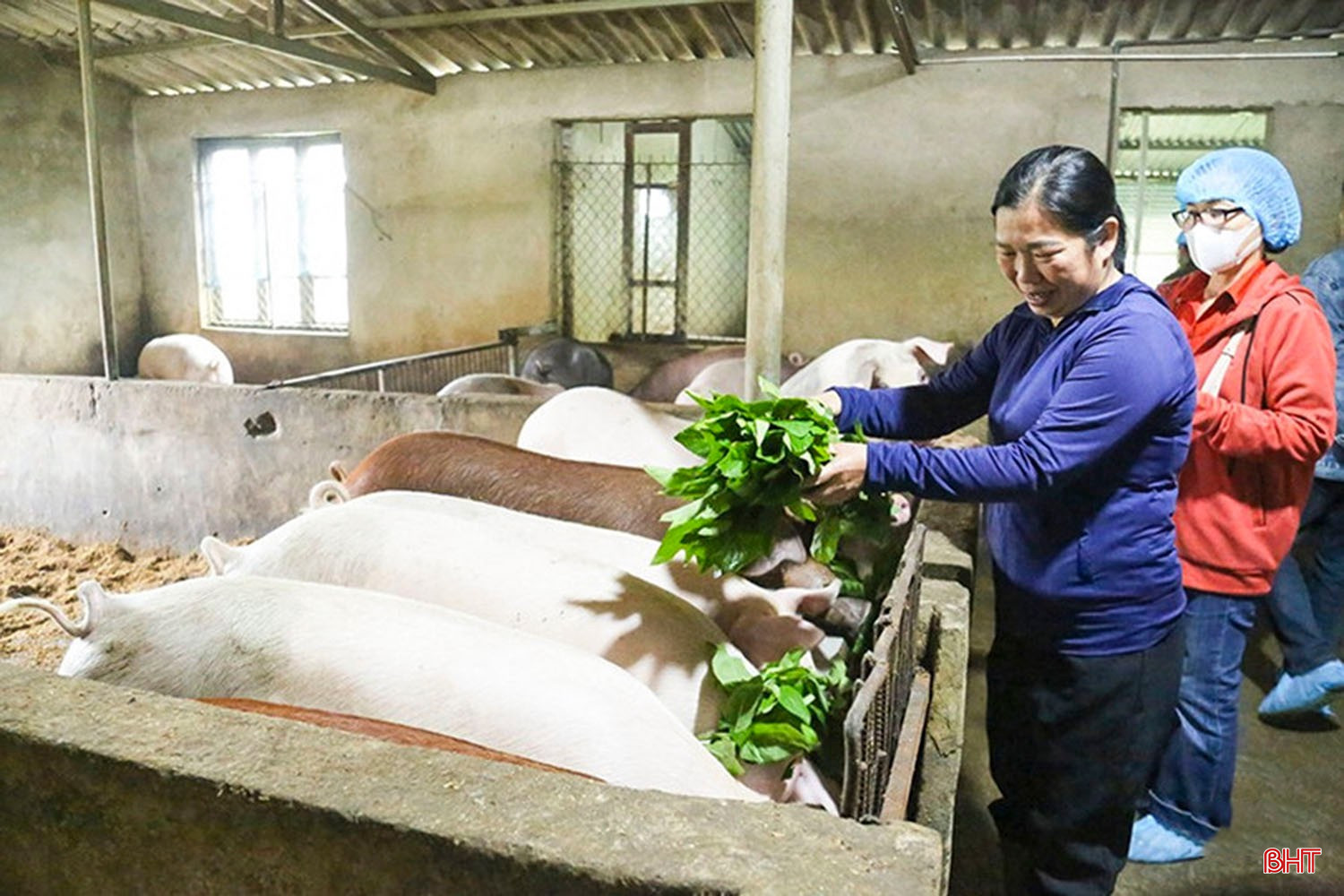
In parallel, solutions include planting green barriers to prevent sand erosion along the coast, developing water-saving production models, and installing collection tanks for pesticide packaging to limit soil and water pollution.
One current challenge is to build a comprehensive green consumer ecosystem where clean products have a stable market and consumers are willing to change their consumption habits.
Recently, the Ha Tinh Department of Industry and Trade has begun guiding businesses to switch to environmentally friendly packaging, supporting green distribution models, and promoting sustainable consumption. However, to create a real change, more mechanisms are needed to support businesses in greening production, as well as strong policies to change consumer behavior in the community.
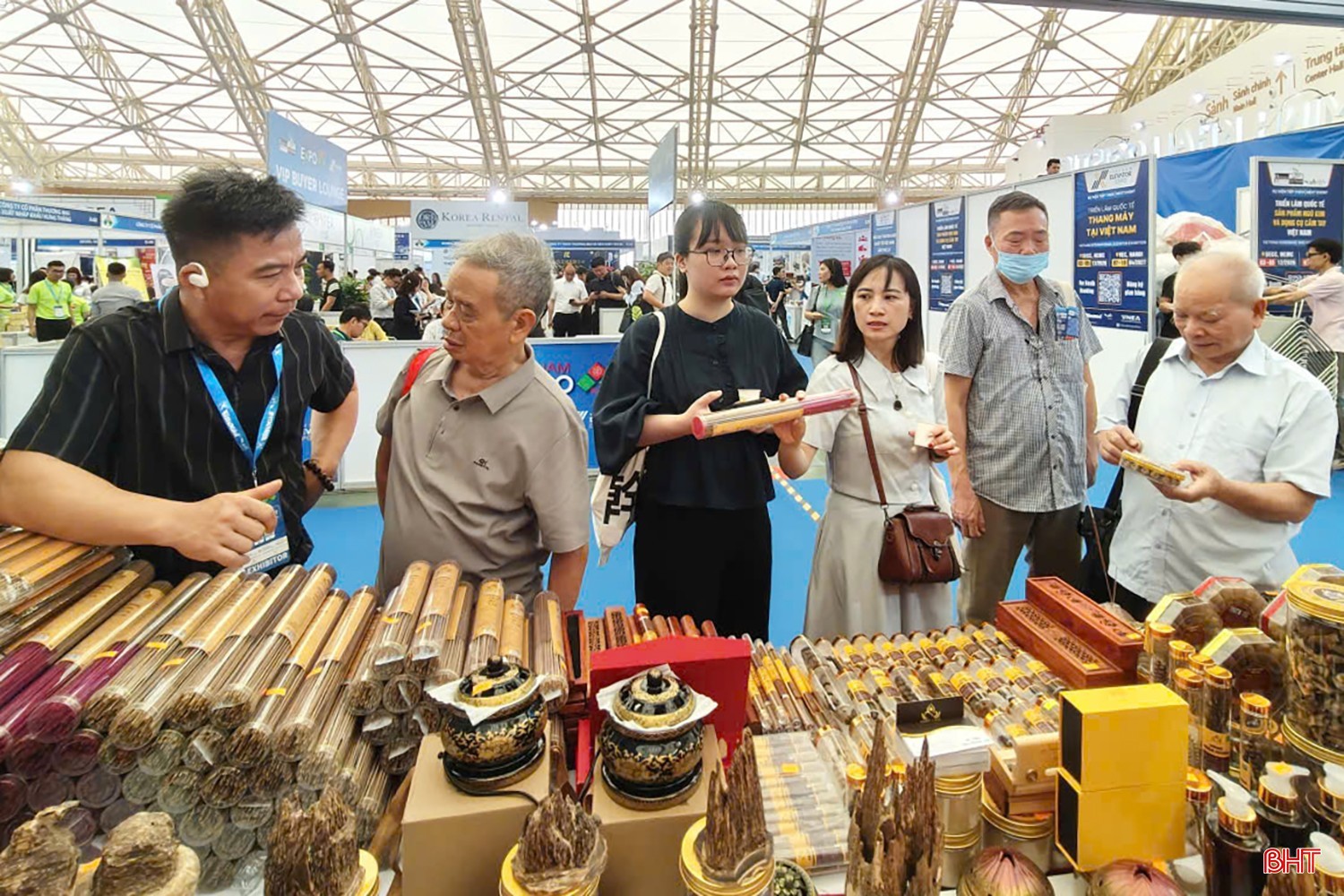
A plastic shopping basket, an act of sorting waste at home may seem small, but when these small changes begin in each family, each field, each production model, the green journey will no longer be a slogan but become a way for communities to preserve the future for generations to come.
Source: https://baohatinh.vn/hanh-trinh-xanh-tu-gia-dinh-den-cong-dong-post311407.html
![[Image] Nearly 125,000 Hanoi students completed the Literature exam for the 10th grade entrance exam.](https://vphoto.vietnam.vn/thumb/1200x675/vietnam/resource/IMAGE/2026/05/30/1780117233041_ndo_br_thiet-ke-chua-co-ten-2-png.webp)












![[Photo] Admire the coral "masterpiece" amidst the million-year-old heritage of Dak Lak province.](https://vphoto.vietnam.vn/thumb/1200x675/vietnam/resource/IMAGE/2026/05/30/1780107638639_y25-jpg.webp)























































Comment (0)