

On the morning of January 30th, Le Duc Tho Primary School (Go Vap District, Ho Chi Minh City) organized a city-level English workshop with the theme "Open House - Teaching and Learning English in Grade 4 of the 2018 General Education Program through Vietnamese Culture".
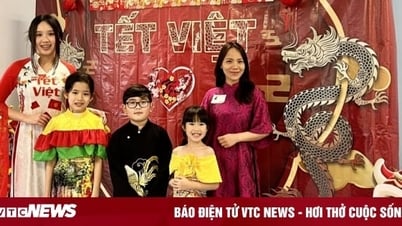
At the beginning of the program, teachers from various districts were surprised by the bilingual hosting abilities of Le Viet Anh and Nguyen Khanh Han (both in grade 5/6). The two students not only spoke English fluently and with accurate pronunciation, but also demonstrated excellent program hosting skills, confidently introducing delegates, coordinating activities, and managing the cultural performances.
Le Viet Anh and Nguyen Khanh Han (both in class 5/6) confidently hosted the program in English - Source: NGOC ANH
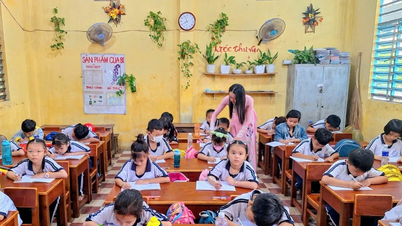
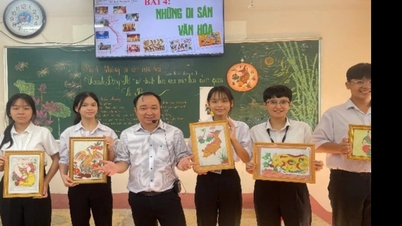
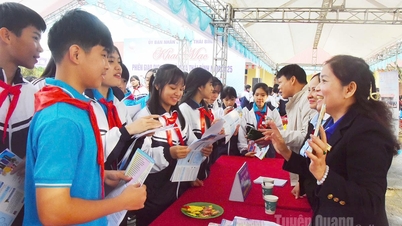
As the main characters of today's feature, after the introduction by the two young MCs, the 4th grade students and Ms. Tran Nguyen Minh Anh, a teacher at the school, organized an English teaching activity right in the schoolyard, witnessed by many teachers, specialists from various districts and counties, and parents of the school.
With the theme of the traditional Lunar New Year, she began her lesson by introducing the culture of the Vietnamese New Year, then introduced students to vocabulary related to the topic through videos , images, and audio. The lesson was then enlivened by traditional games such as sack racing, bingo, making banh chung (traditional rice cakes), and preparing the five-fruit tray.
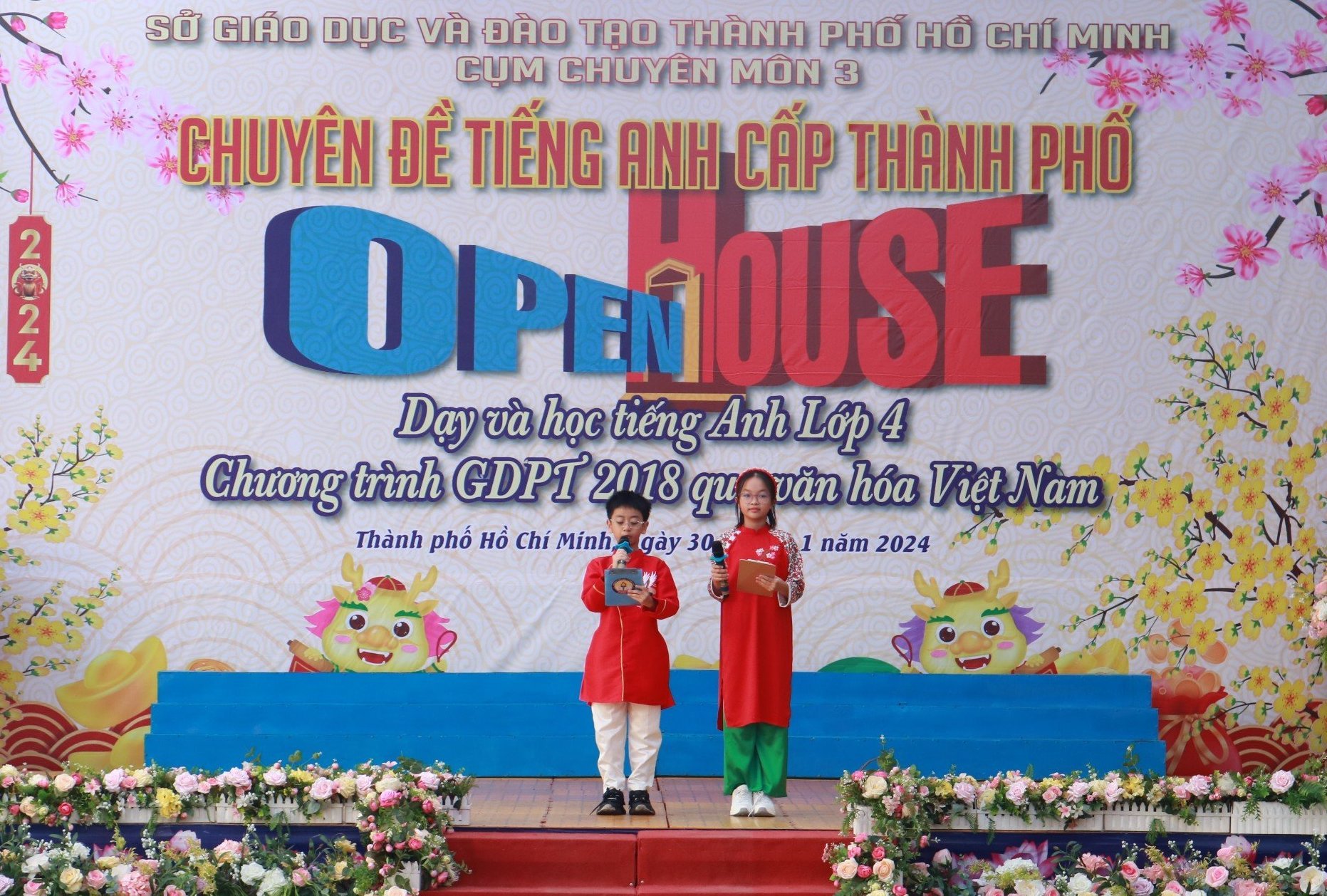
Le Viet Anh and Nguyen Khanh Han (both in class 5/6) confidently hosted the program in English.
Throughout all activities, the teacher and students communicate entirely in English. Many students are confident in their fluent English skills. The teacher also taught them new vocabulary related to Tet (Vietnamese New Year), such as: make five-fruit trays, pack Chung Cake, sack race, bamboo string, wooden mold, etc.
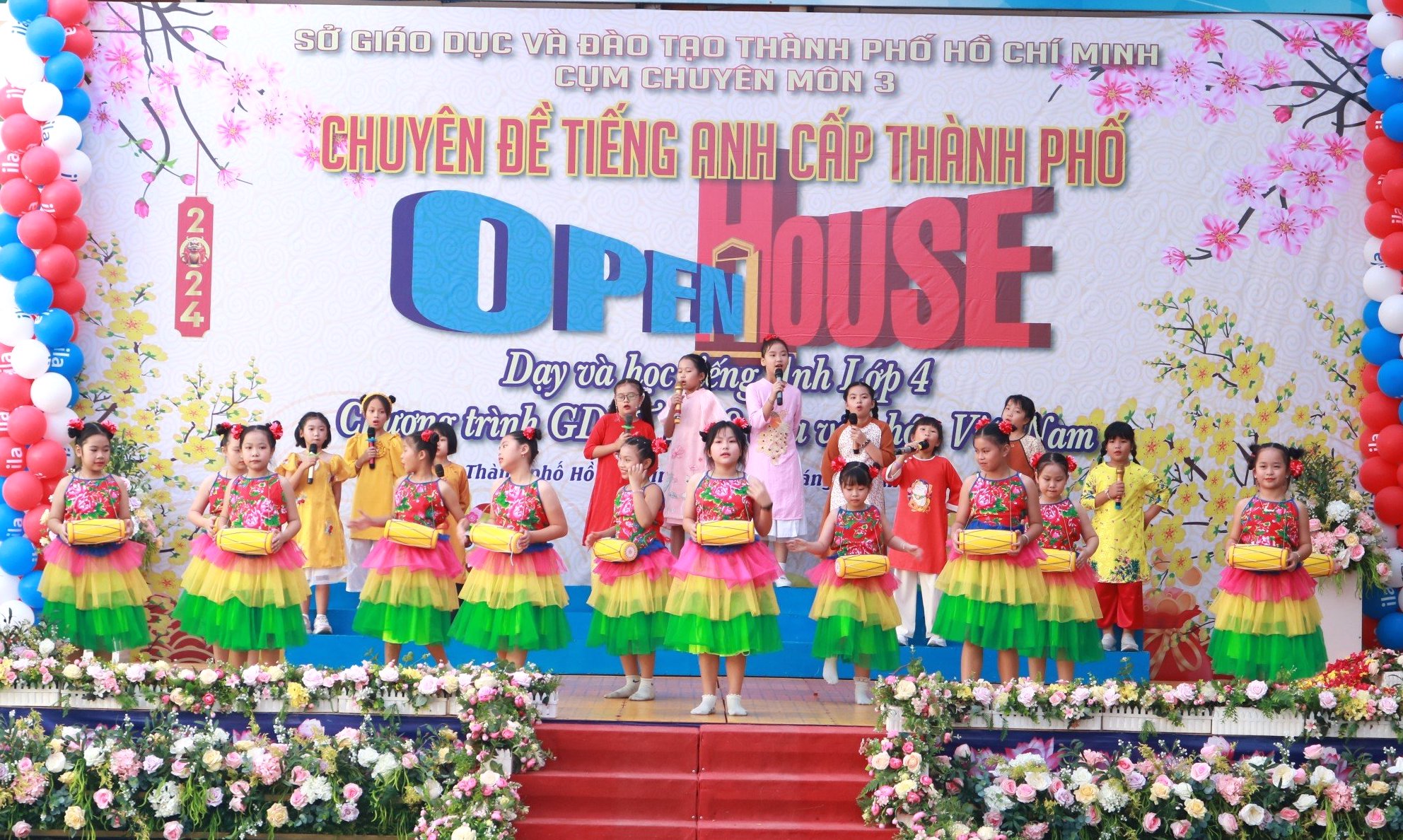
Students perform traditional cultural acts in English.
During the games, the teacher sang while guiding the students in playing bingo, calculating the value of each type of fruit to "go shopping" within a given budget. The students eagerly participated in the games, wrapping dumplings together and chatting with each other in English.
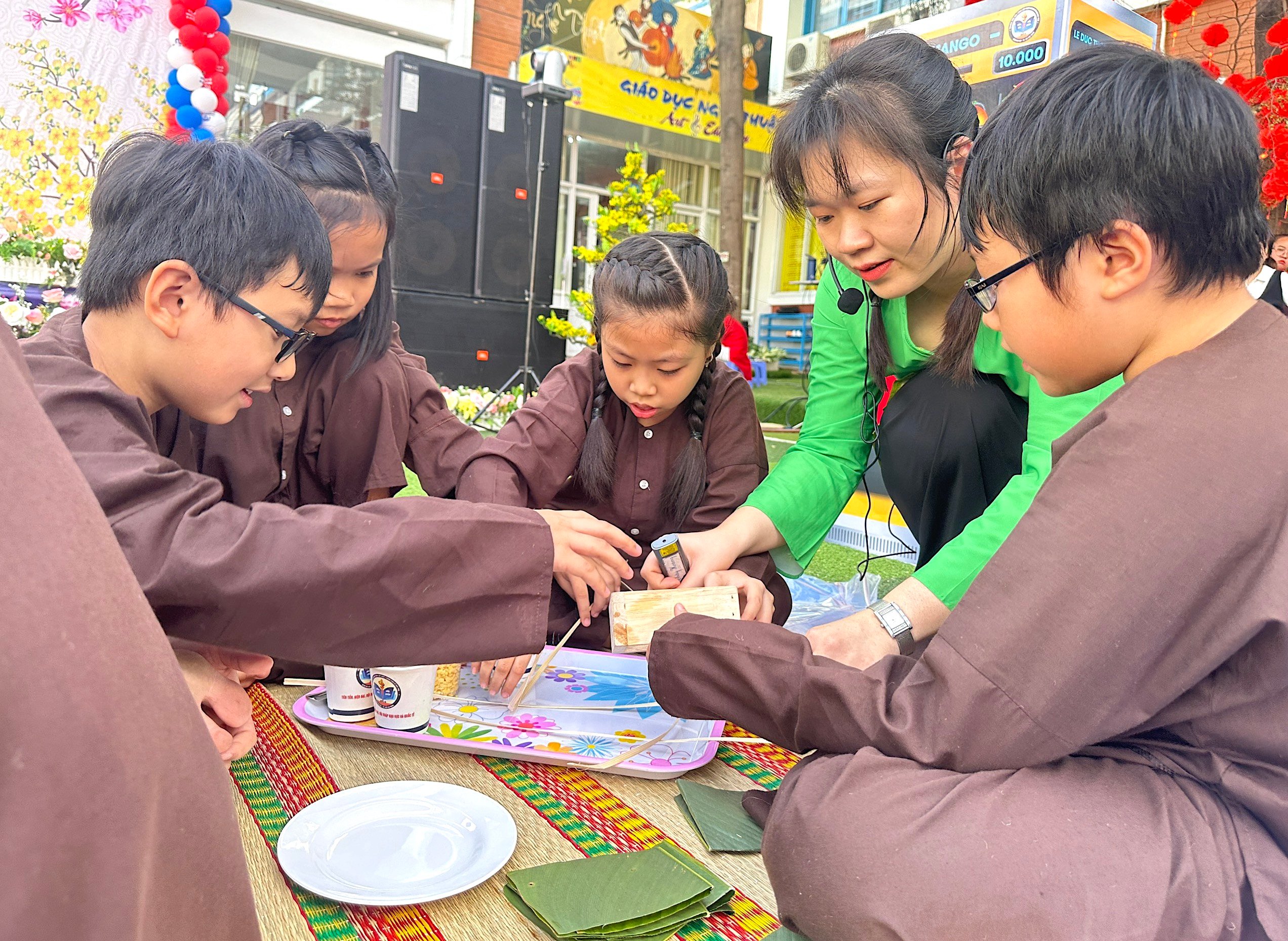
Ms. Minh Anh guided the students in making banh chung (Vietnamese rice cakes), introducing them to each step and teaching them new vocabulary.
Sharing about her lesson, Ms. Tran Nguyen Minh Anh said that with the new education program, teachers have more autonomy in teaching, so whether in the classroom or outdoors, she diversifies her teaching methods. Folk games, video games, songs, movies, etc., are utilized to the fullest extent. This diverse teaching method helps keep students engaged.
"With this teaching method, many 4th and 5th graders can communicate well. During class, the teacher and students use English exclusively, which also encourages them to speak proactively," Ms. Minh Anh shared.
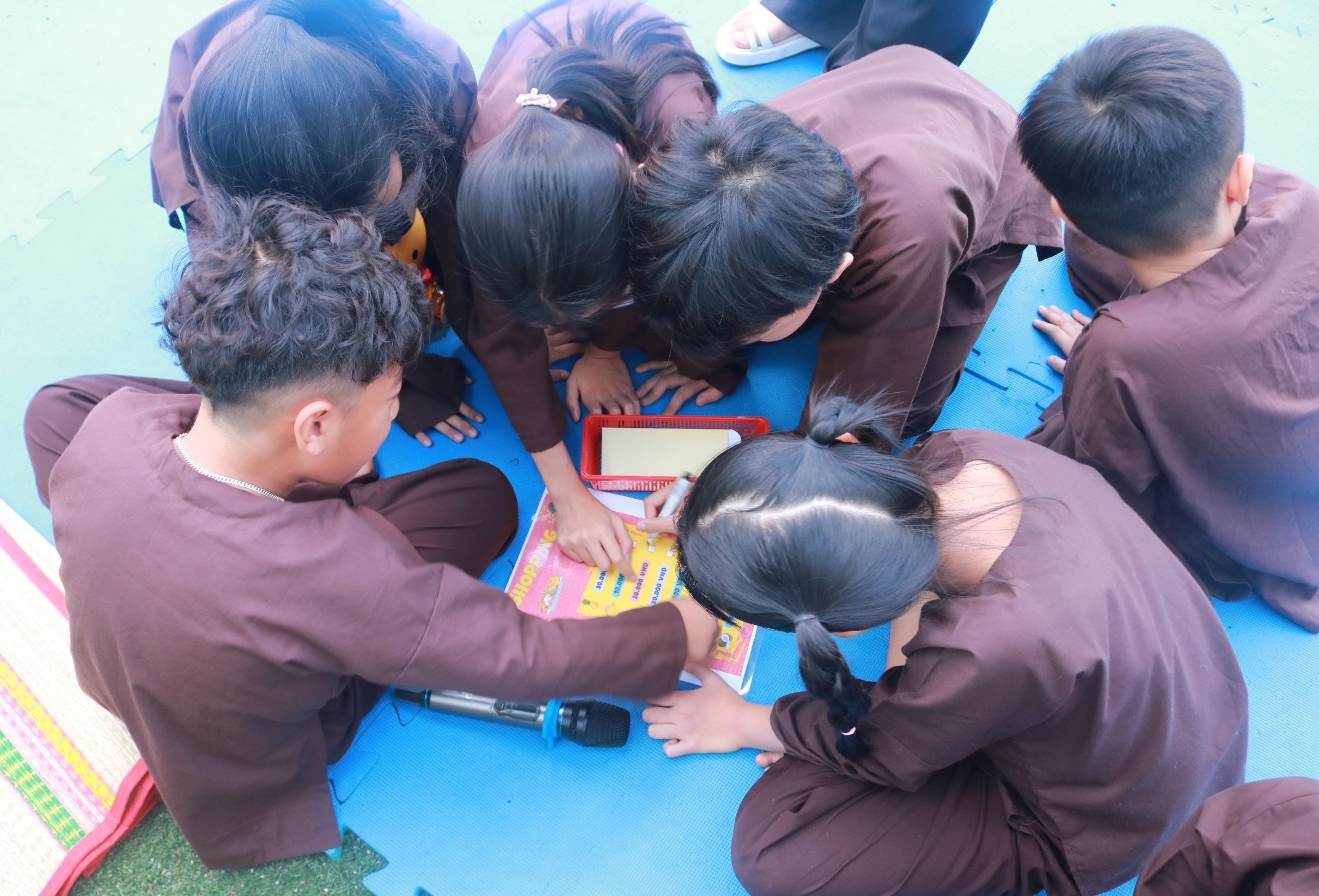
Students participate in a shopping game to prepare a fruit platter.
Attending the specialized teaching session, Mr. Pham Chi Thien, a specialist from the Ho Chi Minh City Department of Education and Training, commented that the new education program has made teachers very busy. Teaching is no longer simply about the teacher lecturing and the students listening, but must incorporate many activities and diverse forms… Therefore, teachers also have to spend a lot of time thinking, planning, and preparing for their lessons.
"We invite parents to participate in these lessons so they can see the hard work of the teachers. The teacher has put a lot of time and effort into this lesson. Children love learning through hands-on experiences, and even if the games and lessons aren't perfect, these activities will stimulate their speaking ability and self-confidence," Mr. Thien said.
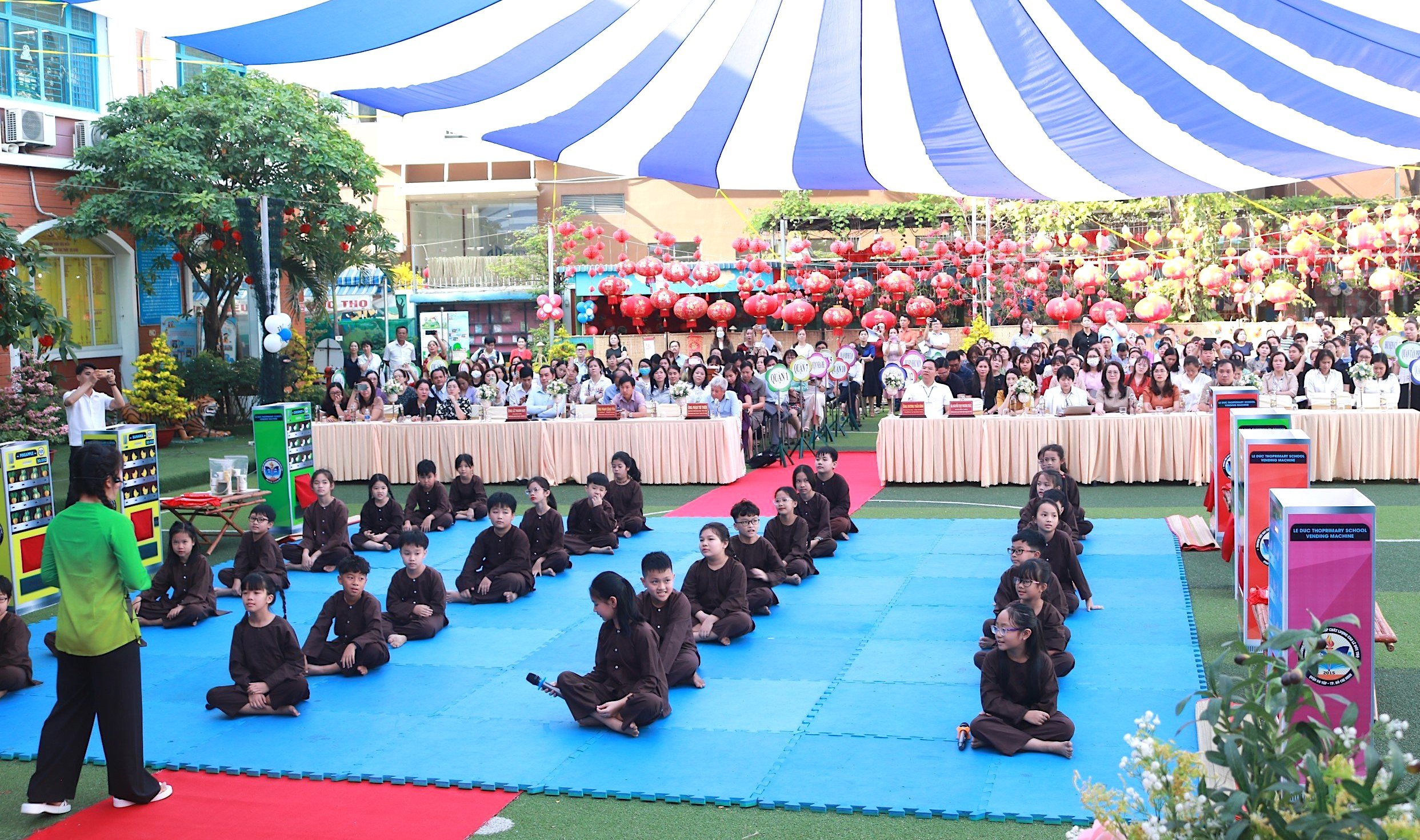
This was an open teaching session, with the participation of teachers and specialists from districts and counties in Ho Chi Minh City to provide feedback and learn from each other in order to create effective lessons.
He also advised teachers to clearly define the content of each lesson. For example, in activities, students should be encouraged to be more proactive and speak more. Teachers should not spend too much time correcting pronunciation, vocabulary, or having the teacher read first and the students read later. Instead, he encouraged students to speak; if they make mistakes, they will realize it and know how to correct them.
"Don't correct things little by little; if you must correct them, do so during pronunciation and vocabulary lessons. Each lesson should focus on a specific topic. Speaking lessons should allow students to speak as much as possible. If the teacher talks too much, the students will become stagnant and unable to stand up on their own," Mr. Thien remarked.
Source link
![[Photo] Prime Minister Pham Minh Chinh presides over a meeting on private sector economic development.](/_next/image?url=https%3A%2F%2Fvphoto.vietnam.vn%2Fthumb%2F1200x675%2Fvietnam%2Fresource%2FIMAGE%2F2025%2F12%2F20%2F1766237501876_thiet-ke-chua-co-ten-40-png.webp&w=3840&q=75)























































Comment (0)