

Break the monoculture system to reduce risks.
Previously, Ia Le was a pepper-producing region that provided a considerable income for many households. However, during the period of 2017-2020, the sharp drop in pepper prices, coupled with widespread disease outbreaks, caused many households to fall into hardship, even losing everything after years of investment.
Faced with this reality, people were forced to find new directions. Short-term crops such as taro, beans, corn, and cassava were introduced to maintain income. Among them, taro quickly became the main crop helping many households overcome difficulties.
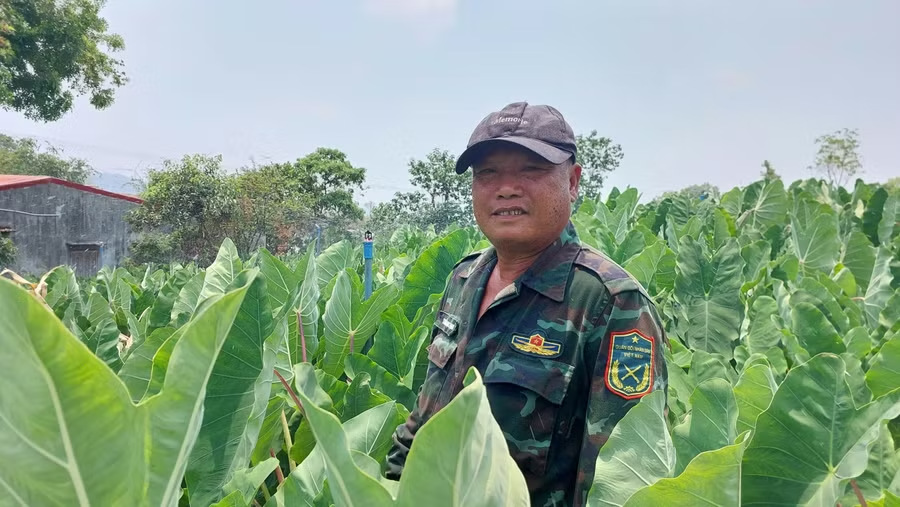
Mr. Tran Van Anh (Phu Binh village) said: Taro is a traditional crop, suitable for local soil conditions, easy to grow, and has a short harvest time, only about 5-6 months. In 2017, when many pepper plants died and prices dropped sharply, his family converted 1 hectare of pepper land to growing taro.
According to Mr. Anh, the investment cost for 1 hectare of taro (including seeds, fertilizer, and sprinkler irrigation system) is approximately 100 million VND. The average yield is 20-25 tons/ha, depending on cultivation conditions. If the market price remains at 20,000 VND/kg or higher, after deducting costs, the profit can reach approximately 100 million VND/ha.
"Compared to pepper, the economic efficiency is not as good as during periods of high prices, but taro provides a stable income, is easy to sell, and has less risk," Mr. Anh shared.
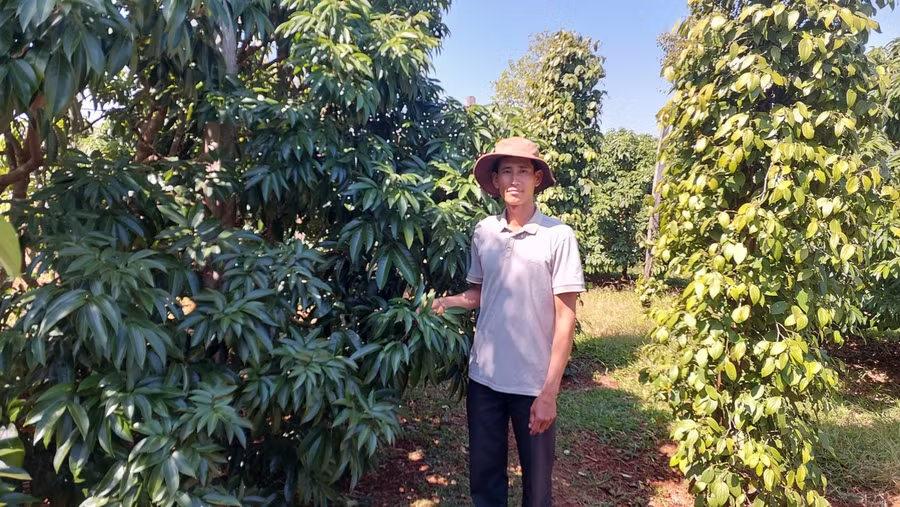
In addition, many households have boldly switched to the mulberry cultivation and silkworm farming model. Mr. Tran Ba Chien (Phu Binh village) said that in 2018, when pepper farming was no longer profitable, he switched to mulberry cultivation and silkworm farming. By 2019, he and 22 other members applied to the local government to establish the Mulberry Cultivation and Silkworm Farming Association.
Currently, Mr. Chien's family is cultivating 2 hectares of mulberry trees, working both on their own and hiring additional laborers. On average, after deducting expenses, the monthly profit from mulberry cultivation and silkworm farming reaches approximately 30 million VND.
"Thanks to the application of new techniques and the guarantee of product purchase by businesses, silkworm farmers only need about 15-17 days for each batch of silkworms before they can be sold. Earning several hundred million dong in profit each year is commonplace," Mr. Chien said.
Opening up avenues for sustainable agricultural development.
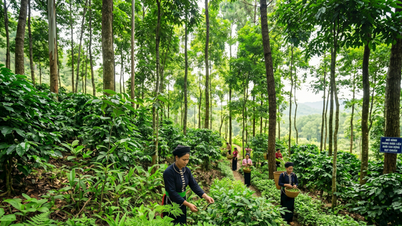
Not content with simply switching to single crops, farmers in Ia Le have diversified and intercropped multiple types of plants on the same plot of land. Intercropping durian, lychee, and medicinal plants in coffee and pepper plantations is becoming increasingly common.
This approach helps to maximize land use, increase land efficiency, and especially minimize risks when the agricultural market fluctuates. When one crop faces difficulties, other crops can still provide income, ensuring stability for the household economy.
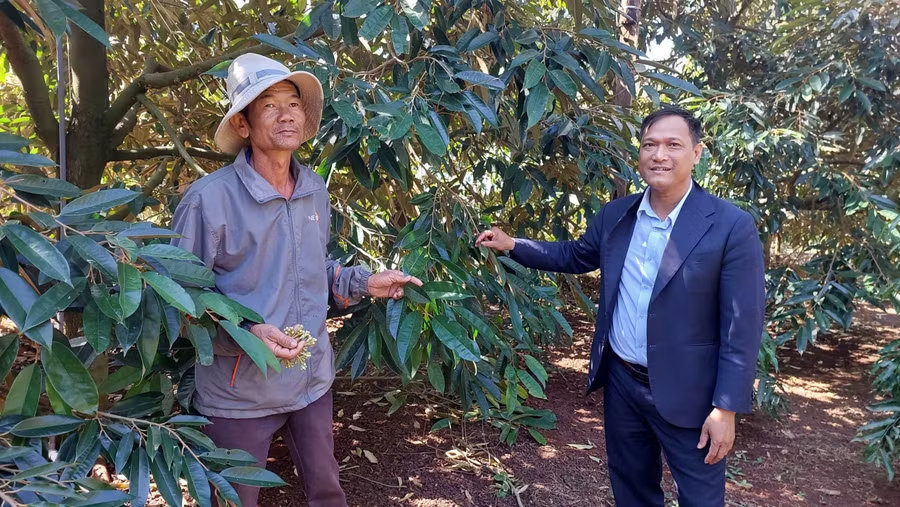
According to the People's Committee of Ia Le commune, after the period of pepper crop failure and price drops, people have proactively shifted their crop structure towards diversification, applying scientific and technological advancements to improve productivity, quality of agricultural products, and economic value.
Following the merger, Ia Le has more favorable conditions to expand its production space and plan suitable planting areas. Currently, the total annual cultivated area is approximately 14,699 hectares. Of this, food crops account for 4,033 hectares, root crops 3,005 hectares, fruit trees 617 hectares, long-term industrial crops over 6,033 hectares, medicinal plants nearly 120 hectares, and mulberry trees 85 hectares.
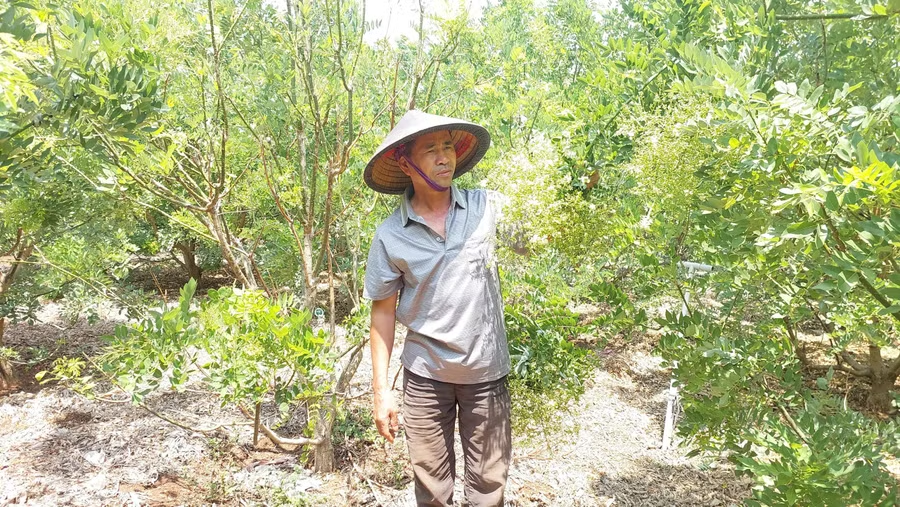
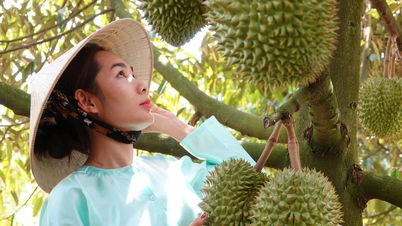
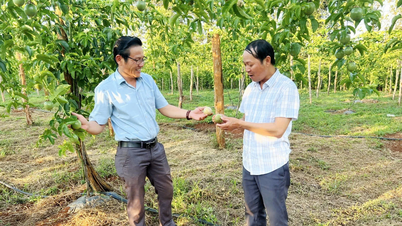
In recent years, local people have proactively invested in water-saving irrigation systems, established planting area codes, and produced in a safe and organic manner. Some products such as durian, pagoda flower, mulberry, etc., have met the needs of the domestic and export markets. Notably, the commune has been granted 6 planting area codes for durian with an area of over 177 hectares.
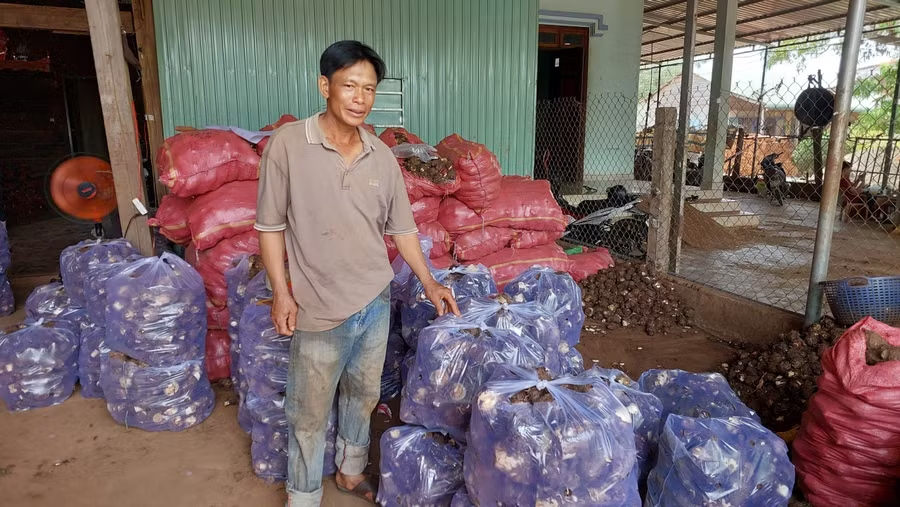
Along with that, the linkage between production and consumption is increasingly emphasized. According to Mr. Phan Van Canh (Phu An village, who has been buying taro in the area for nearly 20 years), during the period when pepper faced difficulties, it was taro that helped people stay afloat.
Currently, he cultivates 2 hectares of taro, yielding a profit of 100-150 million VND per hectare depending on market prices. In addition, he buys and sells approximately 4 tons of taro daily from local farmers to provinces and cities nationwide, with a fairly stable market.
Mr. Luu Xuan Thanh, Chairman of the People's Committee of Ia Le commune, affirmed: In recent years, the locality has effectively utilized support resources to guide people in transforming production, applying science and technology, and connecting product consumption. At the same time, people have proactively introduced many new crops for intercropping on the same land area to diversify, increase income, and reduce risks.
“From the reality of production transformation, it can be seen that crop diversification is not only a short-term solution but has become a long-term direction for Ia Le's agriculture. The local authorities also advise people not to chase after market prices of agricultural products and disrupt crop planning. Before planting, they must consider soil conditions, climate, and irrigation water sources to ensure that the crops grow and develop well...”
Currently, the locality is focusing on developing specialized farming areas with high economic value, limiting monoculture production as in the past. At the same time, it is strengthening the application of science and technology and developing production-consumption linkages. This is the foundation for the locality to adapt to climate change, stabilize the economy and improve the lives of people in the new period," Mr. Thanh added.
Source: https://baogialai.com.vn/ia-le-chuyen-minh-tu-doc-canh-sang-da-dang-hoa-cay-trong-post585985.html





















![[Photo] Reception to welcome General Secretary and President To Lam and his wife on their State visit to the Philippines](https://vphoto.vietnam.vn/thumb/1200x675/vietnam/resource/IMAGE/2026/06/01/1780295488620_vna-potal-chieu-dai-chao-mung-tong-bi-thu-chu-tich-nuoc-to-lam-va-phu-nhan-tham-cap-nha-nuoc-toi-philippines-8798060-7855-jpg.webp)
















































Comment (0)