

Iran's Supreme Leader Mojtaba Khamenei declared on May 26 that the Gulf states would no longer serve as a "safety shield" for US military bases in the Middle East.
In a message posted on the Telegram messaging app, Mojtaba Khamenei stated that US military forces and facilities in the region would face greater security risks if tensions escalated.
Meanwhile, senior Iranian Armed Forces spokesman Abolfazl Shekarchi declared that any new military action against Tehran would be met with a "much harsher" response. The Fars news agency quoted Shekarchi as warning that if conflict resumes, Iranian attacks would be on a larger scale and extend beyond the region.
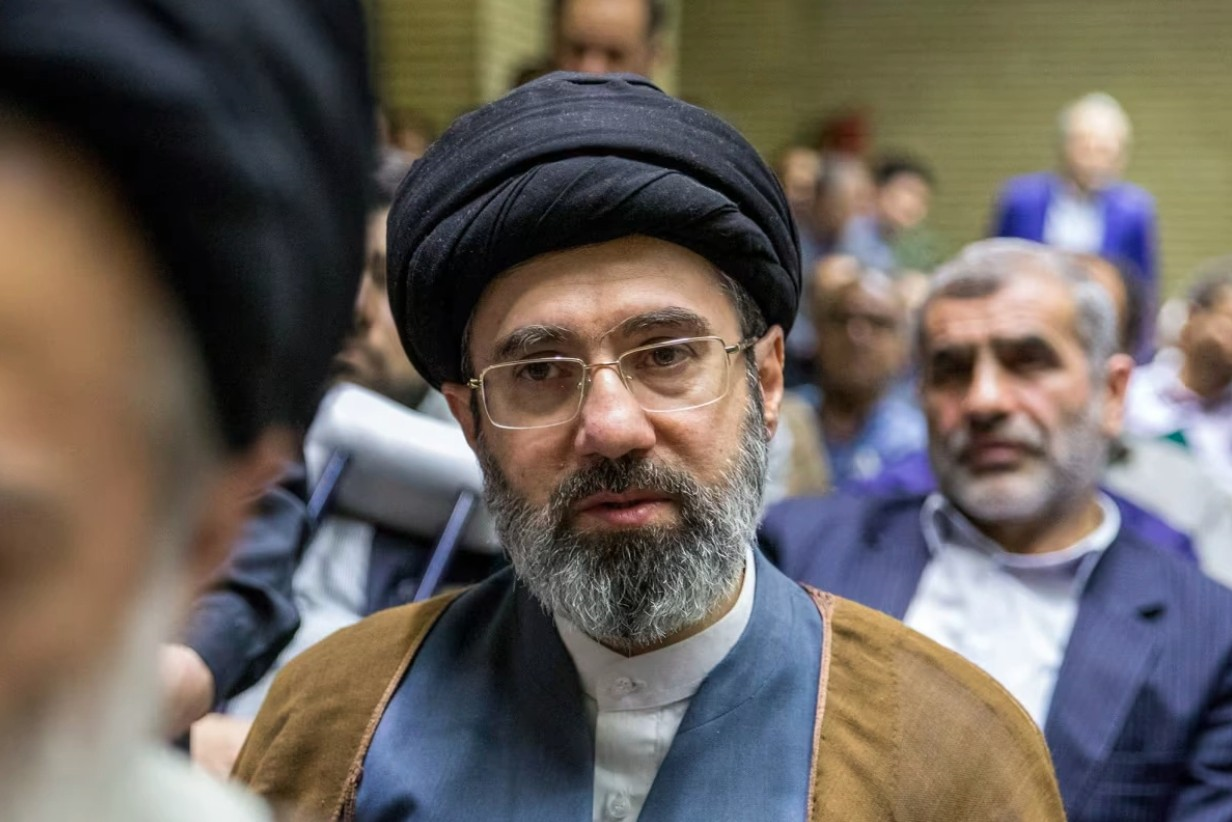
According to Iran's IRNA news agency, in a message to the Iranian people on May 25, the Secretary of the Supreme National Security Council (SNSC), Mohammad Baqer Zolqadr, affirmed that the country will not surrender and will not back down. He stated that Iran's resilience and ability to respond are demonstrated on the military, diplomatic , and popular fronts. Furthermore, the official emphasized the need for Iranian people to maintain unity, and stressed that upholding consensus and solidarity within society is more important than ever at this time.
Senior Iranian officials issued this message just hours after US forces launched airstrikes on missile sites in southern Iran and attacked ships suspected of deploying mines in the Strait of Hormuz. These new developments raised concerns that the already fragile ceasefire agreement from April 8th was at risk of collapsing. The US military move came as senior Iranian negotiators were in Doha, Qatar, for discussions with Qatari officials and to prepare for indirect talks with the US through Pakistani mediation.
While diplomatic efforts are underway, Iran has outlined five conditions for building trust with the US before reaching an agreement. In an interview on PressTV, broadcast on May 26th, Ebrahim Azizi, Chairman of the National Security and Foreign Policy Committee of the Iranian Parliament , stated that the measures the US needs to take include: ending military actions on all fronts, especially in Lebanon, with a commitment that conflict will not recur; lifting the naval blockade; accepting mechanisms proposed by Iran regarding the Strait of Hormuz; suspending oil sanctions; and releasing frozen Iranian assets. According to Azizi, if these conditions are met, the two sides could enter a 30-60 day negotiation process to further discuss the details of sanctions and outstanding issues.
Meanwhile, Ebrahim Rezaei, spokesman for the National Security and Foreign Policy Committee of the Iranian Parliament, argued that Iranian diplomats need to “negotiate from the perspective of the victors” in indirect negotiations with the US. On social media platform X, Rezaei asserted that “the ultimate winner of the war will still be the Iranian people,” while warning that concessions would only exacerbate the situation.
Source: https://baolangson.vn/iran-tiep-tuc-phat-di-thong-diep-cung-ran-5093379.html

![[Photo] Standing Committee member of the Party Central Committee Tran Cam Tu working with the Central Inspection Committee](https://vphoto.vietnam.vn/thumb/1200x675/vietnam/resource/IMAGE/2026/05/28/1779969579668_ndo_br_bnd-2495-jpg.webp)




































































Comment (0)