

Exploring Phan Thiet city by bus promises to be an exciting experience.
It can be said that, among famous tourist cities, Phan Thiet is the one that has invested the most in bus services for tourism. Most of the scenic spots around Phan Thiet city are served by bus routes, so you can rest assured when exploring this beautiful coastal city by bus.
Currently, Phan Thiet has 9 bus routes in total. You can choose bus routes 1, 4, 6, and 9 to visit famous places such as Poshanu Tower, Ke Ga Lighthouse, Ta Cu Mountain, Mui Ne, etc.
Routes 1 and 9: Operate from 5 AM to 8 PM
- Route 1: Starts from Tien Loi, passes through Phan Thiet city and then to Mui Ne, 36km long, with 13 buses running in both directions, at a frequency of 20 minutes/trip. Route 9: Starts from Nam Phan Thiet bus station to Mui Ne, ending at Suoi Nuoc, where Thien Trang tourist area is located. If you take these two routes, you can visit Poshanu Cham Tower, Hon Ghenh, Hon Rom, and the Sand Dunes.
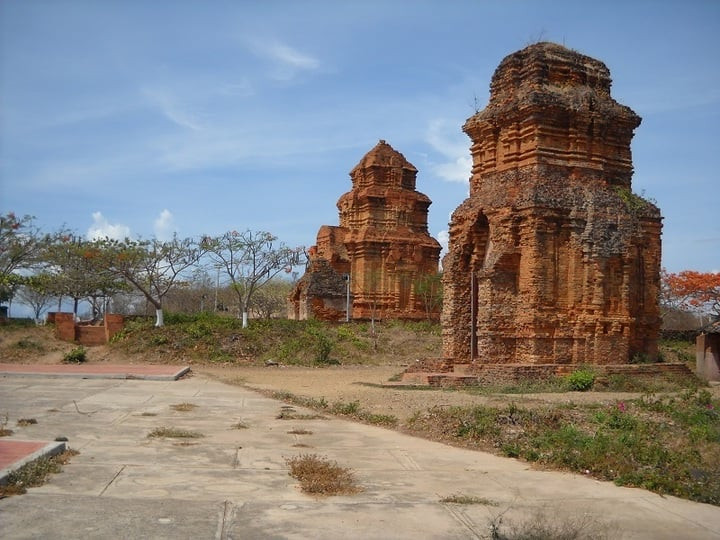
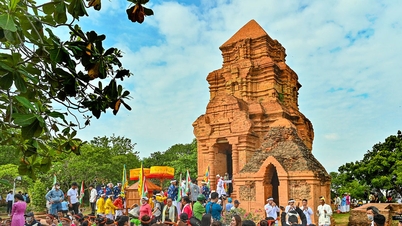
Poshanu Cham Towers: Located about 7km from Phan Thiet city, the Poshanu towers, also known as Pho Hai Cham Towers, sit atop Ba Nai hill. The group of towers was built between the early 8th and late 9th centuries, initially to worship the god Shiva. In the 15th century, the Cham people added several more temples to worship Princess Poshanu, whom they greatly admired. Hence, the name Poshanu Towers.
This is a relatively well-preserved cluster of Cham towers compared to other scattered throughout South Central Vietnam. If you are interested in poetry, you should visit the Emperor's Pavilion, near the tower, which commemorates the love story between the talented but ill-fated poet Han Mac Tu and the beautiful Mong Cam.
Hon Ghenh – Hon Rom: Hon Ghenh is about 1km from Mui Ne and is a great spot for coral viewing. There are two ways to get to Hon Ghenh: joining a tour or renting a boat from the locals.
If you want to go swimming, head to Hon Rom. Hon Rom has 17km of coastline, including many idyllic beaches with crystal-clear water, gentle waves, and, importantly, no underwater rocks… Many beaches are still completely unspoiled.
- Route 4: Starting from Phu Long town, passing through Phan Thiet and following National Highway 1A, stopping at Ta Cu Mountain. This route is 58km long and has 8 buses traveling in opposite directions. The most notable destination on this route is undoubtedly the Ta Cu Mountain tourist area.
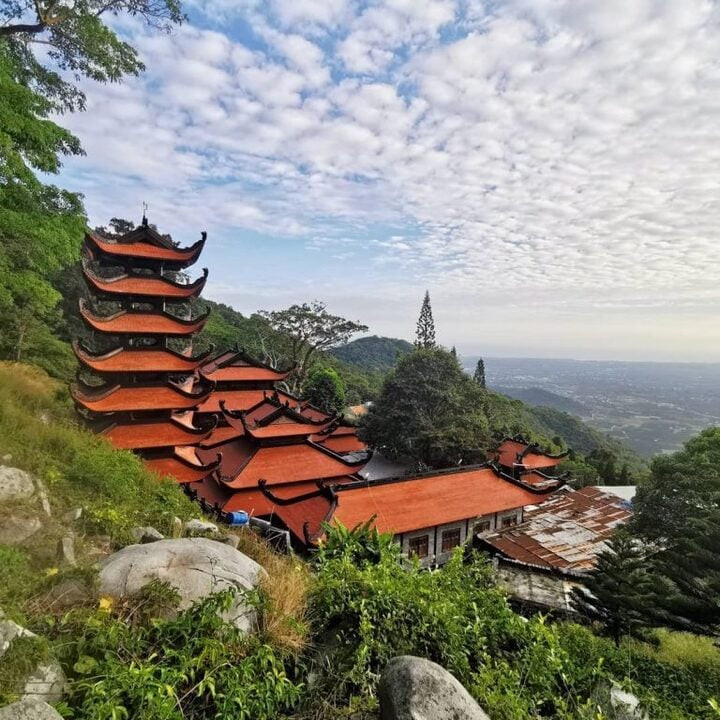
Ta Cu Mountain Tourist Area: The most popular activity for visitors here is conquering Ta Cu peak. If you want to challenge yourself, you can climb the 1,000 steps to the summit. Otherwise, you can take the cable car, which takes 7 to 10 minutes each way. Besides the satisfying feeling of conquering the high mountain, reaching the summit allows you to visit the two famous temples: Linh Son Truong Tho and Long Doan.
Of particular interest is the "Song Lam Thi Tich" site, which houses the largest reclining Buddha statue in Southeast Asia, measuring 49 meters long and 11 meters high. Construction of the statue began in 1962 and took nearly four years to complete.
- Route 6: Departs from Phan Thiet city, passes through Ke Ga and ends in La Gi town. Runs along the coast, following the DT 719 road, with 10 buses operating in opposite directions. Operates from 5:30 AM to 6:00 PM. Notable attractions include: Da Nhay Bay, Ke Ga Lighthouse, Thầy Thím Shrine, Hon Ba Island...
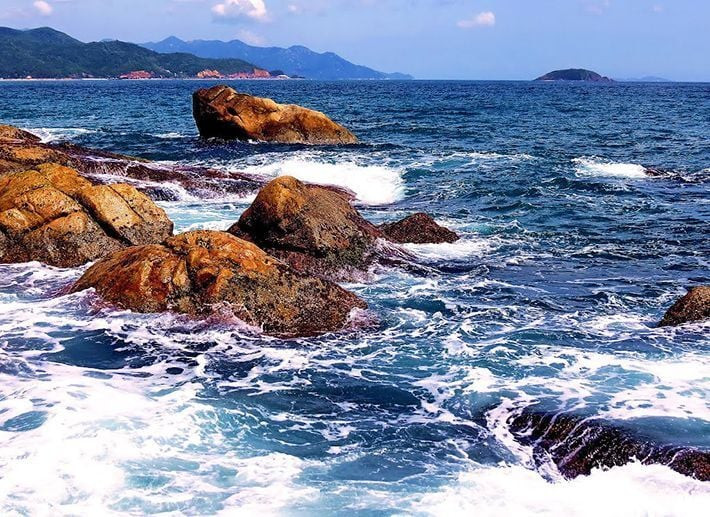
Da Nhay Bay (Jumping Rocks Bay): This would be an ideal place if you like photography, pristine beaches, and… rocks. Just look at the rocks of countless shapes and sizes, scattered everywhere as if nature were arranging its troops, and you'll understand why it's called Da Nhay Bay (Jumping Rocks Bay). Every time the sun sets, Da Nhay Bay becomes a paradise on earth.
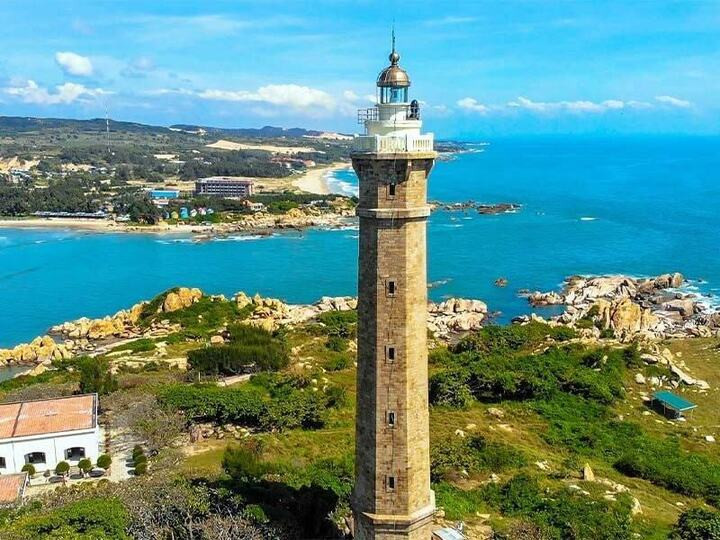
Ke Ga Lighthouse: Located about 30km from Phan Thiet city, Ke Ga Lighthouse was built in 1897 and designed by a French engineer named Snavat.
Hon Ba Island: Located about 2km from the coast of La Gi town, it covers nearly 5,000m2. You can go there to snorkel and admire the coral reefs like foreign tourists, or experience what it's like to be Robinson Crusoe. The island is extremely sparsely populated, has no fresh water, and surviving there for a few days is a significant challenge. The most notable architectural feature on the island is the temple dedicated to the goddess Thien Ya Na of the Cham people.
Source


![[Image] Hanoi's urban life under the challenge of a "scorching hot" environment](https://vphoto.vietnam.vn/thumb/1200x675/vietnam/resource/IMAGE/2026/05/25/1779706979265_nang-nong-t5-2026-minh-duy-7-4636-jpg.webp)







































































Comment (0)