

Introverted children not only tend to prefer being alone, but as they grow older, they increasingly value quiet time alone, as these are the times that help them recharge after interactions in their studies, work, and life.
In general, when venturing out into society, introverted individuals may encounter some difficulties in communication and group activities. Therefore, parents need to help their children overcome these challenges early on, so that they feel comfortable being themselves.
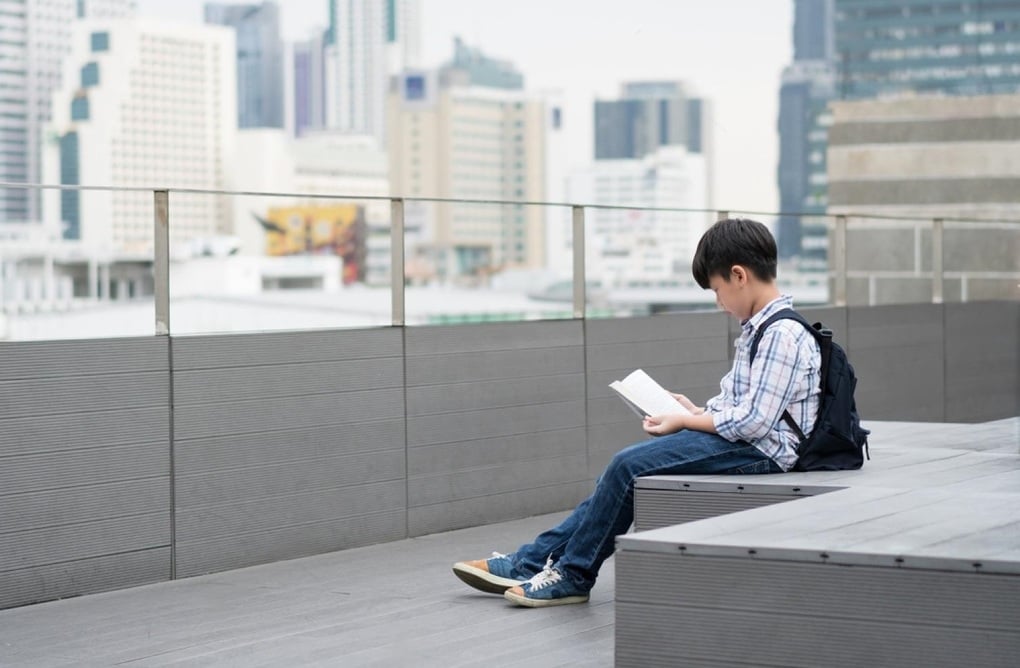
Introverted children may feel tired and drained of energy after group activities (Illustrative image: iStock).
Help your child recharge after interactions.
Everyone needs quiet time alone. However, introverts will need such time more often. This requires family members to understand the needs of introverted teenagers and create an environment that provides them with the necessary personal space.
American psychologist Kristen Casey said: "Introverted teenagers may feel tired and drained after group activities. Parents need to create space for them to balance and recharge. Giving them their own room so they can be alone for a while is ideal."
However, when children can't have their own space, parents should teach them essential skills for when they feel "drained" of energy. This includes taking a short "break" in the bathroom for 5-7 minutes to relax.
Help your child learn how to set limits.
Introverts often struggle with setting boundaries with those around them, which only makes things more difficult. In reality, not everyone understands the needs of introverts, so it's very helpful for introverted teenagers to learn how to express themselves, thereby improving their quality of life.
Parents need to help their children learn how to communicate effectively with relatives, friends, and others, expressing exactly what they want if conflicts arise in their communication or daily lives. Such situations can initially make children feel overwhelmed, hesitant to confront the issue, and avoid dialogue due to stress.
Nevertheless, practicing communication and problem-solving skills is essential. During the process, children may feel stressed and find it difficult, but making an effort to control their emotions and overcome challenging situations is also a crucial skill.

Parents should help their children improve their interaction skills and gradually become more sociable within a group (Illustrative image: iStock).
Help your child communicate effectively.
Psychologist Kristen Casey says that many introverts dread phone calls and even tend to delay responding to messages. This can lead family and friends, if they don't understand, to believe that introverts don't value their relationships.
Therefore, parents should help their children learn how to express themselves to relatives and close friends in a way that makes them feel most comfortable. However, children also need to learn how to respond quickly and concisely to maintain relationships and avoid unnecessary misunderstandings.
Help your child overcome social pressures.
One of the things that introverted teenagers worry about most is how others perceive them. They also often feel pressured when participating in group activities.
Anxiety and stress experienced during group activities can cause introverted teenagers to feel "problematic" or inadequate.
In this regard, parents need to help their children adjust themselves to meet basic standards in interacting with a group. Children need to learn how to integrate with friends and groups, how to express themselves, and how to show goodwill and cooperation with those around them.
However, ultimately, your child doesn't need to completely change themselves. Parents should help their children set realistic goals to gradually improve their interaction and social skills, but ultimately, parents also need to help them learn to be confident in themselves.

Introverted young people also want to date and have romantic relationships (Illustrative image: iStock).
Help your child build emotional relationships.
This is something parents will need to pay attention to as their children enter adulthood. Dating is not easy, and it becomes even more difficult for introverted young people.
While everyday social interactions are already somewhat challenging for introverts, going on dates becomes even more of a test for young introverts.
In reality, introverted young people also want to date and have romantic relationships. Parents need to understand this in order to encourage their children and be ready to advise and support them when needed.
Source: https://dantri.com.vn/giao-duc/khi-con-nho-chi-thich-o-mot-minh-cha-me-can-lam-gi-20241018190527393.htm






























![[Photo] Reception to welcome General Secretary and President To Lam and his wife on their State visit to the Philippines](https://vphoto.vietnam.vn/thumb/1200x675/vietnam/resource/IMAGE/2026/06/01/1780295488620_vna-potal-chieu-dai-chao-mung-tong-bi-thu-chu-tich-nuoc-to-lam-va-phu-nhan-tham-cap-nha-nuoc-toi-philippines-8798060-7855-jpg.webp)




































































Comment (0)