SKĐS - At Hoa Lac airport, night flight crews are quietly honing the skills, courage, and combat readiness of helicopter pilots.
From ground preparations to helicopter takeoff and safe return at night, pilots of the 916th Air Regiment, 371st Air Division, Air Defense and Air Force Command, diligently honed their skills in mastering the equipment under limited visibility conditions, contributing to improved training quality and combat readiness.
As helicopters 'draw lines of fire' across the night sky.
Before takeoff
As evening falls, Hoa Lac Airport enters a state of preparation for night flights. Flight crews, navigators, technicians, and ground support personnel quickly take their positions, reviewing each step according to established procedures.
On the tarmac, the helicopters sat still, awaiting orders. From the rotor blades and fuselages to the connection points and technical systems, every detail was meticulously checked. The atmosphere before takeoff was quiet but tense, because with night flying, even a small mistake could affect the entire mission.
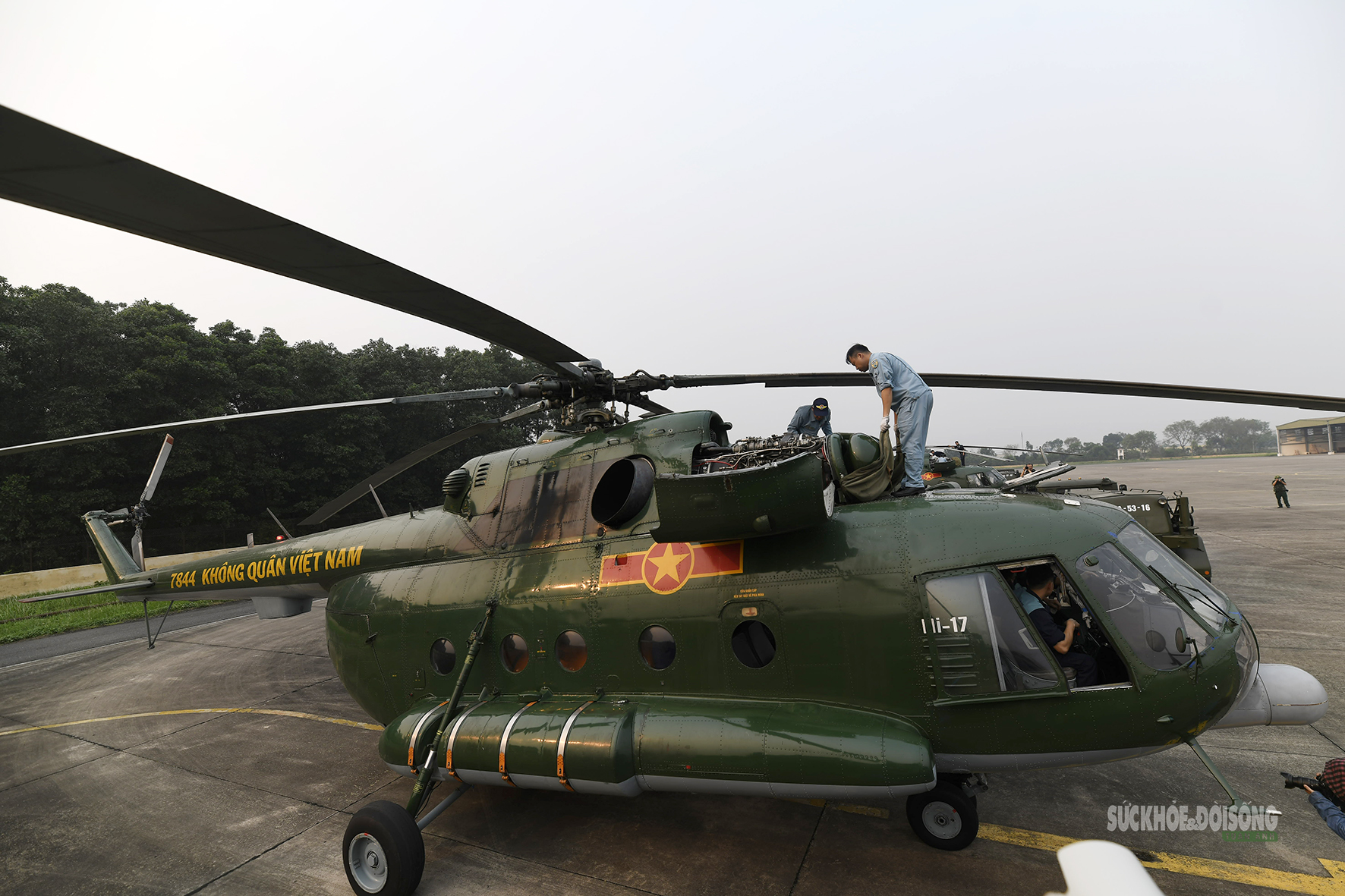
Ground forces inspect equipment and ensure flight safety.
A young pilot briefly shared: "Flying at night requires trust in the equipment, but first and foremost, you must have a firm grasp of the procedures; you absolutely must not be complacent."
Lieutenant Colonel Nguyen Van Hoang, Deputy Political Commissar of Air Force Regiment 916, said that night flying is a mandatory and highly demanding course, so preparation must be meticulous at every stage. Takeoffs can only be organized when personnel and equipment are fully prepared.
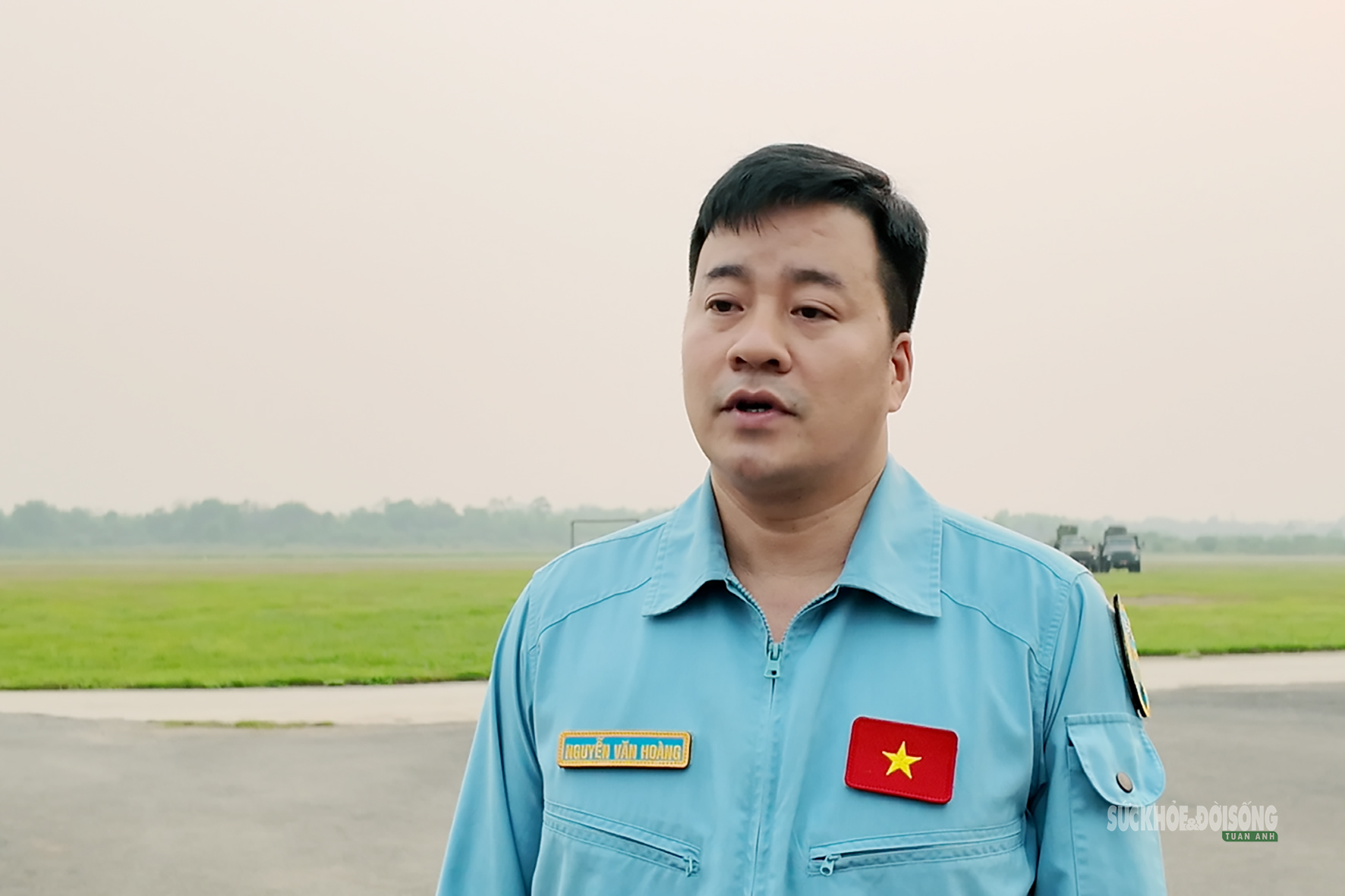
Lieutenant Colonel Nguyen Van Hoang, Deputy Political Commissar of Air Force Regiment 916.
When "steel wings" tear through the night
Around 6 PM, the helicopters started up one after another. The sound of the engines grew louder with each rotation of the rotor blades, stirring up dust and mist into swirling clouds under the airport lights.
Each helicopter moved onto the runway, taking off as planned. In the darkness, the sky became a special training ground for the helicopter pilot. Visibility was reduced, and terrain and obstacles were harder to observe, making every maneuver—maintaining altitude, direction, speed, or handling a situation—demand intense concentration.
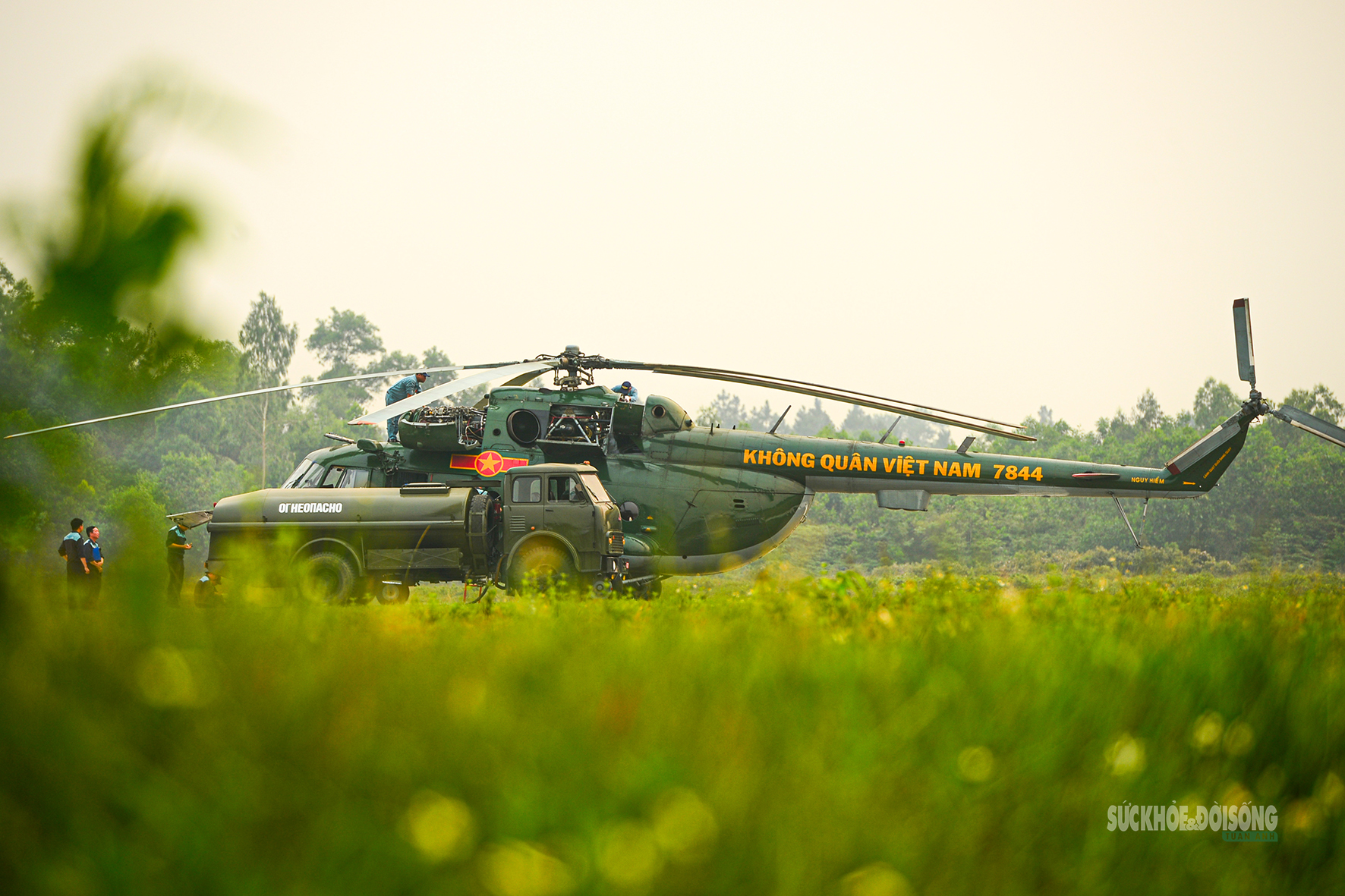
The technical crew inspects the helicopter before takeoff.
From the ground, the helicopter sometimes appears as a clear silhouette, other times as just a small speck of light against the dark sky. The navigation lights, the glow from the rotor blades, and the streaks of light in the air create a unique beauty of a night flight.
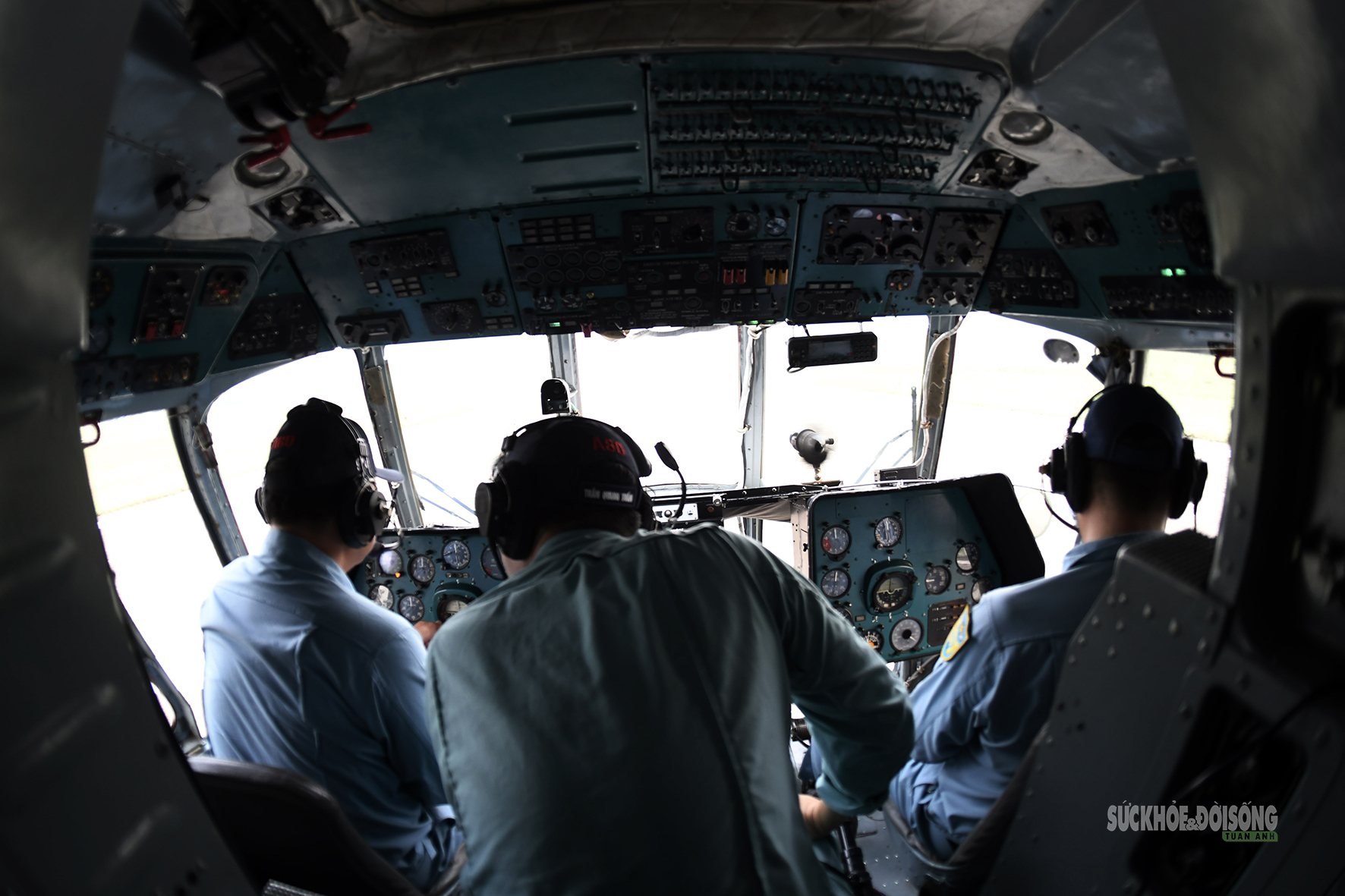
The flight crew coordinates in the cockpit before executing the mission.
Lieutenant Colonel Nguyen Van Hoang emphasized: "To fly well at night, pilots must have solid technical skills, precise maneuvers, and maintain a stable mindset to proactively handle all situations in the air."
A ground-based technical officer said, "Only when preparations on the ground are thorough can the air force feel secure in carrying out their mission."
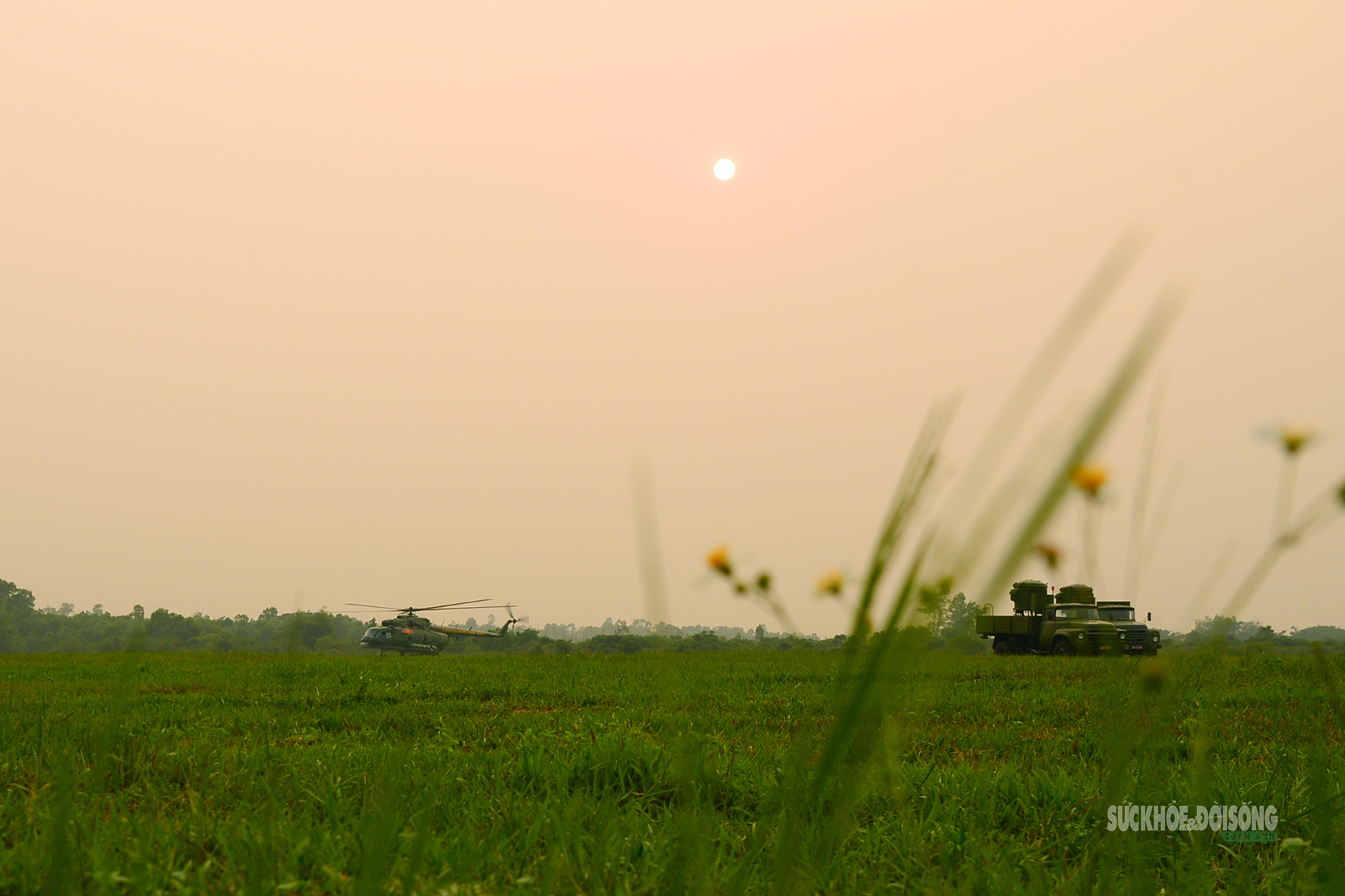
Around 8 PM, the helicopters began returning one by one. In the distance, the signal lights gradually became visible in the darkness. Each aircraft descended and landed safely according to procedure.
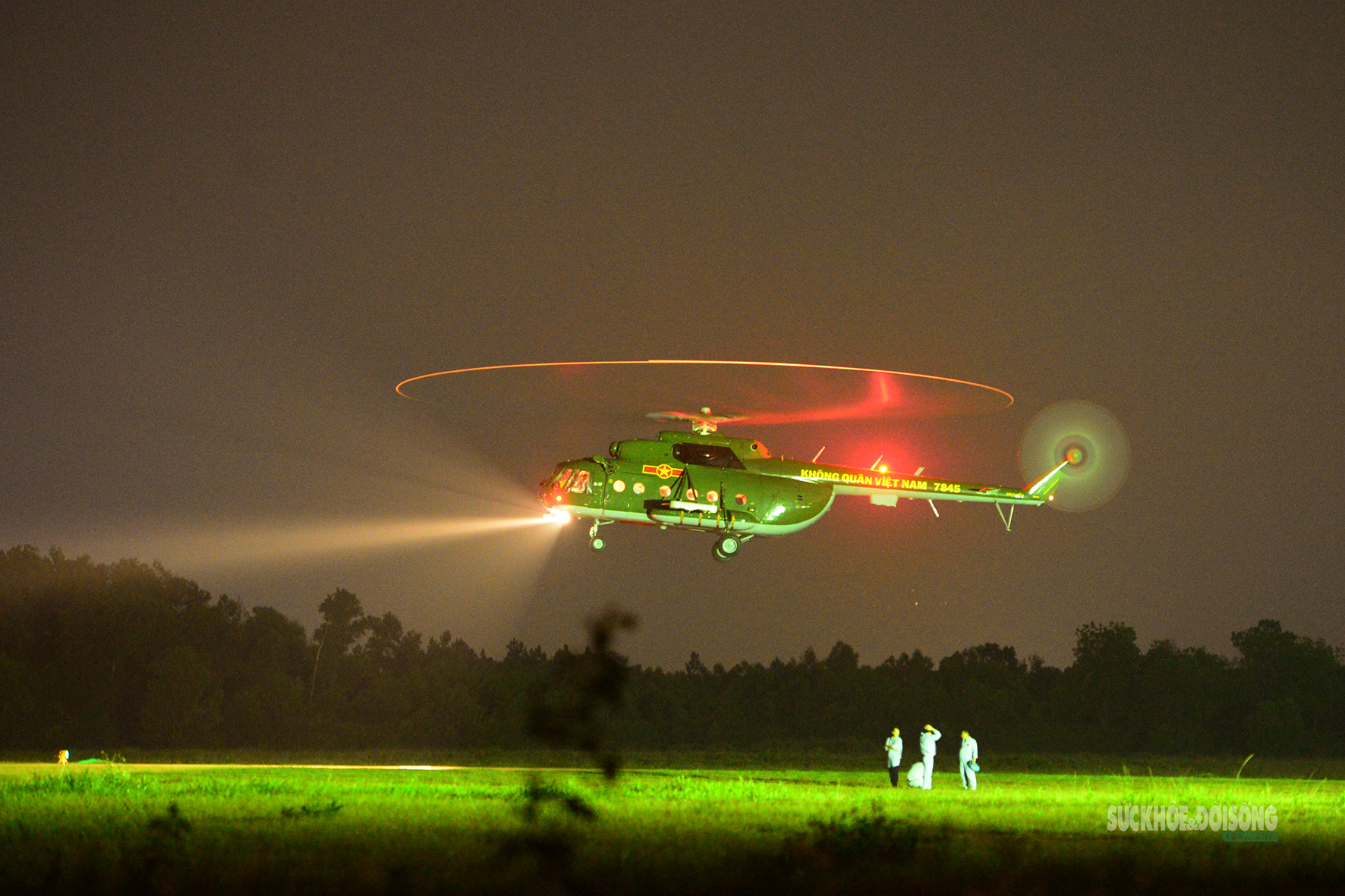
The aircraft entered flight mode in limited lighting conditions.
After the flight, the departments continued with post-flight checks, data compilation, lessons learned, and improvements to preparations for subsequent missions. At the airport, the work pace remained orderly and precise, just as it was at the beginning.
According to Lieutenant Colonel Nguyen Van Hoang, after each flight, the unit conducts a detailed review to adjust, supplement, and improve the quality of training.
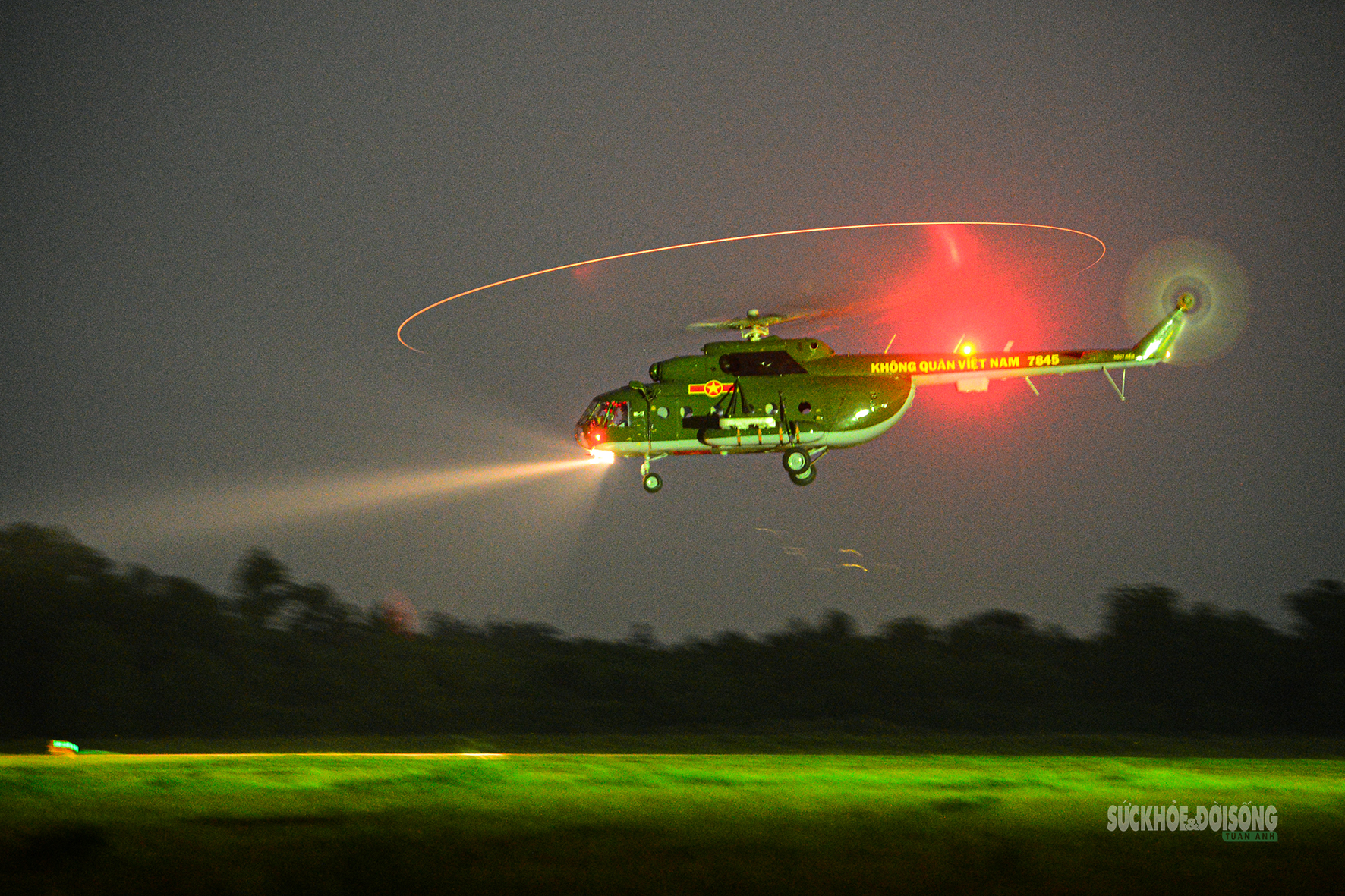
The halo of light from the propeller blades traced circles across the night sky.
Lieutenant Colonel Nguyen Quang Trung - Head of Political Affairs of the 916th Air Regiment, 371st Air Division, Air Defense and Air Force Command, also believes that the success of a night flight is the result of many factors, from command organization, pilot skill to technical support, meteorology, and navigation; but the decisive factor remains the human element.
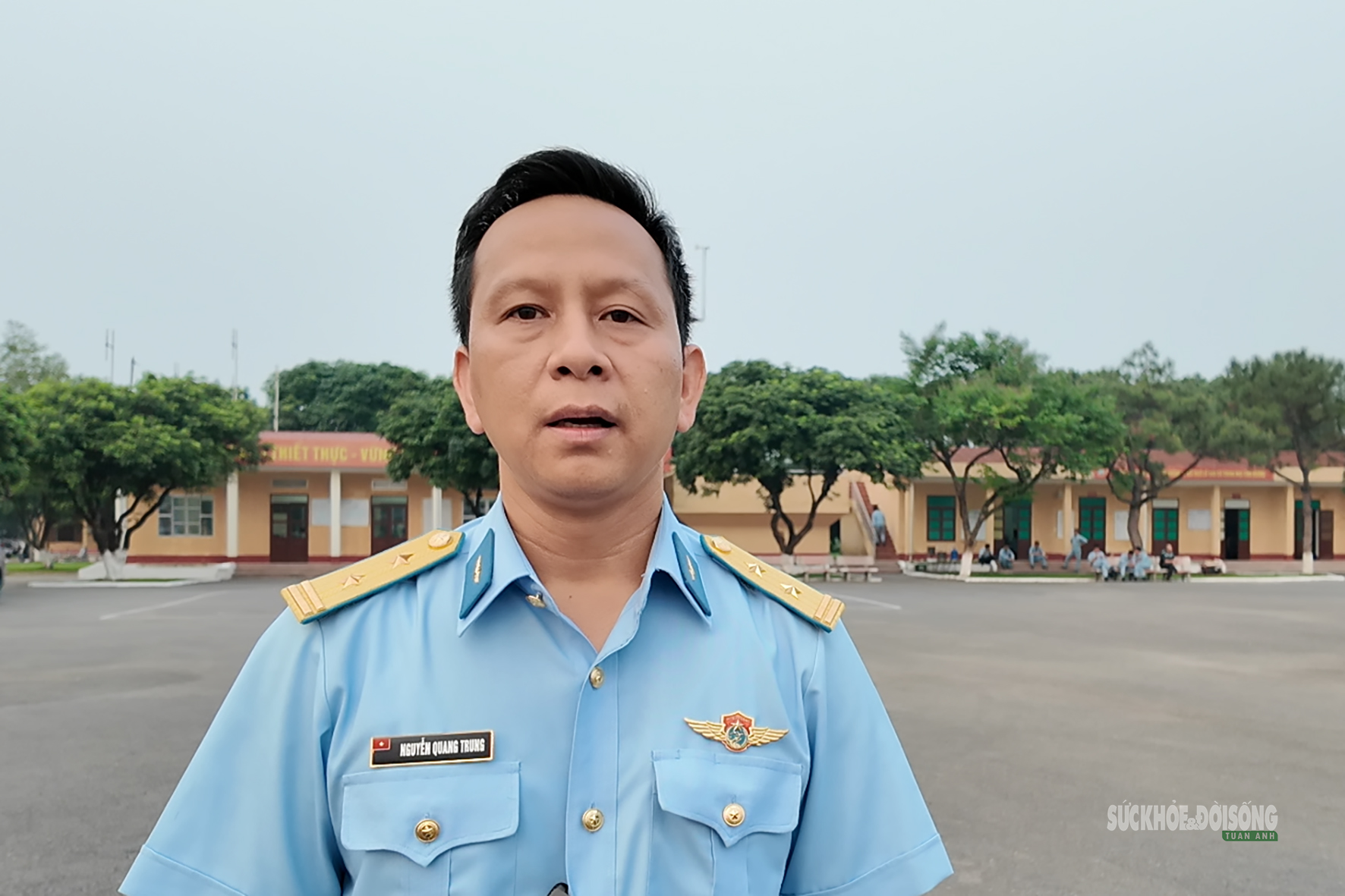
Lieutenant Colonel Nguyen Quang Trung - Head of Political Affairs, 916th Air Force Regiment.
Here are some photos taken by reporters from the Health & Life Newspaper at Hoa Lac Airport:
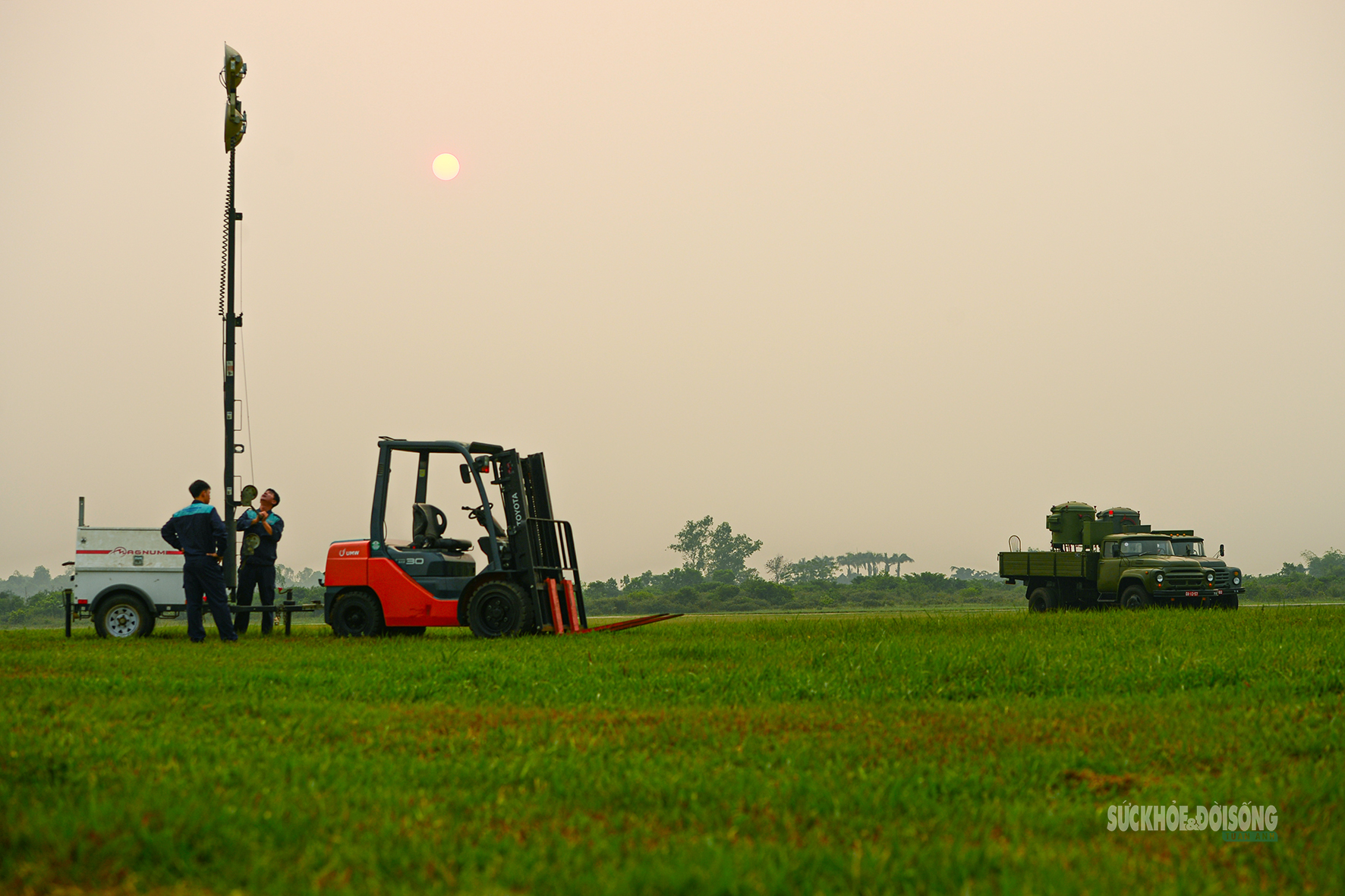
The airport gets ready as late afternoon falls.
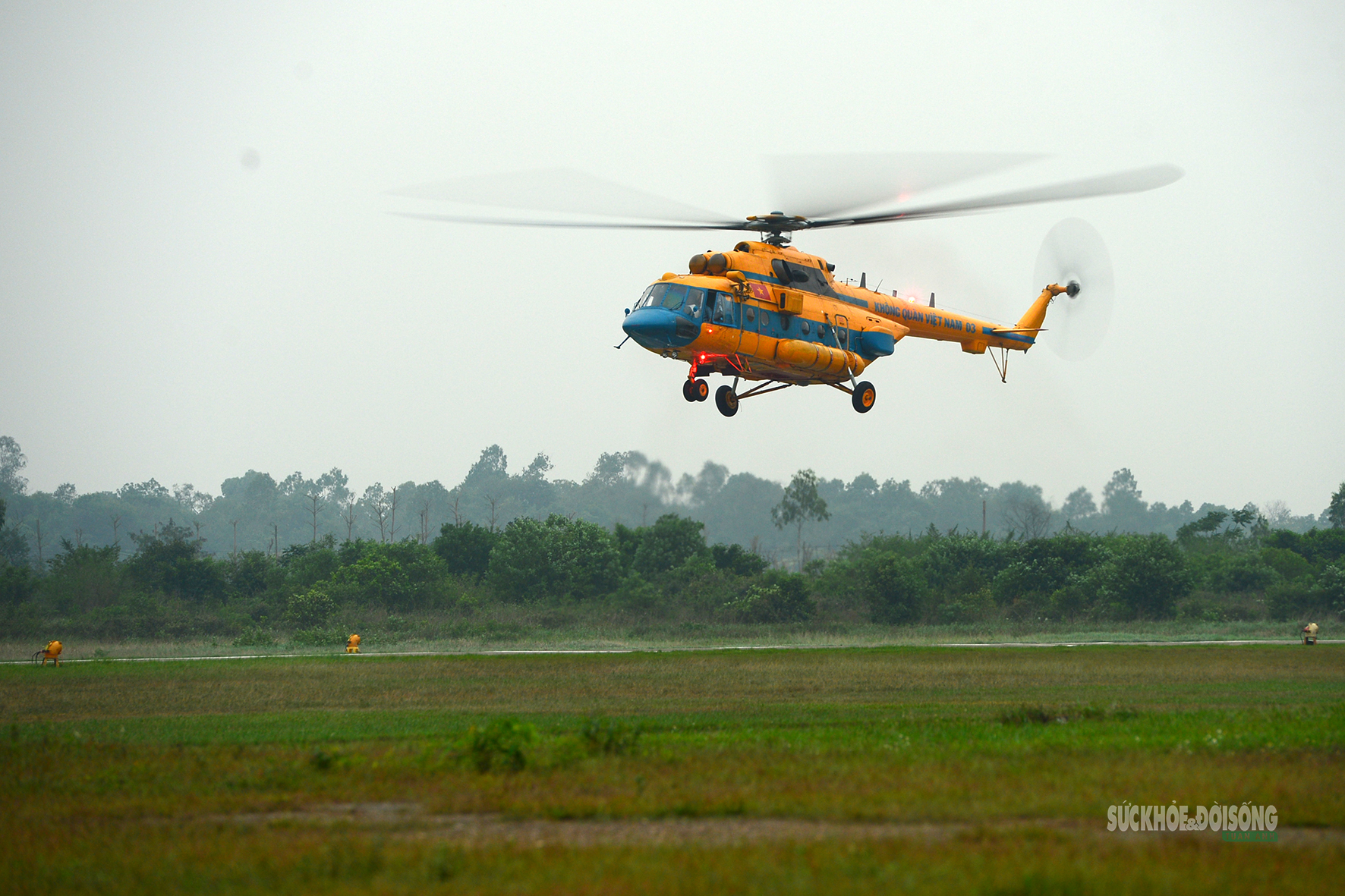
Helicopters maneuvering over the Hoa Lac airport area.
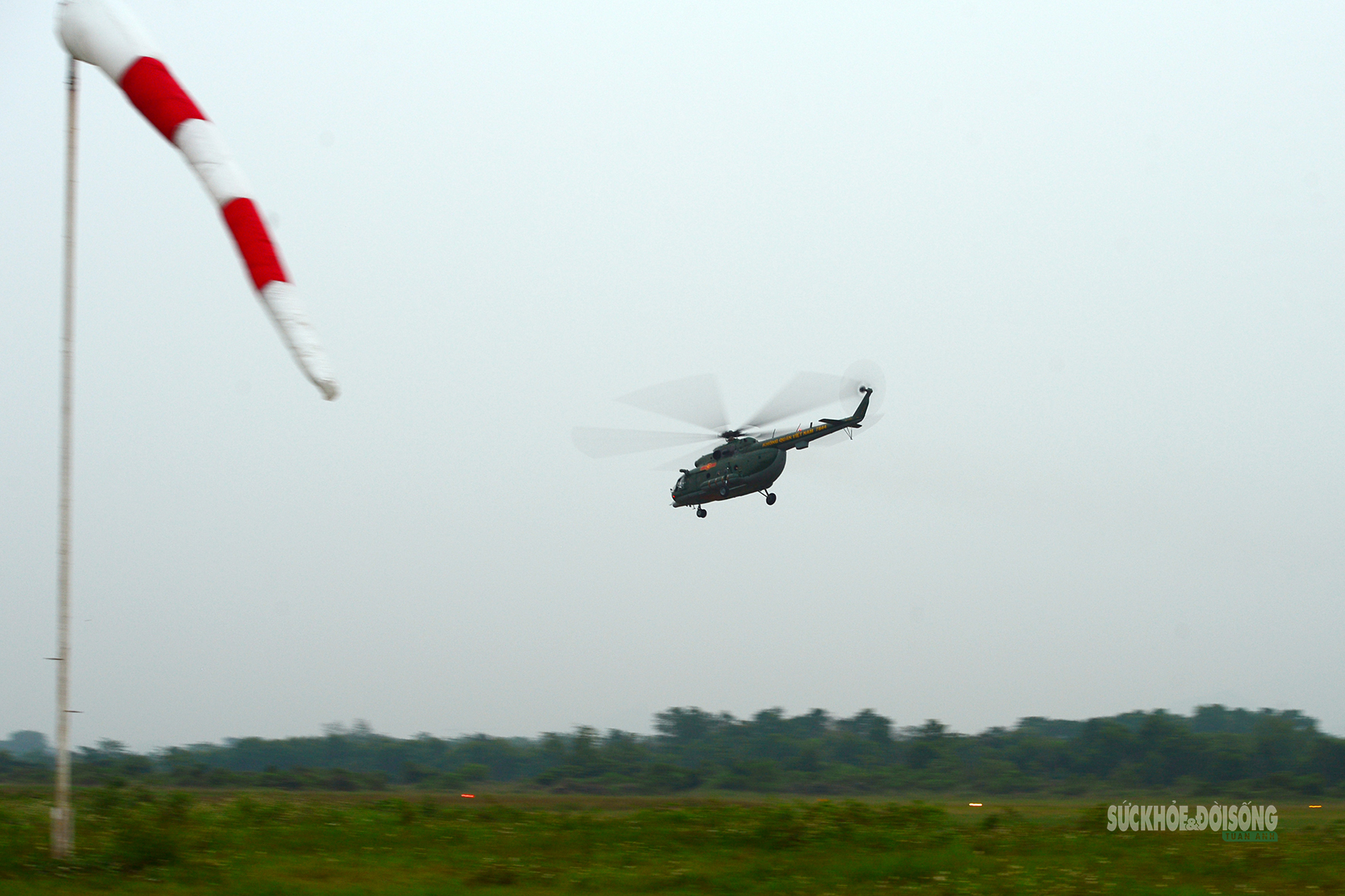
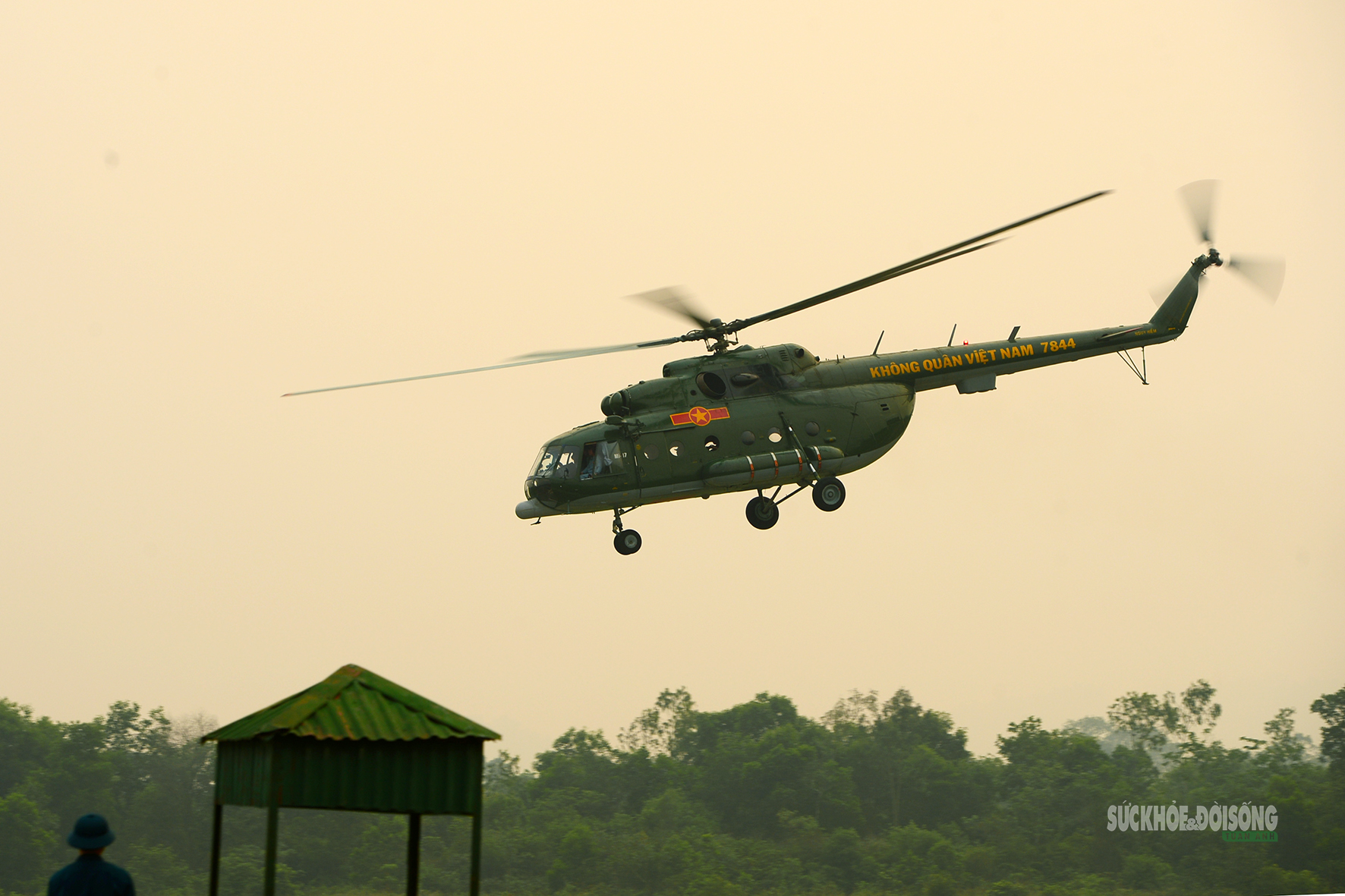
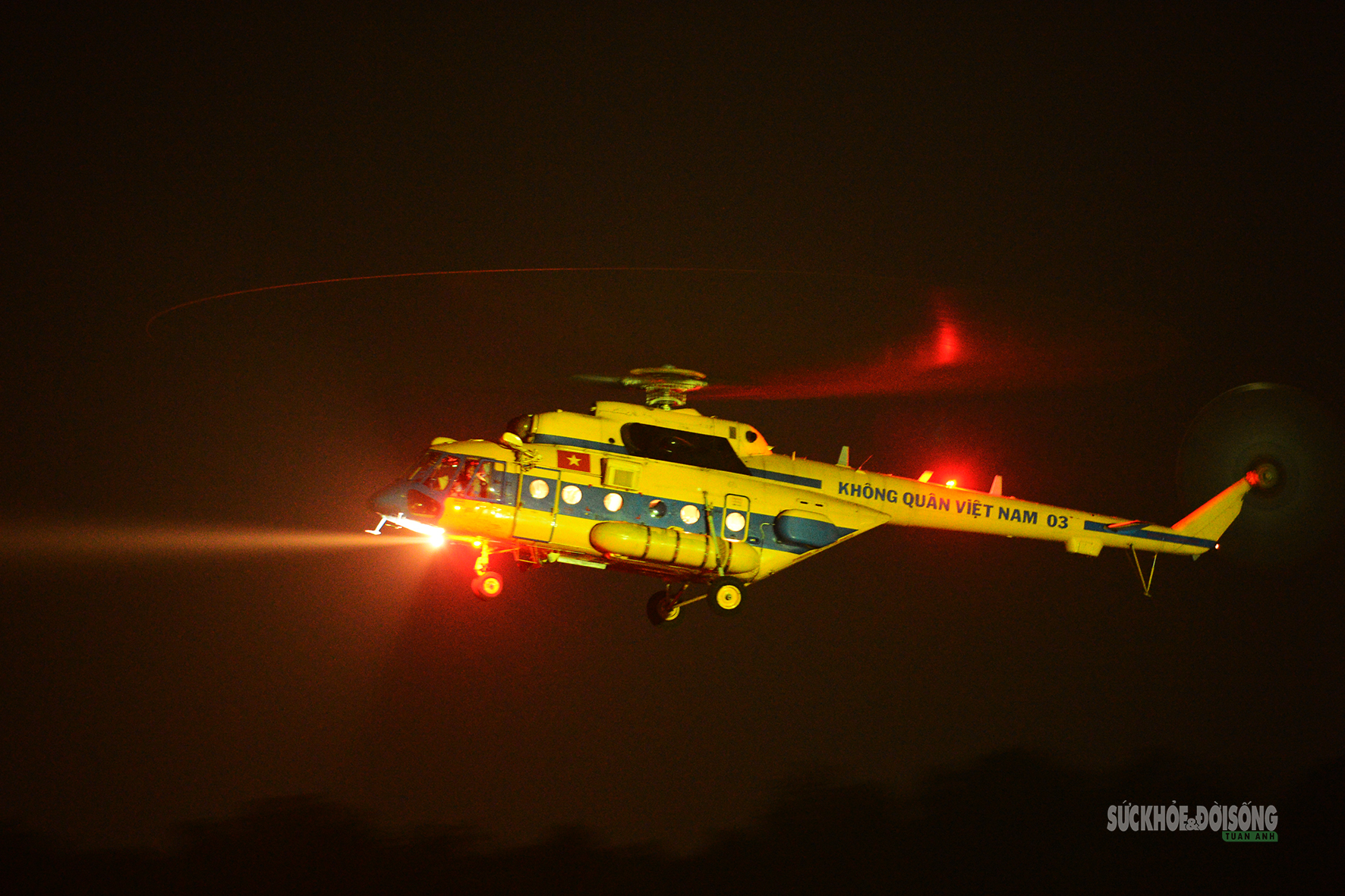
Training helicopter descends at night.
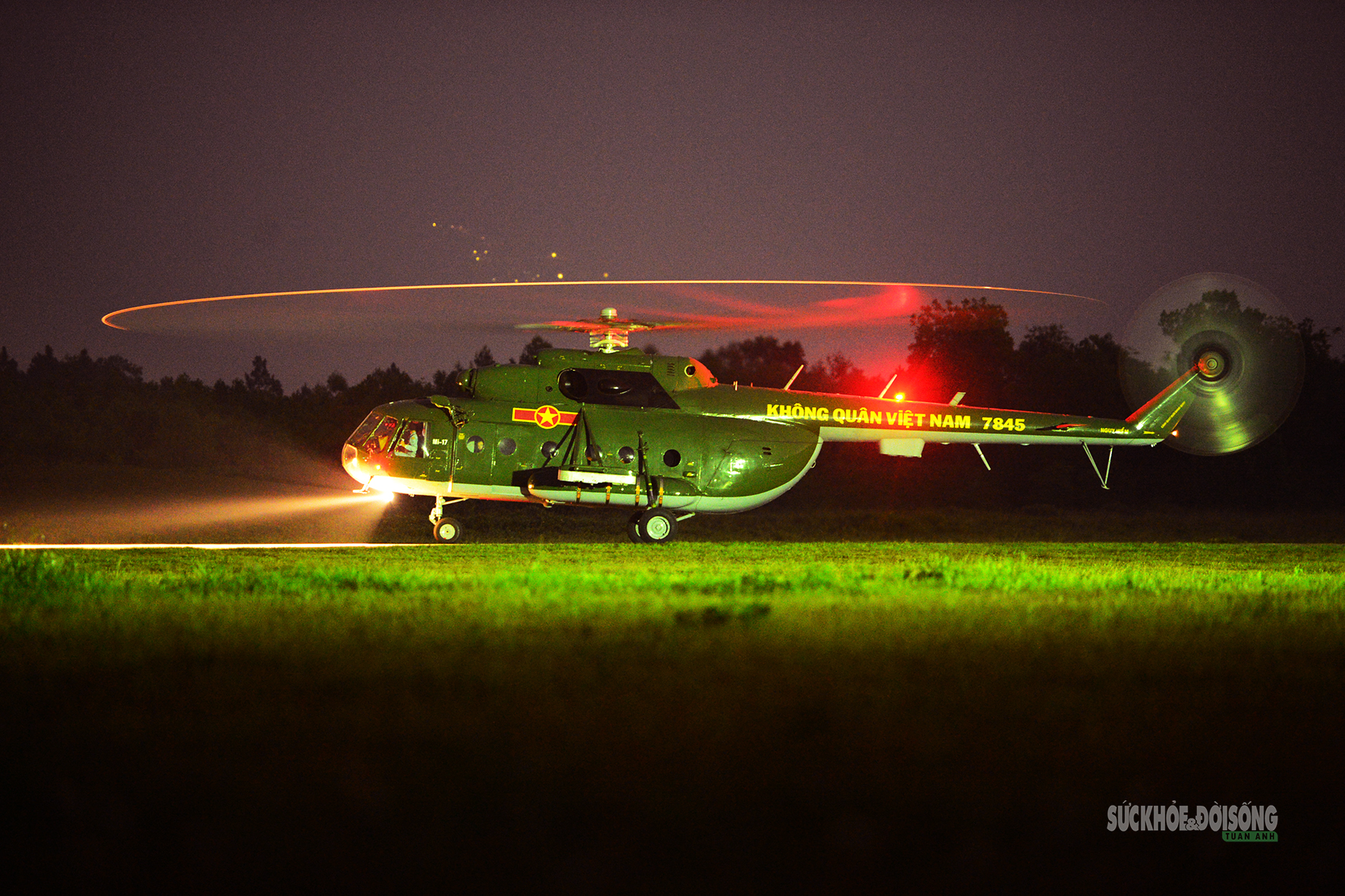
The helicopter returned safely after the flight.
Tuan Anh - Quang Trung
Source: https://suckhoedoisong.vn/khi-truc-thang-ve-lua-tren-bau-troi-dem-169260411132833823.htm


![[Photo] Admire the coral "masterpiece" amidst the million-year-old heritage of Dak Lak province.](https://vphoto.vietnam.vn/thumb/1200x675/vietnam/resource/IMAGE/2026/05/31/1780221235105_anh-man-hinh-2026-05-31-luc-16-53-27.png)


![[Photo] The General Secretary, President and his wife begin their state visit to the Philippines.](https://vphoto.vietnam.vn/thumb/1200x675/vietnam/resource/IMAGE/2026/05/31/1780230559452_anh-man-hinh-2026-05-31-luc-19-28-11.png)
![[Photo] Solemn bathing ceremony and Buddha procession in Hue](https://vphoto.vietnam.vn/thumb/1200x675/vietnam/resource/IMAGE/2026/05/31/1780228263543_1-jpg.webp)





![[Photo] The General Secretary, President and his wife begin their state visit to the Philippines.](https://vphoto.vietnam.vn/thumb/402x226/vietnam/resource/IMAGE/2026/05/31/1780230559452_anh-man-hinh-2026-05-31-luc-19-28-11.png)











![[Video] Sunset at Lap An Lagoon – Where the sun sets over the fishing nets](https://vphoto.vietnam.vn/thumb/340x192/vietnam/resource/IMAGE/2026/05/31/1780192137701_beach-landscape-sea-water-nature-grass-745871-pxhere-com.jpeg)







































![[Photo] Admire the coral "masterpiece" amidst the million-year-old heritage of Dak Lak province.](https://vphoto.vietnam.vn/thumb/402x226/vietnam/resource/IMAGE/2026/05/31/1780221235105_anh-man-hinh-2026-05-31-luc-16-53-27.png)






































Comment (0)