

The keto diet may help fight cancer by starving tumors. American scientists have discovered that the keto diet cuts off the sugar supply that tumors need to grow, according to the research journal Study Finds.
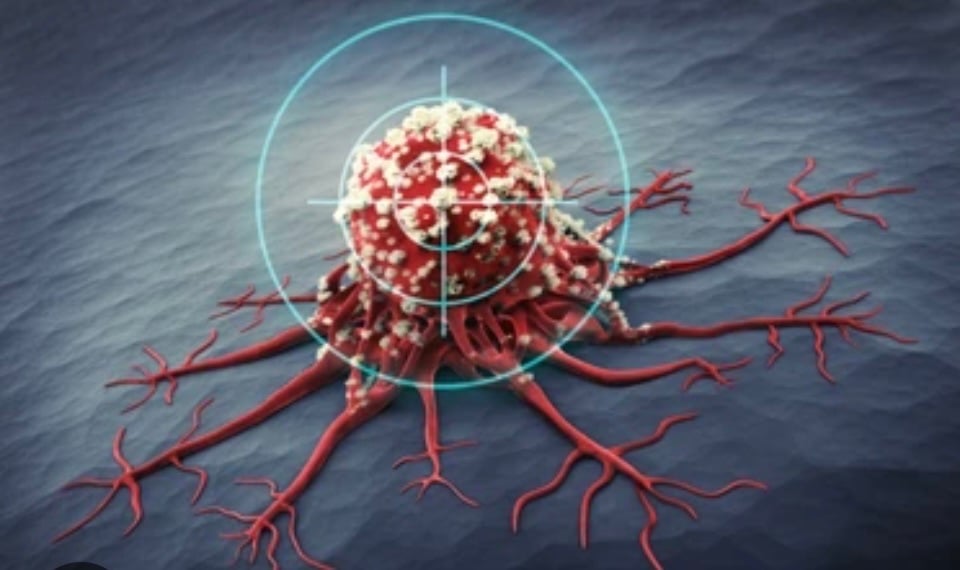
Adopting a keto diet in combination with corticosteroid medication caused cancerous tumors to shrink and allowed them to live longer.
The Keto diet involves cutting out starchy foods like rice, bread, and pasta and replacing them with more meat and dairy. The research team found that combining this diet with corticosteroid medications produced anti-cancer benefits without the deadly side effects.
The research, conducted by Associate Professor Dr. Tobias Janowitz from the Cold Spring Harbor Cancer Research Laboratory in New York (USA) and his team, was carried out on mice.
The results showed that in mice with cancer, applying a keto diet combined with corticosteroid medication caused cancerous tumors to shrink and they lived longer. The keto diet can reduce body weight by up to 10%, according to Study Finds .
Dr. Janowitz explained in a press release: "Healthy mice on a Keto diet also lost weight, but their metabolisms adapted and stabilized."
However, the cancerous mice were unable to adapt because they couldn't produce enough corticosterone, the hormone that regulates the effects of the Keto diet, so they continued to lose weight.
To remedy this situation, the authors addressed the problem by supplementing the deficient corticosterone hormone in these cancerous mice with an anti-inflammatory corticosteroid along with a keto diet. The results were remarkable: the tumors shrank without causing wasting, according to Study Finds.
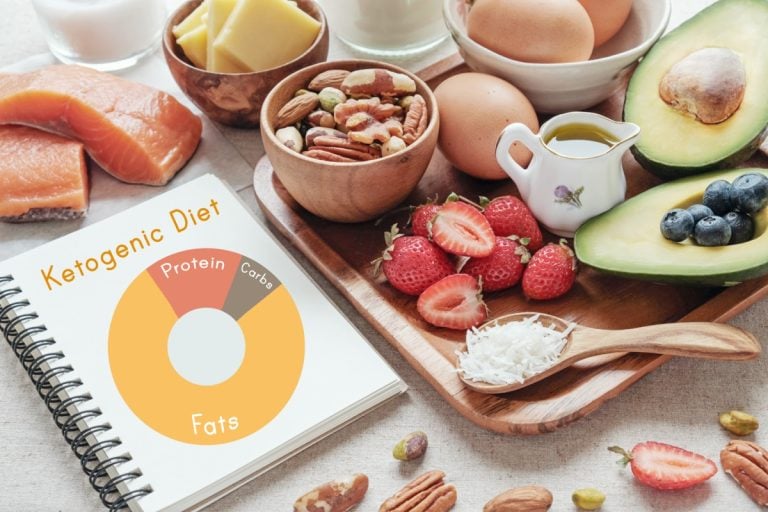
The Keto diet involves cutting out starchy foods like rice, bread, and pasta and replacing them with more meat and dairy.
What is wasting of energy in cancer patients?
Wasting is characterized by severe weight loss, leading to loss of appetite, fatigue, and weakened immunity.
This condition is very common in patients with advanced cancer. They become so weak that they are no longer able to receive cancer treatment, and also lack the strength to perform daily tasks.
Lead co-author, Dr. Miriam Ferrer, said: "Cancer is a systemic disease. It reprograms normal biological processes for tumor growth."
Because of this reprogramming, the mice were unable to utilize nutrients from the Keto diet and wasted away. But when supplemented with corticosteroids, they fared much better. The cancerous mice lived longer than with any other treatment we tried, Ferrer explained, according to Study Finds.
This research is part of the international Cancer Grand Challenges project targeting wasting.
Researchers are currently working to fine-tune the timing and dosage of corticosteroids to effectively administer keto therapy.
What is the Keto diet?
The ketogenic diet is a high-fat, high-protein, very low-carbohydrate diet that forces the body to burn fat instead of carbohydrates.
Source link


![[Photo] Prime Minister Pham Minh Chinh attends the Conference on the Implementation of Tasks for 2026 of the Industry and Trade Sector](/_next/image?url=https%3A%2F%2Fvphoto.vietnam.vn%2Fthumb%2F1200x675%2Fvietnam%2Fresource%2FIMAGE%2F2025%2F12%2F19%2F1766159500458_ndo_br_shared31-jpg.webp&w=3840&q=75)


















































































Comment (0)