


Many sources claim that sweet potato tubers are highly nutritious, while the leaves are less tasty and less nutritious. Is this true? (Ngoc, 36 years old, Hanoi )
Reply:
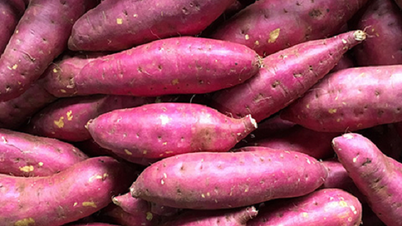
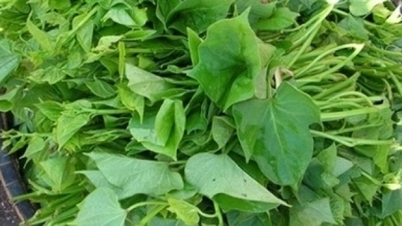
The two most commonly used parts of the sweet potato are the tuber and the leaves. Some people believe that the tuber provides the greatest nutritional value, while the leaves are considered a common, less tasty, and less nutritious alternative to some other vegetables.
However, many people also believe that taro leaves provide many vitamins and minerals that are good for the body, and are considered by the Japanese as the "longevity vegetable".
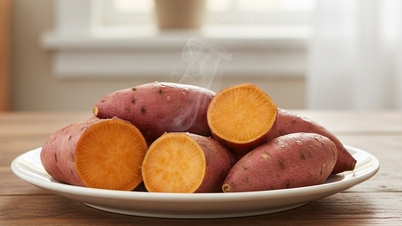
In reality, it's impossible to compare sweet potato tubers and leaves because both have their own nutritional values and uses. Sweet potato tubers are classified as a staple food, providing starch; most notably, many people use sweet potatoes for breakfast instead of rice, noodles, or pho because they provide a significant amount of carbohydrates to the body. Leaves, on the other hand, belong to the leafy vegetable group and are used in cooking, such as in soups, boiled dishes, and stir-fries.
Sweet potato leaves are rich in vitamin B2, fiber, vitamin B6, vitamin C, and antioxidants. They help cleanse the digestive system, reduce heat, detoxify, and effectively lower blood fat. In particular, sweet potato leaves contain flavonoids, which promote glucose absorption in peripheral tissues and enhance insulin secretion, helping to prevent diabetes.
If people have access to a reliable source of vegetables, they should consume them regularly, combining them with other vegetables to ensure a diverse diet. Additionally, sweet potato leaves spoil very quickly, so it's important to remove them as soon as they are cooked to preserve vitamins and minerals.
Sweet potatoes are rich in starch, fiber, vitamins, and minerals, and contain many antioxidants that help protect the body. However, they should not be eaten in large quantities at once or continuously because their high starch content can raise blood sugar levels.
Dr. Tu Ngu
Vietnam Nutrition Association
Source link

















































































Comment (0)