

|
Mr. Sam Van Tiep (Choong village, Cho Don commune) takes care of the buffalo herd that was provided as support. |
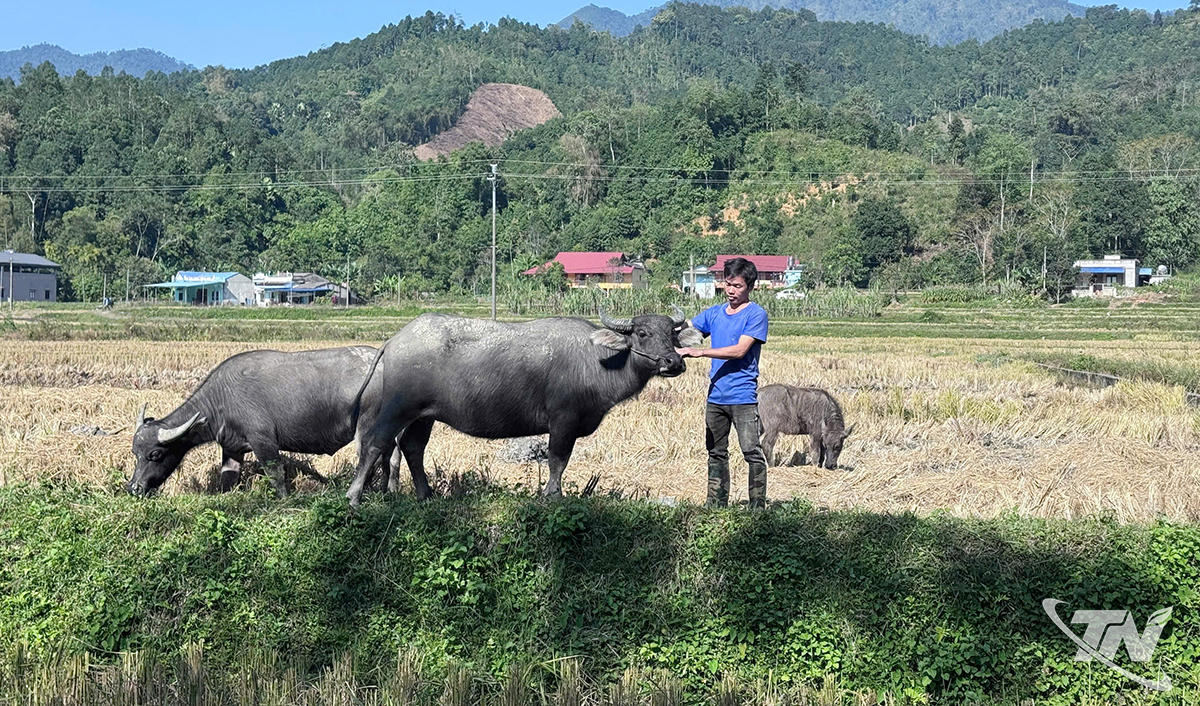
Located more than 10km from the center of Cho Don commune, Choong village still has many people facing difficult circumstances, whose lives depend solely on a few plots of land for growing corn and rice.
Mr. Sam Van Tiep's family was classified as a poor household due to a lack of arable land and an unstable house. A turning point came when his family accessed funding from the National Target Program for Sustainable Poverty Reduction. With resources from the program, Mr. Tiep's family received support in the form of two breeding buffaloes.
Thanks to proper care techniques and making good use of the local natural conditions, his family's buffalo herd has grown to 5 animals, providing a stable source of income.
Not only did they secure a sustainable livelihood, but in 2025, Mr. Tiep's family also received an additional 30 million VND from the program to eliminate temporary housing. Along with their savings and support from relatives, Mr. Tiep's family was able to build a sturdy house. This timely and appropriate support has helped his family settle down, establish a stable life, and escape poverty.
“Now that we have a herd of buffaloes and a sturdy house, we don’t have to worry about storms anymore. Besides taking care of the buffaloes, I’ve also developed our economy from the forest and fields to provide for my children’s education,” Mr. Tiep happily shared.
The story of Mr. Tiep's family is not an isolated case, but one of many positive results from the implementation of the National Target Program for Sustainable Poverty Reduction in Cho Don commune. In 2025, Cho Don commune was allocated over 950 million VND, a crucial resource for the locality to comprehensively implement poverty reduction projects and sub-projects, focusing on diversifying livelihoods, supporting production development, and improving living conditions for the people.
Funding is used for the right purposes, targeting the right beneficiaries, and yielding clear results. Poverty reduction projects in Cho Don are not implemented rigidly, but are built on the basis of closely adhering to natural conditions, production practices, and the actual needs of the people.
Livelihood models primarily focus on raising cattle, commercial ducks, and breeding goats, combined with cultivating medicinal plants such as Bo Chinh ginseng, as well as agricultural and forestry models oriented towards linkages and creating sustainable value chains.
In fact, these models are well-suited to the local climate and soil conditions, providing a stable source of income for participating households.
Many poor and near-poor households, upon receiving support in the form of livestock, seedlings, supplies, and technical guidance, quickly grasped the opportunities and proactively developed production. From fragmented and spontaneous production, the people gradually changed their mindset, learned to calculate economic efficiency, and linked production with the market.
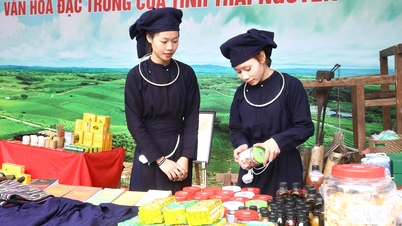
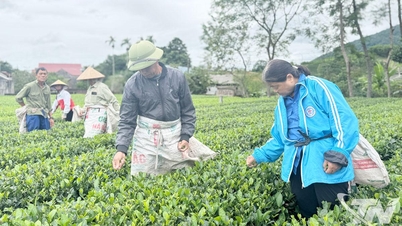
Cho Don commune also focuses on supporting the development of the collective economy, building many agricultural products that achieve OCOP (One Commune One Product) ratings of 3 stars or higher. Cooperatives have played a key role in linking and marketing products, creating many jobs for local workers.
|
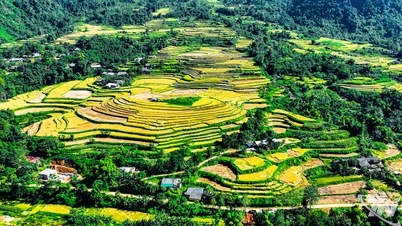
Thanks to its partnership with the cooperative, Bao Thai rice from Cho Don commune has become a high-value economic commodity. |
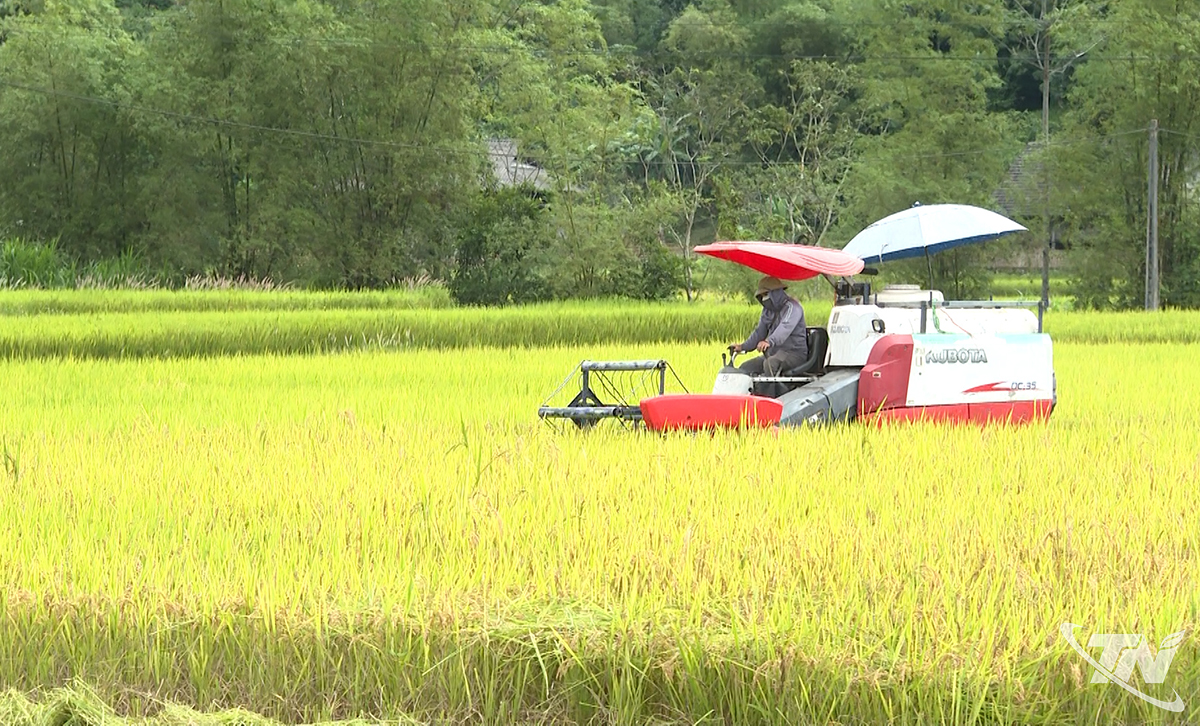
Besides supporting livelihoods, the National Target Program for Sustainable Poverty Reduction in Cho Don also focuses on improving living conditions and enhancing the capacity of the people. Many poor households have received support to replace temporary or dilapidated houses, contributing to improving their quality of life and ensuring social security. At the same time, people are also given access to preferential loans and opportunities to participate in cooperatives and production groups to link up for product consumption.
Mr. Phung Van Huong, Head of Ban Duong village, Cho Don commune, said: "Previously, poor and near-poor households in the village mainly had little land for production and specialized in growing corn and rice, so the economic efficiency was not high. Thanks to capital from national target programs, many high-value economic models have been implemented such as growing potatoes in the winter, planting forests, breeding buffalo and cattle, raising commercial chickens... As a result, many households have escaped poverty and become well-off, and the appearance of the village has changed significantly."
According to local authorities, a highlight of the poverty reduction program in Cho Don is its proactive, flexible approach and people-centered approach. The program has "given people a fishing rod," encouraging them to become self-reliant. All models involve the participation and commitment of households, linking responsibility with benefits, thereby enhancing effectiveness and sustainability.
Thanks to synchronized, specific, and targeted support programs, in 2025, Cho Don commune reduced the number of poor households by 50 and near-poor households by 20. The poverty rate at the end of 2025 will be 1.46%; the near-poverty rate will be 0.95%.
|
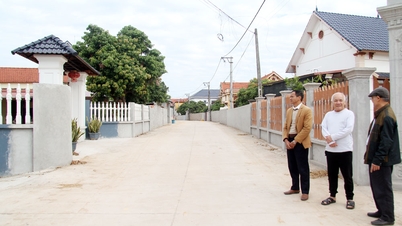
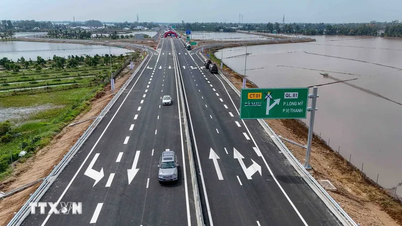
Infrastructure in Cho Don commune has been developed quite comprehensively, promoting socio-economic development. |
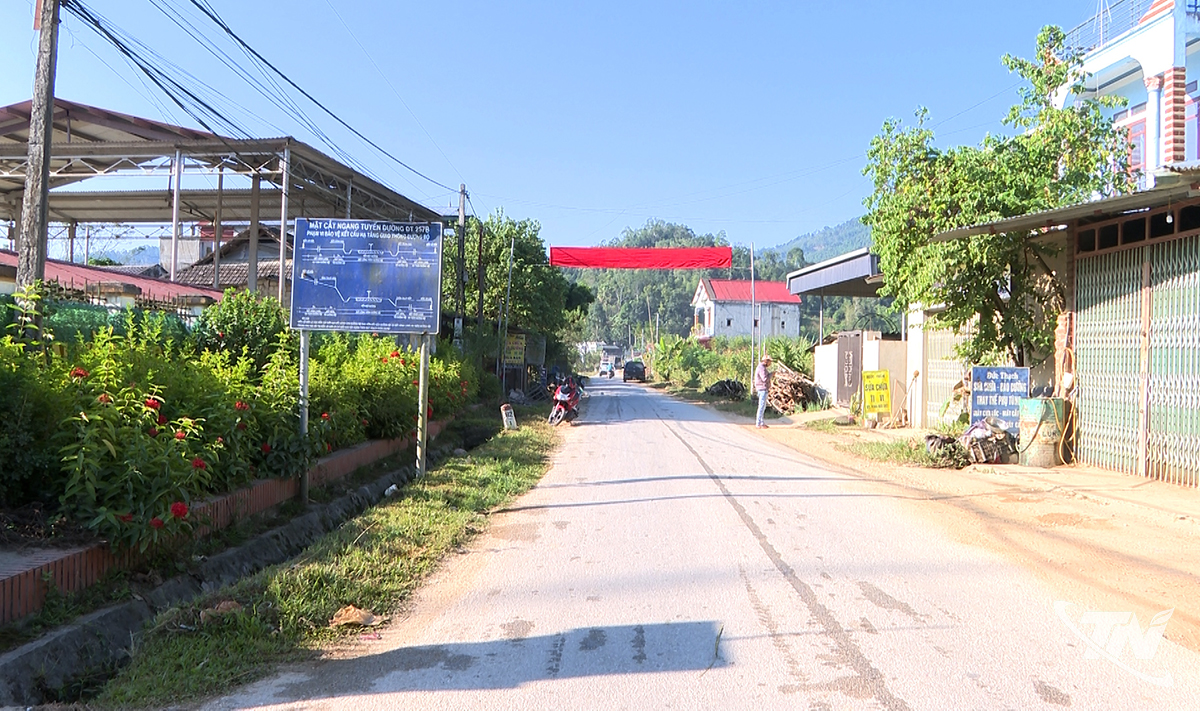
Many households, after escaping poverty, continue to expand their livestock and crop farming. Effective production models are gradually being replicated, forming small but stable commodity production areas suitable for mountainous conditions.
It can be affirmed that the National Target Program for Sustainable Poverty Reduction has been and continues to be highly effective in Cho Don commune. From specific stories like that of Mr. Sam Van Tiep's family to the general changes in the villages and hamlets, the Program has made a significant contribution to improving the material and spiritual lives of the people, narrowing the development gap, and building increasingly prosperous rural areas.
Source: https://baothainguyen.vn/xa-hoi/202512/khoi-sac-o-vung-cao-cho-don-ddb6edc/


![[Photo] Prime Minister Pham Minh Chinh attends the Conference on the Implementation of Tasks for 2026 of the Industry and Trade Sector](/_next/image?url=https%3A%2F%2Fvphoto.vietnam.vn%2Fthumb%2F1200x675%2Fvietnam%2Fresource%2FIMAGE%2F2025%2F12%2F19%2F1766159500458_ndo_br_shared31-jpg.webp&w=3840&q=75)





































































Comment (0)