

On the afternoon of October 30th, during the plenary session discussing the implementation of the National Assembly's resolutions on national target programs, Minister of Labour, Invalids and Social Affairs Dao Ngoc Dung clarified and explained several issues raised by National Assembly deputies.
Minister Dao Ngoc Dung highly appreciated the results of the monitoring team's objective and comprehensive assessment of the implementation process of the three national target programs. The Minister affirmed that the monitoring process had created fundamental changes in the awareness and actions of all levels and sectors.
Regarding the National Target Program for Sustainable Poverty Reduction, Minister Dao Ngoc Dung stated that, unlike the previous term, this term requires a higher and more challenging workload because it not only involves reducing income poverty but also demands a more multidimensional, comprehensive, and far-reaching approach to poverty reduction.
In the past period, alongside strong determination, the implementation of the Program has faced numerous difficulties and challenges, including objective factors such as the Covid-19 pandemic, natural disasters, floods, and landslides, which have significantly impacted the program's implementation.
"However, thanks to the tremendous efforts of the entire political system, especially the localities, the progress of poor and near-poor households has achieved very remarkable results," Minister Dung said.
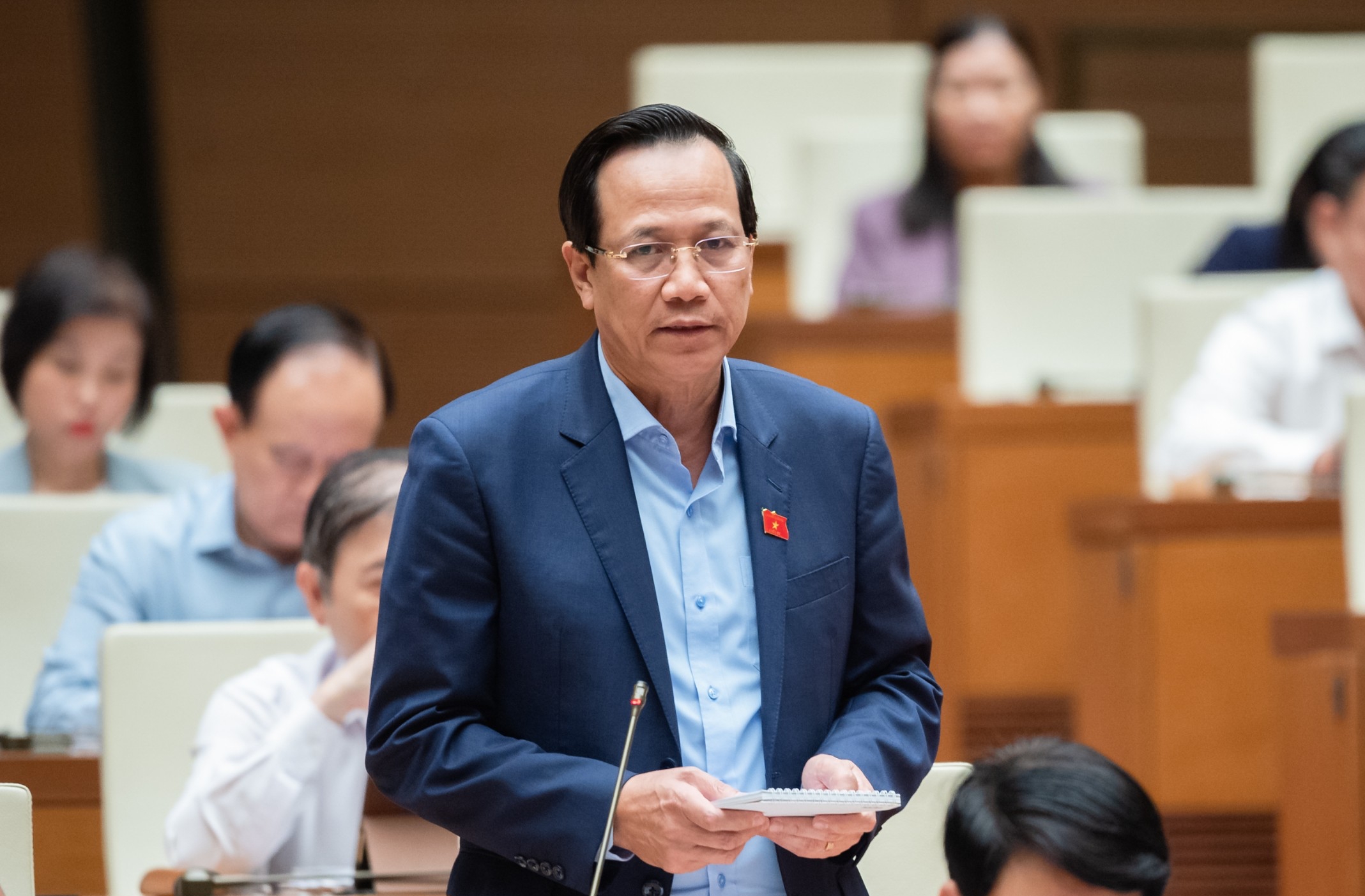
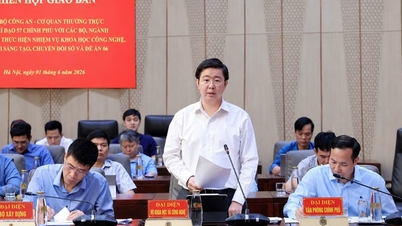
Minister of Labour, Invalids and Social Affairs Dao Ngoc Dung explains at the discussion session on the afternoon of October 30 (Photo: Quochoi.vn).
Minister Dao Ngoc Dung also analyzed the difficulties in implementing the National Target Program for Sustainable Poverty Reduction in particular and the three National Target Programs in general.
Regarding the National Target Program for Sustainable Poverty Reduction, the Minister affirmed that "no one is born and raised wanting to be poor, and no one doesn't want to escape poverty."
"In recent times, hundreds of poor households have voluntarily written applications to be removed from the poverty list and proactively relinquished their support benefits to others, expressing their desire to actively strive to escape poverty. This is something that deserves commendation," Minister Dao Ngoc Dung shared.
Regarding poor households with no ability to work and no chance of escaping poverty, the Minister stated that the Ministry of Labour, Invalids and Social Affairs is coordinating with the Ministry of Finance to advise the Government on criteria to ensure that these individuals have a better or at least lower standard of living than poor households.
Regarding housing support, Minister Dao Ngoc Dung stated that, in accordance with Decision 90 and Resolution 24 of the National Assembly, the goal is to eliminate approximately 100,000 dilapidated and difficult-to-access houses for poor households in 74 poor districts during this term.
Thirdly, based on practical implementation, the Minister stated that the New Rural Development Program and sustainable poverty reduction program are progressing relatively well.
However, the socio-economic development program for ethnic minorities in mountainous areas faces even greater difficulties, yet all three programs are requiring the issuance of too many documents, which they are forced to issue despite their reluctance to do so due to legal regulations.
Furthermore, the decentralization and delegation of authority are unclear, leading to a situation where "those below wait for those above, and those above give orders but those below are afraid to act." In addition, the allocation of projects is too fragmented and small, coupled with slow and insufficient disbursement of funds...
Minister Dao Ngoc Dung stated that the Government has proposed seven specific policy mechanisms to the National Assembly, but according to the Minister, in the immediate future, the National Assembly should allow a pilot program granting full authority to district-level governments to proactively decide on adjusting the capital structure from programs and between programs, with each province selecting one or two districts for the pilot program .
Source




























![[Photo] Reception to welcome General Secretary and President To Lam and his wife on their State visit to the Philippines](https://vphoto.vietnam.vn/thumb/1200x675/vietnam/resource/IMAGE/2026/06/01/1780295488620_vna-potal-chieu-dai-chao-mung-tong-bi-thu-chu-tich-nuoc-to-lam-va-phu-nhan-tham-cap-nha-nuoc-toi-philippines-8798060-7855-jpg.webp)


























































Comment (0)