

This orientation, along with doing three things well—planning, sustainable resource management, and international cooperation—will usher in not just one year, but an era of resounding success.
The world is moving toward a new multipolar era with intertwined opportunities and challenges. The global economy is once again demonstrating remarkable resilience in the face of economic instability and geopolitical upheaval. However, growth and well-being will depend on how nations govern within a new global economic order, with financial challenges such as tariffs, cryptocurrencies, and the rise of artificial intelligence (AI). Researchers predict that 39% of existing workforce skills will change or become obsolete.
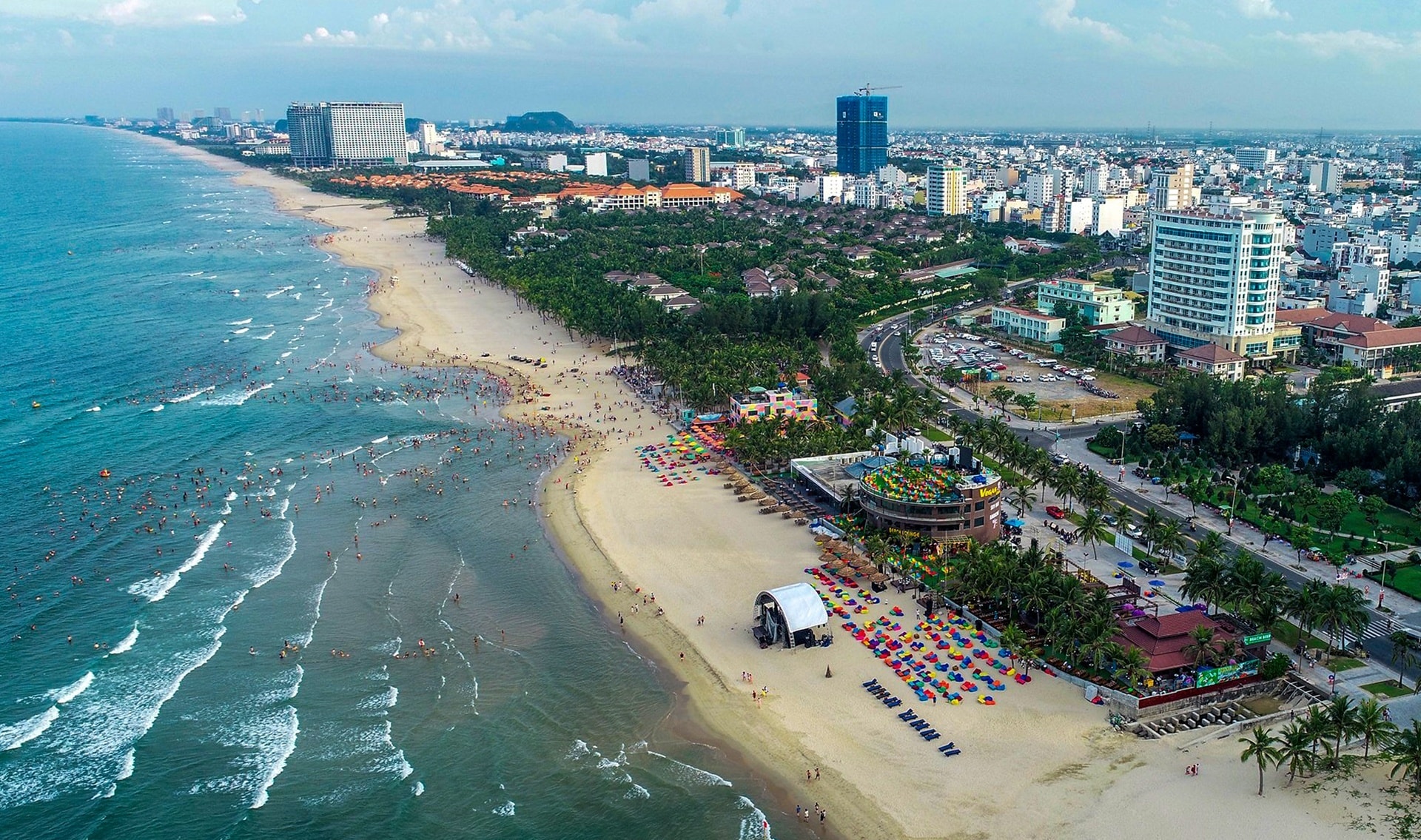
Vietnam, with its characteristics as a developing country, limited land, large population, and stretching along the East Sea coast, needs to focus on three key areas to achieve even stronger development in the new era.
Planning, vision setting, and resource identification.
Comprehensive socio -economic and environmental planning needs to play a fundamental role in linking resources, ensuring fairness and transparency, and maximizing synergistic strengths. This requirement is even more urgent in the context of the nationwide reorganization of administrative units; the continued promotion of decentralization and delegation of power; and the streamlining of organizations and administrative apparatuses.
With its system of macroeconomic indicators and key growth targets, the plan will serve as a "compass" to guide the effective mobilization, allocation, and utilization of resources, creating room for breakthrough development, promoting innovation, and enhancing national competitiveness.
National planning should be built on a "five-element resource" governance model, comprising natural capital, financial capital, human capital, social capital, and product capital; prioritizing the balance and accumulation of these five core resource groups.
Sustainable management of resources
Sustainable resource management is essential for ensuring equitable access, responsible governance, and a harmonious balance of common interests. The ultimate goal is to build a foundation for "long-term wealth," rather than simply maximizing short-term gains.
First and foremost is financial resources. Essentially, financial capital management involves accurately determining the value of resources, thereby assessing the actual capacity of the economy, and creating highly liquid cash flow and capital. Allocation and disbursement should be conducted openly and transparently, aiming to optimize capital utilization and promote growth.
In the context of our country, monetary policy management, especially interest rates, needs to be flexible and supportive of production and business activities. State-owned enterprises – identified as playing a leading role – need to clearly demonstrate their leadership and pioneering role in improving the quality of essential services and creating a "driving force" for the private sector. Regarding land, the requirement is to develop a realistic valuation methodology and a reasonable tax policy – this is a crucial condition to ensure equal access, limit speculation, and narrow the gap between rich and poor.
Furthermore, it is necessary to promote the internationalization of the Vietnamese Dong through coordinated fiscal and monetary policies; develop international financial centers in Ho Chi Minh City and Da Nang; and attract high-quality FDI. Based on free trade agreements, Vietnam can expand the use of the Vietnamese Dong in payments, gradually enhancing the status of the national currency.
Next is resource management. Basic resources such as land, minerals, trees, forests, rivers, lakes, seas, and space (including underground space) need to be identified, inventoried, and regularly assessed on the principles of openness and transparency. The goal is to ensure rational exploitation, equitable use, accumulation, and prevention of resource depletion, in line with the circular economy development orientation.
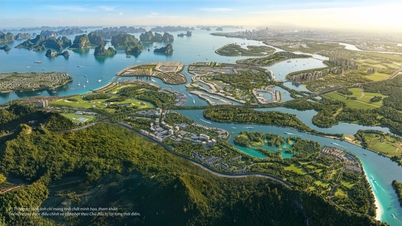
With 21 out of 34 provinces and cities having coastlines, Vietnam has significant potential for developing its marine economy while ensuring national defense and security. However, natural disasters and climate change, especially in coastal areas, are increasingly impacting resources and livelihoods. Therefore, in addition to "hard" solutions regarding infrastructure and construction, it is necessary to promote "soft" solutions in risk management, focusing on controlling how people and assets interact in vulnerable areas, minimizing damage, and enhancing resilience.
Next is human resources . As a populous and developing country, Vietnam needs to pursue a "dual objective" between GDP growth and job creation. Prioritizing growth that creates more jobs must go hand in hand with improving the quality of working conditions, from income and working environment to housing, transportation, healthcare, and social insurance. Policies need to ensure that the benefits of growth are widely distributed, promote gender equality, reduce poverty, and strengthen social stability, thereby creating a positive cycle between productivity and quality of life.
In the context of a rapidly developing digital economy, Vietnam is also facing a shortage of high-quality human resources. Therefore, it is necessary to proactively train and develop a workforce with technological skills, focusing on fields such as AI, data analytics, programming, and cybersecurity.
Next is social resources . Institutional reforms need to continue, making institutions a key driver of growth and innovation, while creating space to mobilize social forces to participate in national development.
The focus should not only be on building a rule of law state and effectively operating a two-tiered local government model, but also on forming an institutional framework for new areas such as the digital economy and green energy. In the process of perfecting the market economy institutions, it is necessary to promote healthy competition and effective cooperation among economic sectors.
At the same time, the requirement is to continue streamlining the administrative apparatus and improving the effectiveness and efficiency of governance. The administrative apparatus needs to shift strongly towards a role of governance and resource allocation; building a team of leaders with ethics, vision, the ability to mobilize resources, and decisive courage.

Finally, there are product resources . Infrastructure is the core of this resource group, encompassing physical assets created by humans such as buildings, houses, roads, machinery, and technological systems.
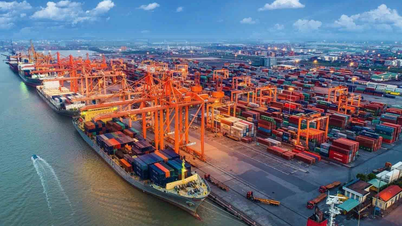
In addition to traditional energy sources, it is necessary to accelerate the transition to green energy, reduce emissions, strongly develop renewable energy, and conduct appropriate research and exploitation of nuclear power. At the same time, priority should be given to investing in the synchronized development of transportation and logistics infrastructure, including railways, expressways, waterways, and air transport, in order to increase inter-regional connectivity and international integration.
Leading economic hubs like Hanoi and Ho Chi Minh City need to accelerate the development of public transportation infrastructure, focusing on urban rail systems to reduce congestion; expand green spaces, and invest in integrated water supply and drainage systems and environmental treatment to improve the quality of life and promote sustainable urban development.
Alongside the modernization of key industries, investment in digital industry infrastructure is necessary, including high-speed internet, IoT networks, cloud computing, AI, and cybersecurity. In particular, the development of infrastructure and key industries must be linked to a dual-use industrial strategy, ensuring national defense and security requirements are met.
International cooperation strategy
In the context of an open and deeply integrated economy, leadership capacity linked to diplomacy and international relations is increasingly important. Leaders need to proactively engage in effective diplomacy, because Vietnam needs both partners and competitors. Partners bring resources, expand markets, reduce costs, and strengthen supply chain cooperation; meanwhile, competitors create pressure for innovation, raise market standards, and promote self-improvement.
In this process, Vietnam needs to strengthen its close relationships with countries, especially in the ASEAN region, Northeast Asia, and comprehensive strategic partners; while actively participating in international mechanisms and organizations to protect its economic interests and national security. This is the foundation for attracting foreign investment, accessing advanced technology, promoting trade, and expanding cooperation.
In particular, given that reciprocal tariff policies can disrupt multilateral trading institutions and significantly impact global supply chains, the need to enhance international negotiation capabilities becomes even more urgent.
Effectively implementing the three key areas mentioned above right from the beginning of the Year of the Horse, symbolized by agility and energy, will contribute to "generating" powerful "horsepower sources," helping to usher in not just one year but an era of great success, enabling the country to achieve two "century-long" goals and become a prosperous nation.
Source: https://daibieunhandan.vn/ky-nguyen-ma-dao-thanh-cong-10406872.html
























































































Comment (0)