


After a coordinated preparation process from the central to the local level, the necessary conditions have been basically completed. More than just an important political event, this is also an opportunity for every citizen to exercise their right to self-governance through voting, demonstrating their responsibility to the country.
Looking back at the preparations for the National Election Day, it is clear that the entire political system was involved in a coordinated effort. At the central level, the National Election Council issued 27 legally mandated documents, along with numerous resolutions, guidelines, and operational instructions for localities. Directives from the Politburo, the Secretariat, the National Assembly , and the Government were thoroughly implemented, ensuring uniformity in organization and execution from the central to the grassroots level. Every stage of the election process, from consultation and nomination of candidates to voter registration, voter outreach, and preparation of facilities for polling day, was carried out in accordance with the law, ensuring transparency, openness, and strict adherence to regulations.
Local authorities have also proactively issued thousands of leadership and guidance documents to serve the election process, demonstrating the synchronized involvement of the entire political system. The establishment of election-related organizations has been carried out in accordance with regulations. Nationwide, 34 provincial-level election committees, 3,320 commune-level election committees, 182 National Assembly election boards, 724 provincial-level People's Council election boards, 22,401 commune-level People's Council election boards, and 72,191 polling stations have been established.
Personnel work – a crucial step in determining the quality of elected bodies – was carried out rigorously, with multiple rounds of consultations and consultations with voters in their places of residence and work. The official list of 864 candidates for the 16th National Assembly was announced in accordance with regulations, ensuring the necessary structure, composition, and surplus. The process of verifying applications and evaluating candidate qualifications was thorough, demonstrating a high sense of responsibility towards voters and the country.

According to statistics, 78,928,647 voters (updated as of March 10, 2026) have been registered at 72,195 polling stations nationwide. At each polling station, preparations have been made regarding facilities, ballot boxes, polling rooms, security and order plans, fire safety, medical services, and communication. Public awareness campaigns have been conducted through various channels, from local radio broadcasts to digital platforms, helping voters understand their rights and responsibilities on election day.
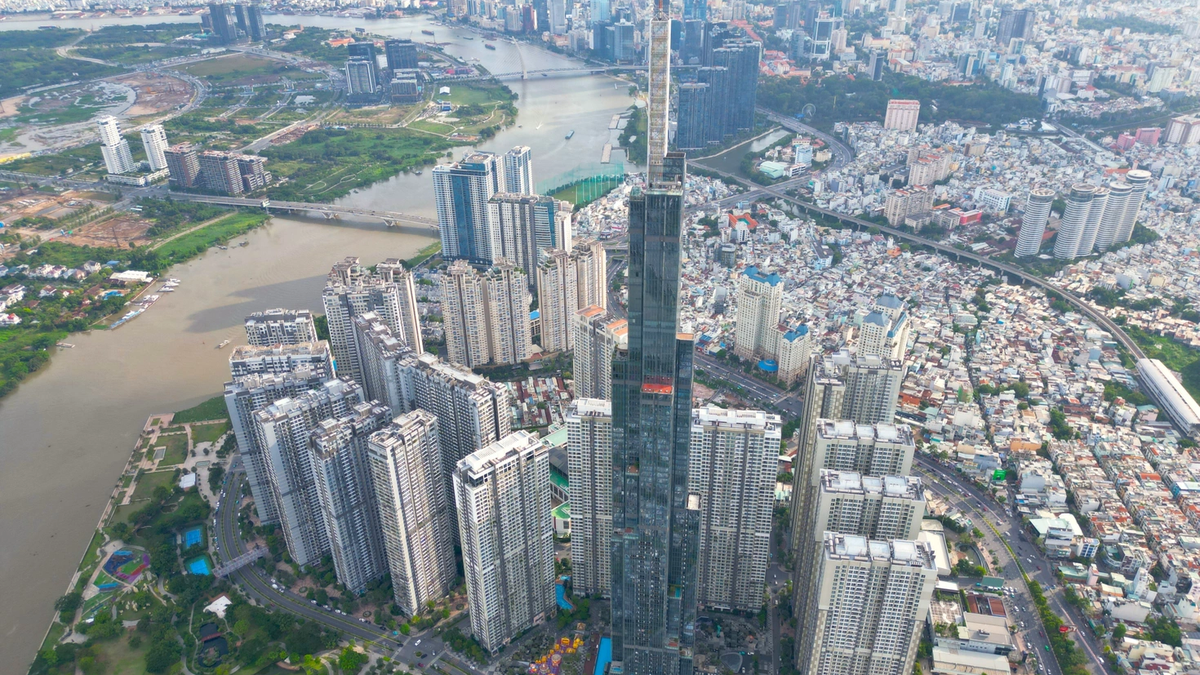
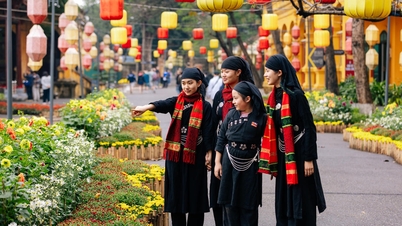
The atmosphere of preparation is clearly visible in many localities across the country. In Hanoi, for example, streets and residential areas are beautifully decorated with flags and flowers; polling stations are thoroughly inspected for facilities and ceremonial arrangements. In Ho Chi Minh City, nearly 9.7 million voters have been vetted and updated on the voter list. Thousands of meetings with voters and discussions about the candidates' biographies have been held, allowing voters to better understand the people they will choose. These figures reflect the serious and responsible preparation of all levels of government and socio-political organizations.
This election is taking place against the backdrop of the country continuing to perfect the socialist rule of law and implementing many reforms in its organizational structure. This is the first time elections have been held under the conditions of a two-tiered local government system following administrative unit reorganization. The larger geographical area and population demand higher levels of representative capacity and governance. Therefore, selecting representatives with sufficient qualities, capabilities, and responsibility becomes even more crucial.

Another notable new development is the increased application of information technology and digital transformation in the election process. Connecting and cross-referencing voter lists with the national population database helps improve the accuracy of information. The VNeID application also supports voters in searching for polling stations, tracking candidate lists, and even registering to change polling locations when necessary. These conveniences contribute to making it easier for people to exercise their right to vote, while reflecting the progress of digital administration in serving the people.
Above all, the core value of a democratic election lies not in technology or organizational form, but in the genuine ownership of the people. Each ballot is a mandate from the voter to their representatives in the state apparatus. Through the ballot, state power is constitutionally and legally transferred; at the same time, it lays the foundation for mechanisms of oversight and accountability throughout the term. When citizens are fully informed, have access to and dialogue with candidates, and are free to choose, that is a vivid manifestation of socialist democracy.

This profound significance is clearly demonstrated in the country's unique regions. In the Tho Chau Special Zone, more than 200 km from the mainland, over two thousand voters participated in early voting with enthusiasm and a sense of responsibility. On fishing patrol vessels on duty offshore or at the DK1 offshore platforms in the southern continental shelf, ballot boxes were also brought in so that officers, soldiers, and fishermen could exercise their civic rights. These ballots cast at sea or on remote islands not only demonstrate the people's right to self-governance but also serve as proof of national sovereignty, linked to the presence of people and forces serving in the face of harsh conditions.
In the spirit of ensuring the right to vote for all citizens, visually impaired voters are also given access to election materials in Braille and audio files, and are assisted in getting to polling stations. These seemingly small actions carry great significance, ensuring that no citizen is left behind in exercising their constitutional rights. This is the measure of a democratic and humane election.
All of these factors are converging to create the significance of National Day. Each voter's ballot, though small, carries the weight of civic responsibility. Choosing the right people, placing the right trust, each vote will contribute to building a National Assembly and People's Councils at all levels with the capacity and fortitude to decide on important national and local issues in the new term.

March 15, 2026 is fast approaching. From mountainous regions and plains to urban areas and remote islands, the atmosphere of preparation for election day has spread widely. The conditions for organizing the election are basically complete. The political system is highly focused on ensuring that all stages are conducted seriously, safely, and in accordance with the law. But the success of the election depends not only on the preparations of the organizing agencies but also on the participation of each voter.
Every citizen should take the time to go to the polling station, thoroughly research the candidates, carefully consider their choices, and make their vote. This is not only a right but also a responsibility towards the future of the country. When tens of millions of votes are cast tomorrow, the will and faith of the people will continue to be affirmed, ensuring that state power truly originates from and serves the people.
Source: https://baotintuc.vn/thoi-su/la-phieu-va-trach-nhiem-cong-dan-20260314105720346.htm













































































Comment (0)