

Pangasius fish is one of Vietnam's familiar seafood species, especially in the Mekong Delta region. Compared to more expensive fish like salmon or tuna, pangasius is an affordable seafood choice, becoming popular in households, restaurants, and catering services.
What makes basa fish so popular is its tender flesh, few small bones, ease of preparation, and suitability for many dishes such as frying, braising, grilling, or making soup. However, the true value of basa fish lies not only in its flavor but also in its nutritional content and the health benefits it provides.
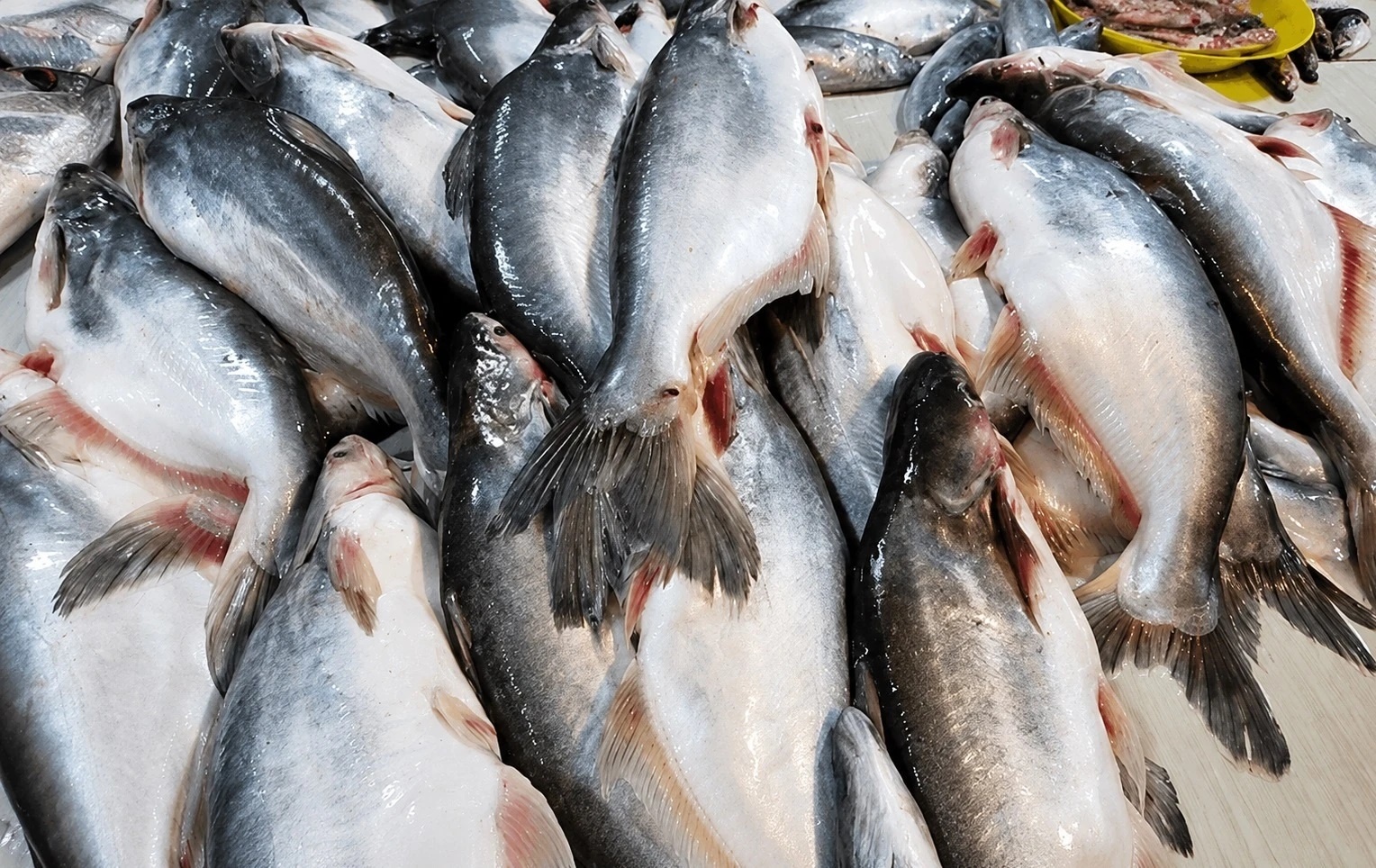 |
Basa fish has a distinctive fatty belly, delicious meat, soft bones, and is easy to eat and prepare. Photo: Shutterstock. |
Characteristics of basa fish
According to the Aquaculture Stewardship Council (ASC), basa fish, scientifically known as Pangasius bocourti, is a freshwater catfish belonging to the Pangasiidae family, mainly distributed in Southeast Asia. They prefer freshwater environments with high dissolved oxygen and muddy bottoms.
Pangasius fish have a long, laterally compressed body, smooth, scaleless skin, and a silvery-gray color. The head is relatively small, the mouth is wide, and it has two pairs of sensory whiskers. This species lives in the middle and bottom layers of the water, and is omnivorous, primarily feeding on plants and small animals. The fish thrive in still or gently flowing water at temperatures of 26-30°C.
Pangasius fish are one of the fastest-growing fish species. They can reach harvest size in just 6-8 months, much faster than many other fish species. This rapid growth rate makes them a highly efficient species for aquaculture, providing a stable and reliable supply for both domestic and international markets.
Basa fish (Pangasius bocourti) is often confused with catfish (Pangasius hypophthalmus). However, basa fish has thicker, firmer flesh, a shorter body, and a smaller head than catfish; it also has higher commercial value due to its superior meat quality.
Nutritional value of basa fish
According to Baidu Health, basa fish is considered a highly nutritious food source with a good balance of protein and healthy fats.
High-quality protein
Basa fish is high in protein, which is easily digested and absorbed. The protein in fish helps build and repair muscles, maintain cell function, and support metabolism. This is why basa fish is often recommended in the diets of people recovering from illness or engaging in sports training.
Fats and omega-3s
Despite its characteristic fatty belly, the fat in basa fish is largely unsaturated. In particular, basa fish contains omega-3s – important fatty acids that help reduce inflammation in the body, support brain function, and are good for the cardiovascular system. When used as a substitute for red meat in the diet, basa fish can help reduce the amount of saturated fat intake.
Vitamins and minerals
Pangasius fish also provides many essential micronutrients such as:
- Vitamin B12: supports the nervous system and blood formation.
- Vitamin D: helps absorb calcium, good for bones.
- Selenium and phosphorus: boosting immunity and bone health.
It's worth noting that basa fish has a moderate amount of fat, much of which is unsaturated fat, beneficial to health. However, the fat content can vary depending on the farming environment and processing methods.
 |
Things to note when eating basa fish
Despite its many benefits, the consumption of basa fish requires careful consideration to ensure health and safety.
Choose a safe source of fish.
Consumers should prioritize basa fish with a clear origin and raised according to food safety standards. Products with international certifications will ensure minimal antibiotic or chemical residue.
Do not overdo it in your diet.
Although nutritious, basa fish should not be eaten too often. Diversifying your food sources (sea fish, white meat, green vegetables) helps to achieve better nutritional balance.
Cooking methods affect nutritional value.
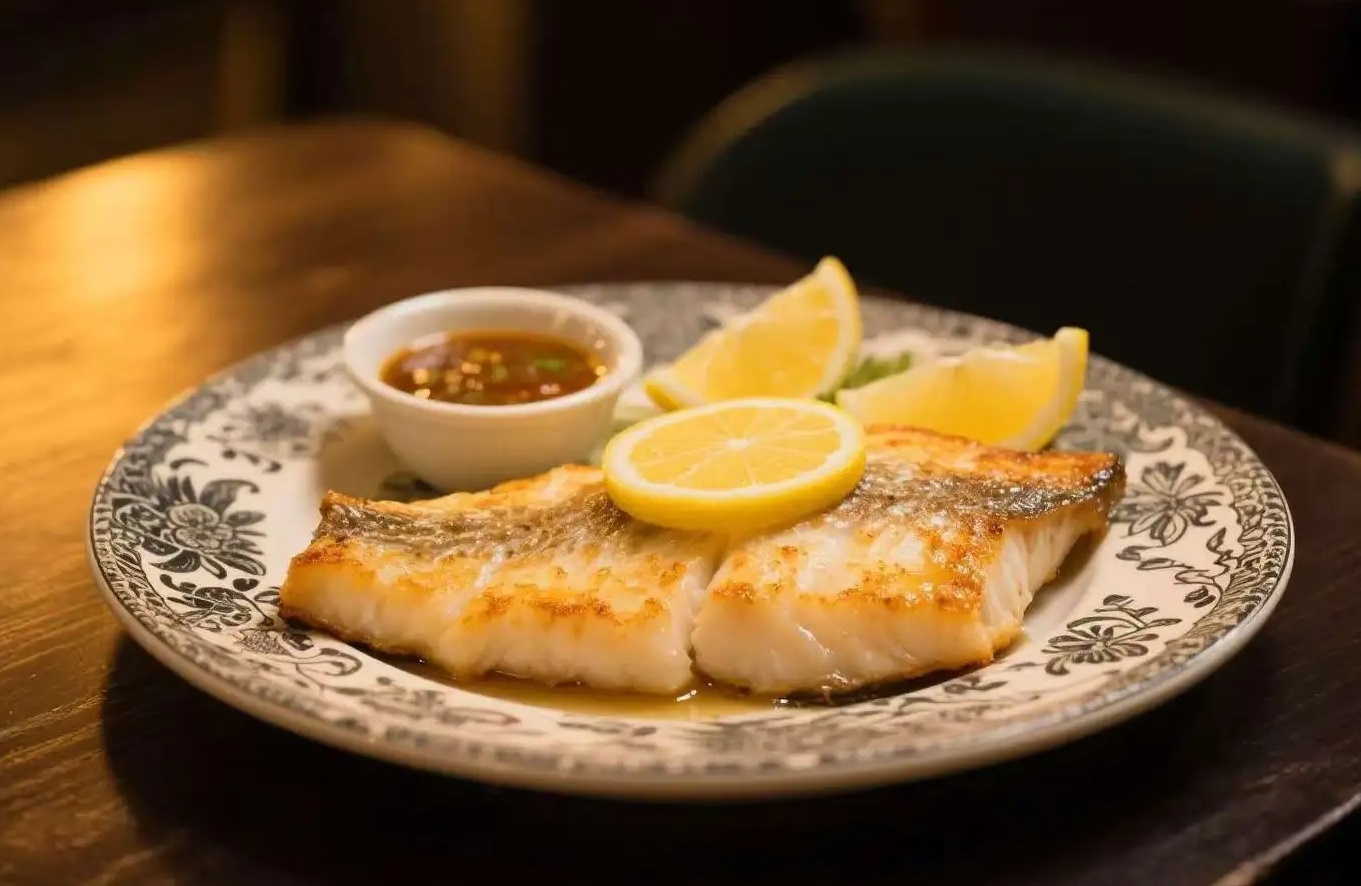
- Deep-frying can increase unhealthy fats.
- Grilling, steaming, or stewing are methods that preserve nutrients better.
- Avoid overcooking as it can destroy water-soluble vitamins.
Note for people with underlying health conditions
People with high cholesterol or cardiovascular disease should eat basa fish in moderation, avoiding deep-fried dishes with lots of oil to prevent putting extra strain on their bodies. Those with high blood pressure, kidney disease, or cardiovascular disease should carefully read the ingredients before consuming it regularly. People allergic to catfish should be cautious when eating it, as it may cause skin irritation or digestive discomfort.
Source: https://znews.vn/ca-basa-loai-ca-co-phan-bung-sieu-beo-thom-ngon-giau-dinh-duong-post1654240.html

























![[Photo] Reception to welcome General Secretary and President To Lam and his wife on their State visit to the Philippines](https://vphoto.vietnam.vn/thumb/1200x675/vietnam/resource/IMAGE/2026/06/01/1780295488620_vna-potal-chieu-dai-chao-mung-tong-bi-thu-chu-tich-nuoc-to-lam-va-phu-nhan-tham-cap-nha-nuoc-toi-philippines-8798060-7855-jpg.webp)










































































Comment (0)