

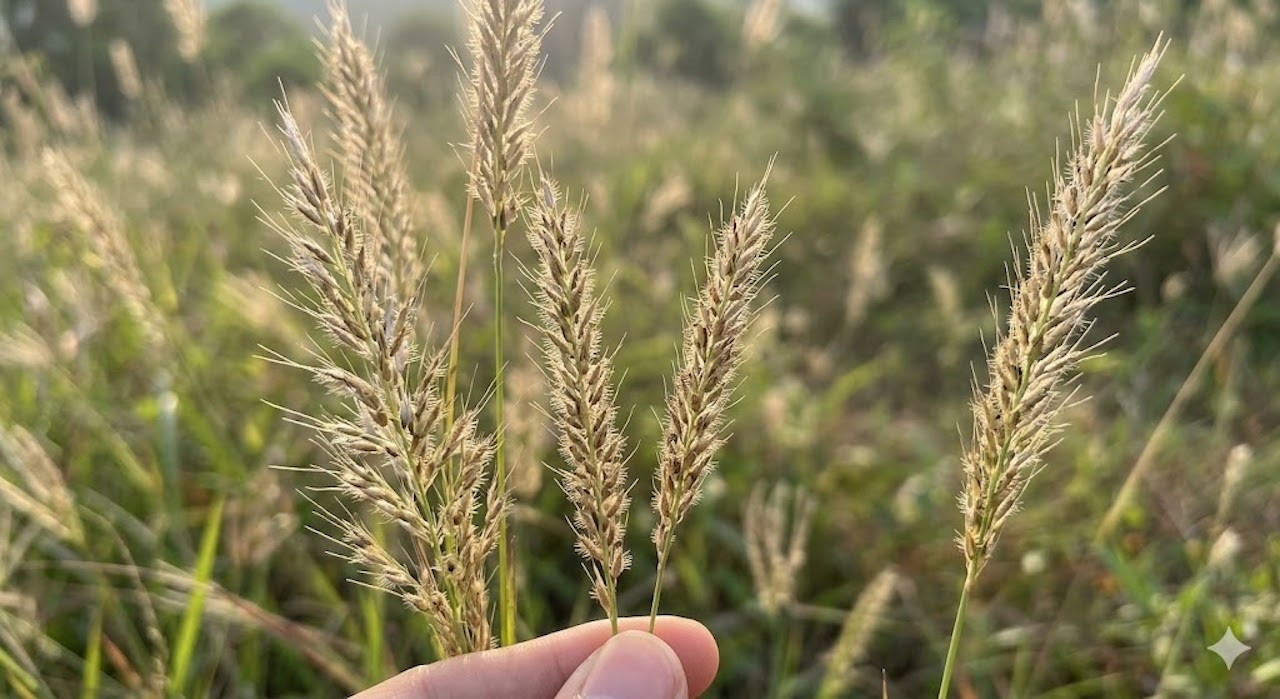
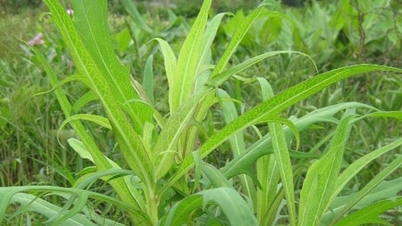
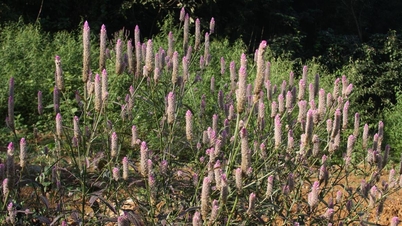
According to Dr. Ngo Duc Phuong, Director of the Institute of Traditional Medicine , May grass (scientific name Chrysopogon aciculatus, belonging to the grass family, Poaceae) is a very common wild plant in Vietnam.
"Unlike other elegant ornamental plants, the Mayweed plant has small, thorny fruits that easily cling to people's clothes. Although it causes a little inconvenience, in Traditional Chinese Medicine and folk experience, the entire Mayweed plant is a valuable medicine for treating diseases caused by heat," said Dr. Phuong.
He stated that, according to traditional medicine, the herb May grass has a mildly sweet taste, a cooling nature, and possesses the functions of clearing heat, promoting diuresis, and reducing mild inflammation. In particular, this herb has many beneficial effects for those experiencing problems with the excretory system.
Urinary tract support: A decoction of May grass quickly soothes symptoms of painful urination and frequent urination, and supports the treatment of mild urinary tract infections and urinary stones by enhancing urine excretion and providing local anti-inflammatory effects.
Supporting the treatment of liver diseases: In the Thanh Hoa, Nghe An, and Ha Tinh regions, people have long passed down a remedy using May grass to treat jaundice, yellowing of the eyes, or other liver diseases.
Instructions: Wash 300g of the entire May grass plant (including the roots), chop it finely, and then roast it until golden brown. Boil it with 0.5 liters of water until it reduces to 250ml. Divide this liquid into several portions and drink it throughout the day instead of plain water.
Beyond traditional remedies, modern medicine has begun to pay attention to the biological value of this plant.
Preliminary studies show that the plant *Centella asiatica* contains high levels of valuable active compounds such as flavonoids, saponins, and polyphenols. These are all substances with strong antioxidant activity, helping to reduce inflammation, promote strong diuresis, and support the protection of kidney tissue from inflammatory damage to a certain extent.
In traditional Vietnamese medicine, to enhance effectiveness, practitioners often combine dried May grass with other familiar herbs such as plantain, corn silk, or windmill grass... to create diuretic and comprehensive body cleansing remedies.
Although the herb *Cynanchum auriculatum* is a mild, readily available, and valuable medicinal herb, Dr. Phuong advises people to be cautious when using it. Specifically, those with a cold constitution or currently experiencing diarrhea should only use it in moderate doses. Pregnant women should absolutely not use it without consulting a doctor.
“The greatest value of the wild grass plant lies in its mildness and long-lasting use, helping the body detoxify naturally, but it is a supportive remedy, not a specific cure for serious illnesses. For cases of large kidney stones or severe urinary tract infections causing fever, patients must go to the hospital for treatment. Understanding and using it appropriately will help this wild grass maximize its effectiveness,” Dr. Phuong noted.
Source: https://vietnamnet.vn/loai-co-moc-hoang-la-vi-thuoc-tri-tieu-buot-tieu-rat-2519300.html


























![[Photo] Reception to welcome General Secretary and President To Lam and his wife on their State visit to the Philippines](https://vphoto.vietnam.vn/thumb/1200x675/vietnam/resource/IMAGE/2026/06/01/1780295488620_vna-potal-chieu-dai-chao-mung-tong-bi-thu-chu-tich-nuoc-to-lam-va-phu-nhan-tham-cap-nha-nuoc-toi-philippines-8798060-7855-jpg.webp)


































































Comment (0)