

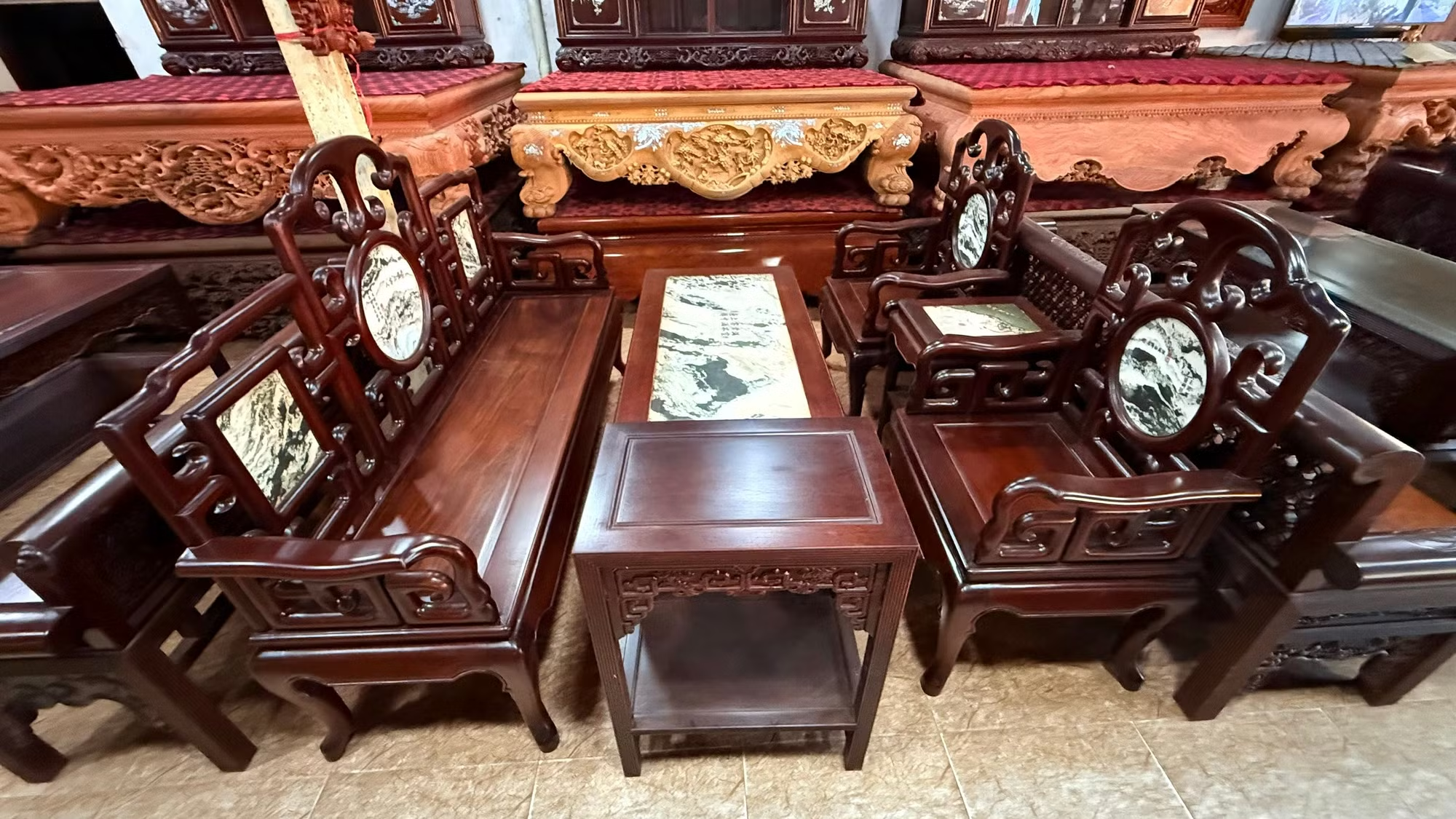
The place where wood is given "life".
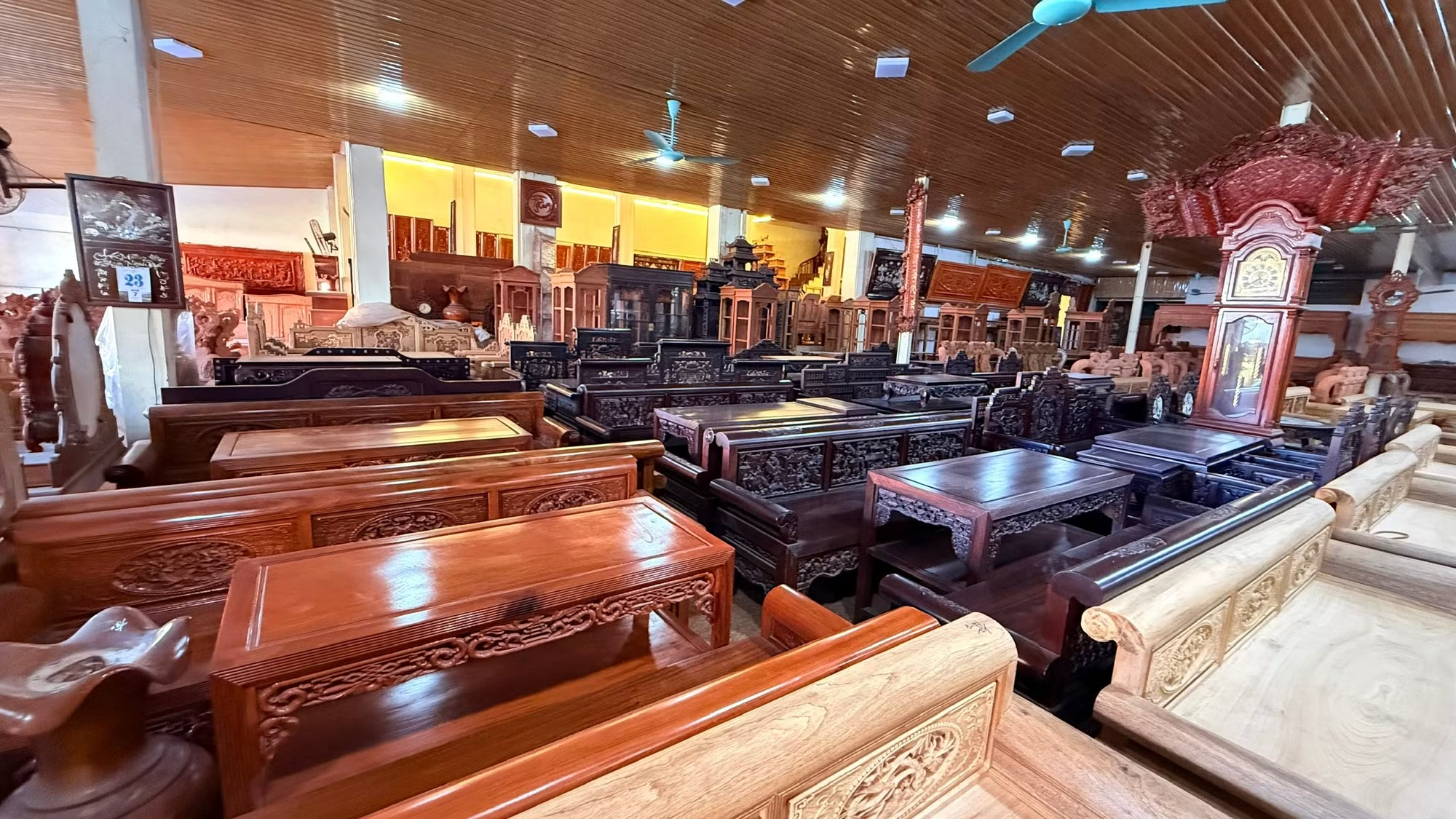
For a long time, Hai Minh woodcraft village has been famous for its production of exquisite handcrafted wooden furniture, renowned for its meticulous detail and unique characteristics. Previously, the main wooden products included tables, cabinets, beds, and long benches.
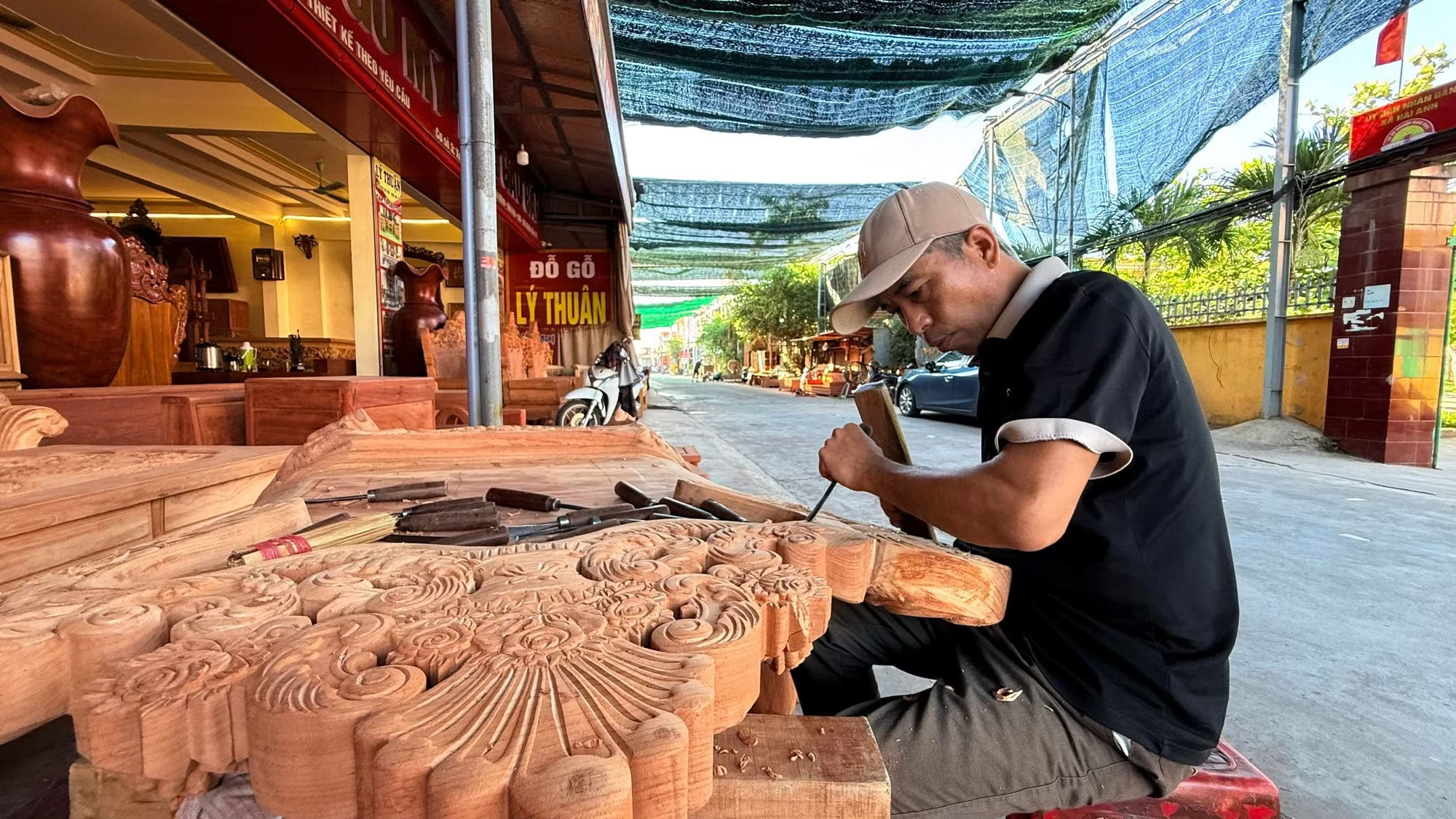
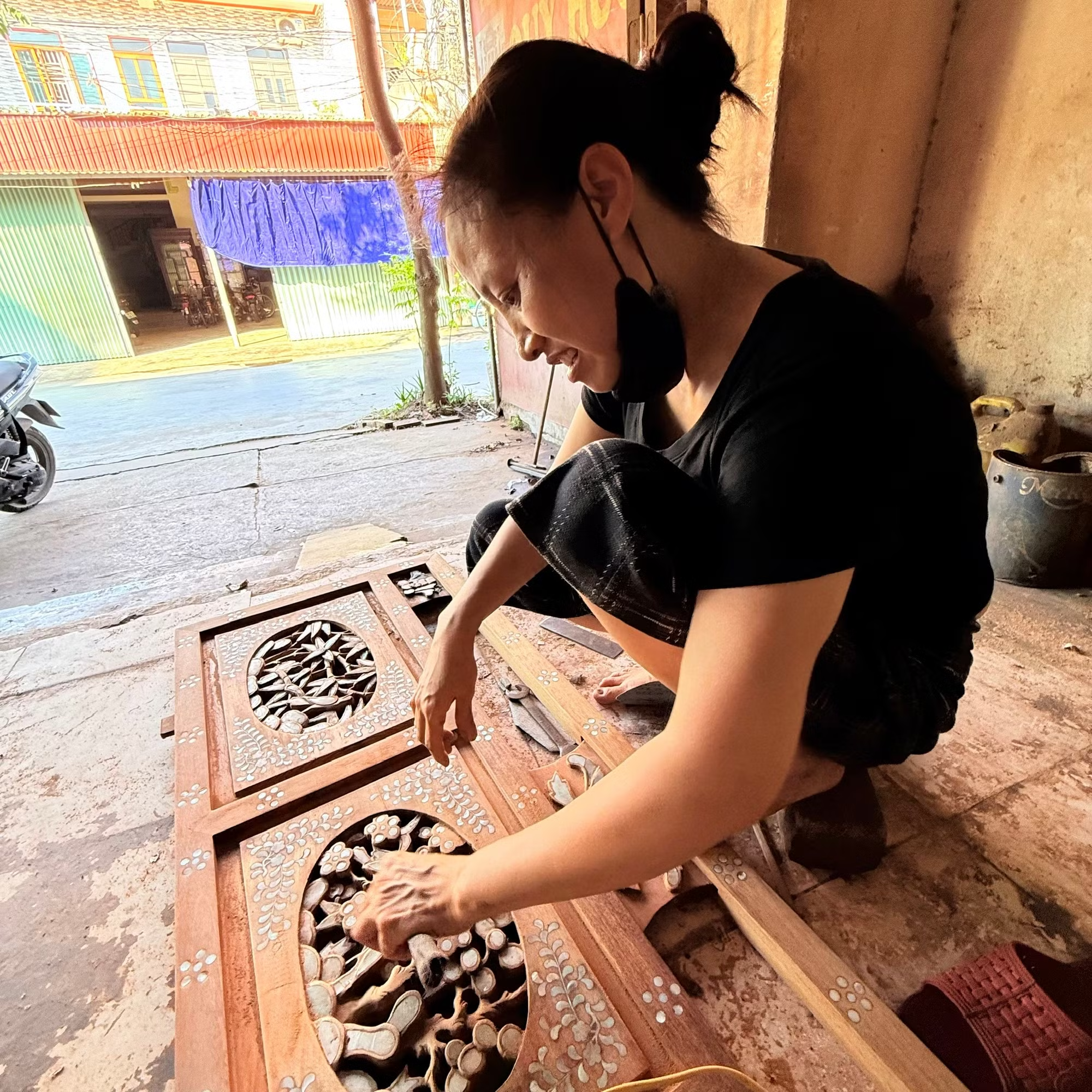
Each product from the craft village is imbued with soul by the artisans through exquisite carving and intricate patterns. Furthermore, the products created are not only beautiful but also offer lasting value and represent a blend of classic and contemporary styles. The designs of all products, down to the smallest detail, are harmoniously and subtly crafted. For generations, the craft of woodworking has been passed down through the ages, sustaining and developing to this day.
Products originating from this craft village are all made from natural wood materials such as mahogany, rosewood, sandalwood, ebony, and other hardwoods. Interestingly, the artisans in the village, from the elderly to young people and women, all learned the craft of woodworking. Furthermore, many young people from the village, after graduating from university, return to their hometown to establish businesses there.
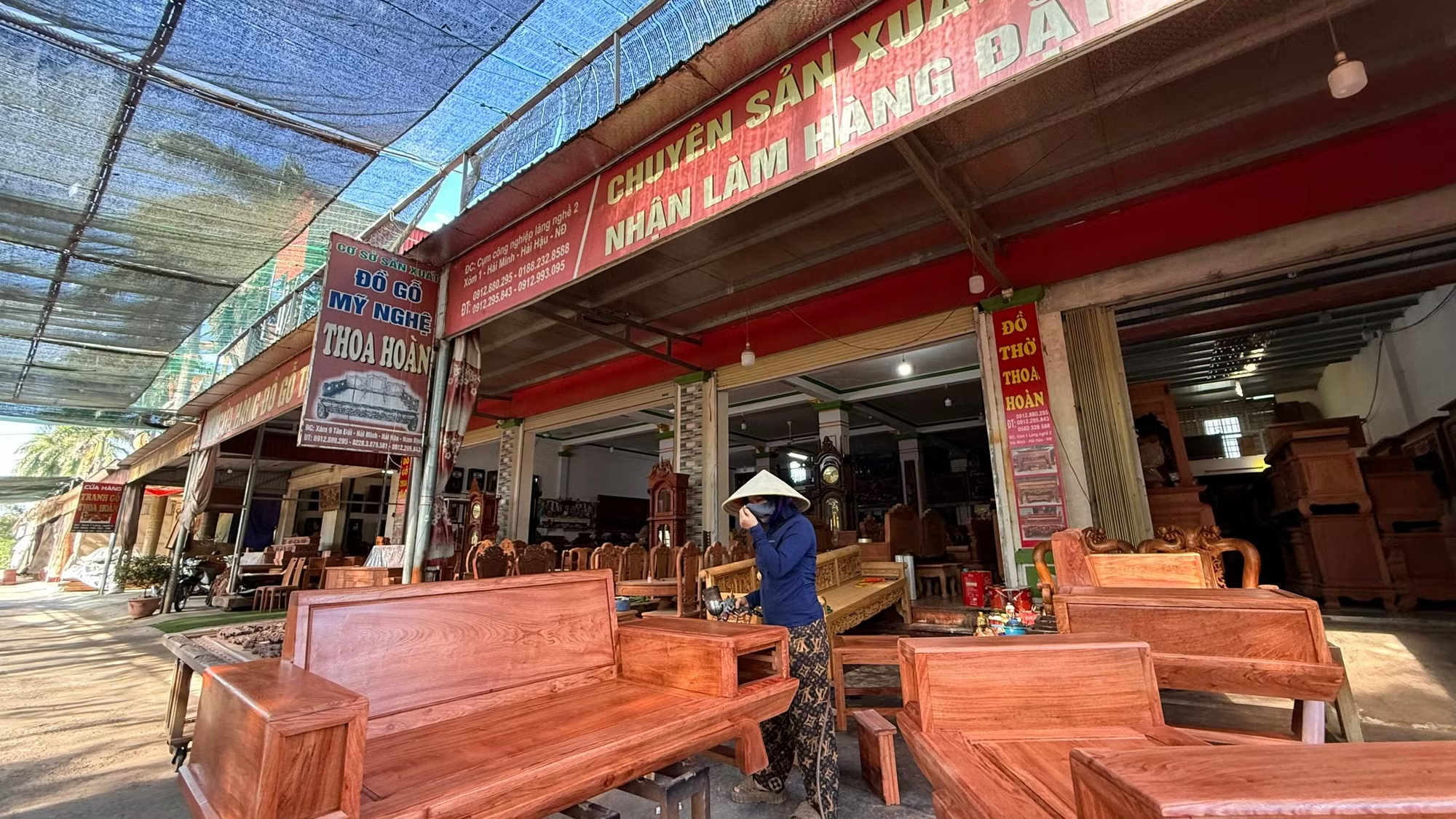
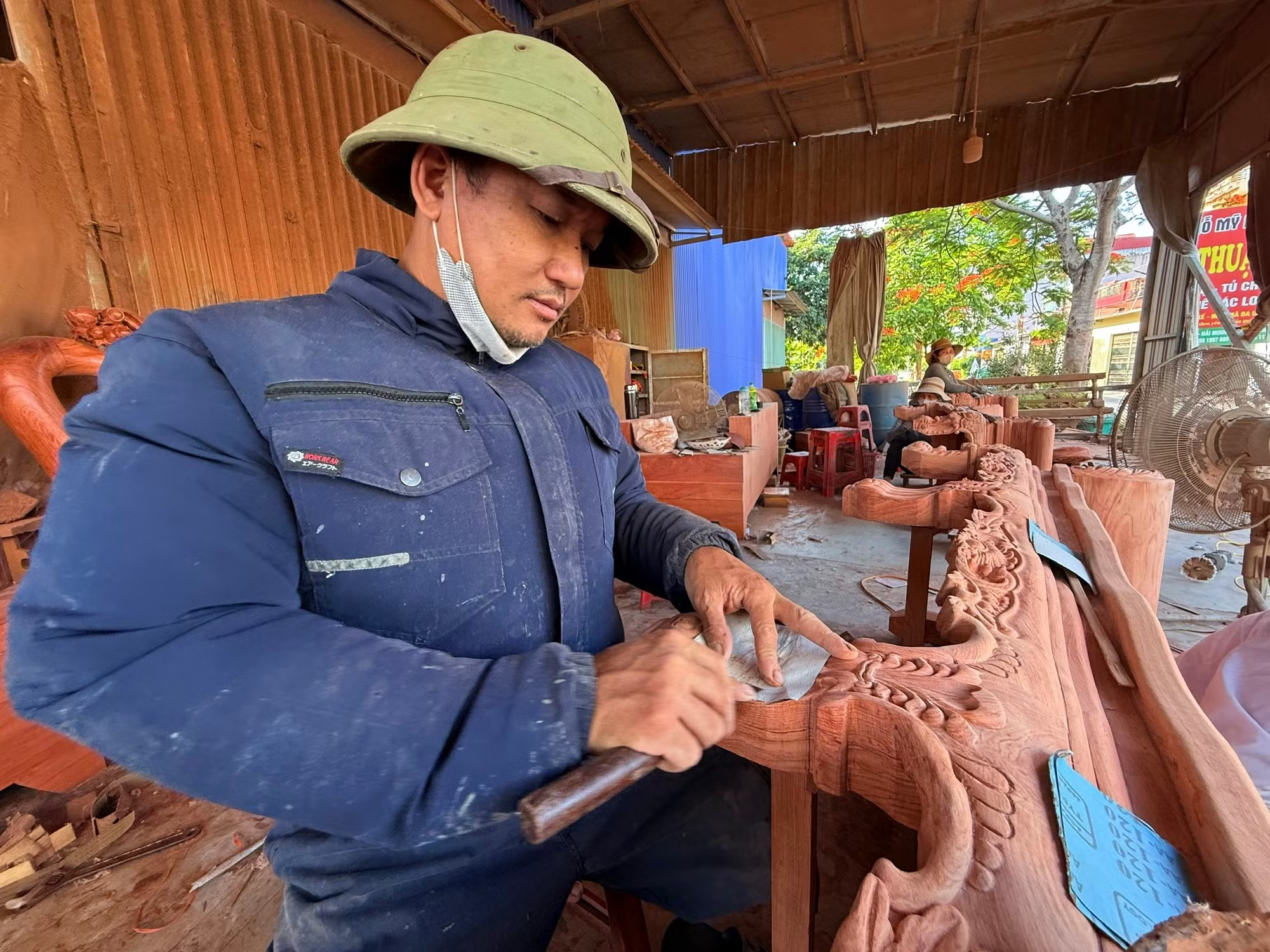
Walking around the craft village, the reporter noticed a common thread: the products were very elaborate and meticulously crafted, with every detail of the carving and sculpting carefully considered. Each wooden product was a masterpiece of art, created by the skillful hands and dedication of artisans and craftsmen who meticulously and elaborately carved the pieces.
Thanks to diligence and a love for fine woodcraft products, the Hai Minh craft village has developed continuously over the years. More importantly, the village has received support and favorable conditions from the local government. In 2007, the government allocated land for the planned craft village 1 in Hamlet 4 and craft village 2 in the industrial cluster of Hamlet 1 (both belonging to the former Hai Minh commune).
However, in recent years, due to new trends, the process of industrialization, and machines replacing humans, many skilled artisans and craftsmen have become increasingly scarce. In addition, besides traditional and antique-style products, neoclassical and modern products are also being offered by businesses to customers.
Keeping up with the trend
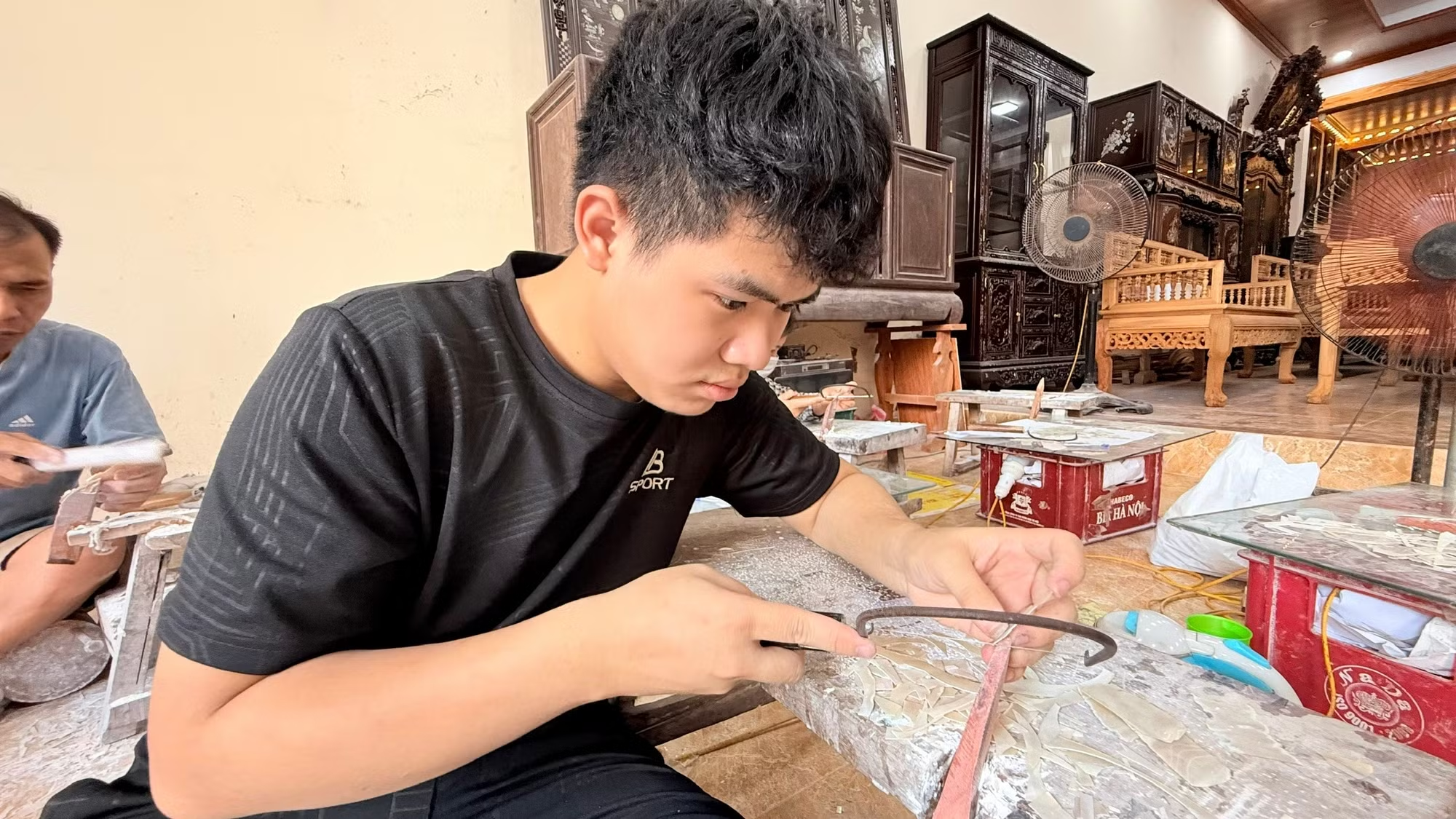
In the past, anyone visiting Hai Minh village would hear the sounds of chiseling and sawing everywhere, with people bustling about. Skilled artisans and craftsmen would tirelessly "breathe life" into wood, creating their masterpieces. Now, however, few remain. Instead, the vast majority of the workforce consists of women diligently refining the products after they have been crafted by machines, replacing human hands.
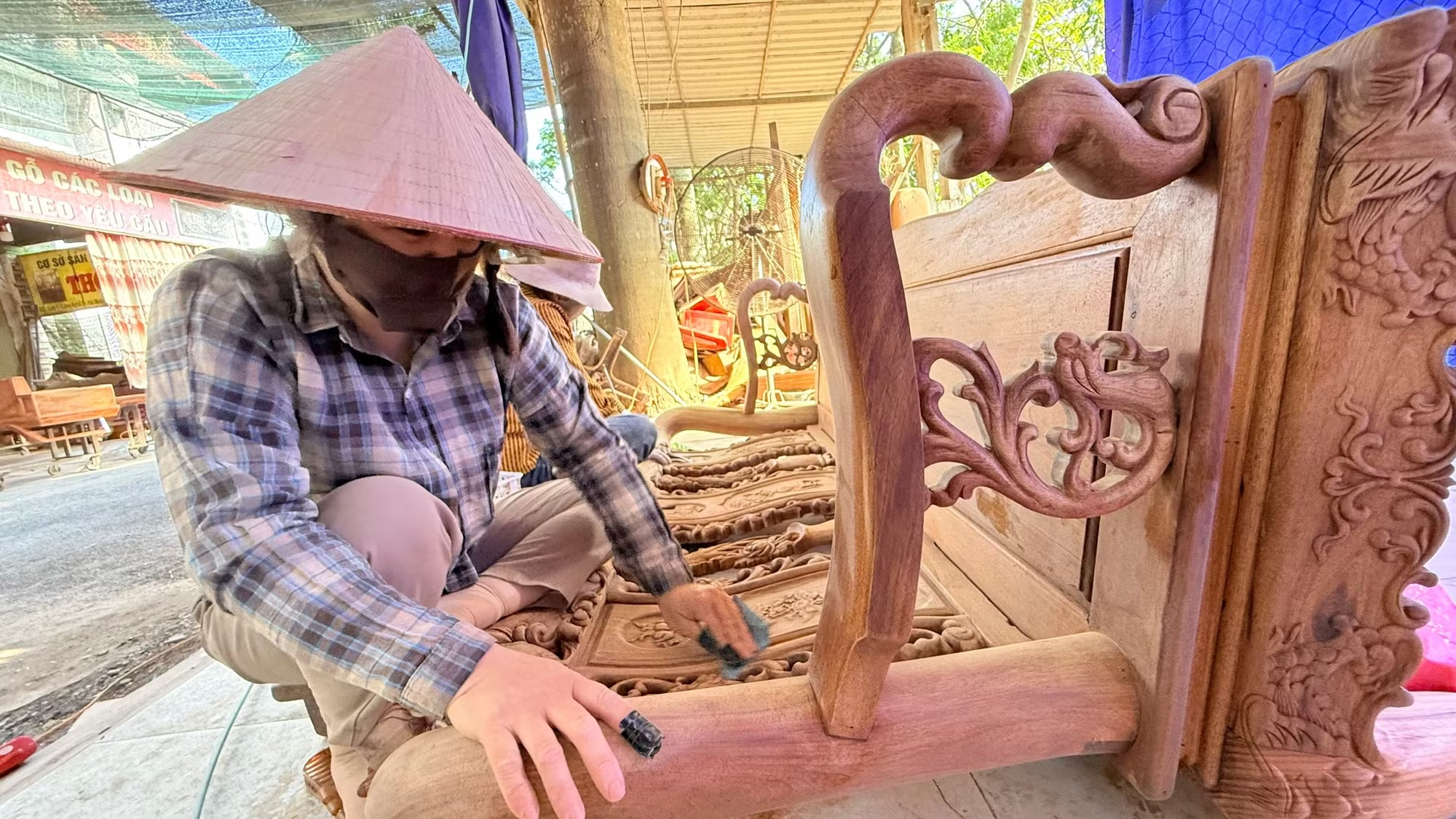
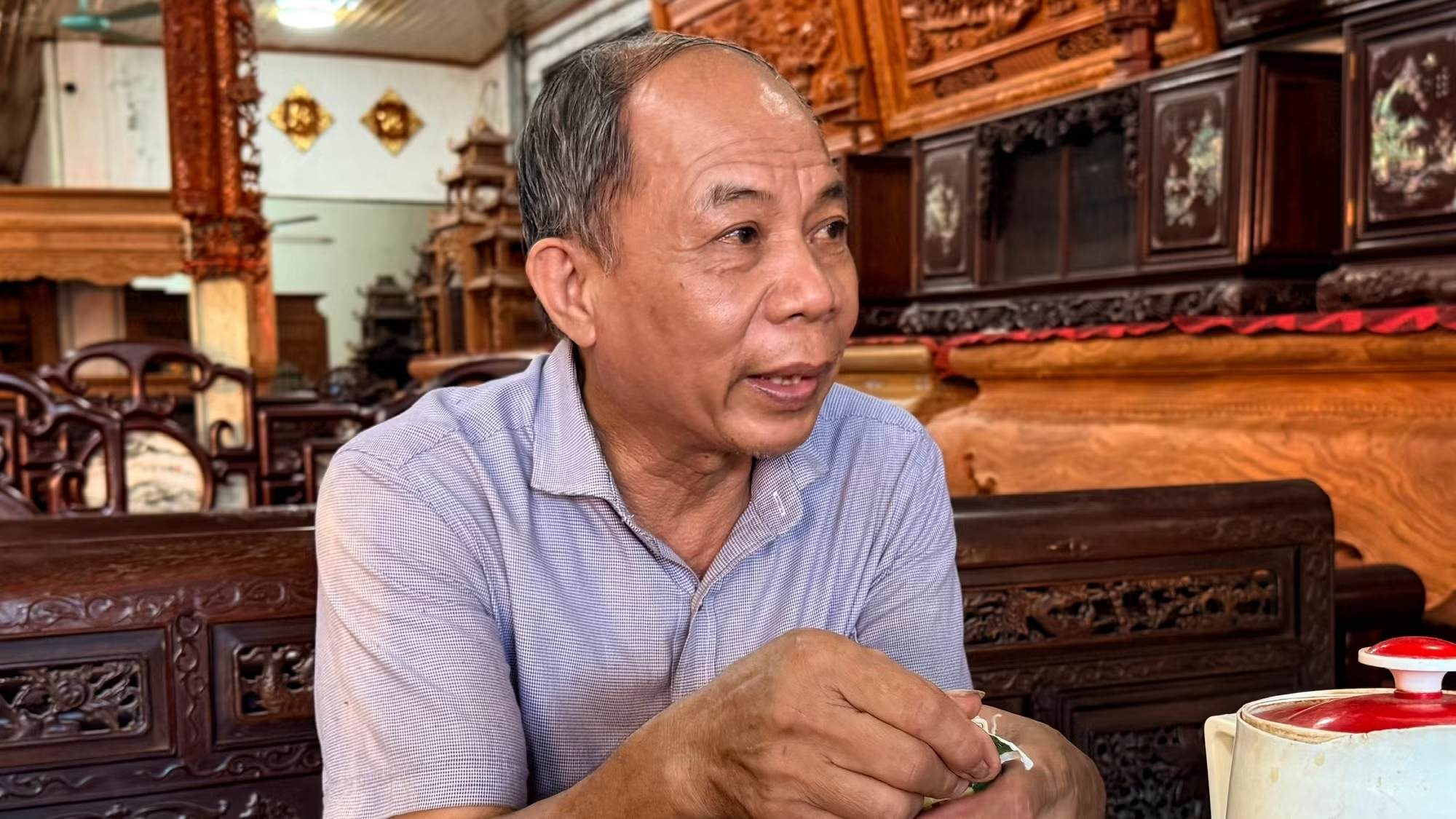
Mr. Nguyen Van Quan, owner of the Quan Tham wood furniture production and trading facility (in the craft village of Hamlet 1, Hai Anh), shared that, in reality, there are not many highly skilled craftsmen, let alone artisans, who make traditional-style wooden furniture. They have stopped working because their daily wages are not as profitable as using machinery for production. Wooden furniture in general sells very slowly now, especially antique reproductions.
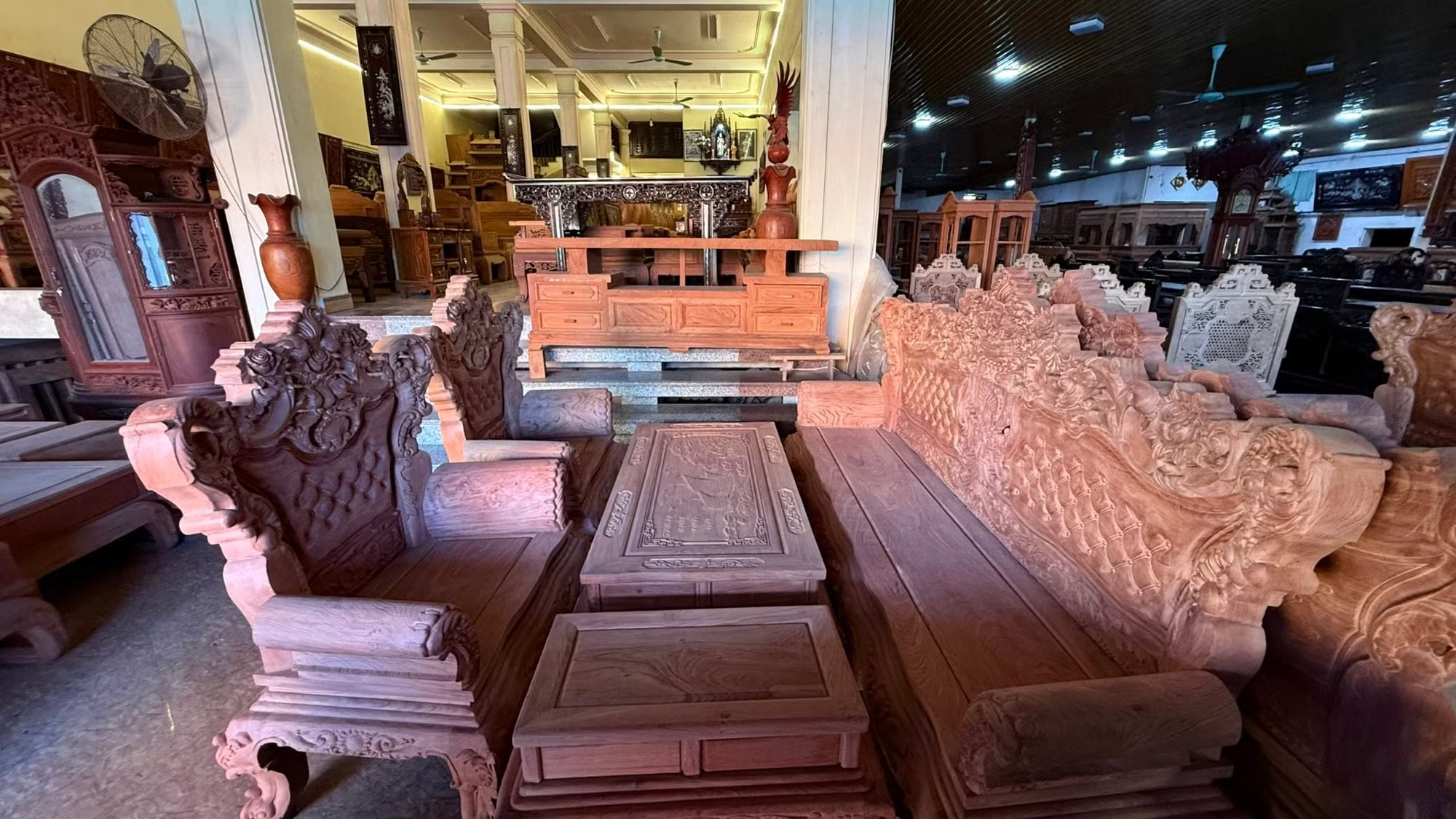
Many years ago, the antique-style products from Hai Minh craft village were exported in large quantities to countries such as China, Japan, and Indonesia. However, after the Covid-19 pandemic, exports have almost completely stopped. Currently, sales are sporadic, and sales only pick up towards the end of the year. To meet customer demand, in the last 5-6 years, more wooden furniture in the Royal style (for neoclassical homes) and later, sofa sets for modern homes, have been produced.
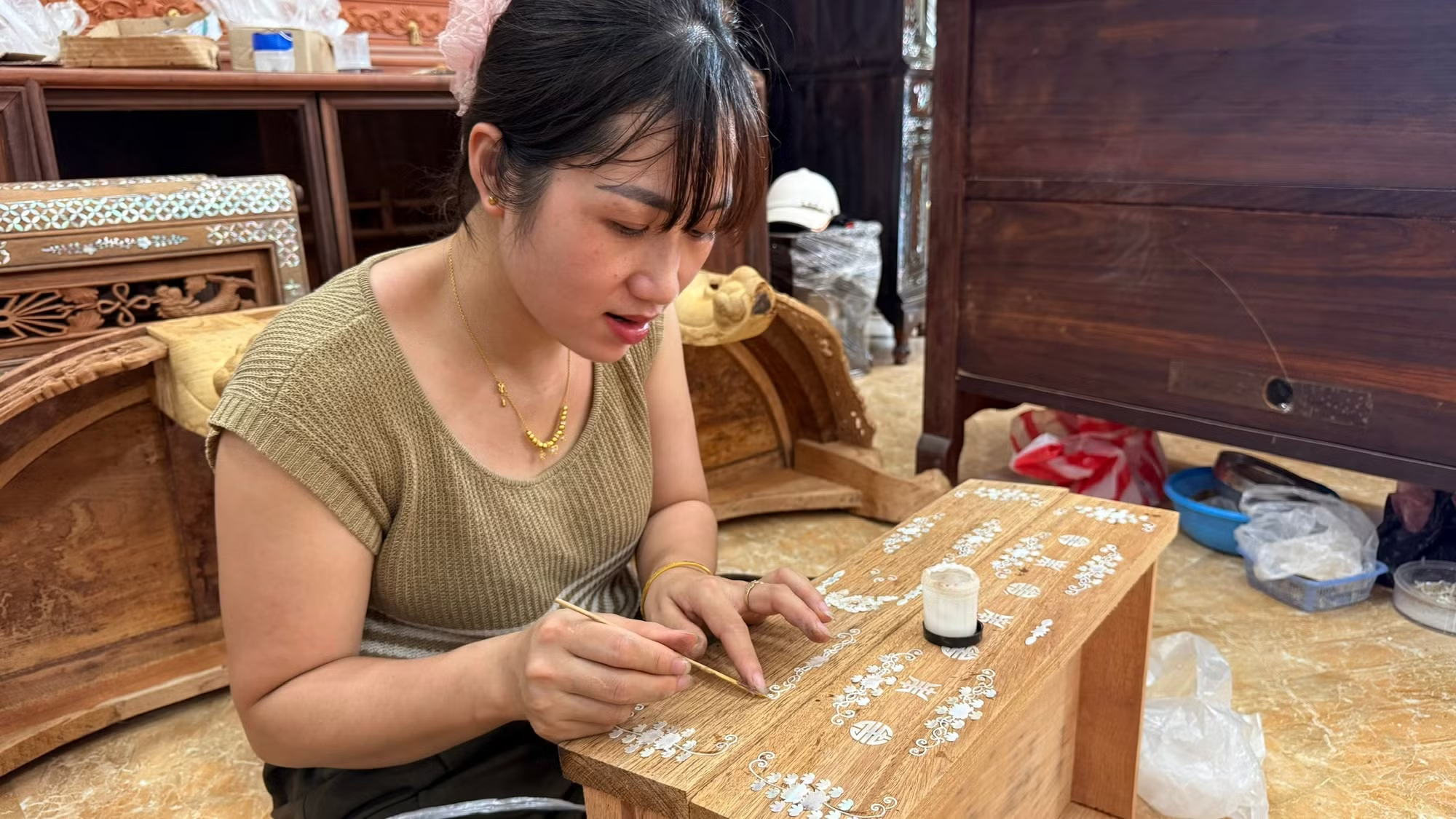
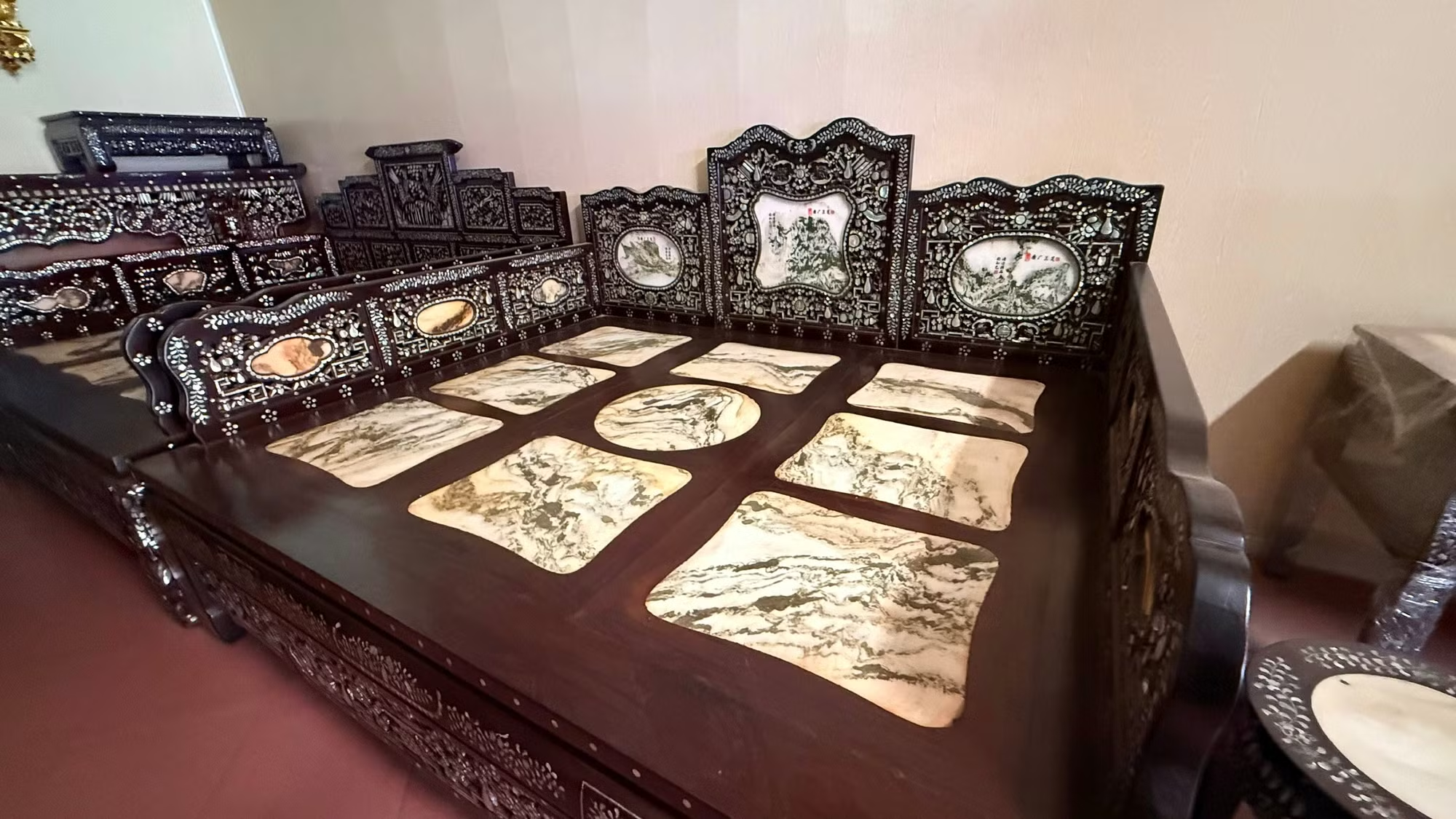
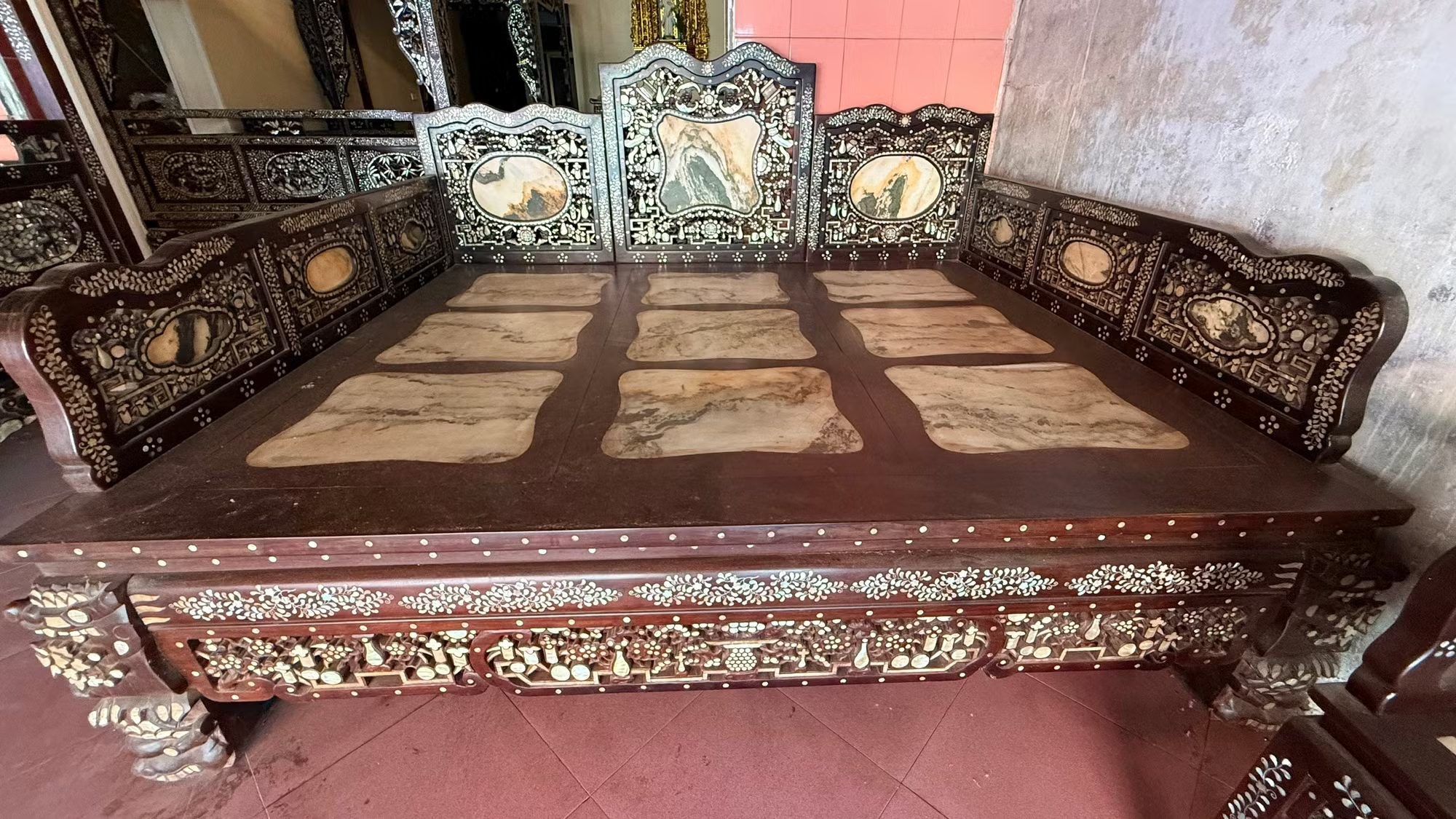
Ms. Tran Thi Thanh, owner of Thanh Thuc workshop (Hamlet 9, Tan Boi, Hai Anh commune), said that her family specializes in producing mother-of-pearl inlaid tables, chairs, and beds. Previously, they couldn't keep up with the demand for their products. However, in recent years, sales have been very slow. To maintain operations, not only Ms. Thanh's family but many other workshops often outsource certain stages of production to other businesses. This avoids hiring workers and having to worry about paying monthly salaries, while the quality of the finished products remains uncertain.
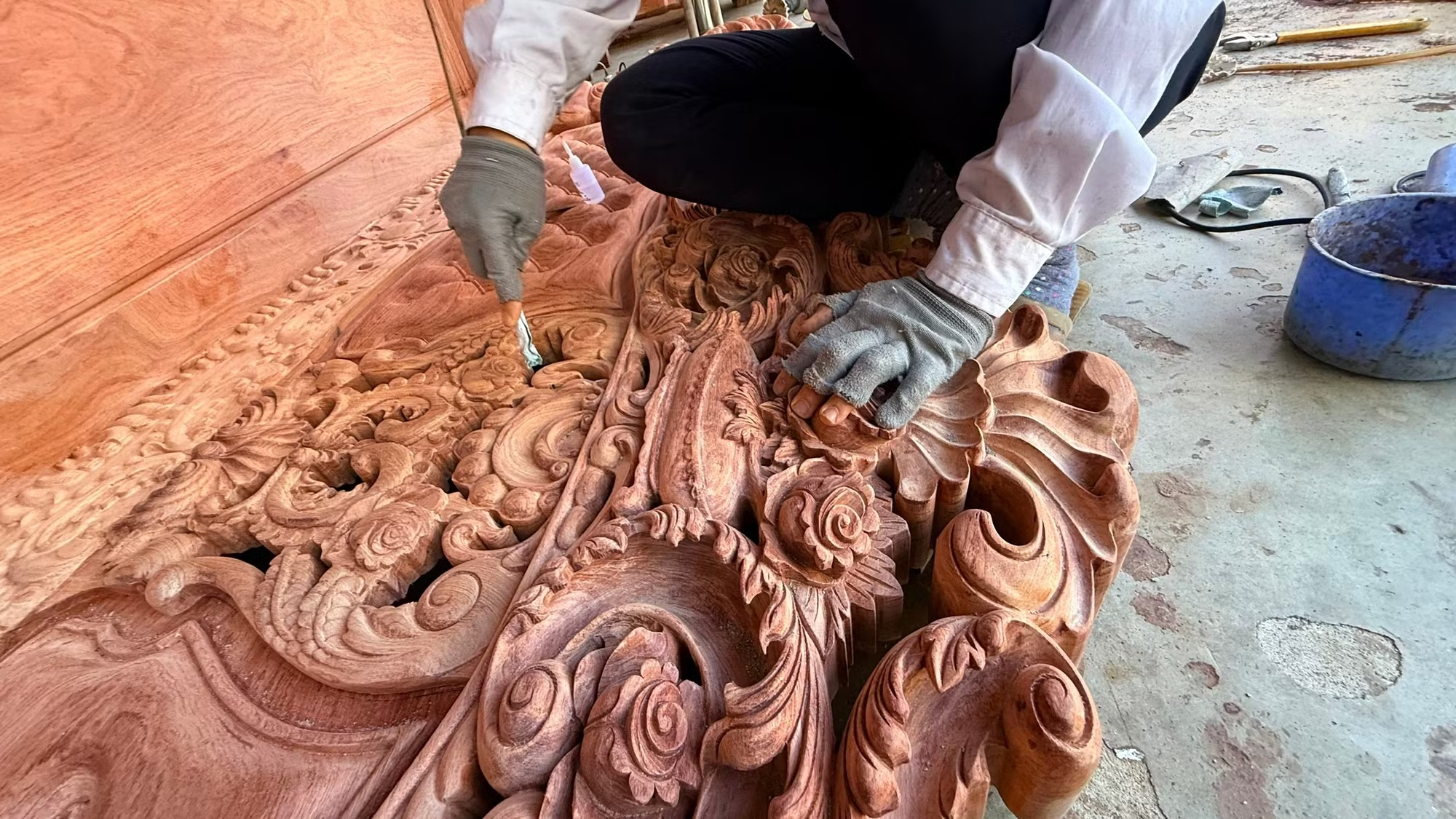
Mr. Nguyen Quy Mao, owner of Quy Mao fine art wood furniture workshop (Hamlet 9, Tan Boi, Hai Anh commune), also said that most fine art wood furniture production and business establishments in this craft village, in addition to products made in the traditional style, also sell wooden furniture in the royal and modern styles to keep up with current trends.
Pointing to a six-piece antique-style carved wooden furniture set, Mr. Mao said: “This set is worth nearly 20 million dong. It’s a carefully selected and well-made product. However, even if we sell it, we’ll only get about 1 million dong in labor costs. Honestly, there’s no profit. Meanwhile, paying taxes is a huge problem for the fine wood furniture production facilities in the craft village,” Mr. Mao shared.
Some pictures of the Hai Minh woodcraft village.
Source: https://cand.vn/loi-di-nao-cho-xu-the-moi-post812032.html



![[Photo] General Secretary and President To Lam presides over the meeting to approve the draft report on the results of the second inspection by the Politburo of the Standing Committee of the Hanoi City Party Committee.](https://vphoto.vietnam.vn/thumb/1200x675/vietnam/resource/IMAGE/2026/05/26/1779789811432_a2-bnd-4430-9620-jpg.webp)




























































































Comment (0)