

The extent to which alcohol affects rheumatoid arthritis depends on many factors, and patients should consult their doctor to avoid potential health risks.
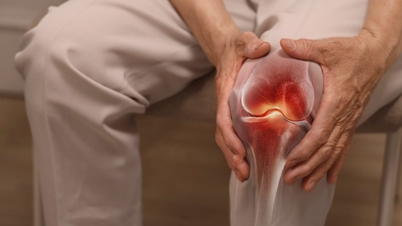
Rheumatoid arthritis is an autoimmune disease in which the body's immune system mistakenly attacks the joints, causing inflammation.
Some studies suggest that a small amount of alcohol per week may be beneficial for people with rheumatoid arthritis, reducing the risk of developing the disease. Other research indicates that alcohol consumption can increase inflammation and worsen symptoms. Immune cells called cytokines are involved in the inflammatory process, and excessive alcohol consumption can increase cytokine levels.
Scientists have yet to provide clear evidence of the impact of alcohol on rheumatoid arthritis. The extent to which alcohol affects joint pain and other symptoms varies from person to person, depending on many factors such as medications being taken, gender, dosage and frequency of consumption, and the type of alcohol.
A 2018 study in the Scandinavian Journal of Rheumatology examined the impact of alcohol on joint erosion, or narrowing of joint space, in the hands, wrists, and feet of people with this condition. Researchers found that moderate alcohol consumption could contribute to joint erosion in women with the condition, while the opposite was true in men.
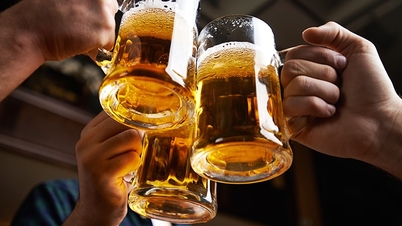
However, another study suggests that light to moderate alcohol consumption may reduce cytokine levels, thereby reducing inflammation. A 2014 study in the Journal of Rheumatology found that patients with rheumatoid arthritis who drank small amounts of beer had better functional status than those who abstained completely. This effect was only observed with beer, not other alcoholic beverages.
This study also showed that moderate drinking may reduce the risk of developing rheumatoid arthritis. Women in this study who drank 2-4 glasses of beer per week had up to a 31% lower risk of developing the disease compared to those who never drank beer.
Researchers note that the benefit of moderate beer consumption on the risk of developing this disease is minimal, while warning that excessive drinking may increase the risk of developing the disease or worsen symptoms.

Drinking too much alcohol is bad for your health. Photo: Ha Phuong
A 2019 study published in the journal Arthritis Research and Care examined whether there was any link between alcohol consumption and symptoms of rheumatoid arthritis. The researchers relied on a six-month survey of 17,000 patients.
In people with severe rheumatoid arthritis, data suggests they tend to stop drinking or never drink at all. On the other hand, those with milder disease tend to drink beer and wine regularly, possibly because they don't perceive their symptoms to worsen.
According to the National Institute on Alcohol Abuse and Alcoholism (NIAAA) in the U.S., moderate alcohol consumption is defined as no more than one drink (serving) per day for women and two drinks per day for men. A serving is calculated depending on the type of beverage, equivalent to 350 ml of beer, 150 ml of wine, or 44 ml of spirits.
Experts recommend that if rheumatoid arthritis patients consume alcohol, they should stop drinking for a period of time to monitor whether symptoms improve. Additionally, this depends on the interaction of alcohol with the medication being used. Patients should consult their doctor to avoid potential health risks.
Anh Ngoc (According to Very well health )
Source link


























![[Video] Sunset at Lap An Lagoon – Where the sun sets over the fishing nets](https://vphoto.vietnam.vn/thumb/340x192/vietnam/resource/IMAGE/2026/05/31/1780192137701_beach-landscape-sea-water-nature-grass-745871-pxhere-com.jpeg)






![[Photo] The General Secretary, President and his wife lay flowers at the Ho Chi Minh Monument in Manila.](https://vphoto.vietnam.vn/thumb/1200x675/vietnam/resource/IMAGE/2026/05/31/1780219759477_anh-man-hinh-2026-05-31-luc-16-29-07.png)











































































Comment (0)