

"Make in Vietnam" is a slogan for action. "Make in Vietnam" is a spirit. A spirit of self-reliance. A spirit of mastering applications and mastering technology. From mastering applications to mastering technology.
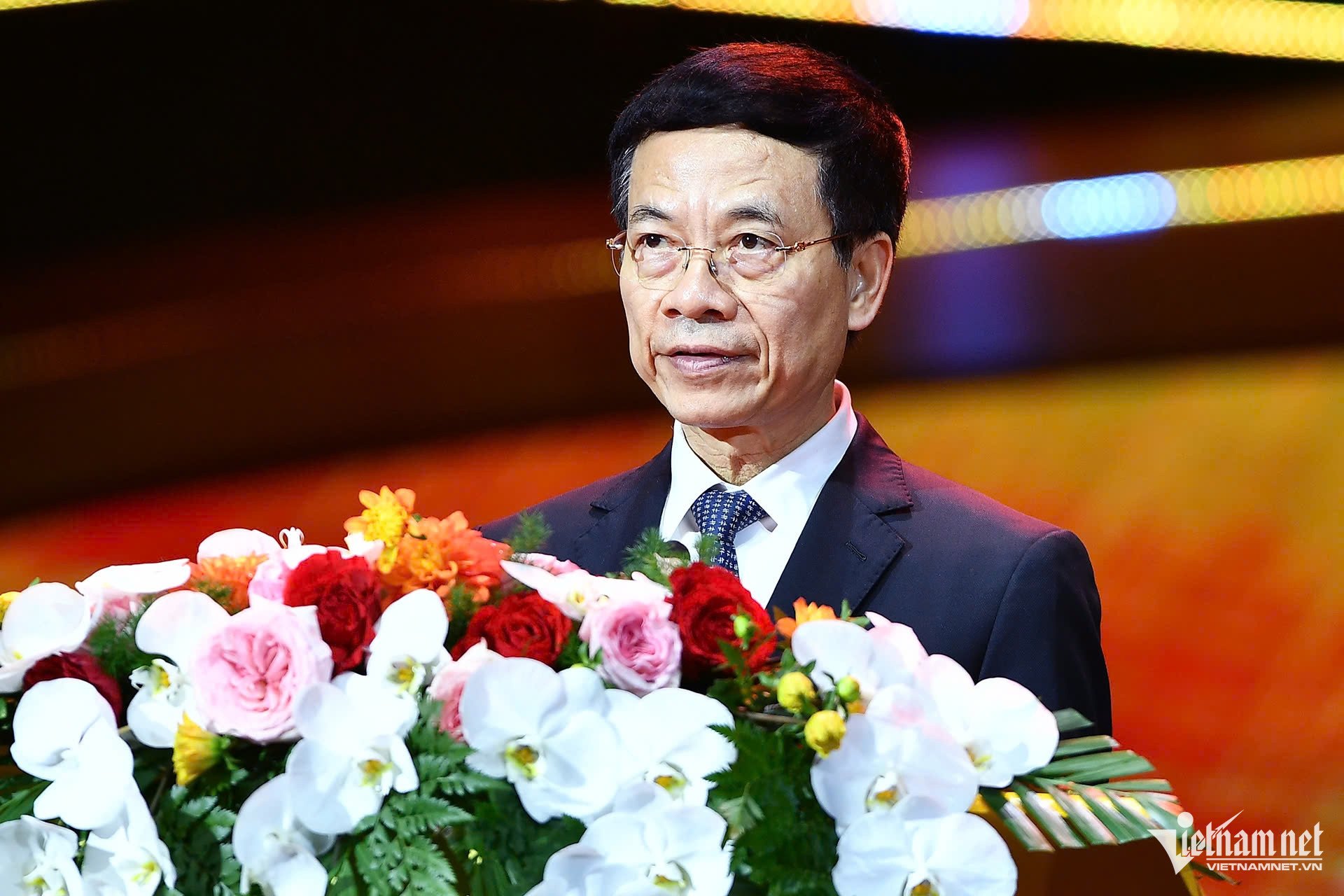
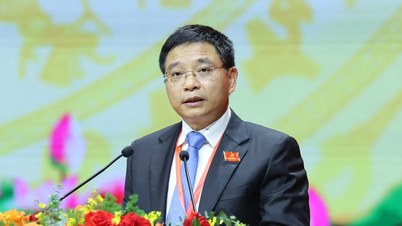
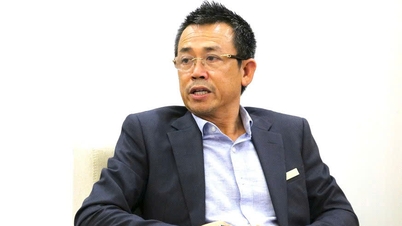
Minister of Information and Communications Nguyen Manh Hung. Photo: Hoang Ha
It's technology. The digital revolution, and especially its revolutionary and groundbreaking development – the Fourth Industrial Revolution – has created new and unprecedented opportunities for Vietnam. Technology can effectively solve Vietnamese problems. Vietnam, with its own challenges, is the market for the birth and development of Vietnamese technology businesses. Vietnam is also the cradle for Vietnamese technology businesses to go global and solve global problems. "Make in Vietnam" means creating in Vietnam, designing in Vietnam, making in Vietnam, producing in Vietnam, and by Vietnamese businesses. "Make in Vietnam" is a slogan for action. "Make in Vietnam" is a spirit. A spirit of self-reliance. A spirit of mastering applications and mastering technology. From mastering applications to mastering technology."Make in Vietnam" is a slogan for action. "Make in Vietnam" is a spirit. A spirit of self-reliance. A spirit of mastering applications and mastering technology. From mastering applications to mastering technology.
"Make in Vietnam" will not only help Vietnam prosper but also ensure lasting peace, as it contributes to the development of a powerful defense and security industry to protect Vietnam. The divine crossbow protecting Vietnam can only be made by Vietnamese people. "Make in Vietnam" has been around for five years. Over the past five years, Vietnam's value in the digital technology industry has increased from 20% to 32%. In 2024, Vietnam's value in the $152 billion digital technology industry will reach 32%. And we aim for Vietnam's value to exceed 50% by 2030. This is a very ambitious goal to help Vietnam escape the outsourcing trap. Escaping the outsourcing trap is essential to escaping the middle-income trap. Over the past five years, the number of Vietnamese digital technology businesses has increased by 50%. With 74,000 digital technology businesses in a country of 100 million people, Vietnam has one of the highest ratios of digital technology businesses per capita among developing countries. "Make in Vietnam" is also a source of pride for Vietnam. Resolution 57 of the Politburo on December 22, 2024, on breakthroughs in national science and technology development, innovation, and digital transformation, conveys a message of self-reliance, confidence, self-sufficiency, and national pride to leverage Vietnamese intelligence. Vietnam is no longer a small country; it must stand shoulder to shoulder with the world's leading nations and contribute to the development of humanity. "Make in Vietnam" is also our responsibility as a global nation and global citizen. That is, in addition to using and consuming the world's technology, Vietnam must also contribute to humanity and the development of global technology. The responsibility of domestic CNS businesses towards Make in Vietnam must be stronger than ever.
"Make in Vietnam" is also our responsibility as a global nation and global citizens. That is, in addition to using and consuming humanity's technology, Vietnam must also contribute to humanity and contribute to the development of global technology.
Resolution 57 also sets the goal of technological self-reliance and competitiveness, especially in strategic technologies. Previously, we focused heavily on application and processing; now, we must focus more on mastering technology, on design, on creating Vietnamese products, and on higher value-added stages. Each year, the State will allocate 15% of the science and technology, innovation, and digital transformation budget to mastering strategic technologies. We must master strategic technologies to master Vietnam's digital transformation process. Only then can Vietnam achieve sustainable development. Resolution 57 directs core enterprises to undertake large-scale, national-level digital transformation projects and to master strategic technologies. This is a win-win situation: mastering the digital transformation process and digital transformation technologies, while simultaneously forming large national technology enterprises with international competitiveness. From now on, Vietnamese technology companies, especially the large ones, must embrace the mission of serving Vietnam and bring glory to Vietnam.
We must master strategic technologies to master Vietnam's digital transformation process. Only then can Vietnam achieve sustainable development.
In 2024, revenue from overseas markets for Vietnamese digital technology enterprises reached US$11.5 billion. More importantly, it is growing at a rate of over 30% annually. We aim for US$100 billion in overseas revenue by 2035, surpassing agricultural exports. This means that Vietnam's digital technology exports must exceed its agricultural exports. This is a very high and challenging goal for Vietnamese digital technology enterprises. However, if we fail to achieve this, we cannot claim that Vietnam is a regional and global center for science and technology, innovation, and digital transformation, as mandated by Resolution 57. Exporting technology is also a test for Vietnamese technology. When we talk about technology, we talk about talent. Many Vietnamese people abroad have achieved success in technology, and it's time for them to return to Vietnam or connect with Vietnam to build Vietnamese technology businesses. Talent has a global character. Vietnam will create conditions for global talent to converge here, allowing for the testing of new technologies and business models with a Sandbox approach, accepting risks: anything whose management is unknown will not be banned but will be allowed for controlled experimentation. These "technology zones" and "innovation zones" will serve as testing grounds for superior mechanisms for innovative technology businesses.
Vietnam will create conditions for global talent to converge here, allowing for the testing of new technologies and business models with a Sandbox approach, accepting risks: anything whose management is unknown will not be banned but will be allowed for controlled testing.
Resolution 57 identifies science and technology, innovation, and digital transformation as the three main pillars for national development in the new era. Science and technology are the foundation, generating new knowledge and technologies. Innovation is the driving force, transforming new knowledge and technologies into new ideas and solutions. It is the magic wand that turns research results into new products, services, and processes, creating practical value for socio-economic development. Digital transformation involves moving all activities to the digital environment, digitizing the real world to create a new space – the digital space – providing a digital platform, digital technology, digital data, and digital connectivity to accelerate and scale up the application of science and technology and innovation. Digital transformation creates a digital space – a new arena, an ideal environment for science, technology, and innovation, so favorable that individuals can also apply science and technology to participate in innovation. As we see, current technology is mainly digital technology, or based on digital technology; current innovation is also mainly digital innovation. Digital transformation creates the environment and tools to realize innovative ideas and solutions. For the first time, the trio of science and technology, innovation, and digital transformation are included in a single Politburo Resolution, and will be combined into a single unified ministry of the Ministry of Science and Technology and the Ministry of Information and Communications. The interconnectedness and inseparability of these three will create a new, groundbreaking, and revolutionary impetus for the development of science, technology, and innovation in the digital environment. General Secretary To Lam, on behalf of the Politburo, has just signed Resolution 57, coinciding with the 80th anniversary of the founding of the Vietnam People's Army on December 22, 2024. This is a particularly important thematic resolution on breakthroughs in the development of science, technology, innovation, and national digital transformation, with many revolutionary viewpoints, tasks, and solutions, similar to Resolution 10 on agriculture 40 years ago, but this time for science, technology, innovation, and national digital transformation. From a situation of lacking science, technology, innovation, and digital transformation, we will move towards having sufficient, surplus, and even exporting large quantities of science, technology, innovation, and digital transformation, just as we have done with agriculture. Resolution 10 on poverty alleviation was for poverty reduction, while Resolution 57 is for escaping the middle-income trap. Resolution No. 10 on Contract Farming aims to liberate labor power, while Resolution No. 57 aims to liberate creativity. The general spirit of both Resolution No. 10 and Resolution No. 57 is management by objectives, not by methods; empowering workers with autonomy and responsibility; accepting risks and evaluating based on overall effectiveness; and ensuring workers benefit from the fruits of their labor and creativity.
Resolution 10 on Contract Farming was aimed at escaping poverty, while Resolution 57 was aimed at escaping the middle-income trap. Resolution 10 on Contract Farming was about liberating labor power, while Resolution 57 was about liberating creativity.
General Secretary To Lam is the Head of the Central Steering Committee on Science, Technology, Innovation, and Digital Transformation. From now on, science and technology, innovation, and digital transformation have truly become a revolution of the entire Party and the entire people, entering a breakthrough development phase. And we expect that science and technology, innovation, and digital transformation will make a particularly important contribution to Vietnam's rise to become a developed socialist country with high income by 2045, when Vietnam celebrates its 100th anniversary. In the spirit of Resolution 57, I hereby declare the opening of the 6th Vietnam Digital Technology Business Forum, Make in Vietnam, with the theme: "Mastering Digital Technology, Mastering Vietnam's Digital Transformation Process through Vietnamese Digital Technology Enterprises." I wish our Forum great success! The presence of the General Secretary of the Central Committee of the Communist Party of Vietnam at the Make in Vietnam Forum will convey a very strong message from our Party: Developing and mastering science and technology, innovation, and digital transformation are prerequisites and the best opportunities for our country to develop into a prosperous and powerful nation in the new era - the era of the Vietnamese nation's rise.
Vietnamnet.vn
Source: https://vietnamnet.vn/make-in-viet-nam-la-tinh-than-tu-cuong-lam-chu-cong-nghe-2363867.html
![[Photo] Prime Minister Pham Minh Chinh presides over a meeting on private sector economic development.](/_next/image?url=https%3A%2F%2Fvphoto.vietnam.vn%2Fthumb%2F1200x675%2Fvietnam%2Fresource%2FIMAGE%2F2025%2F12%2F20%2F1766237501876_thiet-ke-chua-co-ten-40-png.webp&w=3840&q=75)




























































































Comment (0)