

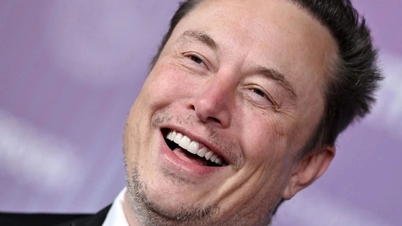
On July 12, the European Union (EU) stated that the blue verification badges on billionaire Elon Musk's X could "deceive" users. At the same time, the organization accused X of failing to meet transparency and accountability requirements.
This marks the first time the EU has leveled charges against a technology company since the bloc's Digital Services Act (DSA) came into effect on August 25, 2023. The DSA is considered one of the EU's most ambitious laws on online content control.
Accordingly, online platforms are required to take greater responsibility for protecting users in Europe and removing harmful or illegal content from their platforms. Platforms that violate the rules risk heavy fines.
This law demonstrates the EU's efforts to create a safe and healthy online environment for users.
EU regulators have investigated X's verified badge service, arguing that this verification badge is a tactic inconsistent with DSA regulations and could be abused by individuals or organizations to deceive users.
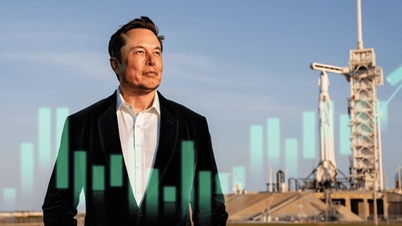
Before billionaire Elon Musk acquired the social media site X (then called Twitter), blue verification badges were primarily reserved for celebrities, politicians , and social media influencers. After the site came under the Tesla owner's ownership in 2022, the blue checkmark was granted to any user who paid a fee of $8 per month.
The European Commission (EC) also accused X of failing to comply with rules on transparency in advertising.
According to the DSA, platforms must disclose databases of all digital advertisements they have produced, with details such as who paid for the ads and the target audience of the ads.
However, X's advertising database is alleged to be "unsearchable and unreliable," and to have "design features and access barriers" that make the website "unsuitable for transparent purposes." X has not yet commented on the matter.
Source: https://kinhtedothi.vn/mang-xa-hoi-x-dang-danh-lua-nguoi-dung-bang-dau-xac-thuc-xanh.html

![[Photo] Prime Minister Pham Minh Chinh presides over the conference announcing the establishment of the International Finance Centre in Vietnam.](/_next/image?url=https%3A%2F%2Fvphoto.vietnam.vn%2Fthumb%2F1200x675%2Fvietnam%2Fresource%2FIMAGE%2F2025%2F12%2F21%2F1766309817714_ndo_br_dsc-3400-jpg.webp&w=3840&q=75)


![[Photo] Prime Minister Pham Minh Chinh presides over a meeting on private sector economic development.](/_next/image?url=https%3A%2F%2Fvphoto.vietnam.vn%2Fthumb%2F1200x675%2Fvietnam%2Fresource%2FIMAGE%2F2025%2F12%2F20%2F1766237501876_thiet-ke-chua-co-ten-40-png.webp&w=3840&q=75)












































































Comment (0)