

Enhance the value chain
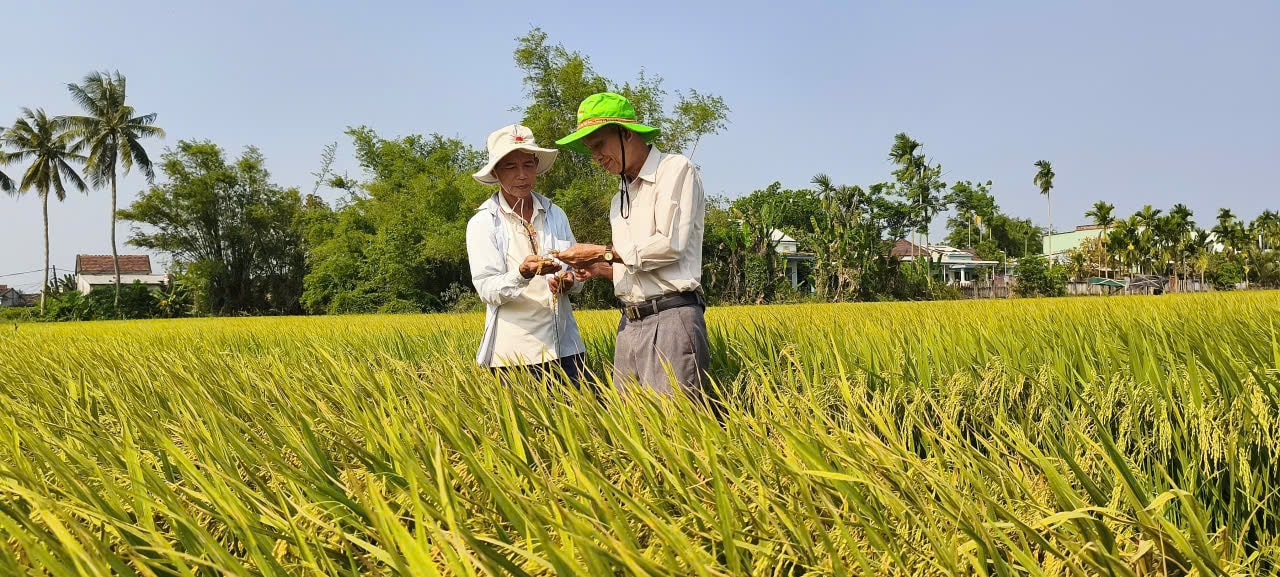
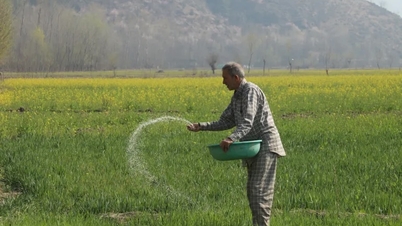
In recent times, cooperatives in Da Nang city have steadfastly pursued the development of high-quality rice raw material areas, linking consumption, standardizing processes, and meeting market demands. The Binh Dao Agricultural Cooperative (Thang An commune) has consolidated 85 hectares of land for cultivating rice seeds and other crops.
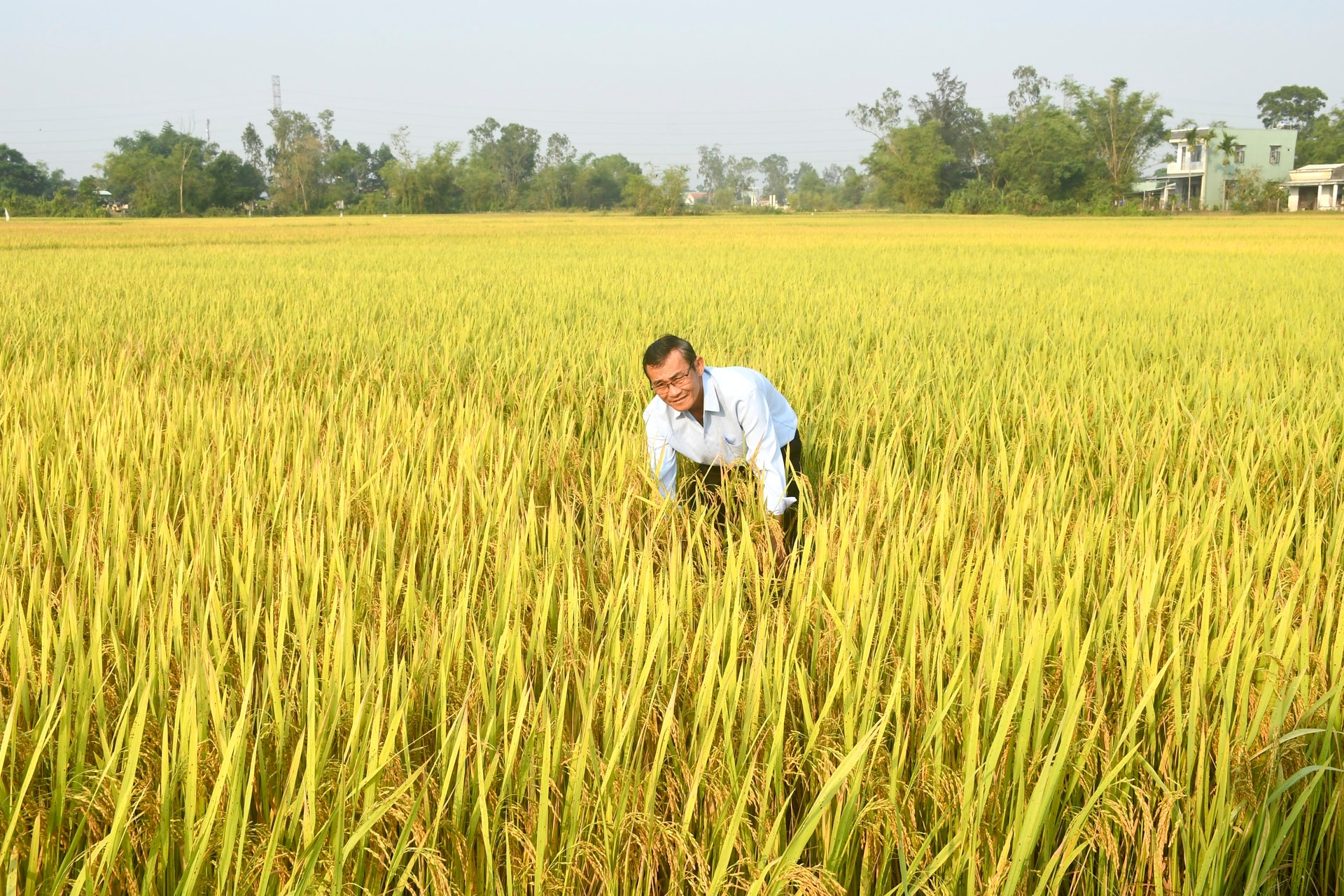
Mr. Vo Tan Sanh, Director of the cooperative, said that in the recent winter-spring crop season, more than 68 hectares of land under the cooperative's and farmers' VNR20 and KD18 rice seed production linkage achieved a yield of over 65 quintals/hectare thanks to standardized technical procedures. The cooperative provided input services including fertilizers, rice seeds, and applied drone technology for spraying pesticides; farmers strictly followed the technical cultivation procedures, and at harvest time, the cooperative guaranteed the purchase of the product for the market. The effectiveness of the rice value chain production linkage has helped the cooperative and farmers achieve stable income.
Based on the practical experience of linking rice production in a value chain during the recent winter-spring crop season, Mr. Vo Tan Sanh said that many lessons have been learned and solutions will be applied comprehensively to further improve the efficiency of the rice production value chain. Specifically, the cooperative will continue to consolidate land plots to have more large land resources, implement good field planning to organize effective production linkages, reduce costs, and increase rice yield.
Investing in a comprehensive set of production tools, including tillage machines, harvesting machines, drying ovens, and agricultural product processing machines, is crucial for proactively managing all stages of the production linkage process. Simultaneously, building trust and transparency among all parties in the linkage chain—cooperatives, farmers, and businesses—is essential. "To maximize the effectiveness of the rice seed production linkage chain, the support and cooperation of the agricultural sector and local authorities are crucial in implementing these projects," Mr. Sanh stated.
According to the City Department of Agriculture and Environment, with 5,000 hectares of land dedicated to rice seed production in various localities, farmers and cooperatives earn 20-25% higher profits annually compared to previous production methods. Rice varieties such as Thien Uu 8, Dai Thom 8, and Huong Chau 6... have advantages in pest and disease resistance, drought tolerance, and produce sticky, fragrant, and delicious rice, resulting in high yields and significant market value.
Rice seed production through integrated supply chains has marked a shift from traditional production to high-value commodity production, adapting to climate change and meeting market demands for clean agricultural products. This is a crucial foundation for moving towards ecological agriculture, modern rural areas, and civilized farmers, in accordance with Resolution No. 19-NQ/TW of the Central Committee on agriculture, farmers, and rural areas.
New drivers for sustainable development
According to the Sub-Department of Crop Production and Plant Protection (Department of Agriculture and Environment), the structure of rice varieties cultivated in the area has shifted in recent years towards gradually reducing traditional low-yield, long-growing varieties, replacing them with new varieties that are high-yield, high-quality, short-day, adaptable to climate change, and suitable for commercial rice production, VietGAP, and organic farming.
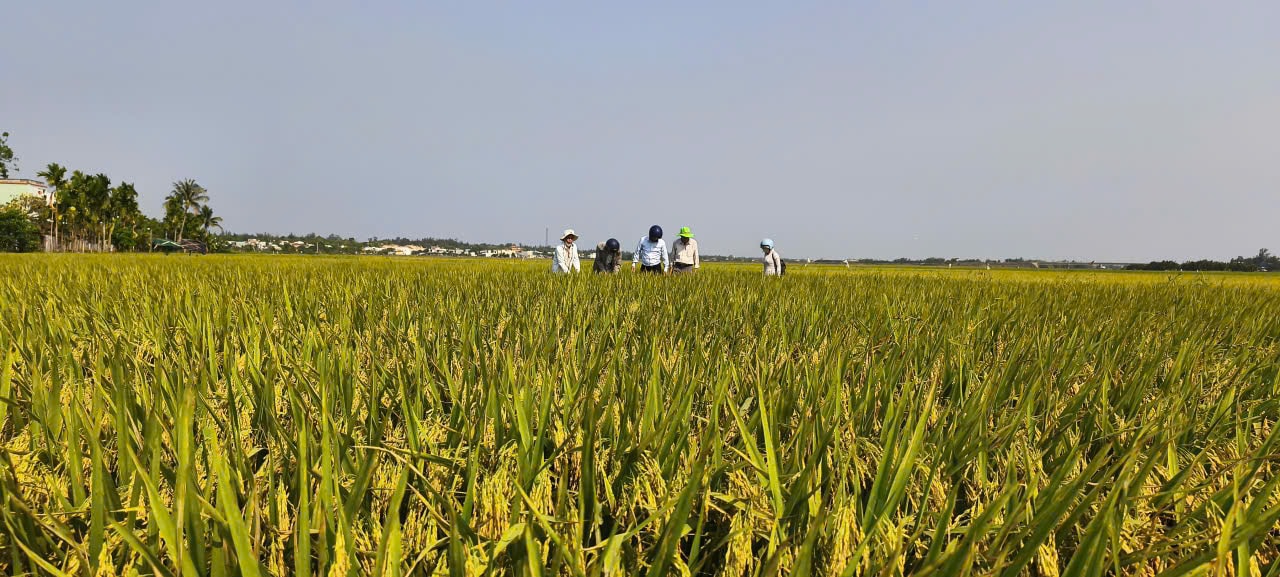
Rice production in Da Nang is developing in the direction of reducing the use of average-quality varieties, increasing the use of high-quality varieties, promoting production along the value chain linked to stable consumption, and building regional rice brands. This is an important step in the process of increasing added value and creating a sustainable development direction for rice cultivation.
According to Mr. Le Tu Tuan, Head of the Department of Crop Production and Plant Protection, Da Nang city is pursuing a policy of introducing certified and purebred rice varieties into production to ensure stable output quality. Simultaneously, the city is collaborating with research institutes, universities, and rice seed businesses to test new varieties for production, thereby increasing their added value.
The city is promoting the linkage of the "four stakeholders" (farmers - scientists - businesses - the government), attracting businesses to invest in deep processing, building brands for local specialty rice, and forming a closed production chain from seeds, cultivation, harvesting, processing to consumption. It encourages cooperatives to link rice production and consumption to create large-scale operations, increase competitiveness, and meet market demands.
The crop production sector will closely coordinate with localities to support infrastructure development, including transportation, irrigation, drying facilities, and synchronized mechanization; and leverage funding from national and international programs to implement sustainable agriculture that adapts to climate change.
According to Mr. Pham Nam Son, Director of the City's Department of Agriculture and Environment, in the coming period, the department will implement a comprehensive set of solutions to further enhance the value chain and sustainably develop the rice industry, aiming towards green, ecological, and modern rice cultivation.
First, focus on reviewing and replanning concentrated, high-quality commercial rice production areas, linked to irrigation conditions, mechanization, and the application of high technology. Prioritize expanding high-quality rice production areas, VietGAP-certified rice, and organic rice production areas in a chain-linked manner, with stable consumption contracts with processing and distribution businesses.
Strengthen training and technology transfer, especially advancements in smart production, rational use of fertilizers and pesticides, and water conservation. Encourage farmers and cooperatives to apply digital technology in monitoring production processes, tracing product origins, and increasing transparency in the rice value chain.
Source: https://baodanang.vn/mo-huong-phat-trien-ben-vung-cho-cay-lua-3339027.html

![[Photo] General Secretary and President To Lam presides over a meeting on preparations for the review of one year of operation of the three-tiered government system.](https://vphoto.vietnam.vn/thumb/1200x675/vietnam/resource/IMAGE/2026/06/02/1780391821195_a1-bnd-4595-9717-jpg.webp)







![Transforming from Resolution 57: [Part 2] Businesses Lead the Way](https://vphoto.vietnam.vn/thumb/402x226/vietnam/resource/IMAGE/2026/06/02/1780399668663_5332-dsc09931-2-235637_295-235639.jpeg)
















































Comment (0)