

The world is currently facing a range of serious health threats, particularly an outbreak of pneumonia of unknown origin and the spread of seasonal influenza.
Pneumonia of unknown origin and widespread influenza outbreaks: A global health threat.
The world is currently facing a range of serious health threats, particularly an outbreak of pneumonia of unknown origin and the spread of seasonal influenza.
These developments not only increase public concern but also pose a major challenge to global healthcare systems.
 |
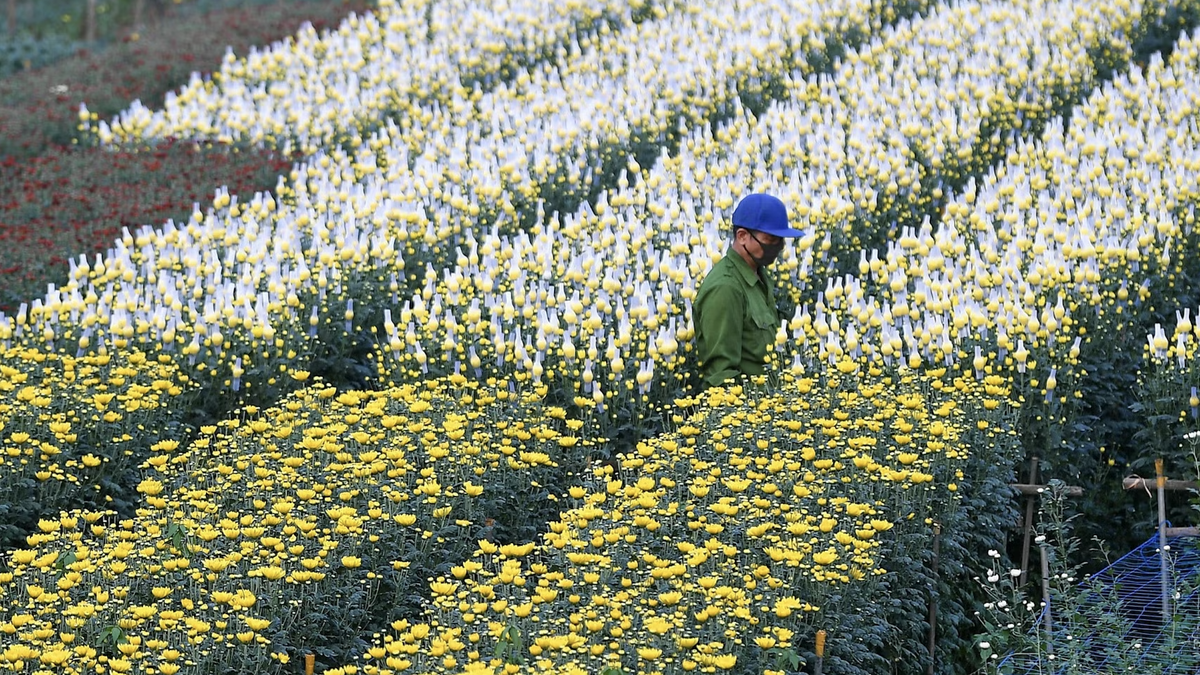
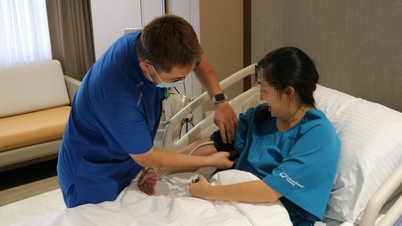
| Illustrative image |
Recently, China has reported an increase in cases of pneumonia of unknown origin, with symptoms similar to Covid-19 such as fever, cough, pneumonia, and other respiratory problems.
These cases are overwhelming hospitals, creating strain and resource shortages. Experts fear that the new virus could be a major threat, similar to past epidemics, and has the potential to cause massive outbreaks in the community.
Reportedly, China has implemented measures to cope with the worst-case scenario, while also strengthening surveillance and prevention to minimize the spread. However, the exact type of virus causing the disease has not yet been identified, making the situation complicated and difficult to control.
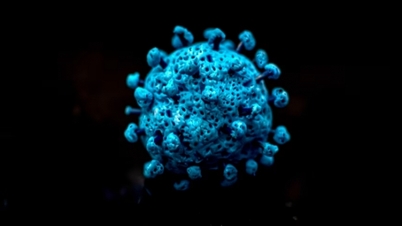
Another virus that is causing concern is HMPV (Human Metapneumoniovirus), a pneumonia-causing agent similar to influenza virus or respiratory syncytial virus (RSV).
Although this virus primarily spreads during the winter months, the recent increase in HMPV cases in China is noteworthy.
HMPV spreads through droplets from coughing and sneezing, direct contact with the secretions of infected individuals, or shared items. Symptoms are similar to a common cold, but it can easily lead to serious complications, especially in the elderly and children.
Besides the outbreak of pneumonia of unknown origin, seasonal influenza is also spreading rapidly globally. In the US, data from the Centers for Disease Control and Prevention (CDC) shows that this year's flu is becoming serious, with at least 5.3 million cases, 63,000 hospitalizations, and more than 2,700 deaths, including children.
The Southern and Southwestern states of the U.S. are seeing particularly high rates of infection, and hospitals, especially pediatric facilities, have become overwhelmed.
Seasonal influenza is usually not a serious illness in young, healthy people, but for the elderly, children, and those with underlying health conditions, the impact can be very serious, causing dangerous complications such as pneumonia, respiratory failure, and even death. This year, influenza B is the main virus circulating in many countries, especially in Europe, where the flu is rapidly increasing after the year-end holidays.
According to the World Health Organization (WHO), respiratory viral diseases are spreading worldwide, and global health agencies recommend that countries maintain effective preventive measures to limit their spread. In particular, vaccination against influenza and other respiratory infections is one of the important measures to help reduce the incidence of illness and severe complications.
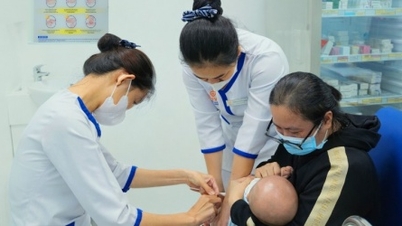
For influenza, vaccination is the most effective preventive measure, helping to reduce the risk of illness, hospitalization, and death. Health experts recommend that people, especially the elderly, children, and those with underlying health conditions, get vaccinated against influenza to protect their own health and the community. Influenza vaccines should be administered annually because influenza virus strains can change, and vaccines need to be updated to match these new variants.
Although Covid-19 vaccines have been developed and are widely administered, concerns about new variants of the SARS-CoV-2 virus remain a serious issue.
This virus continues to mutate, and each variant has characteristics that make it spread more rapidly, further complicating the pandemic situation. Recently, experts have noted some signs of Covid-19 outbreaks in several countries, although the situation is no longer as severe as before.
Symptoms of Covid-19 can last for months, with problems such as fatigue, shortness of breath, cognitive impairment (brain fog), and cardiovascular complications. Numerous studies have shown that Covid-19 vaccination not only reduces the risk of infection but also significantly reduces the risk of prolonged symptoms.
Given the increase in these diseases, health experts worldwide are emphasizing the importance of vaccination, especially against influenza and Covid-19.
Proactive vaccination not only protects oneself but also minimizes the risk of spreading the disease to those around them, contributing to building a community "antibody mass" and reducing the burden on the healthcare system.
Whether it's seasonal flu, pneumonia of unknown origin, or new variants of Covid-19, health experts say that each of us needs to maintain preventative habits by getting fully vaccinated, wearing masks, washing hands frequently, and limiting contact with sick people. Health is not just a personal responsibility, but a shared responsibility of the entire community.
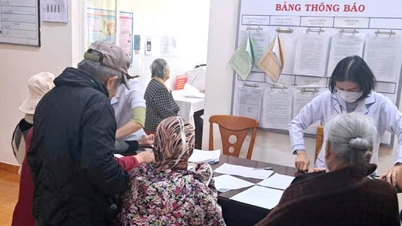
To proactively prevent seasonal influenza and protect the health of individuals, families, and communities, the Ministry of Health advises people experiencing symptoms such as cough, fever, runny nose, headache, and fatigue not to self-diagnose or self-medicate at home, but to contact a healthcare facility for timely advice, examination, and treatment.
Cover your mouth and nose when coughing or sneezing, preferably with a cloth, handkerchief, disposable tissue, or your sleeve, to reduce the spread of respiratory secretions.
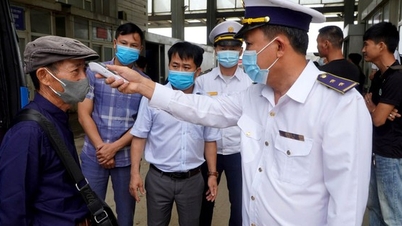
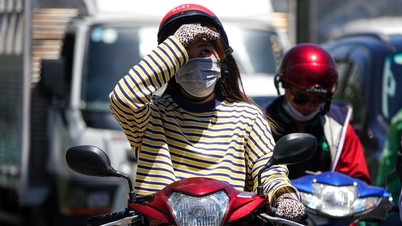
Wear a mask, wash your hands with soap and water or hand sanitizer (especially after coughing or sneezing). Do not spit indiscriminately in public places.
Limit unnecessary contact with flu patients or suspected cases. Maintain a healthy lifestyle, increase physical activity, and improve your overall health.
Regarding the treatment of seasonal influenza, doctors advise that treatment is only easy and effective when detected early, because if not detected and treated promptly, this disease can leave unpredictable consequences such as sinusitis, ear infections, and in more severe cases, multiple organ failure.
Therefore, when symptoms appear, people should be vigilant and seek immediate medical attention for timely diagnosis and treatment, especially since the disease is more dangerous in people with chronic cardiovascular and respiratory diseases, those with weakened immune systems, the elderly (> 65 years old), and children.
To avoid complications and potentially serious consequences from the flu, experts advise that when experiencing flu symptoms, people should seek timely medical attention and testing at a healthcare facility.
If you experience flu-like symptoms such as cough, runny or stuffy nose, sneezing, sore throat, fever, headache, fatigue, chills, and body aches, the best time to get tested for the flu is 24 hours after the fever starts.
According to experts, since there is no specific treatment for influenza, patients should not take medication indiscriminately but should only take medication as prescribed by their doctor.
In addition, patients should not worry too much when they have the flu, because they usually recover completely after a few days and all symptoms disappear after 1-2 weeks.
Regarding diet and lifestyle, people need to drink plenty of water (because water detoxifies the body, dilutes mucus that causes nasal congestion, and prevents infections);
Eat soft, easily digestible, and nutritious foods (porridge, chicken soup); Supplement with zinc-rich foods (beef, shrimp, oysters, clams, chicken, cereals, oats, etc.); Eat a variety of fruits and vegetables; Add ginger and garlic when preparing food; Eat fruits rich in vitamin C to boost the immune system (oranges, tangerines, grapefruits).
Note that when diagnosed with influenza A, patients should avoid crowded places to limit the spread of the disease to the community.
For influenza A, experts recommend vaccination as the top priority, especially given the current complexities of the Covid-19 pandemic.
In the United States, an average of about 900 people have died from Covid-19 each week over the past year, according to the Centers for Disease Control and Prevention.
Source: https://baodautu.vn/viem-phoi-khong-ro-nguyen-nhan-va-dich-cum-lan-rong-moi-de-doa-suc-khoe-toan-cau-d238925.html






























































































Comment (0)