

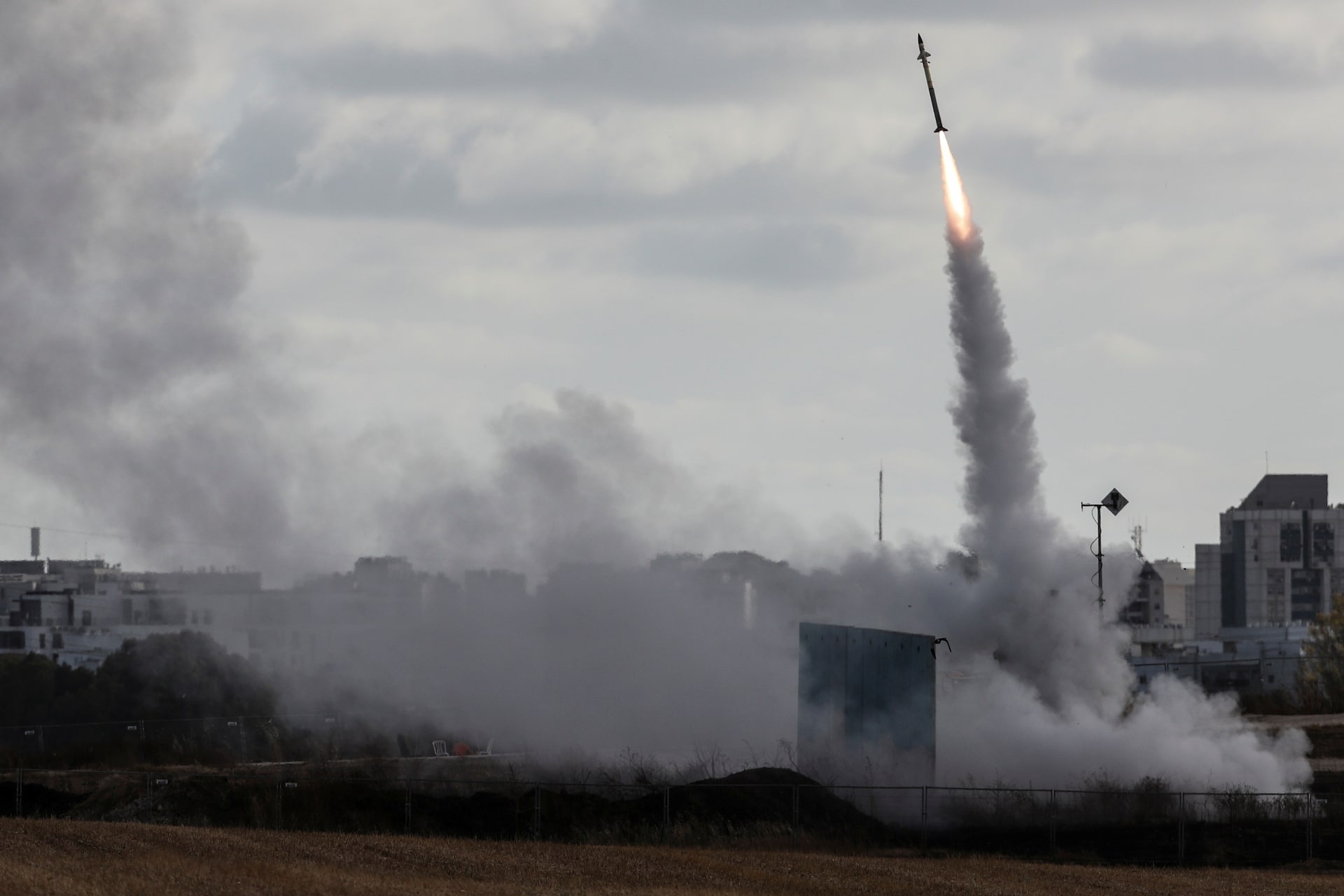
The U.S. War Department revealed data and assessments to The Washington Post. According to this data, the U.S. military used a much larger number of advanced interceptor missiles than Israel consumed, primarily to protect Israel during clashes with Iran.
The US is running out of THAAD missiles to defend Israel.
Three U.S. officials said the disparity shows Washington has shouldered the majority of the responsibility for responding to Iranian ballistic missile attacks during Operation Fierce Fury. This now raises questions about the U.S. military 's combat readiness and global security commitments.
According to US officials, Washington has launched more than 200 THAAD interceptor missiles, equivalent to about half of the Pentagon's total stockpile, to protect Israel. In addition, the US military has used more than 100 Standard Missile-3 and Standard Missile-6 missiles, launched from warships in the eastern Mediterranean.
Meanwhile, Israel launched fewer than 100 Arrow interceptor missiles and about 90 David's Sling missiles. The missiles launched by Israel were intended to counter missiles fired into Israeli territory by Iranian-backed armed groups in Yemen and Lebanon.
Military experts believe this data reveals how the US and Israel coordinate in actual combat.
Kelly Grieco, a senior fellow at the Stimson Center, commented: “The numbers are remarkable. The U.S. takes on the majority of the missile defense mission, while Israel preserves its stockpile.”
While this operational logic may be sound, the U.S. currently has only about 200 THAAD missiles, and production capacity is not keeping up with actual needs. The following consequences could occur in areas unrelated to the Iran conflict.”
The current shortage of interceptor missiles in the US is causing concern among its allies in Asia.
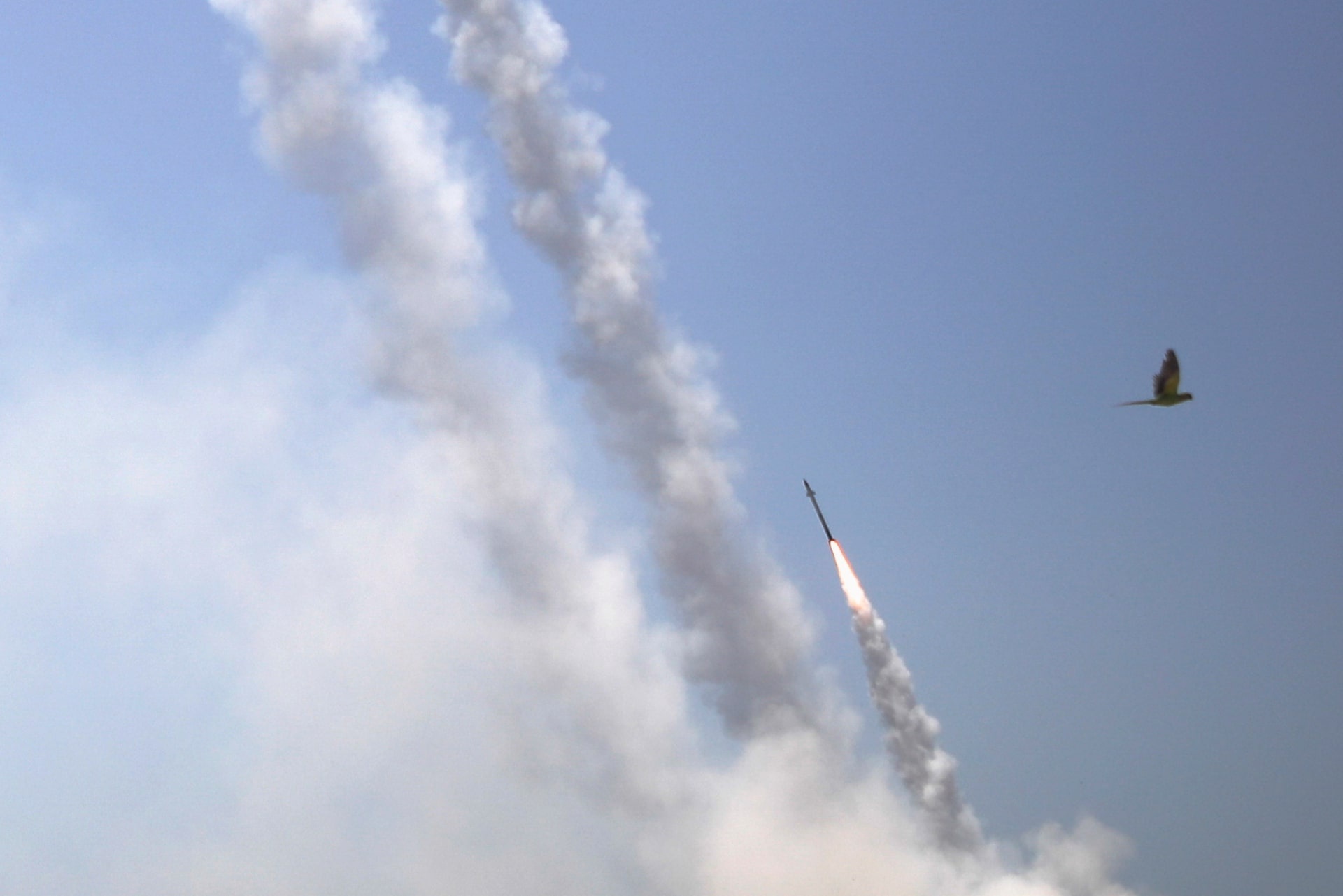 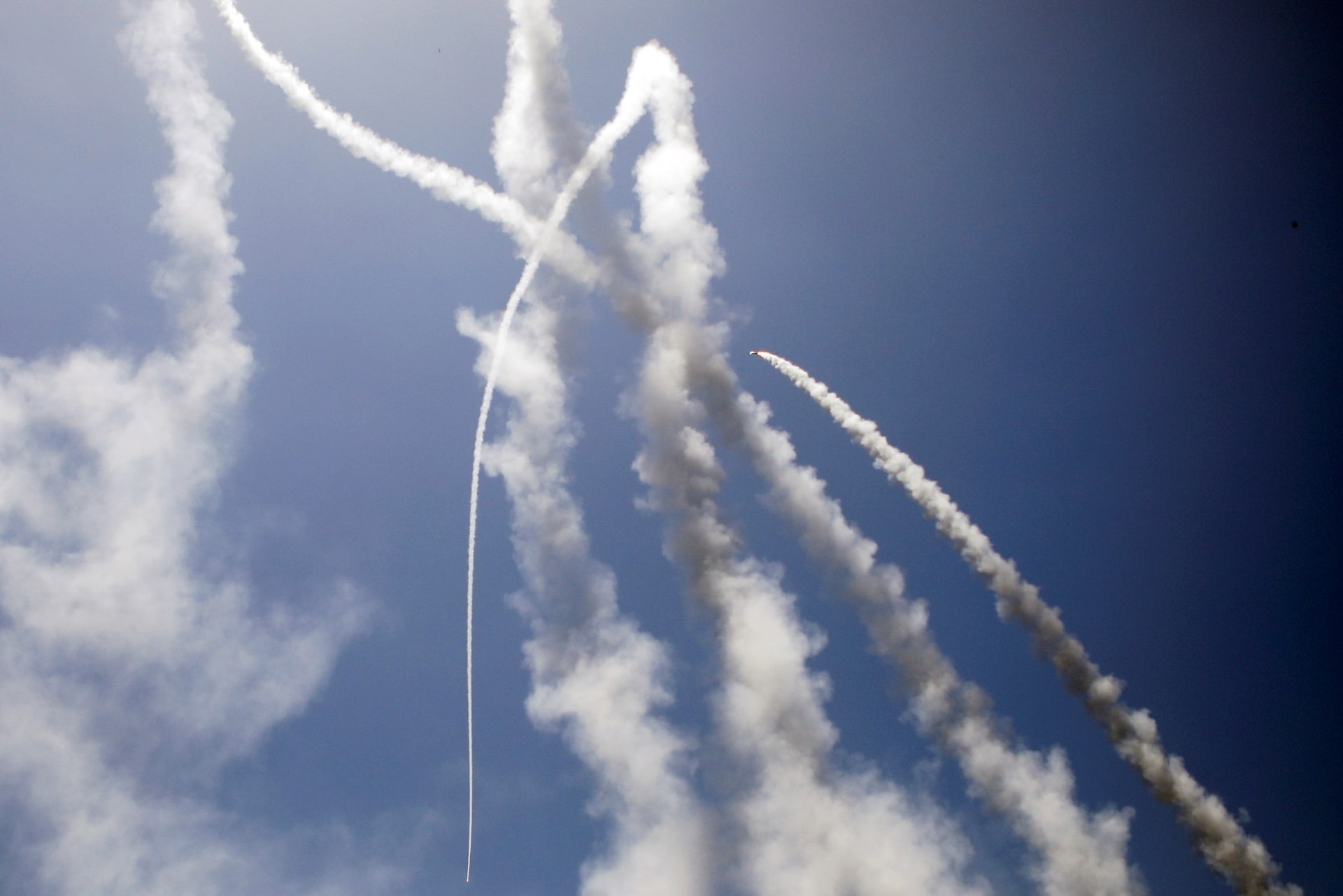 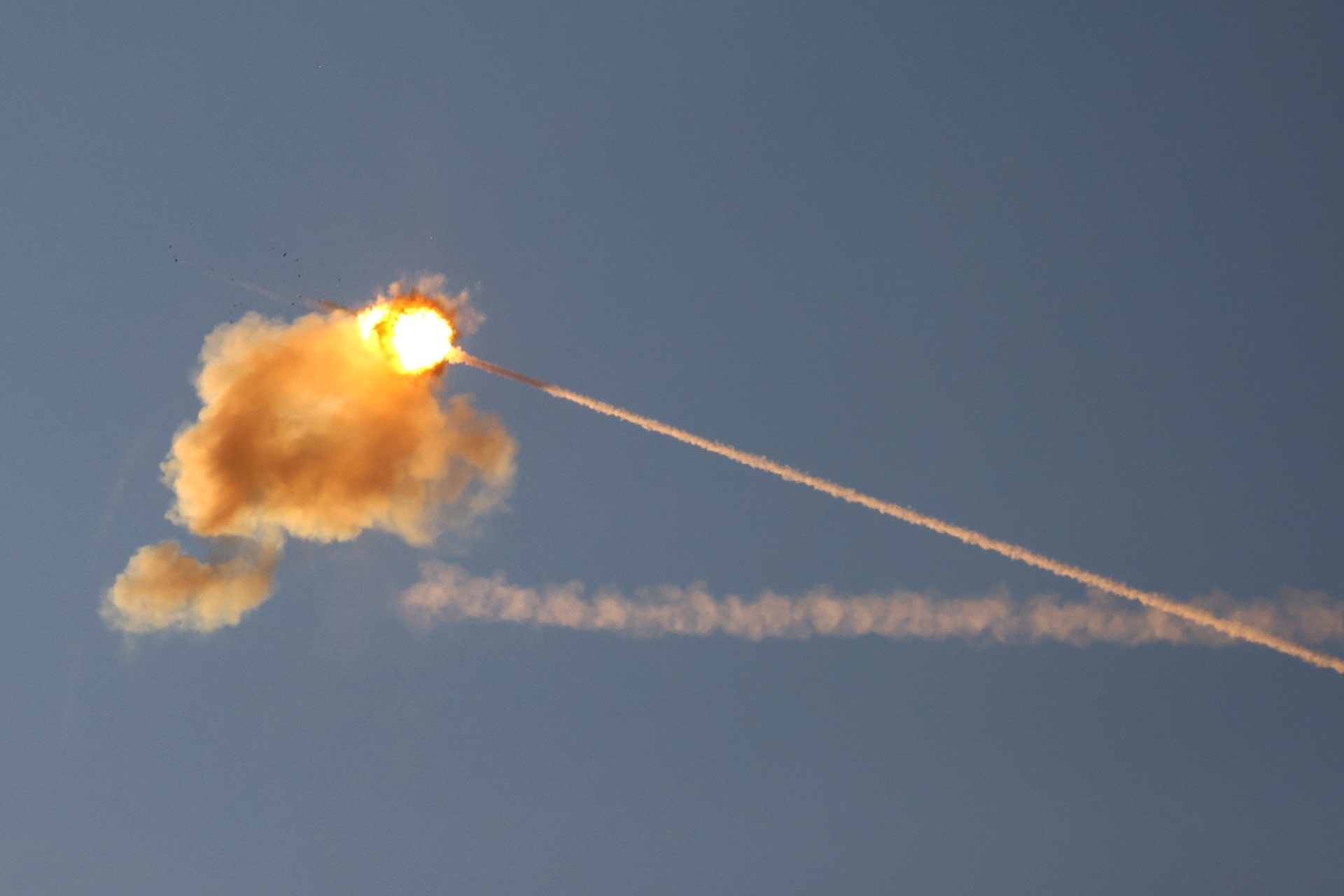 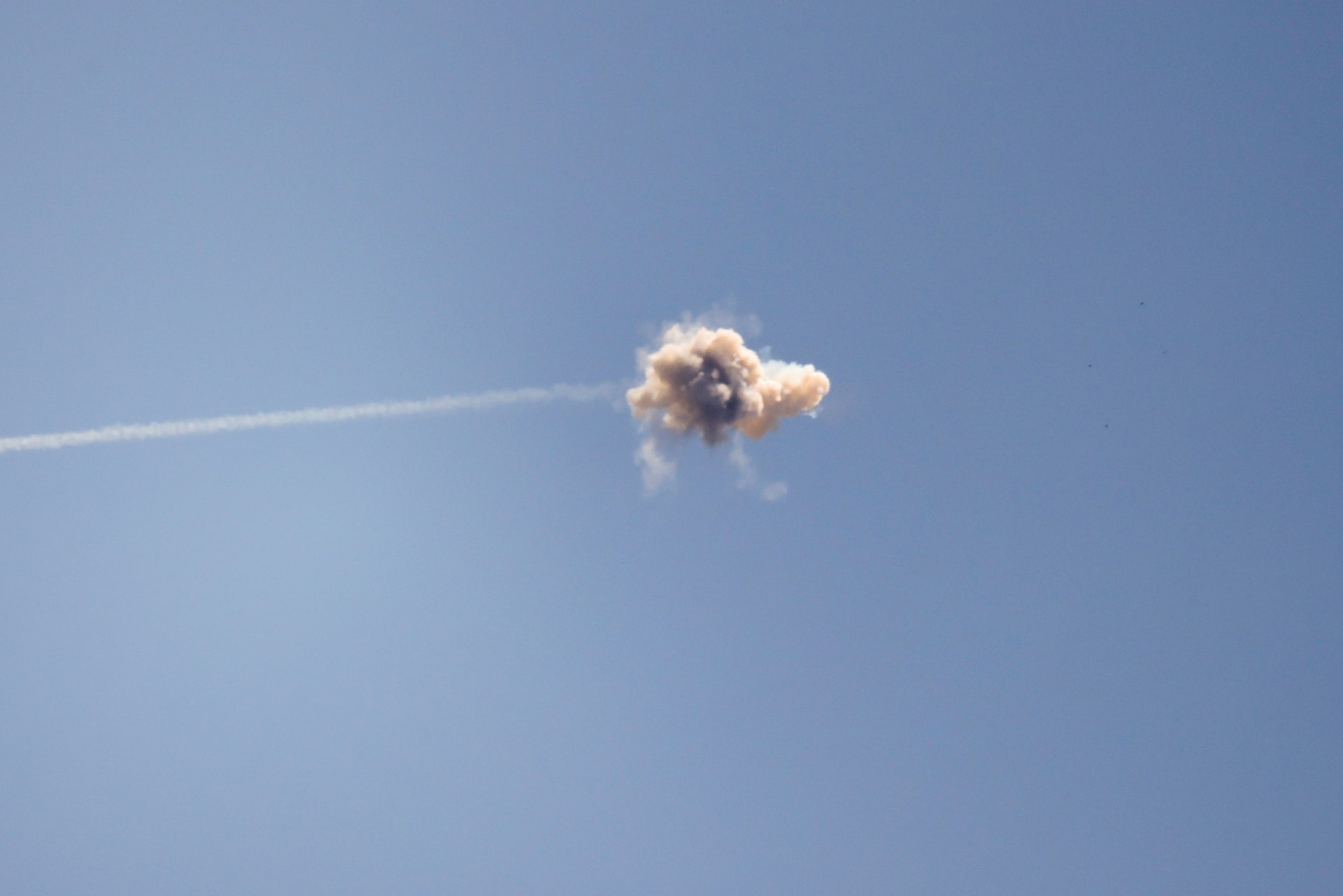 |
Israel's Iron Dome missile defense system fires to intercept the rocket. Photo: Reuters. |
U.S. and Israeli officials often emphasize their close cooperation and the strength of Israel's multi-layered air defense system. However, Pentagon data suggests the balance in reality is somewhat tilted in favor of the U.S.
"The U.S. launched approximately 120 more interceptor missiles than Israel and intercepted twice as many missiles as Israel intercepted," a U.S. official said.
According to U.S. officials who spoke to the Washington Post , the U.S. and Israel had previously agreed on a ballistic missile defense mechanism. Under this agreement, advanced interceptor missiles such as THAAD and missiles launched from U.S. warships would handle the majority of ballistic missile strikes against Israel.
Israel relies on lower-level air defense systems such as the Iron Dome and David's Sling to counter rockets and UAVs launched by Hezbollah and Houthi forces, thereby preserving its sophisticated interceptor missiles.
As a result, the US stockpile of advanced anti-aircraft missiles has been significantly and rapidly depleted, while Israel has managed to maintain the majority of its reserves.
Justin Logan, director of defense and foreign policy studies at the CATO Institute, argues that the realities on the battlefield contradict Trump's "America First" slogan.
“Since President Trump returned to the White House, Israel’s position has been clear: Put our priorities first, and our resources last. What remains unclear is why Trump sees this strategy as consistent with his ‘America First’ policy.”
Logan argues that the Pentagon's revelation in 2025 that the U.S. only has about 25% of the Patriot missile arsenal needed for defense plans should have been a serious warning.
"It's puzzling why this didn't sound the alarm for officials in the Trump administration," Logan added.
Resuming hostilities is not easy.
If the US and Israel resume military action against Iran in the coming days, as President Trump has threatened, the US military may have to use an even higher proportion of interceptor missiles. This is because Israel has recently decommissioned some of its missile defense systems for maintenance.
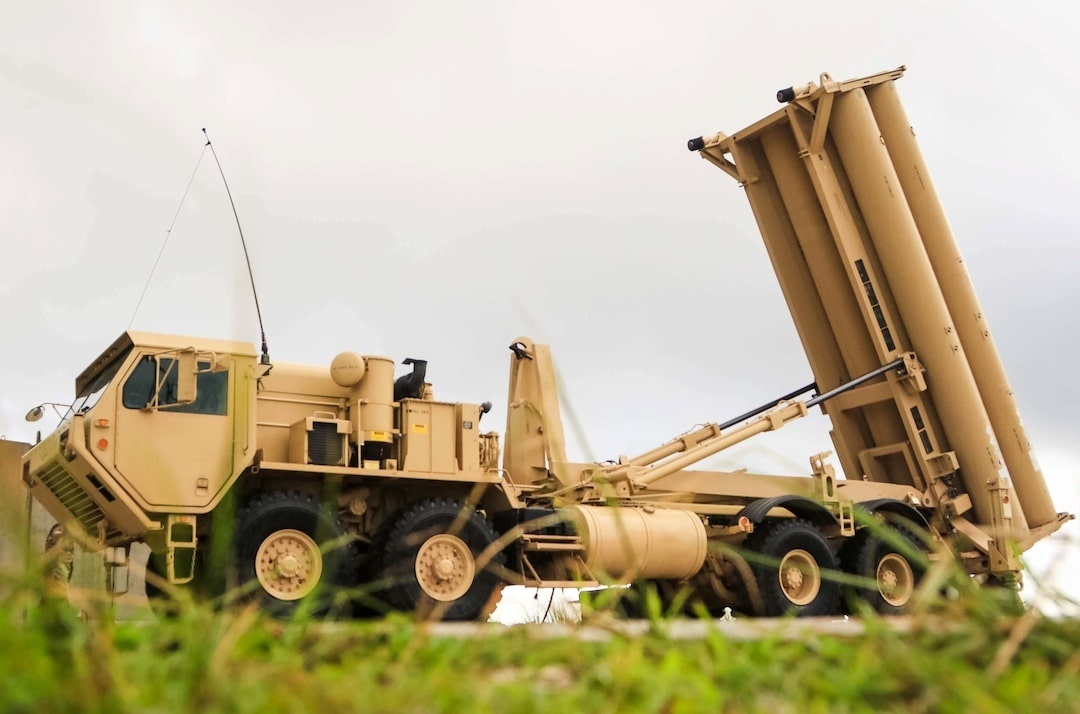 |
According to US officials, Washington has launched more than 200 THAAD interceptor missiles in the Iran conflict, equivalent to about half of the total US stockpile. Photo: Reuters. |
"The imbalance could worsen further if fighting resumes," a U.S. official warned.
In a statement sent to the media, the Pentagon defended the allocation of military resources between the United States and Israel.
Pentagon spokesman Sean Parnell said: “The interceptor missiles are just one part of a multi-layered, integrated air defense network. Both Israel and the United States share the defensive burden fairly in the operation. Both countries are using fighter jets, anti-UAV systems, and many other advanced missile defense and air defense capabilities to maximize effectiveness.”
The Israeli government also defended this approach.
“The military operation in Iran was coordinated by the United States and Israel at the highest and most close level, benefiting both countries and their allies. The United States has no other partner that possesses the same level of combat readiness, military goodwill, shared interests, and capabilities as Israel,” the Israeli Embassy in Washington said in a statement.
Currently, tensions between the two allies are believed to be rising, as the war becomes more difficult than expected.
Although President Trump claimed that Iran's missile arsenal had been "largely destroyed," US intelligence now believes Tehran still possesses approximately 70% of its pre-war missile stockpile.
On May 19, Netanyahu and Trump had what was described as a tense phone call about the next steps in the war, according to US and Middle Eastern officials.
The ongoing pressure from Israel to resume hostilities has displeased some U.S. officials, particularly given that restarting the conflict would put further strain on the Pentagon's ammunition stockpiles.
"Israel is not capable of conducting and winning a war on its own," another U.S. official said.
It remains unclear whether the US ammunition shortage will affect Trump's consideration of resuming military operations.
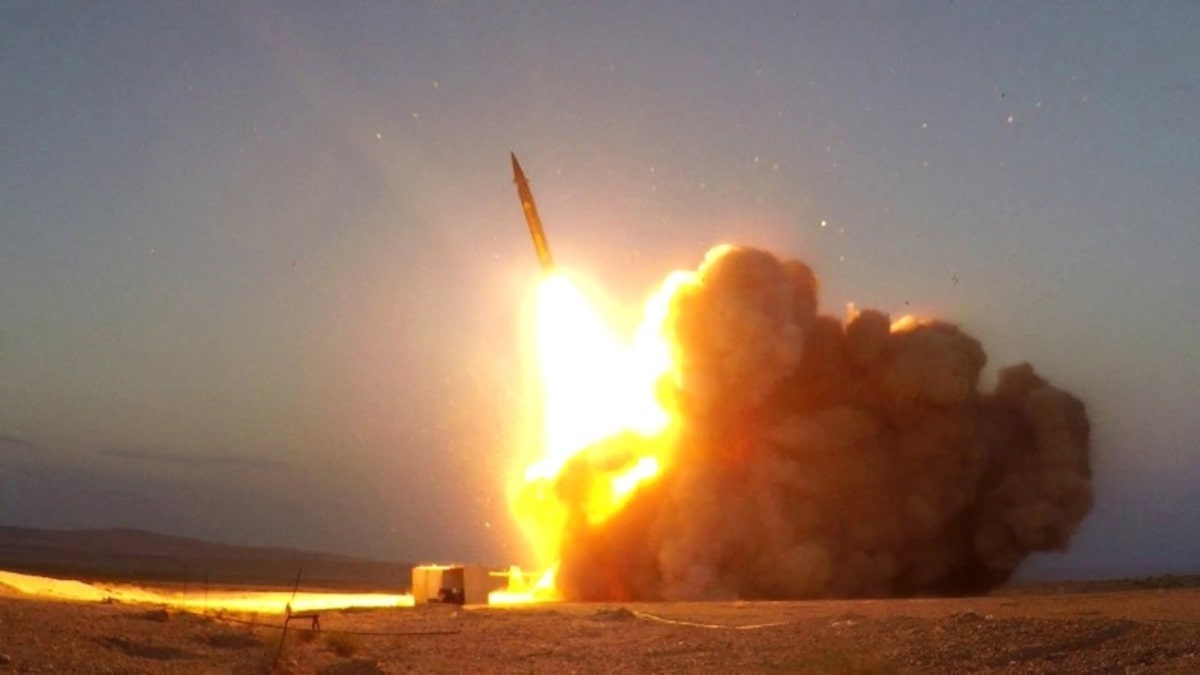 |
US intelligence currently believes Tehran still possesses approximately 70% of its missile stockpile compared to before the outbreak of hostilities. Photo: Reuters . |
Earlier this week, Trump said he had canceled a planned military attack on Iran at the request of America's Arab allies, in order to create more room for negotiations.
"We're in the final stages with Iran. Let's see what happens. Either we'll have a deal, or we'll have to do some unpleasant things," Trump told reporters on May 20.
In preparation for a potential renewed conflict, the U.S. has deployed additional naval forces near Israel to bolster its ally's protection against threats from Iran.
According to U.S. officials, if fighting breaks out again, the level of involvement of Iran's allies in the region will be a crucial factor.
During the preceding period of fighting, Israel was only able to maintain about 50% of the airstrikes it had conducted at the end of March compared to the beginning of the conflict. This was because both aircraft and pilots had been "worn out" after operations against Houthi forces in Yemen and airstrikes against Hezbollah in Lebanon.
Expert Grieco commented: “The decline in the intensity of Israeli sorties is a crucial factor to consider. The Israel Defense Forces have been worn down by the Gaza conflict, along with dealing with Hezbollah in Lebanon. The question now is whether Israeli commanders are accurately assessing their ability to maintain combat intensity.”
Source: https://znews.vn/my-dau-dau-vi-can-kho-ten-lua-danh-chan-post1653308.html




























































































Comment (0)