

The U.S. military is consuming large quantities of advanced weapons and ammunition, including Tomahawk and Patriot missiles and Precision Strike cruise missiles, in operations in the Middle East. However, the ability to replenish this strategic stockpile is facing a major obstacle due to a severe shortage of tungsten – a critically important metal in the defense industry.
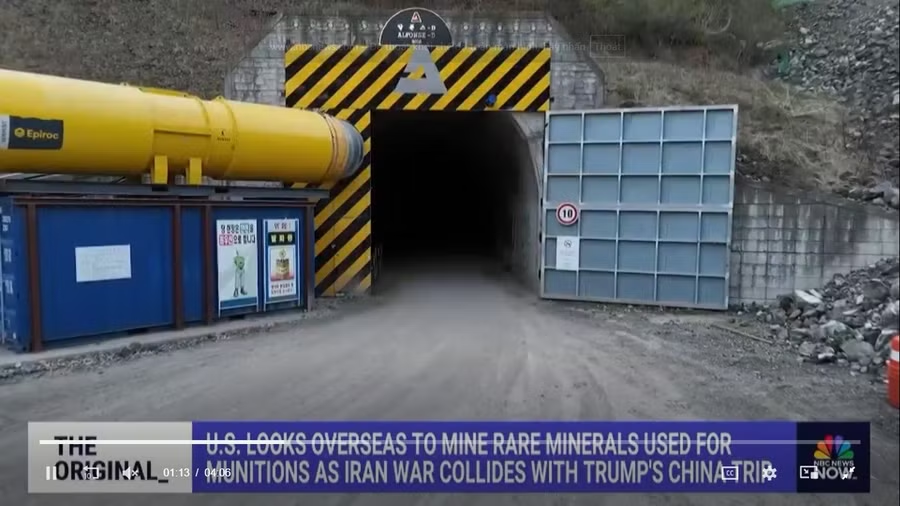
Challenges arising from dependence on external supply sources.
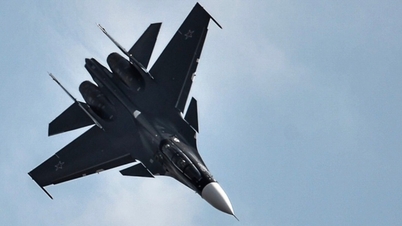
Tungsten is an essential component in the production of missile warheads, bombs, artillery shells, and parts for fighter aircraft due to its extremely high heat resistance and hardness. Despite enormous demand, the United States is no longer able to self-supply this material. The last tungsten mine in the country ceased operations in 2015.
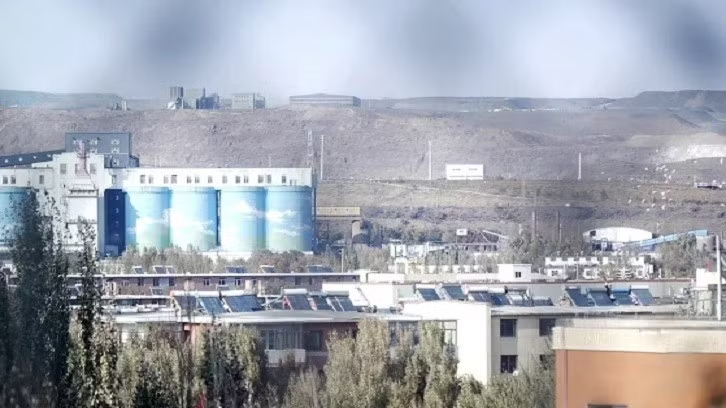
As a result, the US is almost entirely dependent on imports, with China currently holding a monopoly on the production of approximately 80% of the world's total tungsten. This situation creates a significant vulnerability in national security, especially as geopolitical tensions escalate.
Efforts to diversify supply sources and technical barriers
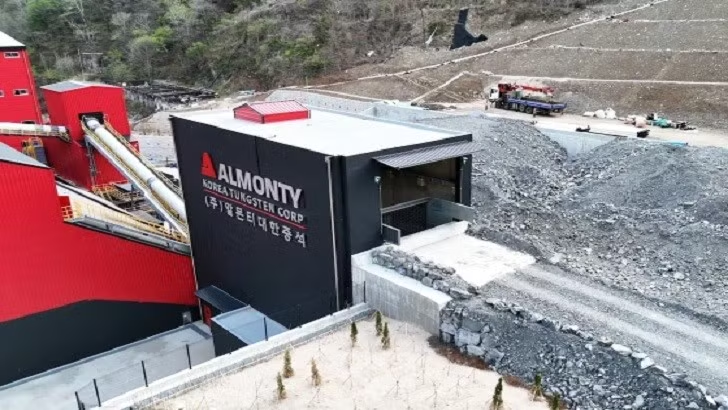
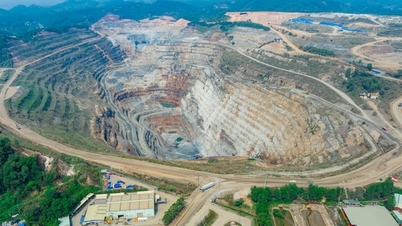
To reduce dependence on China, the administration of US President Donald Trump has promoted the search for alternative sources of supply. One strategic step was supporting the reopening of the Sangdong tungsten mine in South Korea last March, after more than 30 years of closure.
The Sangdong mine is expected to process approximately 1.2 million tons of ore annually. However, rebuilding this industry is no simple task. After decades of disuse, the US not only faces technological failures but also a knowledge gap among experts.
Loss of human resources
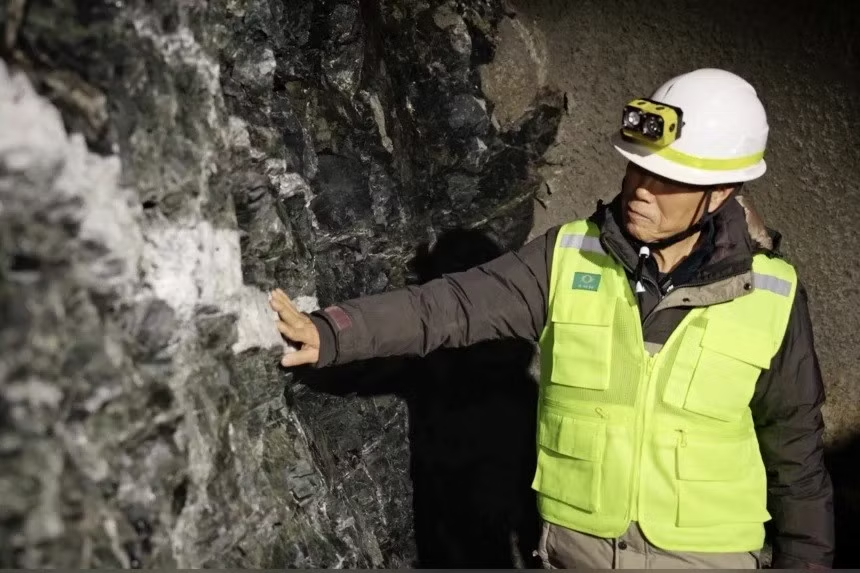
Lewis Black, CEO of mining company Almonty Industries, warns that expertise in tungsten refining and processing has virtually disappeared from the United States since the 1990s. Currently, there are no consultants or up-to-date technical documents to quickly revive the industry.
Forecast of the recovery path
According to defense industry experts, the United States will need a considerable amount of time to rectify the current situation:
- 10 years: The minimum time required for the complete recovery of the domestic tungsten industrial ecosystem.
- Four to five years: The time required to replenish strategic missile stockpiles, even with sufficient fuel supplies.
This situation puts the U.S. in a difficult position if a new large-scale conflict breaks out in the near future, as its ability to produce enough weapons to compensate for the depletion of its weapons supply will not be immediately available.
Source: https://baolamdong.vn/my-doi-mat-rui-ro-can-kiet-ten-lua-do-dut-gay-chuoi-cung-ung-vonfram-444375.html
![[Photo] General Secretary and President To Lam presides over a meeting on preparations for the review of one year of operation of the three-tiered government system.](https://vphoto.vietnam.vn/thumb/1200x675/vietnam/resource/IMAGE/2026/06/02/1780391821195_a1-bnd-4595-9717-jpg.webp)















































































Comment (0)