

In 2024, Vietnam spent $3.04 billion importing various types of corn, an increase of 28.9% in volume and 6.07% in value, but a decrease of 17.7% in price compared to the same period.
Vietnam's imports of various types of corn have increased in both volume and value.
According to preliminary statistics from the General Department of Customs, import In 2024, Vietnam's corn exports of all types reached nearly 12.52 million tons, valued at over 3.04 billion USD, with an average price of 242.94 USD/ton, representing a 28.9% increase in volume, a 6.07% increase in value, but a 17.7% decrease in price compared to 2023.
Specifically, in December 2024 alone, exports reached 1.41 million tons, equivalent to $343.29 million, with an average price of $244.2/ton, a decrease of 4.99% in volume and 2.68% in value, but an increase of 2.43% in price compared to November 2024; compared to December 2023, there was an increase of 3.96% in volume, but a decrease of 1.07% in value and a decrease of 4.84% in price during the same period.
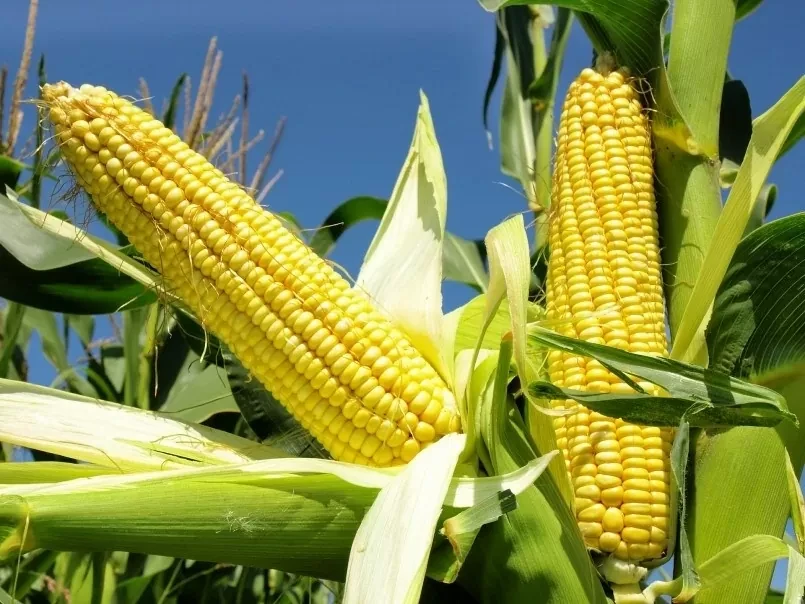
Argentina was the largest supplier of corn to Vietnam in 2024, accounting for 51.1% of the total volume and 50.4% of the total value of corn imports nationwide, reaching 6.4 million tons, equivalent to over US$1.53 billion, an increase in both volume and value compared to 2023, with increases of 98.1% and 60% respectively, but the price decreased by 19.2%; in December 2024 alone, imports reached 569,354 tons, equivalent to US$137.16 million, at a price of US$240.9/ton, an increase of 18.7% in volume, a 21% increase in value compared to November 2024, and a price increase of 1.89%. Compared to December 2023, there was a very strong increase of 598.4% in volume and 596.7% in value, but the price decreased by 0.25% compared to the same period last year.
The second largest market is Brazil's corn imports in 2024 reached 4.9 million tons, equivalent to $1.19 billion, at a price of $242.8 per ton, accounting for over 39% of the country's total corn import volume and value. This represents a 15.7% increase in volume, but a 3.2% decrease in value and a 16.3% decrease in price compared to 2023.
Besides Argentina and Brazil, Vietnam also imports corn from other markets such as Laos, Thailand, India, and Myanmar.
Specifically, corn imports from Laos in 2024 reached 100,744 tons, equivalent to $24.7 million, at a price of $245.2/ton, accounting for over 0.8% of the total volume and value of corn imports nationwide, a decrease of 4% in volume, 28% in value, and 25% in price compared to 2023.
Similarly, imports from Thailand reached 3,905 tons with a value of US$14.698 million, a decrease of 40.8% in volume and 28.03% in value compared to the same period last year.
Notably, corn imports from India decreased sharply by 99.78% in volume and 98.11% in value compared to the same period last year, reaching only 2,619 tons with a value of $6.9 million. Imports from Myanmar reached 2,000 tons, worth $540,000, a sharp decrease of 94.76% in volume and 95.64% in value compared to the same period last year.
Vietnam increases imports of various types of corn.
Corn is an important commodity in the livestock and poultry industry. It typically accounts for 25-40% of the feed ration for livestock and poultry, depending on the animal's growth stage and physiological condition. This commodity is also closely linked to animal husbandry; countries with higher corn production tend to have more developed animal husbandry industries.
Vietnam is one of the top 30 corn-producing countries in the world , but it is also among the world's largest corn importers, ranking behind China, Europe, Mexico, Japan, South Korea, and Egypt.
Vietnam's increased corn imports aim to meet the high demand of the domestic livestock industry, especially for animal feed production, while domestic corn production is insufficient to meet this demand.
In addition, climate change and adverse weather conditions negatively impact domestic corn production and quality, increasing the need for imports to compensate.
World corn prices are expected to continue to fall as the market is pressured by US President Donald Trump's threat of tariffs on major trading partners, alongside the prospect of a bumper crop in South America.
Source



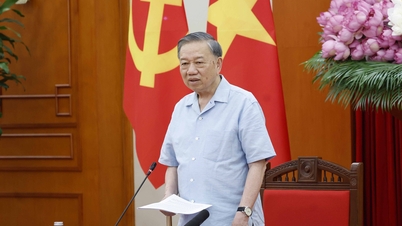
![[Photo] General Secretary and President To Lam presides over a meeting on preparations for the review of one year of operation of the three-tiered government system.](https://vphoto.vietnam.vn/thumb/1200x675/vietnam/resource/IMAGE/2026/06/02/1780391821195_a1-bnd-4595-9717-jpg.webp)
















































































Comment (0)