

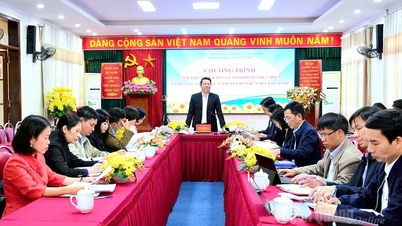
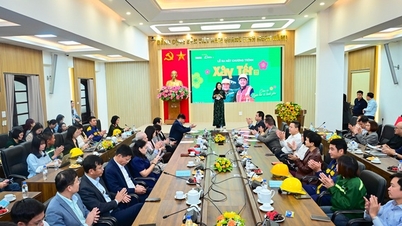
The program attracted the participation of a large number of officials and employees from agencies and units under the Ministry of Culture, Sports and Tourism.
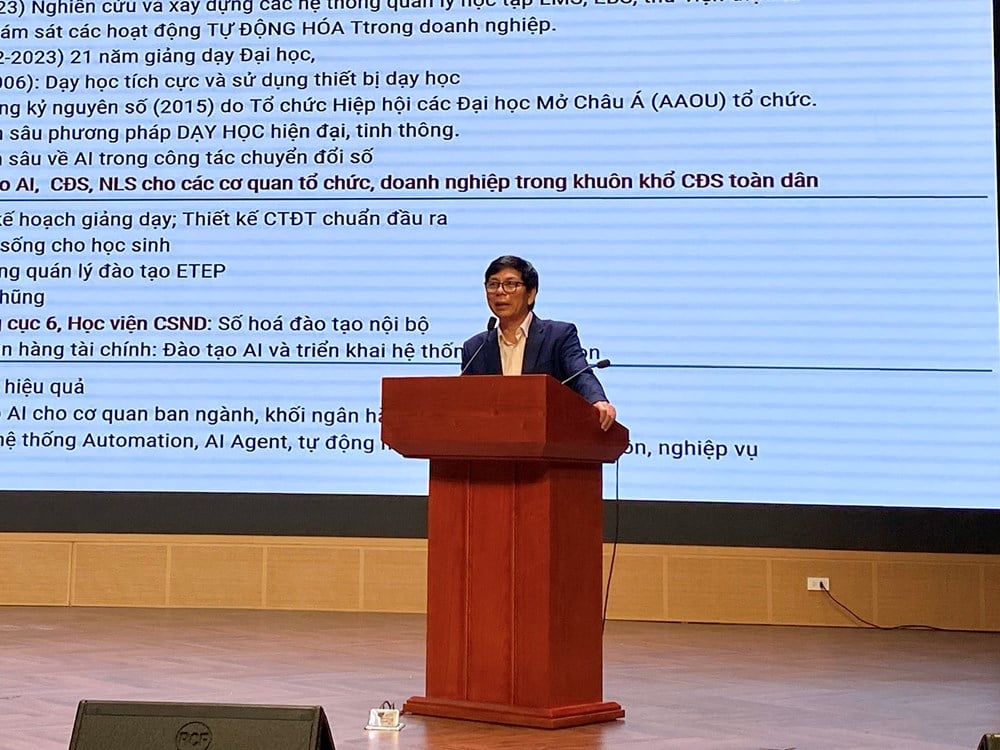
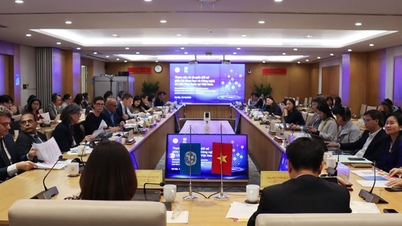
The training program was organized to create a forum for exchanging and updating new thinking on innovating scientific research activities based on artificial intelligence (AI) and digital technology.
Through this, participants gain a clearer understanding of the opportunities and challenges posed by the current rapid digital transformation, and propose solutions and key tasks to enhance the capacity of management and scientific research staff, especially in the fields of data, AI, and digital governance in the coming period.
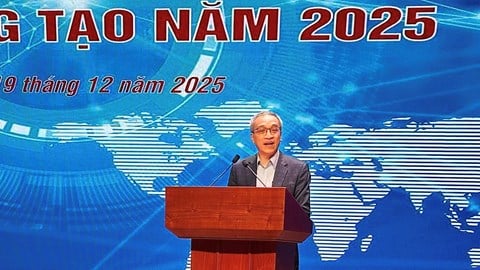
Science, technology, and innovation drive the development of the culture, sports, and tourism sector.
Within the framework of the program, the Organizing Committee introduced a streamlined 8-step scientific research process along with several digital tools to support research, from idea generation, literature review, and topic design to data analysis and report completion.
The training content emphasized the overarching message: AI does not replace researchers, but rather serves as a powerful tool to enhance professional capabilities, optimize processes, and shorten task processing time , thereby freeing up resources for creative thinking and strategic tasks.
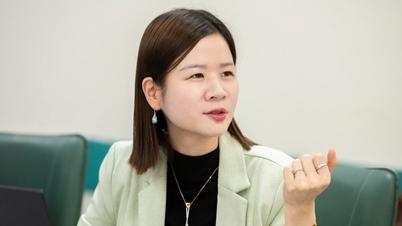
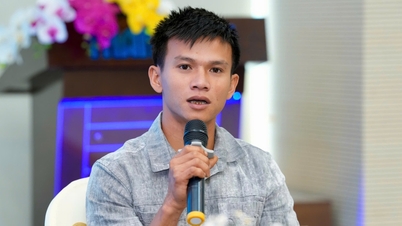
At the program, Mr. Ngo Duc, Deputy Director of the VTC Institute of Education and Training, shared a presentation on "Innovating methods and applying AI in scientific research," offering many practical perspectives.
According to Mr. Ngo Duc, there is no longer a "suitable time" to learn about AI, because the best time is right now . He stated that by 2030, approximately 800 million jobs globally could be replaced by automation, while around 890 million new jobs will be created.
This shows that AI not only poses challenges but also opens up great opportunities for those who are willing to adapt and learn.
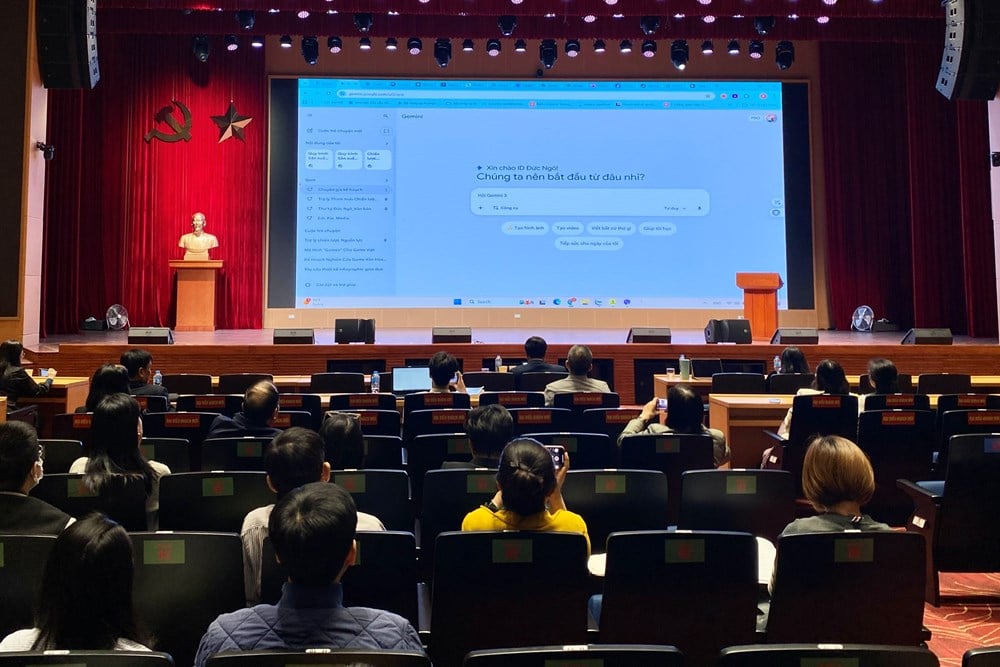
In the field of scientific research, Mr. Ngo Duc emphasized that the role of humans remains central, especially in critical thinking, research ethics, and the ability to formulate problems. AI will only truly be effective when used correctly.
According to him, to "ask well" and work effectively with AI, three key factors need to be emphasized.
First, it's crucial to understand the capabilities and limitations of AI , knowing where it can provide support, and avoiding leaving core academic decisions solely to the system.
Secondly, describe the task clearly and specifically. Avoid vague requests that may lead to inaccurate results.
Third, provide sufficient context and necessary information , including objectives, deadlines, and related requirements, so that the AI can deliver results that closely match real-world needs.
The presentations at the program not only equipped research staff with new knowledge and skills but also contributed to building an innovative mindset and proactively adapting to AI and digital technology.
This is also a key factor in improving the quality of scientific research in the field of culture, sports, and tourism in the future.
Source: https://baovanhoa.vn/nhip-song-so/nang-cao-chat-luong-nghien-khoa-hoc-cung-ung-dung-ai-190153.html


![[Photo] Prime Minister Pham Minh Chinh attends the Conference on the Implementation of Tasks for 2026 of the Industry and Trade Sector](/_next/image?url=https%3A%2F%2Fvphoto.vietnam.vn%2Fthumb%2F1200x675%2Fvietnam%2Fresource%2FIMAGE%2F2025%2F12%2F19%2F1766159500458_ndo_br_shared31-jpg.webp&w=3840&q=75)



















































































Comment (0)