

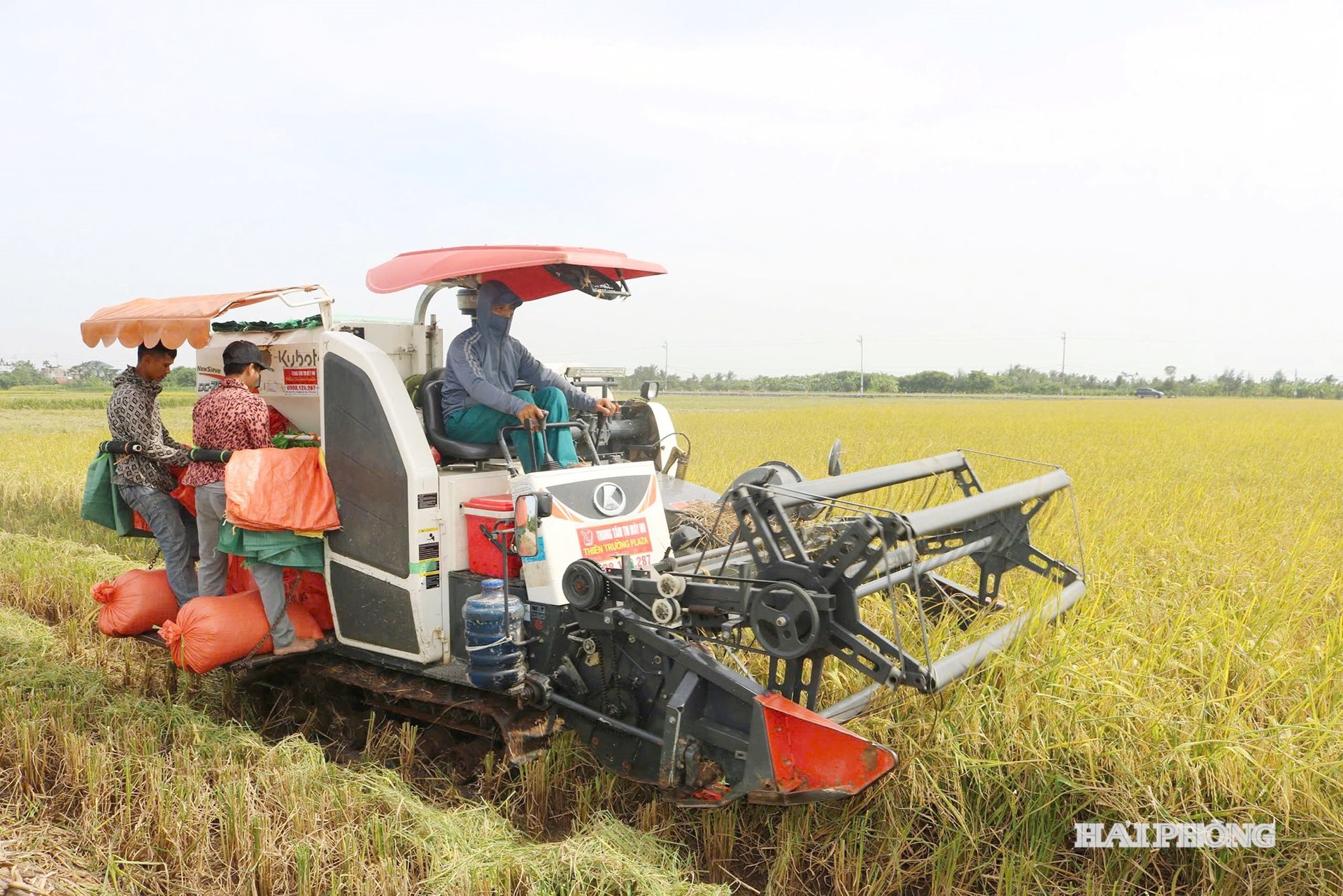
Changing the concept of production
There was a time when, in the rice paddies inhabited by earthworms, people mainly relied on the earthworm harvest because it brought high economic value. According to many farmers, at one point, earthworms were sold for 350,000 - 400,000 VND/kg at the beginning of the season, so people didn't focus too much on rice production, mainly cultivating them for animal feed. Many people believed that it was very difficult to cultivate rice effectively in low-lying areas where earthworms were raised.
However, in recent years, many high-quality rice varieties such as ST24, ST25, Ngoc 9, herbal rice, purple rice, Hana, etc., have been introduced into production on the rice paddies. Mr. Pham Xuan Sau from Xuan Ky village, Chi Minh commune, said that people in the rice paddies now prioritize planting the ST25 variety because of its delicious rice quality, which is good for family consumption, and the surplus is always bought by people in the area at a high price. Many households with large areas have had businesses come to their farms to buy their rice as soon as they finished harvesting.
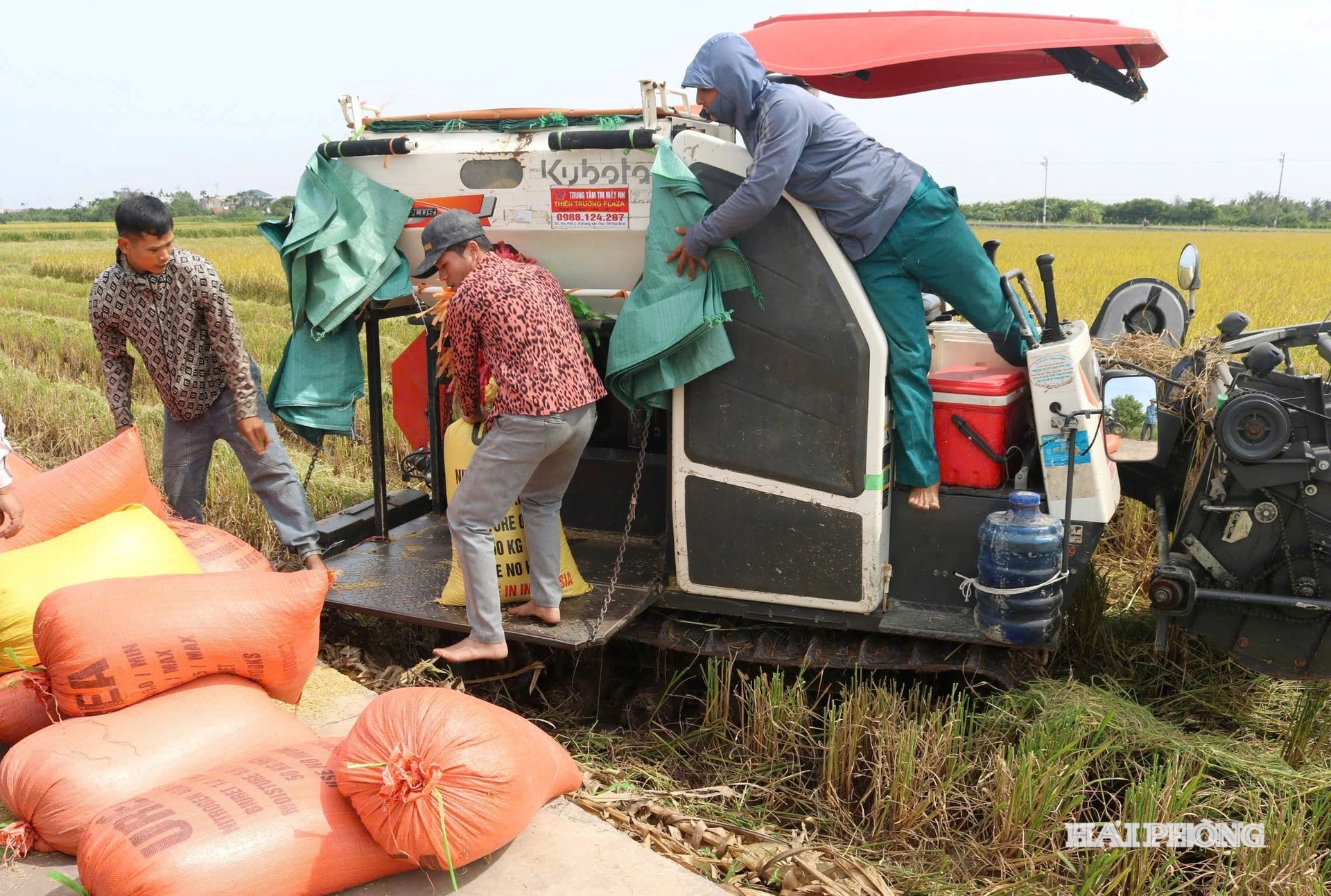
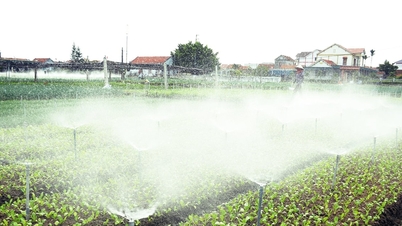
In Nghi Duong commune, farmers have also successfully developed the specialty rice from rice paddies raised in the Kien Quoc area, using the ST24 and ST25 varieties. According to local people, changing production practices is not easy because the estuary area has high salinity, making it more suitable for raising earthworms than for growing rice. When cultivating high-quality rice varieties like ST24 and ST25, the yield only reaches just over 1 quintal per sao (approximately 100 kg per 1000 square meters), much lower than many common rice varieties. However, thanks to support and promotion from relevant agencies, local authorities, and businesses, people have gradually achieved success in production. Rice from rice paddies raised in the Kien Quoc area has gradually become a popular brand in the market, bringing high income to farmers.
Cooperation for efficient production
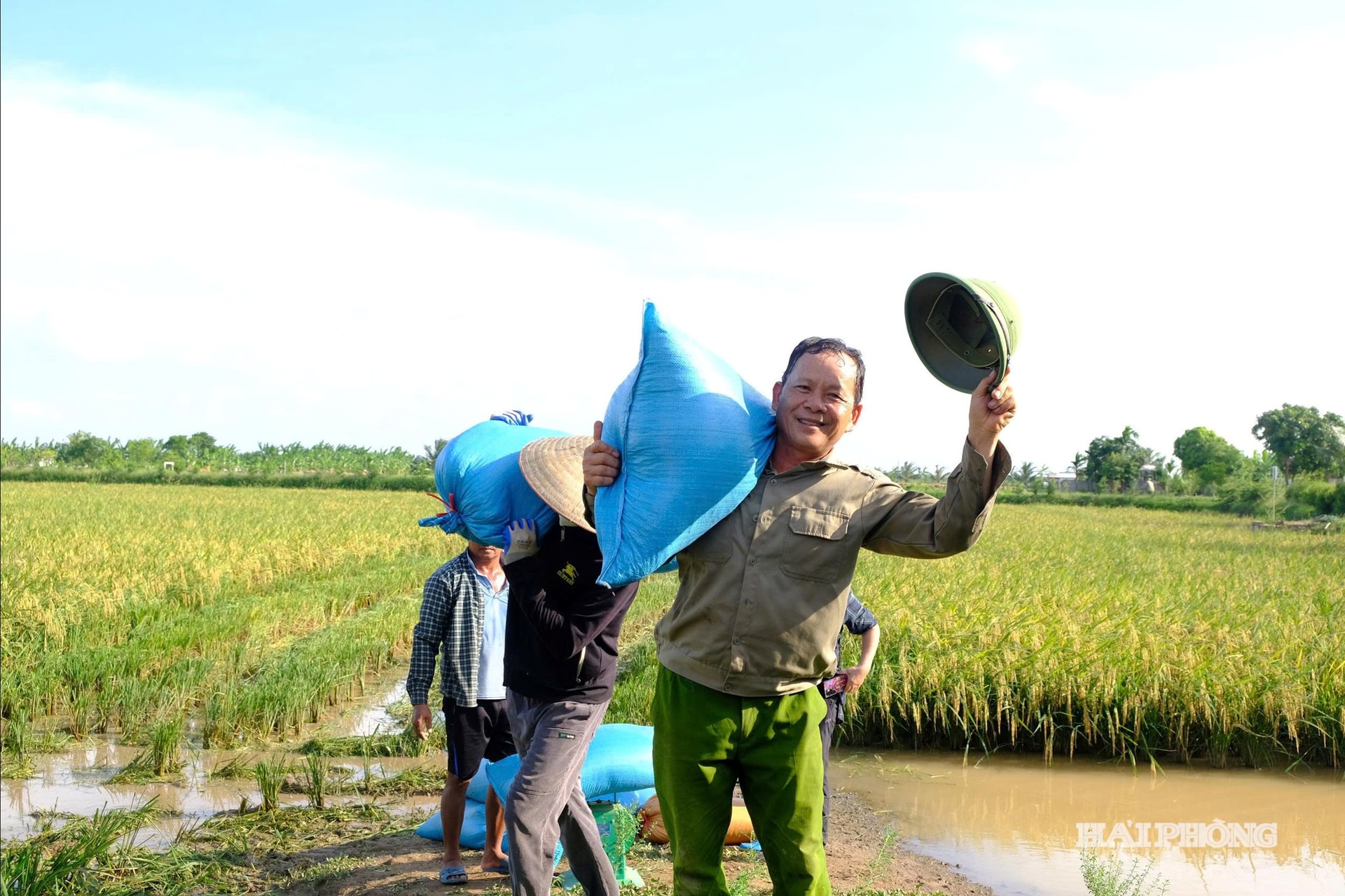
To introduce high-quality rice varieties into rice paddies and change the farming practices of the people, in addition to the efforts of the farmers, there is also the support of businesses, cooperatives, specialized agencies, and scientists .
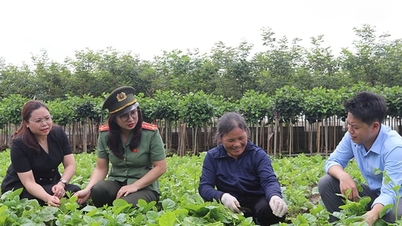
Ms. Le Thi Duc, Head of the Information and Training Department of the Hai Phong Forest Management and Agricultural Extension Board, said that initially, agricultural extension officers actively disseminated information, organized training courses and field workshops, built models, and guided farmers in accessing high-quality rice production in fields infested with earthworms. Based on the evaluation of practical effectiveness, the models were replicated to encourage more households to participate.
Some businesses and cooperatives are also proactively linking production and guaranteeing the purchase of products from farmers. Nguyen Thi Ha, Director of Thuy Huong Agricultural Cooperative, said that the Ngoc 9 rice variety has a rice quality similar to ST25 but is more suitable for the climate of Northern Vietnam, thus maintaining good quality and being easier to cultivate. During implementation, the cooperative regularly collaborates with scientists from the Vietnam Academy of Agriculture to provide technical support and transfer technology to farmers.
According to Tran Van Trung, Director of Hai Au Viet Investment and Trading Joint Stock Company, the company wishes to collaborate with farmers to develop the Hai Phong rice brand, contributing to increasing people's income. The company is ready to support training in clean, safe, and organic production skills to aim for export. In addition to the ST25 variety, the company is also cooperating with scientists from Hai Phong University to research and produce the VH1 and DT128 varieties.
Nguyen Van Tuan, Director of New Generation Agriculture Joint Stock Company, prioritizes partnerships with farmers in Chi Minh commune to expand rice cultivation using the "rươi" (a type of worm) method. The company provides seeds, technical support, and guarantees the purchase of all products through a "order-based" system. Annually, the company also collaborates in organizing a "rươi" rice festival to promote the local product.
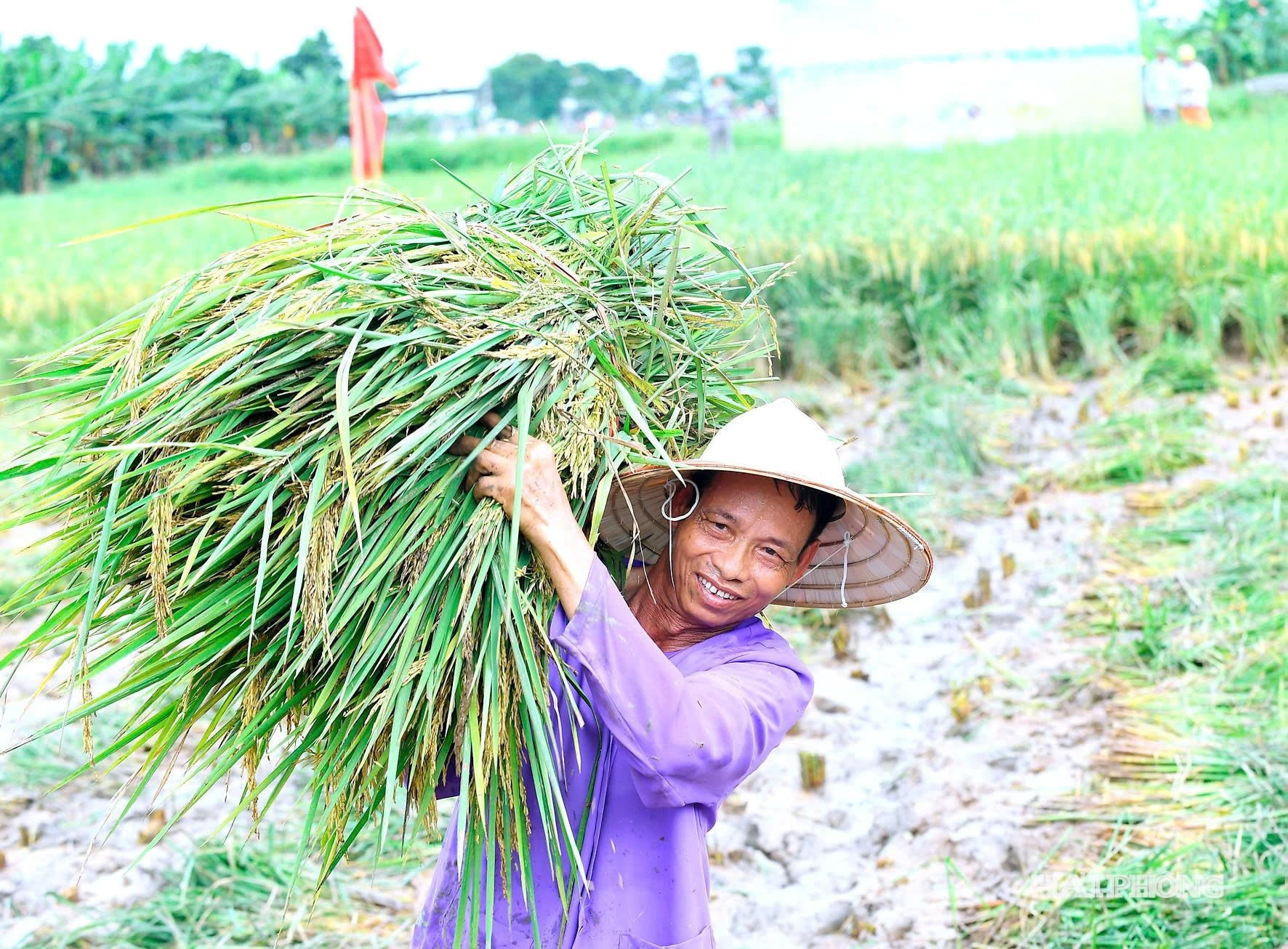
Currently, while the price of mudworms is trending downwards, the price of rice from mudworm-farmed rice fields is rising, becoming an important source of income that helps people confidently maintain the mudworm-farmed rice farming model in a sustainable manner.
HUONG ANSource: https://baohaiphong.vn/nang-gia-tri-dong-ruong-ruoi-bang-san-xuat-lua-dac-san-543223.html
![[Image] Hanoi's urban life under the challenge of a "scorching hot" environment](https://vphoto.vietnam.vn/thumb/1200x675/vietnam/resource/IMAGE/2026/05/25/1779706979265_nang-nong-t5-2026-minh-duy-7-4636-jpg.webp)
![[Image] Close-up view of the interchange connecting the two expressways and Long Thanh Airport.](https://vphoto.vietnam.vn/thumb/1200x675/vietnam/resource/IMAGE/2026/05/25/1779703378210_ndo_br_z7863716673926-224453a31600126cce10622af6290afd-4549-jpg.webp)








































































Comment (0)