

 |
Tourists wearing Hanfu (traditional Chinese clothing) at a tourist spot in China. Photo: Jeffry Surianto/Pexels . |
Data released by China's Ministry of Culture and Tourism on May 7th showed that during the five-day International Labor Day holiday (May 1-5), the country recorded approximately 325 million domestic tourist arrivals, a 3.6% increase compared to the same period last year. Total domestic tourism spending reached 185.49 billion yuan ( US$27.27 billion ), a 2.9% increase.
However, based on official figures, the average spending per trip has decreased to 571 yuan, lower than the 574.1 yuan of the 2025 holiday.
Compared to pre-pandemic levels, spending has yet to recover. During the May Day holiday in 2019, Chinese tourists spent an average of 603.4 yuan per trip.
Reuters notes that spending during extended holidays is one of the key indicators reflecting consumer confidence in China. The country's economy is under pressure from a prolonged real estate crisis and deflation in recent years.
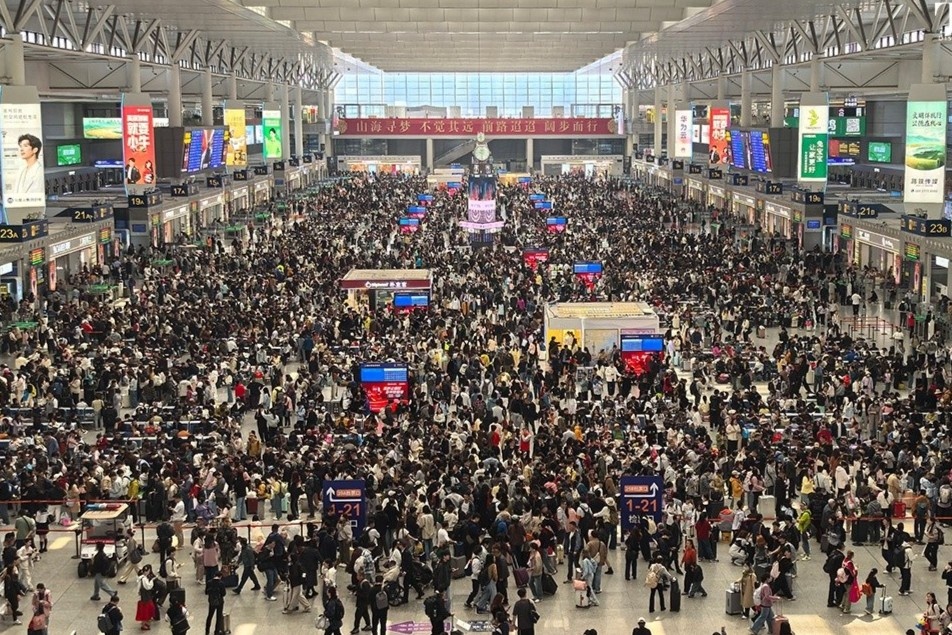 |
Tourists crowded Shanghai's Hongqiao train station, one of the city's busiest transportation hubs, during the recent May Day holiday. Photo: Global Times. |
Against this backdrop, the trend of consumers tightening their belts continues to put pressure on purchasing power. Retail sales – an indicator reflecting consumer spending – increased by only 1.7% in March, lower than the 2.8% of the first two months of the year and below analysts' forecasts.
Ben Cavender, managing director of China Market Research Group in Shanghai, said that overall travel demand remains strong, as evidenced by rising trip volumes, hotel bookings, and dining expenses.
"However, consumers now place a high value on the factor when spending money," he said.
Major tourist attractions and cultural sites across China are crowded with visitors. According to a report on travel trends for the 2026 Labor Day holiday, released by Alibaba's travel platform Fliggy and social media platform Xiaohongshu, an increasing number of Chinese travelers are choosing destinations based on personal preferences such as cuisine , photography, or unique experiences.
Data from Xiaohongshu shows that 69% of users choose travel destinations based on personal preferences, while experiential travel products on Fliggy are growing faster than the platform-wide average.
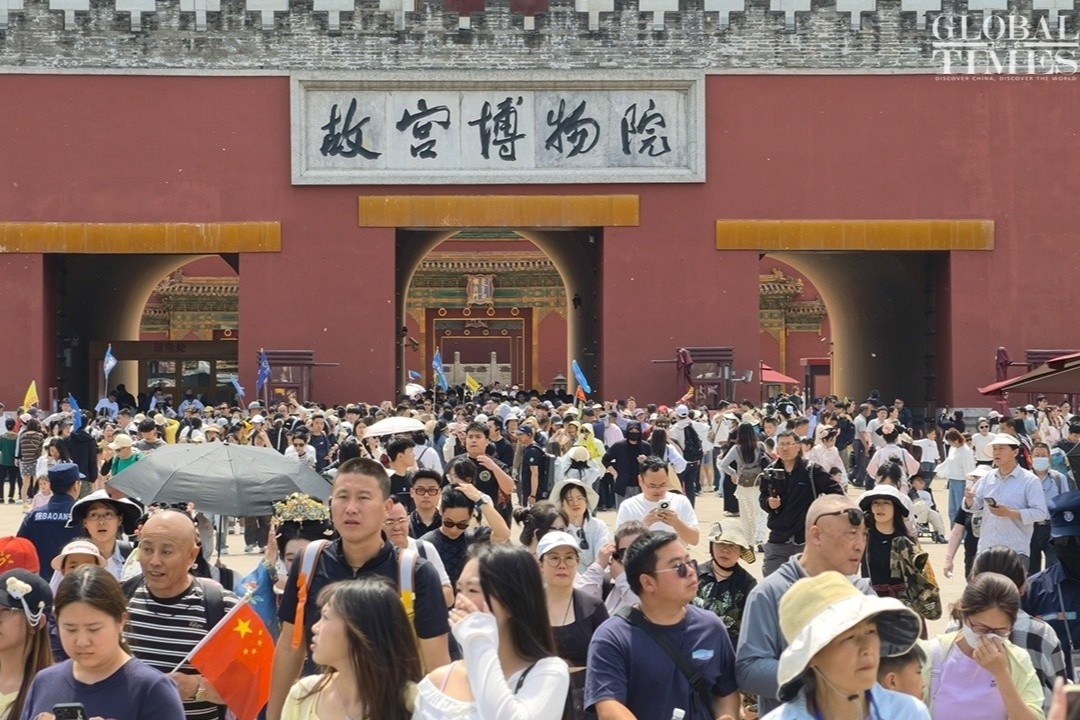 |
The Forbidden City, now the Palace Museum in Beijing, witnessed a surge in visitors on the first day of the holiday. Photo: Global Times. |
H World Group, which operates more than 12,700 hotels in China last year, reported a surge in holiday accommodation demand, with total room nights increasing by 13.6% year-on-year. However, the film market – another indicator of consumer spending – saw relatively modest growth.
According to the China Film Administration, box office revenue during the May Day holiday reached 758 million yuan with 20.8 million viewers, representing increases of 1.41% and 10.23% respectively compared to last year. The average movie ticket price decreased by 8%, to 36.3 yuan per ticket.
Beyond tourism, the Chinese real estate market also showed signs of localized recovery during the holiday period. According to the China Index Academy, the area of new residential transactions in 26 cities reached approximately 518,000 square meters during the May Day holiday, a 12.5% increase compared to the same period last year.
In late April, cities like Guangzhou, Shenzhen, and Wuhan launched various stimulus measures such as easing restrictions on home purchases and providing home purchase subsidies, boosting the real estate market during the holiday period.
Source: https://znews.vn/nghich-ly-khach-trung-quoc-post1650180.html












































































Comment (0)