

1. “Tell the people in the upstream region: Send down young jackfruit, send up flying fish.” This folk verse is deeply ingrained in the hearts of the people of Central Vietnam, where the term “nậu nguồn” (mountainous region) has existed since the early days of the formation of the Dang Trong region. “Nậu,” “phường,” and “man” were initially smaller administrative units than villages. Later, the word “nậu” was combined by laborers to refer to groups of people with the same occupation: “nậu nguồn” refers to a group exploiting forest products; “nậu rớ” (fishing with nets); “nậu nại” (salt making); “nậu rỗi” (fish trading),… The above folk verse is a message from people in the lowlands to people in the highlands, conveyed through the exchange of goods, but at its core, it represents human kindness and gratitude…
The folk sayings about "young jackfruit" and "flying fish" have existed since around the late 18th century. They are even more meaningful now, as the coastal provinces of Central Vietnam and the Central Highlands have been merged to form new provinces. Mountains are increasingly connected to mountains, rivers to rivers. Administrative boundaries, which were once only relative, now seem to have no "boundaries" at all in this natural landscape.
2. "Tell the people in the upstream region," sometimes pronounced "friends in the upstream region," a phrase formed later. In the second sentence, is it "young jackfruit" or "bamboo shoots" (sent down)? Some argue that "bamboo shoots" is more appropriate because this product is only found in mountainous areas, while "young jackfruit" is available everywhere. That's also true. But I think it should be "young jackfruit sent down," because only in the highlands are there many young jackfruits available for consumption; in the lowlands, probably few households would dare to use them. They would wait until the jackfruit ripens before bringing it down for each person to enjoy a few segments, and they'd be gone in a flash.
Young jackfruit and flying fish, combined with spices and the skillful hands of the cook, create a uniquely delicious soup or stew. In Central Vietnam, during the first weeks of summer, when the mountains are bathed in sunshine and wind, the jackfruit trees are in full bloom, and flying fish are abundant in the lowlands. This is when the familiar, rustic dish of young jackfruit and flying fish becomes commonplace. It evokes fond memories, imbued with the love of the two regions. It has entered folk songs, becoming part of folk culture and knowledge: "Young jackfruit cooked with flying fish / Husband and wife share, praising its deliciousness."
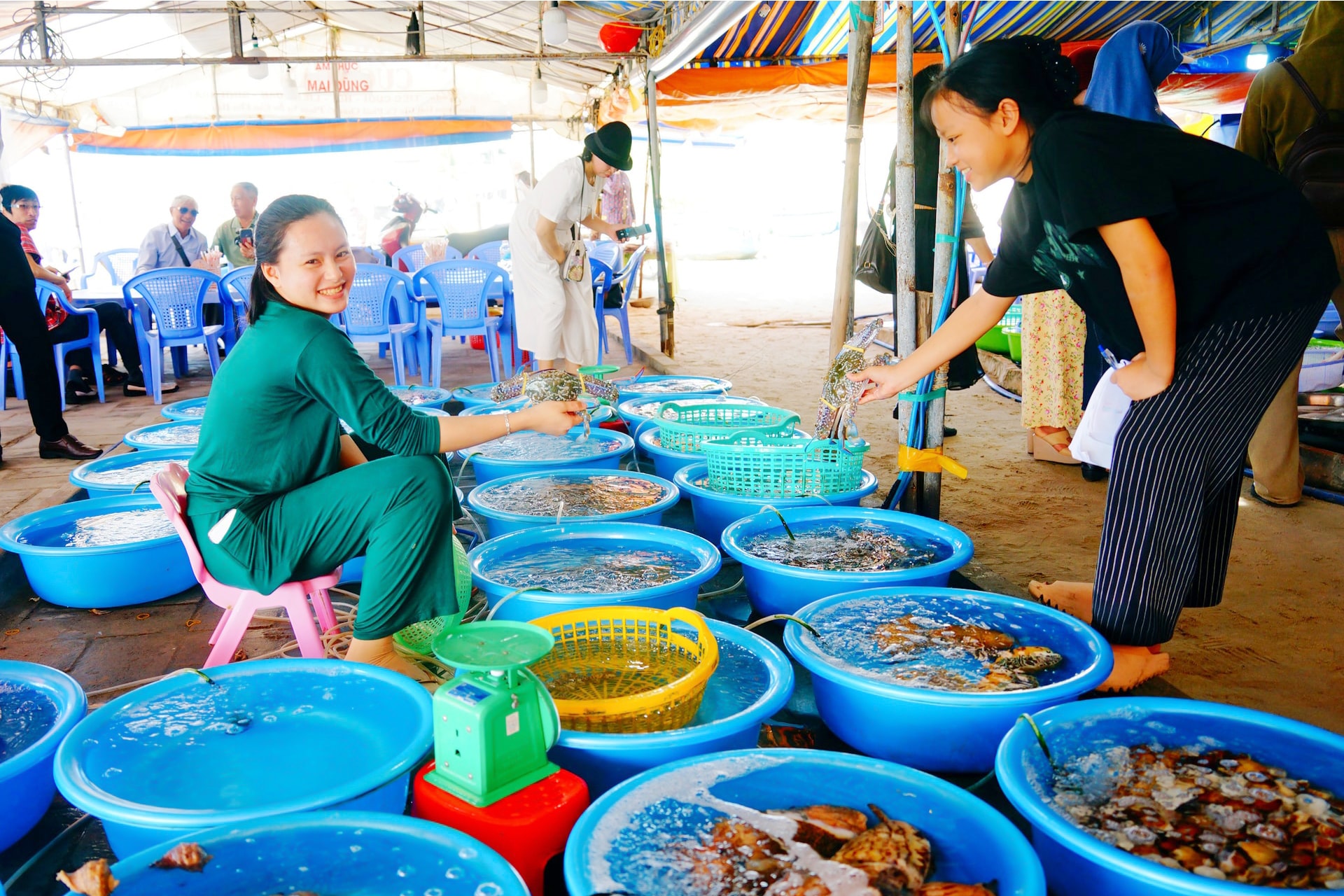
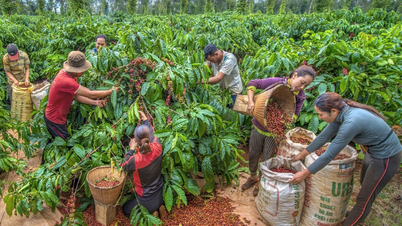
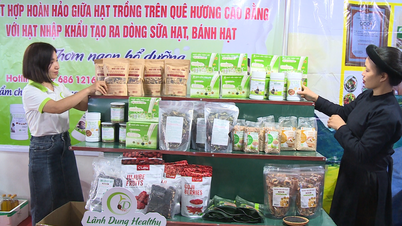
3. "Young jackfruit" and "flying fish" are not just special dishes; more than that, they symbolize the bond of affection between the people of the mountainous and coastal regions. It's a harmonious blend of two lands, climates, and the soul of the land, a story of love and fidelity. Listening to the story of "young jackfruit" and "flying fish," we can now enjoy thinking about the combination of products from the highlands and the seas. Coffee, pepper, cocoa, macadamia nuts, durian, jackfruit, avocado, passion fruit, artichoke, vegetables, roots, bamboo shoots, forest mushrooms… and shrimp, squid, crab, shellfish, various fish, dragon fruit… These flows of goods carry not only economic value but also the flavors, customs, and spirit of each beloved land. Today's meal is full of nutrients, sweetness, and the aroma bestowed by the forest and the sea. A hot pot dish embodies the essence and harmonious blend of unique, delightful, and poetic elements. In it, diners experience the fresh, rich flavor of seafood, the salty taste of the ocean, intertwined with the diverse flavors of sweet, spicy, bitter, and astringent, along with the tender vegetables and roots of the forest. Yin and Yang are in harmony, hot and cold are balanced. Each dish tells a story of the journey of land, water, and the people of the forest and the sea. This culinary culmination is truly natural, reflecting the rhythm of life for the inhabitants of these two regions, defining a modern yet refined and pure culinary style. Deep within their consciousness, today's meal contains the murmuring breath of the ocean, the sparkling mist of the hills, the invigorating winds of the mountains, the blazing sun over the vast white sands, and the gentle coolness under the verdant sky… Diligence, perseverance, and calm tolerance are the virtues that create this simple yet enduring identity. Each product carries the memory of the land, the climate, and the people.
4. The Central Highlands and coastal region are expanding, and the country is opening up new "arteries." These "arteries" not only facilitate the flow of goods but also transmit and blend culture, memories, and rich identities. From the forest to the sea, from the sea to the highlands, this picturesque trade between mountains and rivers creates a rich, multifaceted picture in the unified landscape of highlands and lowlands, forests and seas. From individual echoes, these are now becoming a multi-layered symphony, gradually creating a space for inter-regional development where the economy goes hand in hand with culture, and products are intrinsically linked to the very essence of the people.
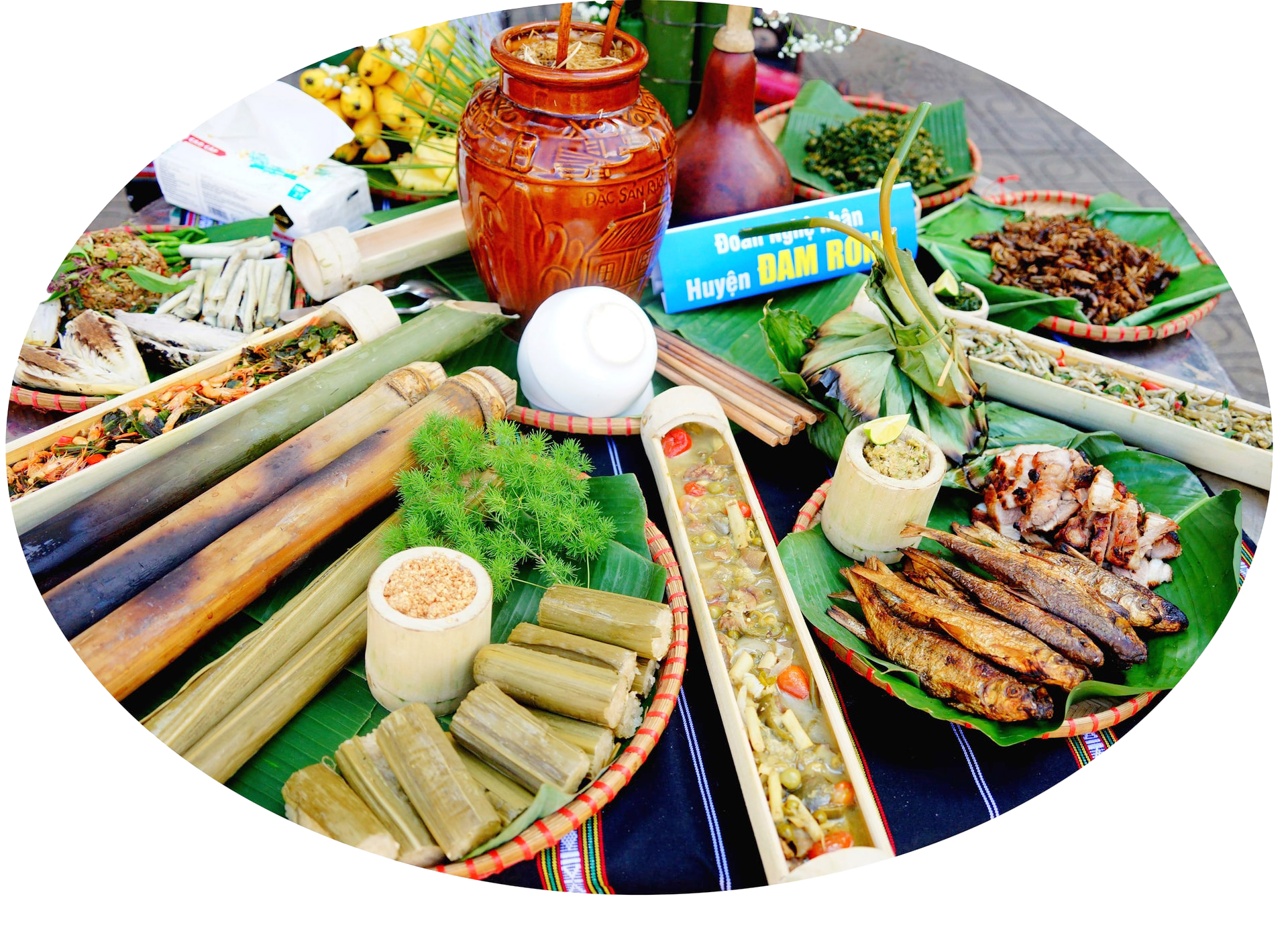
Along with goods, culinary culture and lifestyles integrate and spread, enriching, supplementing, and supporting each other, blurring the lines between isolated ecological segments. The tangible and intangible cultures of the forests and the sea become a major flow, a flow of culinary culture. The exchange of goods creates both economic impetus and a foundation for cultural exchange, enriching the culinary identity of the Central Highlands and coastal regions. The trade of forest and sea products becomes a dialogue, merging different living spaces. A union of the tranquil, enduring spirit of the forest and the free-spirited, salty essence of the sea. Between these two spaces, people act as a bridge, preserving identity and creating new values. When each dish, each specialty, is cherished and tells its own story, culture becomes a soft power for economic development. This interconnected economic and cultural space is rich in potential, transmitting and spreading. It will shape beliefs in a harmonious and sustainable future, where each region finds itself within the shared diversity of the nation.
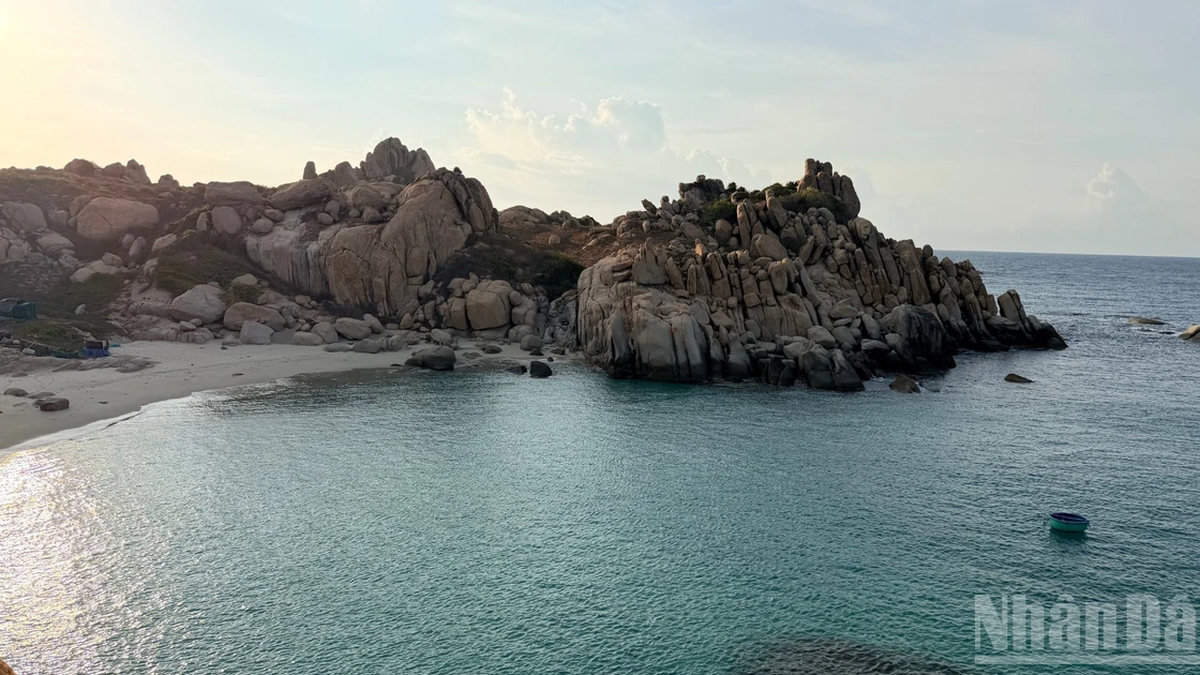
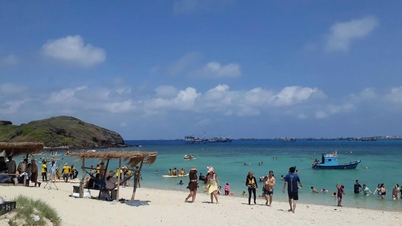
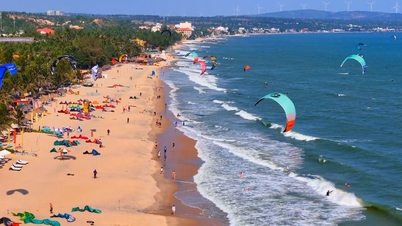
5. The provinces of the Central Highlands and the western coastal region are nestled against the Truong Son mountain range in the east, stretching out to the East Sea. The imagery of this geographical location, with mountains behind and the sea in front, symbolizing a far-reaching potential, is not merely symbolic but also holds real significance. It cannot be a region that is "far from the forest and indifferent to the sea," but rather a geo-cultural and geo-economic region with abundant endogenous potential that is being awakened…
What's particularly noteworthy is that all four provinces border one or two Southeast Asian countries: Cambodia and Laos. This reminded me of a statement by Professor Tran Quoc Vuong regarding the four provinces of the Central Highlands and coastal region. He wrote: “Vietnam is located on the Indochinese peninsula, occupying the entire eastern part, so its peninsular nature is even more prominent. In terms of geo-culture, Vietnamese cultural identity is peninsular, receiving and integrating both continental and island influences.” Indeed, this peninsular nature is clearly evident in the four new provinces: Quang Ngai, Gia Lai, Dak Lak, and Lam Dong, which is also a characteristic of Vietnam's geo-culture.
Cultural exchange is an inevitable phenomenon in any era. However, to permeate so deeply, creating a harmonious transformation within the overall context of political, cultural, economic, historical relationships and community life, and forming lasting value milestones, is something not every region is fortunate enough to achieve.
Source: https://baolamdong.vn/ngot-bui-dai-ngan-man-moi-bien-ca-434125.html
![[Photo] General Secretary and President To Lam presides over a working session with the Central Policy and Strategy Committee on the development of the materials industry.](https://vphoto.vietnam.vn/thumb/1200x675/vietnam/resource/IMAGE/2026/05/21/1779359935432_a3-bnd-3129-1412-jpg.webp)
![[Photo] National Assembly Chairman Tran Thanh Man working with the Standing Committee of the Law and Justice Committee](https://vphoto.vietnam.vn/thumb/1200x675/vietnam/resource/IMAGE/2026/05/21/1779378929214_ndo_br_1-4610-jpg.webp)

























































Comment (0)