

A new direction
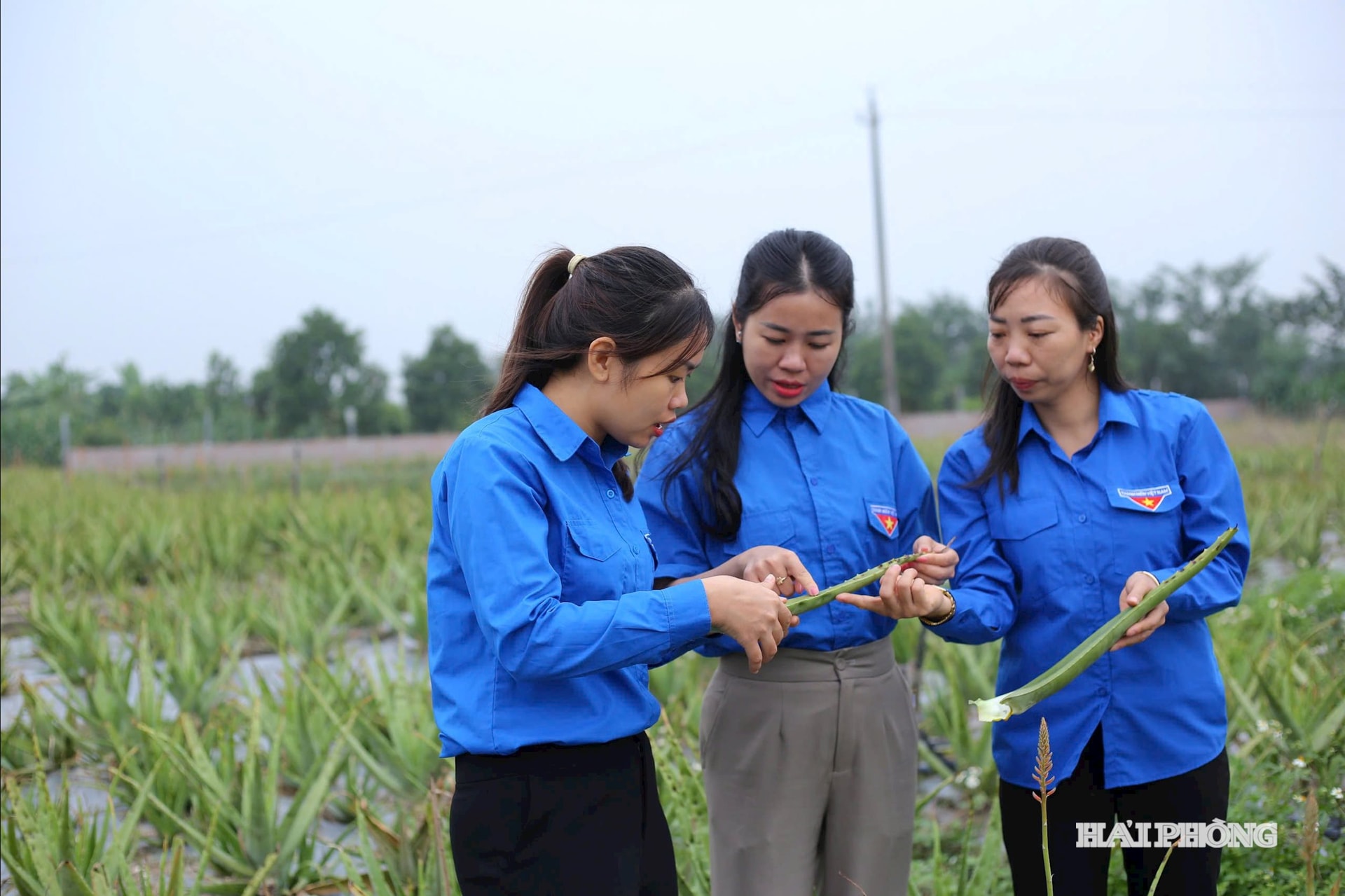
Although she is currently the Deputy Principal of Chi Lang Nam Kindergarten, Ms. Anh (born in 1985) still dreams of being involved with farming in a new way. As a school administrator, she always arrives early and leaves late to fulfill all assigned tasks, then goes home to help her husband, and takes advantage of her free time and days off to work in the garden.
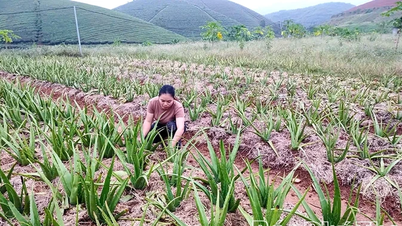
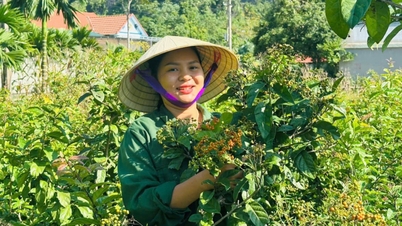
Visiting Ms. Ánh's garden, I saw lush green aloe vera plants planted in rows on raised mounds of soil. The aloe vera leaves, like spearheads, reached high into the sky, each leaf plump and full. This is the largest aloe vera garden in western Hai Phong, covering nearly 2 hectares.
Ms. Ánh and her husband had tried many times to start their own businesses and faced numerous difficulties. One time, a friend who owned a food production facility in Bắc Ninh province suggested they grow aloe vera, promising to buy all of their produce.
Inspired by this new direction, Ms. Anh and her husband researched this plant online and learned from aloe vera growers in Ninh Thuan about how to plant and care for it. Aloe vera is a drought-tolerant plant but cannot tolerate waterlogging.
In June 2020, Ms. Anh and her husband bought 5,000 aloe vera seedlings from a nursery in Ninh Thuan province to plant on their 0.5-hectare garden. Initially lacking experience, after only a short time, all the aloe vera seedlings rotted at the roots and were destroyed due to waterlogging. Having lost money and resources, Ms. Anh became even more determined to conquer this new crop.
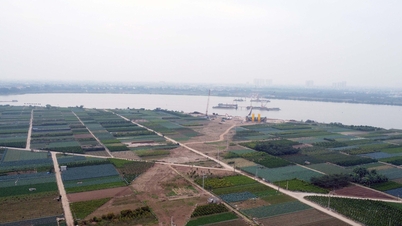
After gaining a better understanding of aloe vera's properties, Ms. Anh discussed with her husband the idea of buying 1.6 hectares of low-lying land from villagers in Trieu Duong hamlet to cultivate aloe vera. This area was considered the "waterlogged heartland" of Thanh Mien district in the past, resulting in low and inefficient rice cultivation. Faced with a field perpetually flooded, Ms. Anh and her husband decided to create a garden, transforming this low-lying land into an aloe vera plantation.
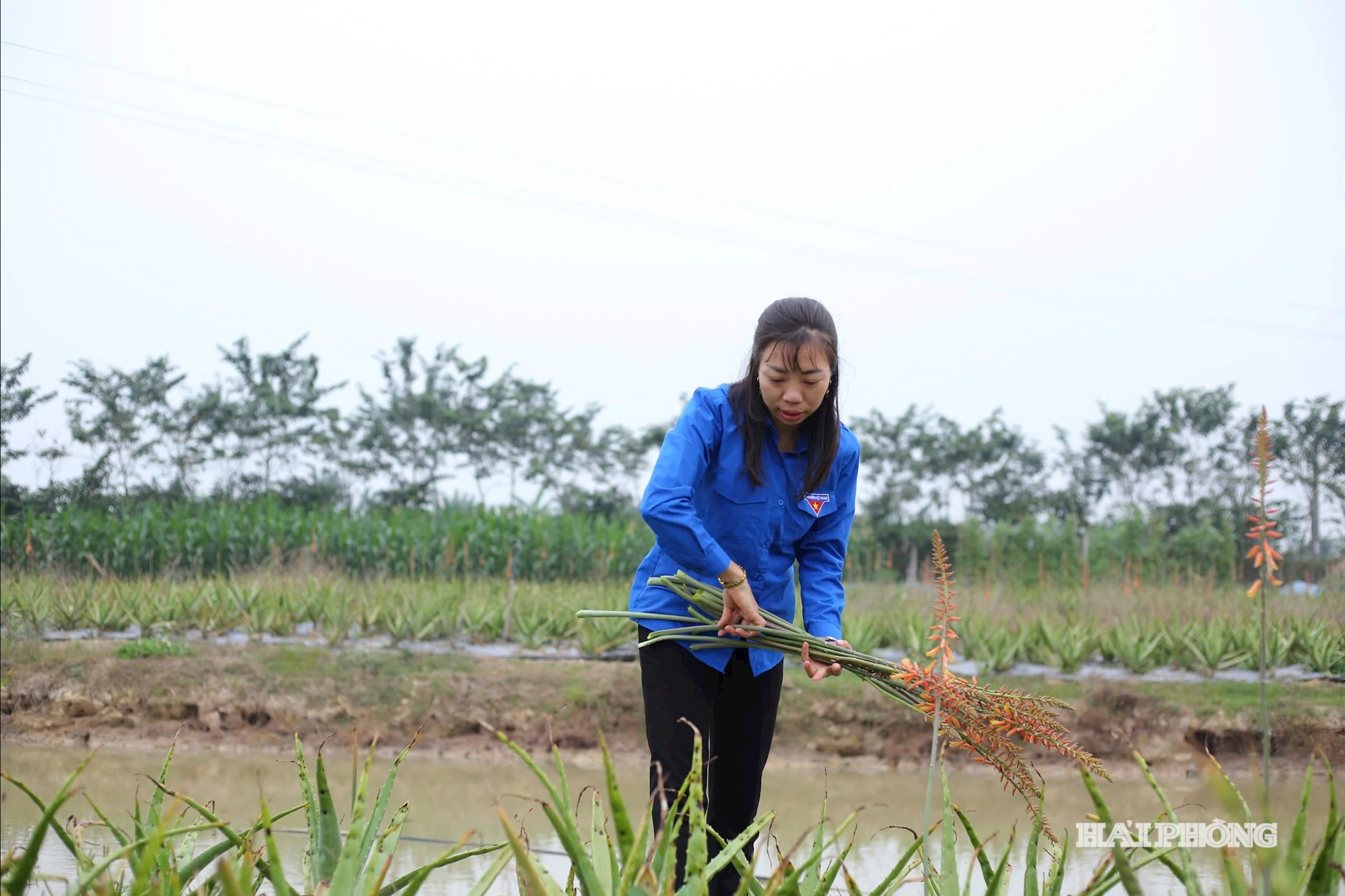
Ms. Ánh and her husband, along with the laborers, dug up soil here and raised it there, creating more than a dozen small ponds, mainly for drainage. During the months she worked alongside her husband, there were nights she spent toiling with the soil to transform low-lying, acidic land into productive fields.
Looking back over the years, the once low-lying land has now become a vast, lush green aloe vera garden, a sight that everyone admires. To date, Ms. Anh and her husband have invested more than 1 billion VND in the aloe vera garden. "Thinking back to the early days of establishing the garden, there were times I couldn't believe I had overcome those hardships. At that time, I only thought that if we succeeded, it would not only help me but also open up a new path for those who want to be connected to their homeland," Ms. Anh recalled.
Conquering the "miracle cure"
Unlike many plants that require constant care, aloe vera only needs sufficient water, nutrients, and protection from waterlogging. Around the garden, Ms. Anh and her husband installed an automatic irrigation system. According to Ms. Anh's experience, no pesticides should be used when growing aloe vera. Their aloe vera garden is entirely organic. "All our capital and dedication have been poured into this aloe vera garden; a single moment of carelessness could cost us everything," Ms. Anh shared.
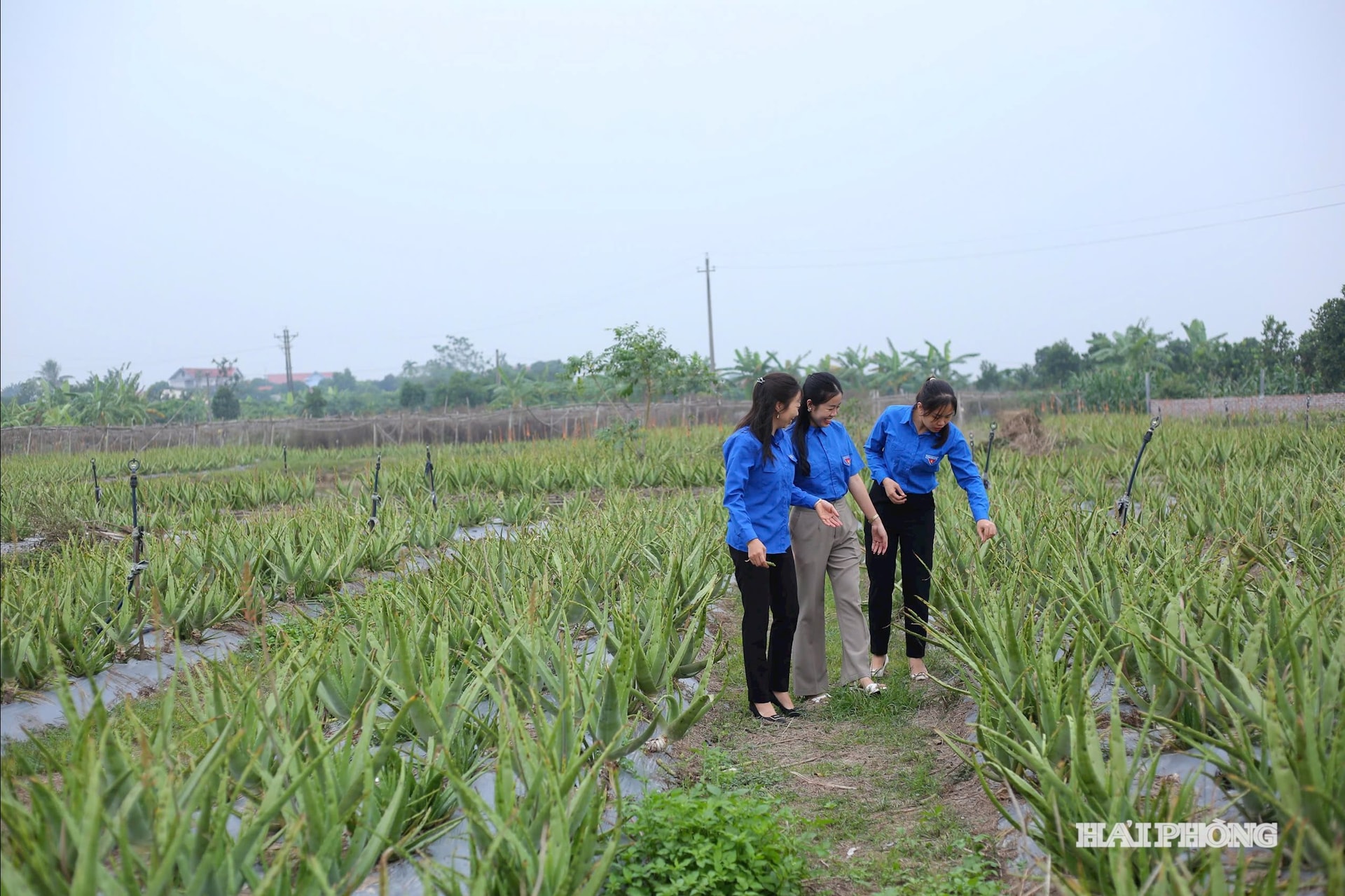
The couple's efforts finally paid off. Every day, the aloe vera plants grew healthier, thicker, and produced more branches.
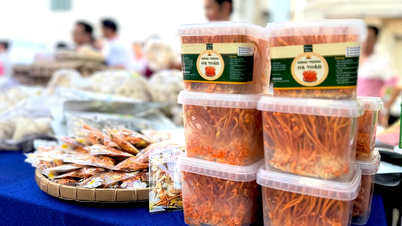
Besides producing and selling aloe vera leaves and seedlings, Ms. Anh's family also runs a processing workshop. After harvesting, the aloe vera is cleaned, the pulp is extracted, and it's processed into jelly, packaged, and sold to food processing businesses in Hanoi and Bac Ninh. The aloe vera jelly produced by the facility is called "Vietnamese Aloe Vera Jelly." On average, the facility generates approximately 3 billion VND in revenue annually, with a profit of nearly 1 billion VND. Ms. Anh's family aloe vera production facility currently provides employment for 15-20 unemployed rural workers in their hometown, with an income of 4-6 million VND per person per month.
Unlike many other plants that need to be harvested immediately, aloe vera takes about 8 months to grow before it can be harvested. However, currently, the aloe vera from Ms. Anh's family farm is not enough to supply processing units, so the facility also purchases aloe vera from other provinces to ensure sufficient production.
Through years of diligent care, the aloe vera seedlings that once grew in Ms. Anh's family have transformed into a vast, sprawling field, opening up a new path for farmers eager to stay rooted in their land and prosper in their hometowns.
MINH NGUYENSource: https://baohaiphong.vn/nguoi-bien-dat-chua-thanh-qua-ngot-522242.html
























































































Comment (0)