

The outer layer and yellow sap of aloe vera leaves contain aloin, a substance that can cause irritation, diarrhea, and even liver and kidney problems if used incorrectly or for a long time. Aloin is a bitter-tasting, yellowish-brown compound with strong laxative effects, but high doses can be toxic, according to the American website Eating Well .
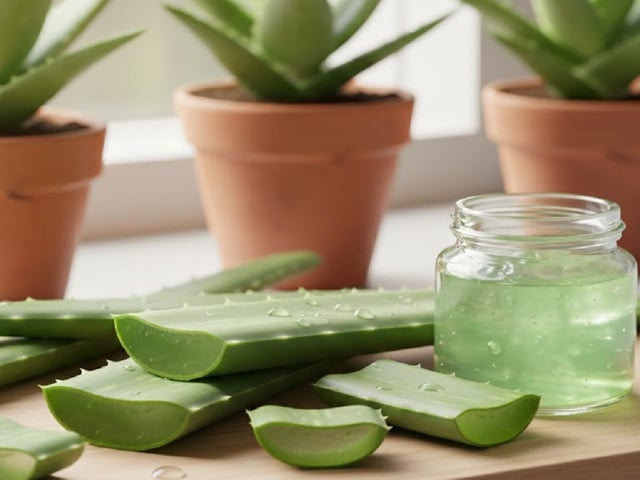
Make sure to thoroughly wash away the yellow sap from the aloe vera before use.
PHOTO: AI
Therefore, to reap the benefits of aloe vera while avoiding the risks of aloin, people need to keep the following important principles in mind.
Avoid the plastic part containing aloin.
Aloe vera leaves consist of two distinct parts: an outer green peel and an inner flesh. The peel contains a yellow sap rich in aloin, while the flesh is transparent, viscous, and contains water, vitamins, and minerals.
Many of the medicinal benefits of aloe vera, such as skin care, wound healing stimulation, and digestive support, are attributed to the gel inside the leaf. Conversely, the yellow sap containing aloin can cause side effects when ingested, such as diarrhea, abdominal pain, electrolyte imbalance, and even reported liver and kidney damage.
Therefore, when using aloe vera leaves, we need to extract the gel inside and discard the green outer layer. This recommendation applies whether aloe vera is used for eating, drinking, or applying to the skin.
Choose the type with pure gel.
People often hear that drinking aloe vera juice is good for the gut, detoxifies the body, and improves skin. However, in reality, drinking whole aloe vera leaves containing aloin or unprocessed sap can pose risks.
The sap of aloe vera can cause intestinal cramps, diarrhea, and abdominal pain. Therefore, when using commercial aloe vera products, it is important to choose those that clearly state that the aloin has been removed.
Furthermore, aloe vera should be used in moderation, avoiding overuse and prolonged periods. This helps prevent the risk of accumulation and side effects from frequent or high-dose use.
Test before applying to skin.
Aloe vera gel is beneficial, but some precautions should be taken to avoid unwanted reactions. People allergic to aloe vera may experience itching, rashes, redness, and sometimes swelling or dermatitis when applied.
If using homemade gel from fresh leaves, rinse them thoroughly several times to remove any remaining yellow sap. If the sap isn't completely washed away, applying it to the skin can still cause irritation, according to Eating Well .
Source: https://thanhnien.vn/dung-nha-dam-the-nao-de-tranh-doc-to-185251210200646461.htm






























![[Video] The craft of making Dong Ho folk paintings has been inscribed by UNESCO on the List of Crafts in Need of Urgent Safeguarding.](https://vphoto.vietnam.vn/thumb/402x226/vietnam/resource/IMAGE/2025/12/10/1765350246533_tranh-dong-ho-734-jpg.webp)































































Comment (0)