

From self-governing residential areas and civilized streets to "community camera" models and citizens proactively reporting violations through digital platforms, the spirit of "government and people working together" is creating an increasingly clean, orderly, and humane urban landscape.
When the people stand together with the government
In recent years, in many wards and communes of Hanoi , the image of people actively participating in maintaining urban order and environmental hygiene has become familiar. No longer thinking "it's the government's job," many residential areas have developed a sense of self-governance, self-monitoring, and working together to protect their own living environment.
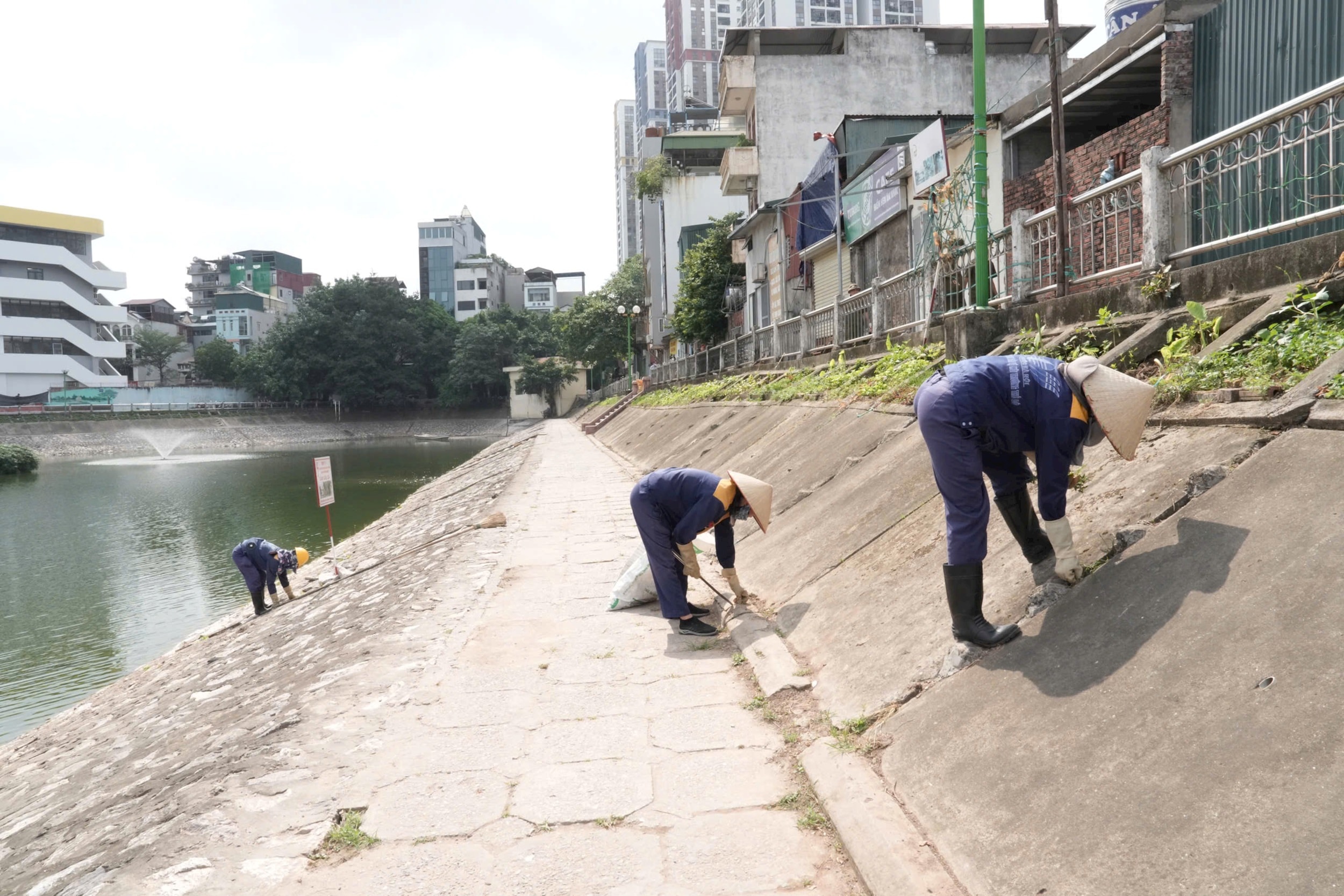
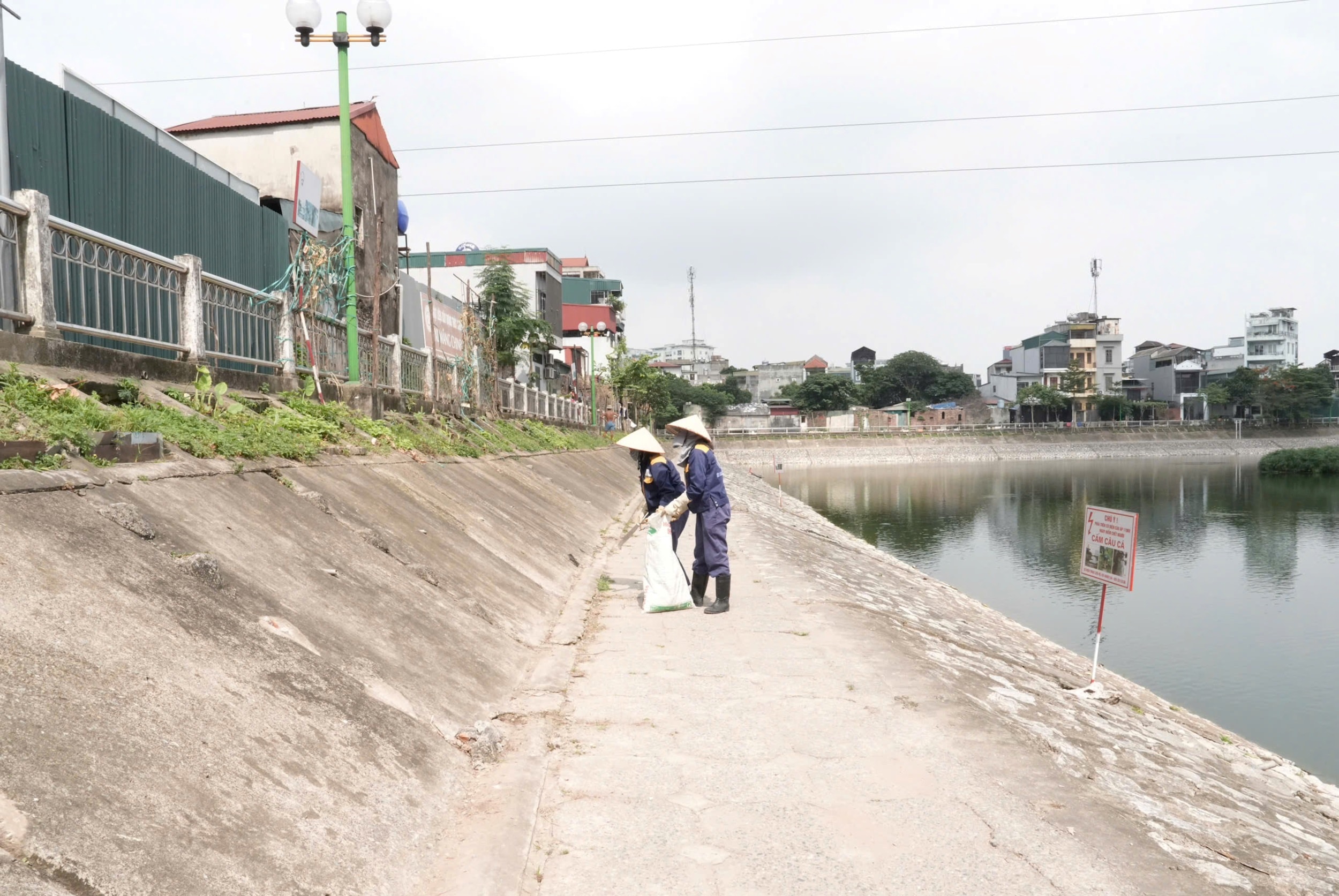
In Khuong Dinh ward, every weekend, neighborhood groups maintain a comprehensive environmental cleanup effort, removing illegal advertisements and posters. Streets that previously suffered from sidewalk encroachment and improper garbage disposal have seen significant improvements thanks to the coordinated efforts of the government and the people.
Ms. Dao Thi Thac (Member of the Standing Committee of the Women's Union of Khuong Dinh Ward) shared: “Every Saturday morning, the Women's Union of Khuong Dinh Ward usually coordinates with the residential area to participate in general environmental sanitation. If only the authorities were to conduct inspections, it wouldn't be enough, but when people remind each other to maintain a civilized lifestyle, the effect is completely different. People understand that cleanliness and beauty are first and foremost for themselves.”
Not only in the inner city, but also in many suburban communes such as Ngoc Hoi, Thuong Phuc, Thanh Oai, Gia Lam, Thanh Tri, etc., the movement to build "bright, green, clean, and beautiful villages," women's flower-lined roads, and self-managed road sections is developing strongly. People contribute labor and funds to install security cameras, streetlights, and beautify village roads and alleys, contributing to changing the face of urbanized rural areas.
In central wards, models such as "Civilized Urban Streets" and "Civilized Commercial Shops" have been implemented with the active participation of business owners. Many shop owners have voluntarily signed commitments not to encroach on sidewalks, to ensure environmental hygiene, and to behave courteously towards tourists.
According to local officials, the most important thing is that people's awareness has changed. While previously movements were often administrative in nature, now many residential areas have developed a clearer sense of self-awareness and community spirit.
Along with that, the role of social supervision by the people is increasingly being promoted. Through neighborhood Zalo groups, incident reporting applications, or hotlines, many violations of construction regulations, environmental sanitation, illegal advertising, and traffic safety hazards are promptly reported by the people.
In Thanh Xuan, Khuong Dinh, and Phuong Liet wards, the "citizen camera" model has actively supported urban management and ensured security and order. Many households proactively share camera data from their front doors with authorities to address traffic violations, illegal dumping, and other security incidents.
Beyond simply reporting violations, citizens also directly participate in community monitoring activities regarding investment projects, infrastructure improvements, and food safety at local markets and collective kitchens. This helps increase transparency and create consensus at the grassroots level.
According to Nguyen Sy Doan, Deputy Secretary of the Party Committee and Chairman of the People's Committee of Khuong Dinh Ward, many previously unresolved issues have been addressed more quickly thanks to the close cooperation between the people and the government. When the people participate, the dissemination of information and handling of violations become much easier.
Spreading the spirit of "government and people working together"
A notable aspect of Hanoi's current urban development is the shift from a "government-managed" mindset to a "community-based governance" approach. Citizens are no longer passive recipients but have become active participants in urban development. In many campaigns to ensure urban order, traffic safety, and environmental sanitation, local authorities not only disseminate information but also encourage citizens to propose solutions, participate in monitoring, and directly implement measures.
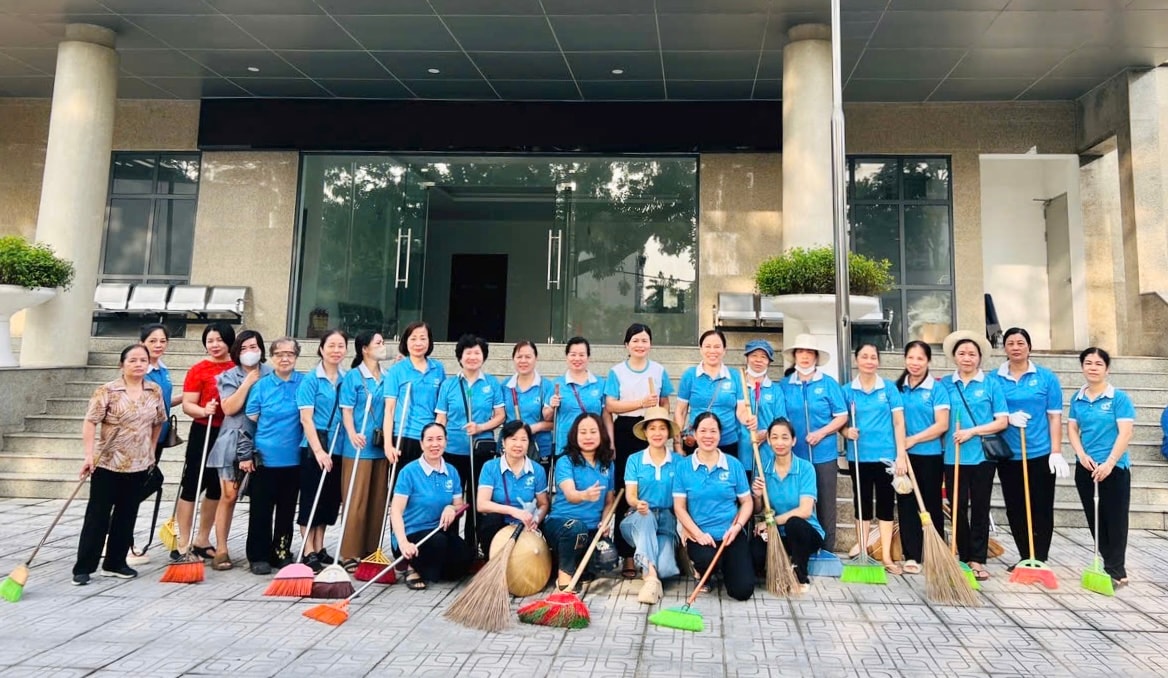
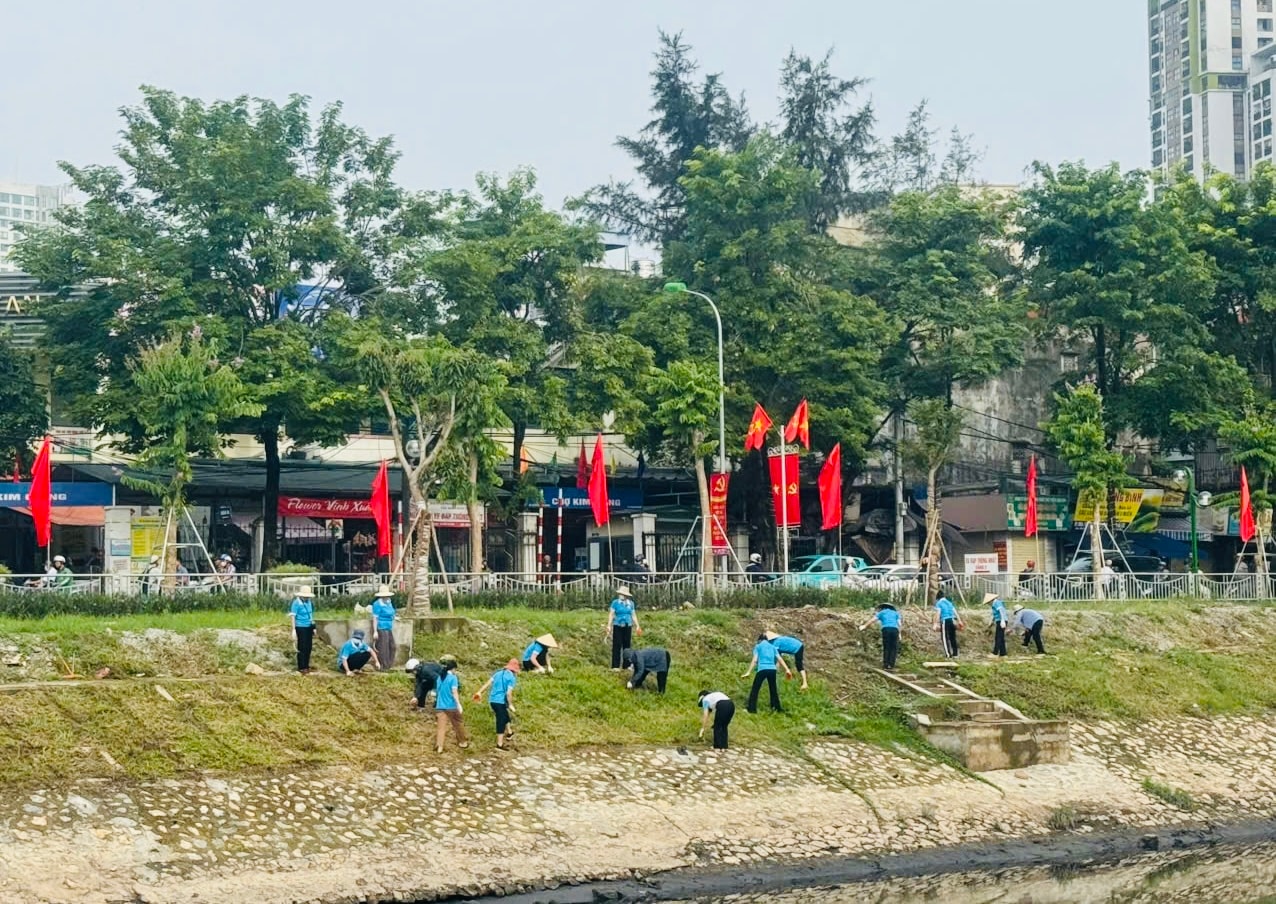
Typical examples include the "Green Weekend" model, the "Youth-Managed Road Section," the "Garbage-Free Street," and the "Civilized Women's Association" model, which have created a significant ripple effect in the community. From small actions like disposing of garbage on time, not encroaching on sidewalks, and reminding each other to obey traffic laws, a sustainable sense of community awareness is gradually formed. Especially in the context of accelerated digital transformation, many new models are opening up more effective ways of interaction between the government and the people.
In reality, where the role of the people is effectively promoted, the building of a civilized lifestyle achieves more sustainable results. Many wards in Hanoi have maintained online community groups to update urban conditions, announce environmental sanitation schedules, report violations, and receive public feedback. People are also increasingly boldly contributing suggestions to the government on issues related to transportation infrastructure, food safety, fire prevention and control, apartment building management, park and lake renovation, etc. Opinions from the grassroots level are becoming an important source of information helping the government adjust policies to be more relevant to the people.
A civilized city is not only measured by modern buildings or wide, beautiful roads, but also by the behavior of each citizen. Therefore, Hanoi is focusing on building a civilized lifestyle starting from the most familiar aspects of daily life. In many residential areas, sorting waste at source, limiting the use of plastic bags, and maintaining general cleanliness are gradually becoming habits. Women's groups, youth unions, and veterans' associations play a core role in disseminating information and maintaining self-governing models.
In ensuring food safety, community monitoring teams at local markets and collective kitchens have also proven effective. Citizens are not only consumers but also participate in monitoring food origins and hygiene conditions, contributing to reducing the risk of food safety issues.
Ms. Nguyen Thi Nga, a small business owner at the local market on Nguyen Quy Duc Street (Thanh Xuan Ward), said that people are now more concerned about clean food, so businesses have to adapt. When the market management board, neighborhood committees, and residents work together to monitor, everyone becomes more conscious of the issue.
Many believe that the most valuable aspect of current urban development movements is the growing spirit of self-awareness and community responsibility. From a situation where "the state does the work," citizens are now actively participating and sharing responsibility with the government. This is also a crucial foundation for Hanoi to achieve its goal of building a modern city while preserving its cultural identity, human values, and social consensus.
Throughout this journey, each citizen is not only a beneficiary of development's achievements but also a "cell" contributing to shaping the image of the capital city. From small actions like disposing of trash properly, reminding each other to obey traffic laws, keeping sidewalks clear, or promptly reporting urban violations, all are contributing to creating a more civilized and livable Hanoi every day.
The city's Fatherland Front is piloting a model of digital villages and residential areas to bridge the gap between the government and citizens through technology. This model focuses on two core values: direct feedback and information transparency. Instead of the complex and time-consuming process of submitting feedback and suggestions as before, citizens can submit their opinions immediately on a digital platform. The system receives and responds in real time, operating 24/7, helping to eliminate spatial and temporal barriers in governance.
Beyond simply receiving feedback, the model also serves as a channel for providing official information to the people. Many policy-related issues, land clearance matters, and key projects are publicly available on the digital platform, allowing citizens to proactively monitor and supervise them. Establishing this two-way exchange mechanism not only facilitates citizens' feedback and suggestions but also supports the government and the Fatherland Front in listening to and responding promptly, thereby fostering genuine consensus at the grassroots level.Member of the Standing Committee of the Hanoi City Party Committee, Chairperson of the Vietnam Fatherland Front Committee of Hanoi City, Bui Huyen Mai
Source: https://hanoimoi.vn/nguoi-dan-dong-hanh-xay-dung-thu-do-ha-noi-van-minh-750404.html
![[Image] Close-up view of the interchange connecting the two expressways and Long Thanh Airport.](https://vphoto.vietnam.vn/thumb/1200x675/vietnam/resource/IMAGE/2026/05/25/1779703378210_ndo_br_z7863716673926-224453a31600126cce10622af6290afd-4549-jpg.webp)
![[Image] Hanoi's urban life under the challenge of a "scorching hot" environment](https://vphoto.vietnam.vn/thumb/1200x675/vietnam/resource/IMAGE/2026/05/25/1779706979265_nang-nong-t5-2026-minh-duy-7-4636-jpg.webp)




































































Comment (0)