

SGGPO
Data leaks when using online and digital services are nothing new, and many data protection measures have already been implemented. However, users need to know what to do when their information appears on a list of leaked data.
 |
| Changing your password as soon as possible is one way to protect your data from a hack. |
Kaspersky experts offer a brief guide on what to prioritize if personal data is leaked: Change your password as soon as possible; Check all websites that use the same password; Use a trusted password manager to enhance security; Be wary of potential phishing attempts.
Here, Kaspersky experts state quite specifically: Reputable services usually notify their users via email about a major data leak. However, be wary of phishing scams, as cybercriminals may insert a link in an email asking users to change their password. Clicking this link will direct users to a malicious page where they will enter their current username and password, thereby exposing their account data. To protect themselves, users should directly access the service's website and update their passwords themselves.
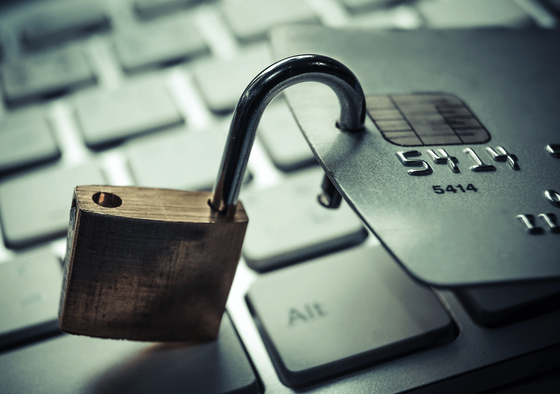 |
Priorities in the event of a personal data leak also include users choosing service providers responsibly. If users are considering using an online service like a VPN, they should take the time to read information about the provider; don't forget two-factor authentication; and block and reissue bank cards if necessary.
To minimize the risk of future data leaks, always use a VPN. This will obfuscate your digital footprint by providing an IP address from a different country.
Additionally, encrypting data before sending it will prevent a Man-in-the-Middle attack; communication over an encrypted channel is always better than using plain text. Users can find examples of this in the Privacy Policy, which often includes technical data such as IP address, login data, browser, time zone and location settings, and the operating system used to access the site.
Source


![[Photo] Prime Minister Pham Minh Chinh presides over a meeting on private sector economic development.](/_next/image?url=https%3A%2F%2Fvphoto.vietnam.vn%2Fthumb%2F1200x675%2Fvietnam%2Fresource%2FIMAGE%2F2025%2F12%2F20%2F1766237501876_thiet-ke-chua-co-ten-40-png.webp&w=3840&q=75)

































































































Comment (0)