

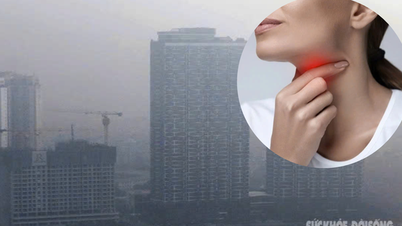
In cold weather, low humidity dries out the nasal mucosa, or excessive heating can also dry out and damage the nasal mucosa, leading to nosebleeds.
Professor, Doctor Pham Kien Huu, Department of Otolaryngology, University Medical Center of Ho Chi Minh City, said that nosebleeds often occur in cold weather and in areas with low humidity, which dries out the nasal mucosa. In addition, when it's cold, many people overheat their homes, which dries and damages the nasal mucosa, leading to bleeding.
According to a US study, approximately 60-70% of adults experience a nosebleed at least once in their lifetime. Of these, 6% resolve with non-surgical treatments, while 1.6 out of 10,000 cases require hospitalization. Nosebleeds are less common in children under 2 years old, but children aged 3-8 are at the highest risk.
Although the criteria for classification are not clear, nosebleeds are generally divided into anterior and posterior nosebleeds. Anterior nosebleeds occur in adolescents often due to trauma (picking the nose) and exposure to hot, dry environments. Posterior nosebleeds usually occur in people over 50; in the under-50 age group, the vast majority are men and some women due to a decrease in estrogen.
Common causes of nosebleeds
Aside from some cases with no clear cause, the causes of nosebleeds are divided into two groups: local and systemic.
Local factors : Trauma (nostriling), foreign bodies (unilateral foul-smelling discharge), nasal or eye surgery, inflammatory reactions (e.g., respiratory infections, chronic sinusitis, environmental irritants), nasal sprays (cocaine), benign or malignant tumors in the nasal cavity (common in children: nasal polyps, meningeal hernias, or gliomas), low humidity (especially in cold winter), aerosols (steroids)...
Systemic factors : Infections, hypertension, atherosclerosis, Willebrand disease (a hereditary bleeding disorder), hemophilia, malignancies, liver disease, heart failure, thrombocytopenia, chemotherapy, anemia, heart failure, vitamin C and K deficiency, use of aspirin, warfarin, non-steroidal anti-inflammatory drugs, and antihistamines.

Nosebleeds often occur in cold weather and in areas with low humidity, which dries out the nasal mucosa.
Detecting and managing nosebleeds
Depending on whether the nosebleed is anterior or posterior, the treatment will vary. If the nosebleed is anterior, the amount of blood draining into the throat (if any) is minimal, and the bleeding is mainly from one side of the nose. Squeezing both sides of the nostrils will stop the bleeding or significantly reduce the amount of blood. In this case, the patient can squeeze both sides of the nostrils (the soft tip of the nose, not the bridge of the nose). This method can stop the bleeding in most cases within 10-12 minutes.
Patients can use topical vasoconstrictor medications (Afrin or Rhinex) instilled into the nose to stop the bleeding. If the nosebleed persists after trying these measures, they should go to the nearest ENT clinic for examination and appropriate treatment.
In cases of posterior nosebleeds, the blood mainly flows down the throat, bleeding from both sides of the nose, with a large amount of bleeding that does not stop even after applying the same measures as for anterior nosebleeds. In this case, the patient should go to the nearest ENT clinic for examination and appropriate treatment.
To prevent nosebleeds during the cold season, Dr. Huu advises people not to pick their noses, scratch their noses, pluck nasal hairs, or blow their noses forcefully; to eat a balanced diet, especially increasing foods rich in vitamin C and vitamin K; to drink plenty of water; to always wear a mask to protect the nose when going out; and to avoid smoking, exposure to toxic chemicals, and allergens...
Source: https://thanhnien.vn/nguyen-nhan-gay-chay-mau-mui-trong-mua-lanh-185241220112419122.htm


































































































Comment (0)